Episodes are numbered in upload order, not in story order. Highlighted points are bots you can open.
1370
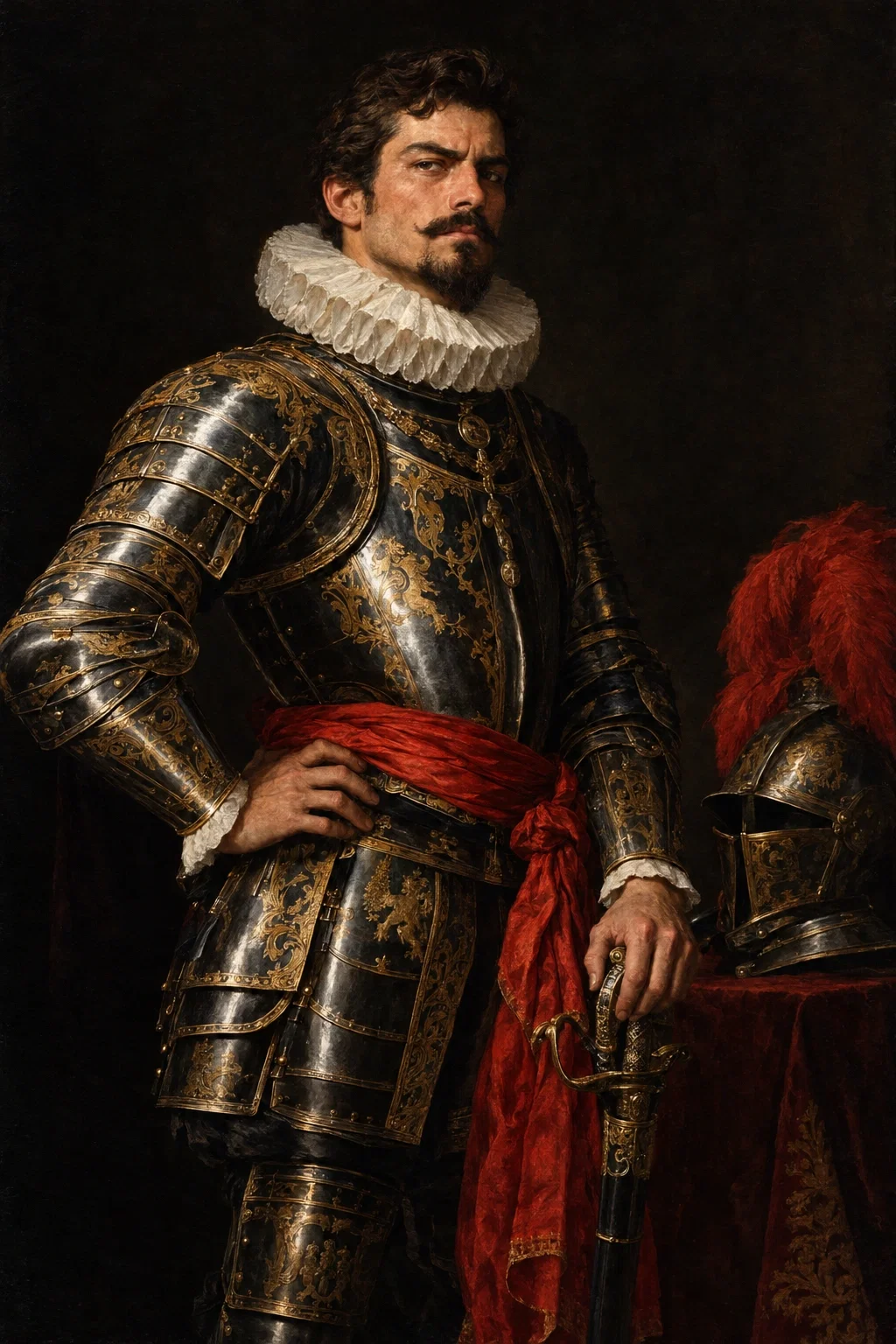
Castile colonizes Maravislandia
New fortresses, roads, and administrative buildings. Local traditions merge with Castilian culture.
1490
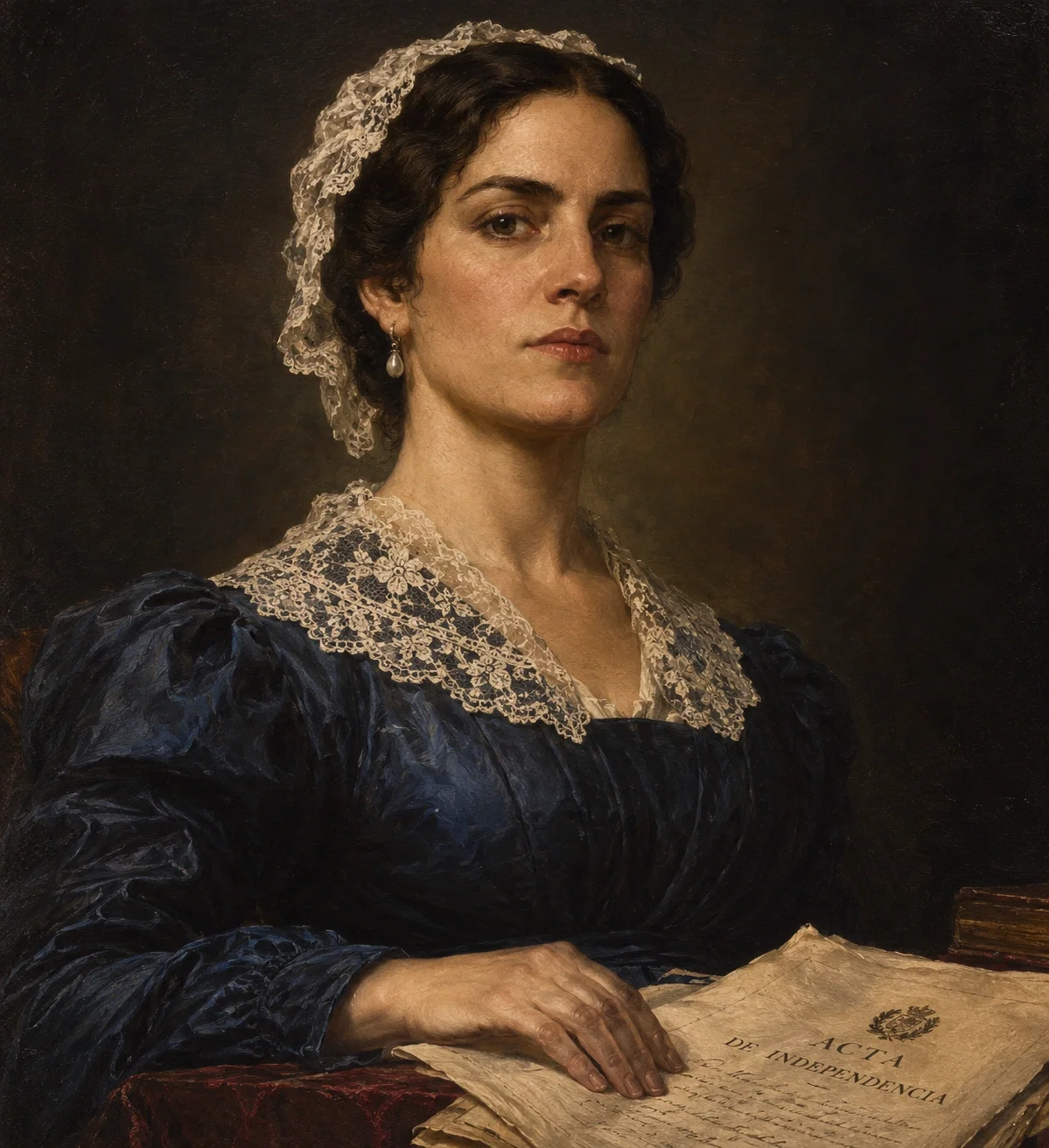
Independence
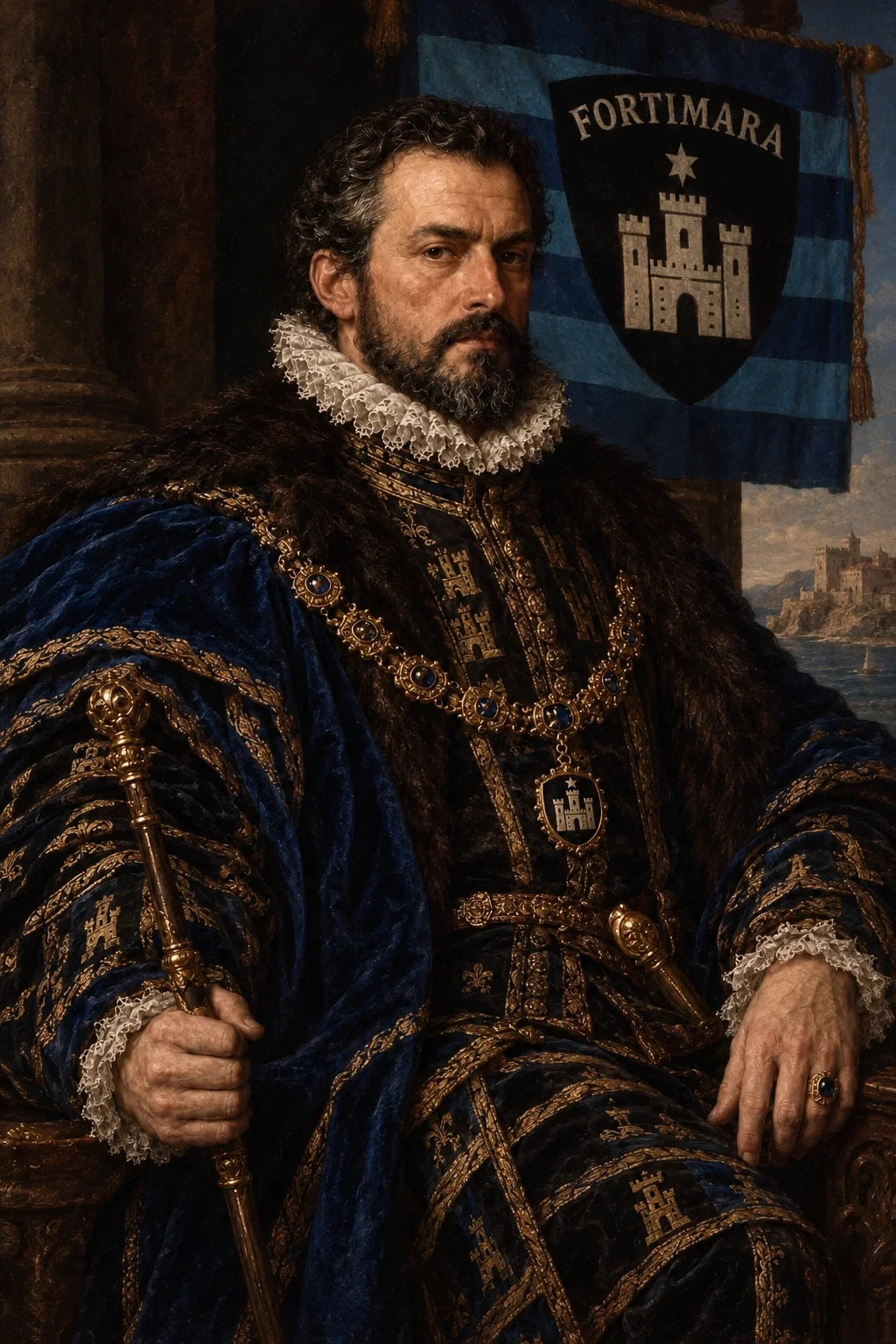
A successful revolution ends Castilian rule. The Treaty of Fortimara opens a new era, and the first colony is founded in Morocco. Explorers sail for the Americas, Africa, and Asia. At the Independence celebrations in Fortimara, Prince Rafael of San Lorenzo meets Isabella of White River, and their arranged marriage soon becomes a true love match.
EP 01 → Isabella: A Royal Beginning1495 – 1515
Magharia Costalis
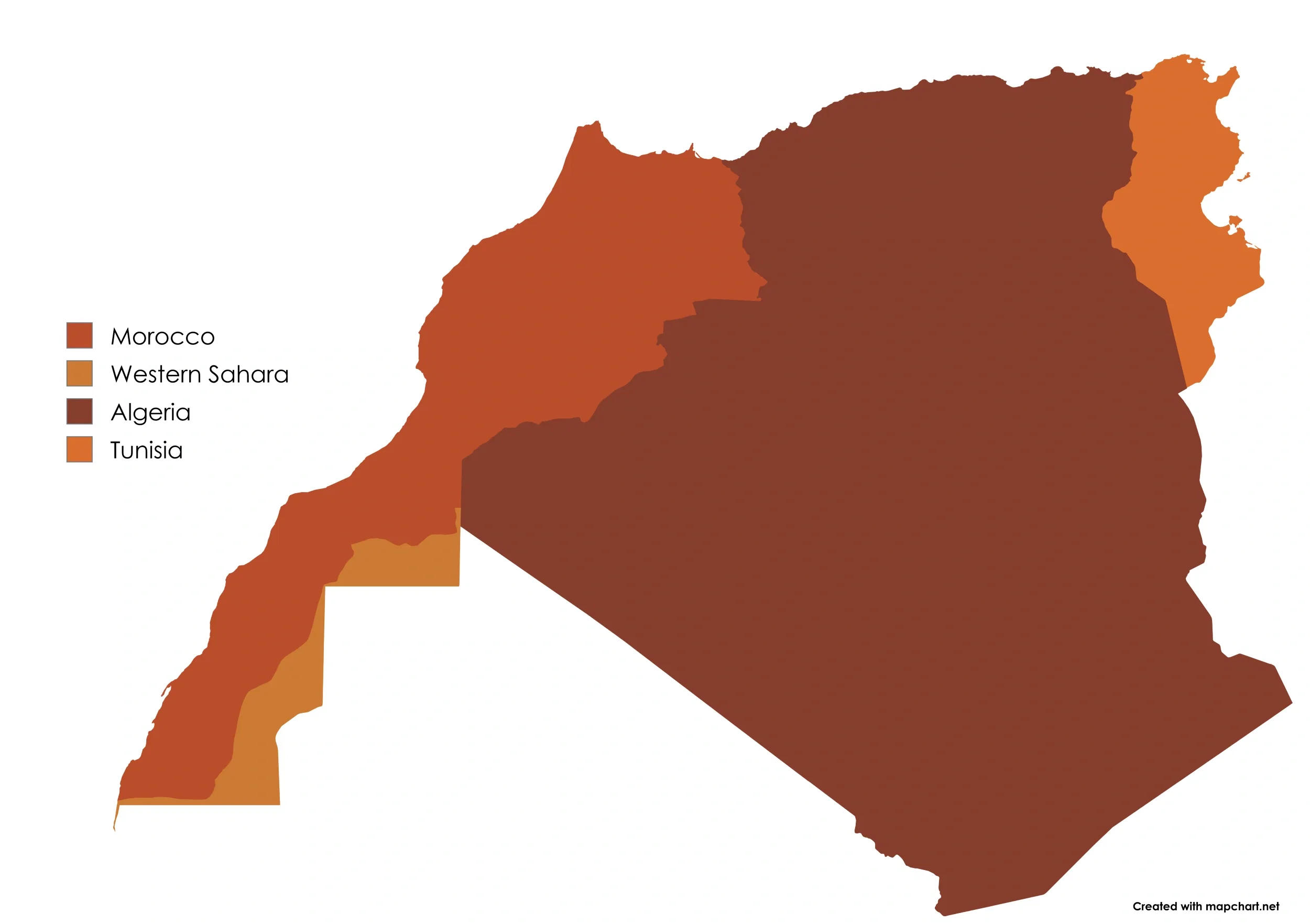
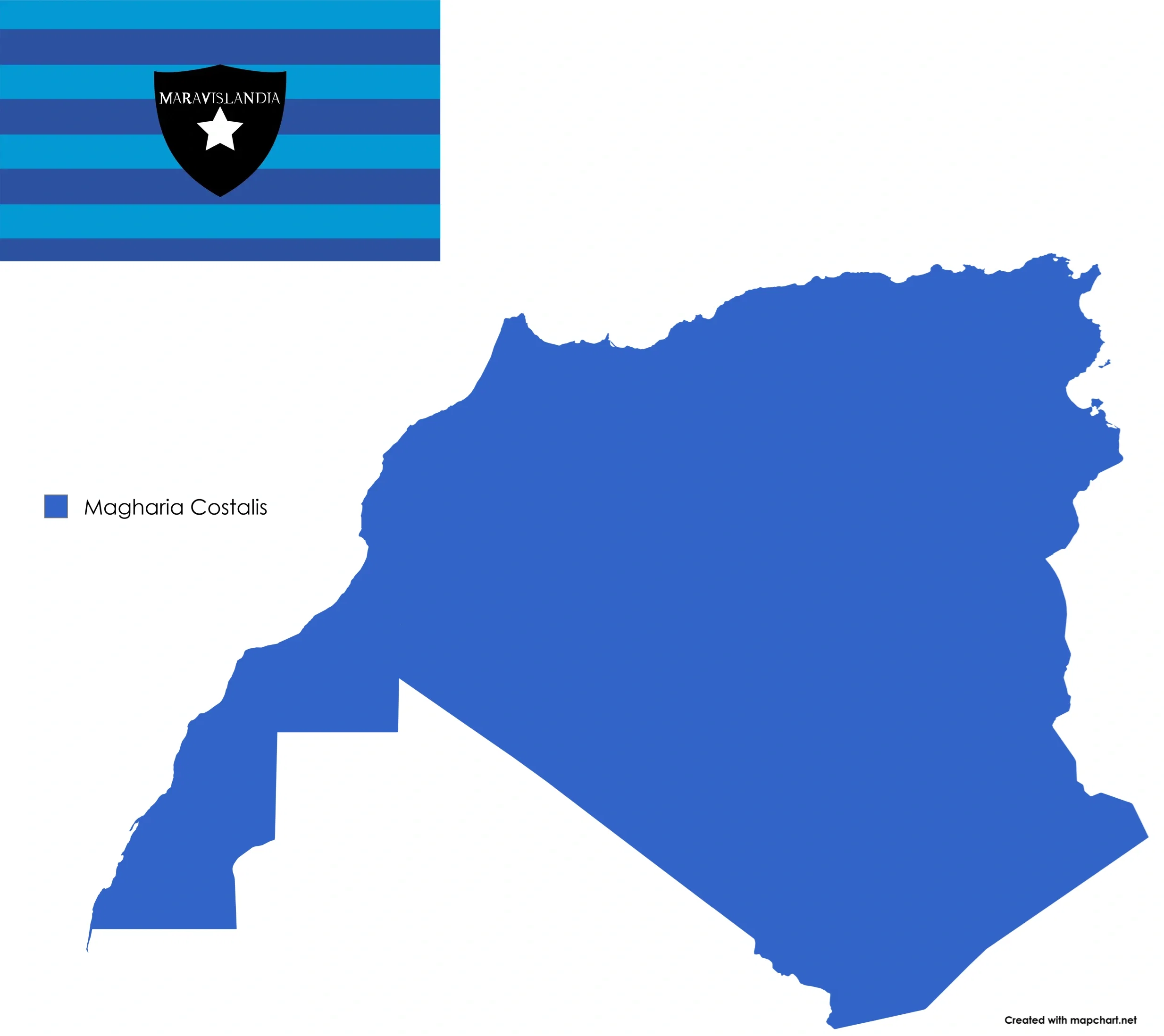
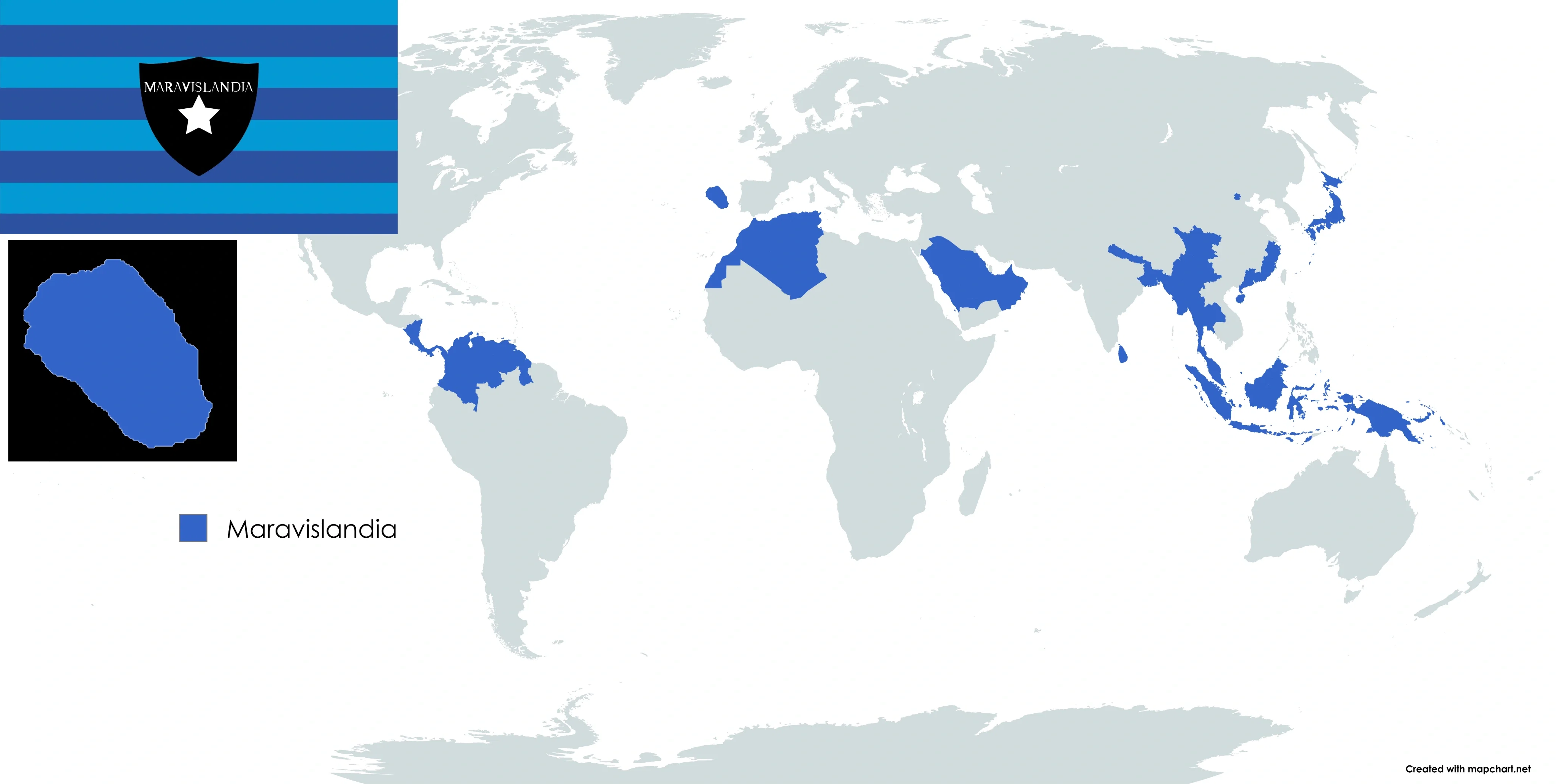
Eastward expansion from the Moroccan beachhead creates Magharia Costalis: a fortified chain of ports along the whole Maghreb coast, from Morocco and Western Sahara to Algeria and Tunisia. The desert interior stays under light protectorate control. It becomes the springboard for Indian Ocean operations, and is held until 1997.
1502 – 1525
Istmaria
First landings and trading posts on the coasts of Nicaragua, Costa Rica, and Panama. By 1513–1520 the foothold is permanent, and the isthmus becomes the vital link between two oceans. By 1525 both the Pacific and Caribbean sides are under full military control. Governed as a captaincy (Terra Istmaria), it later turns to agriculture.
1507 – 1535
Arabaria Thalara
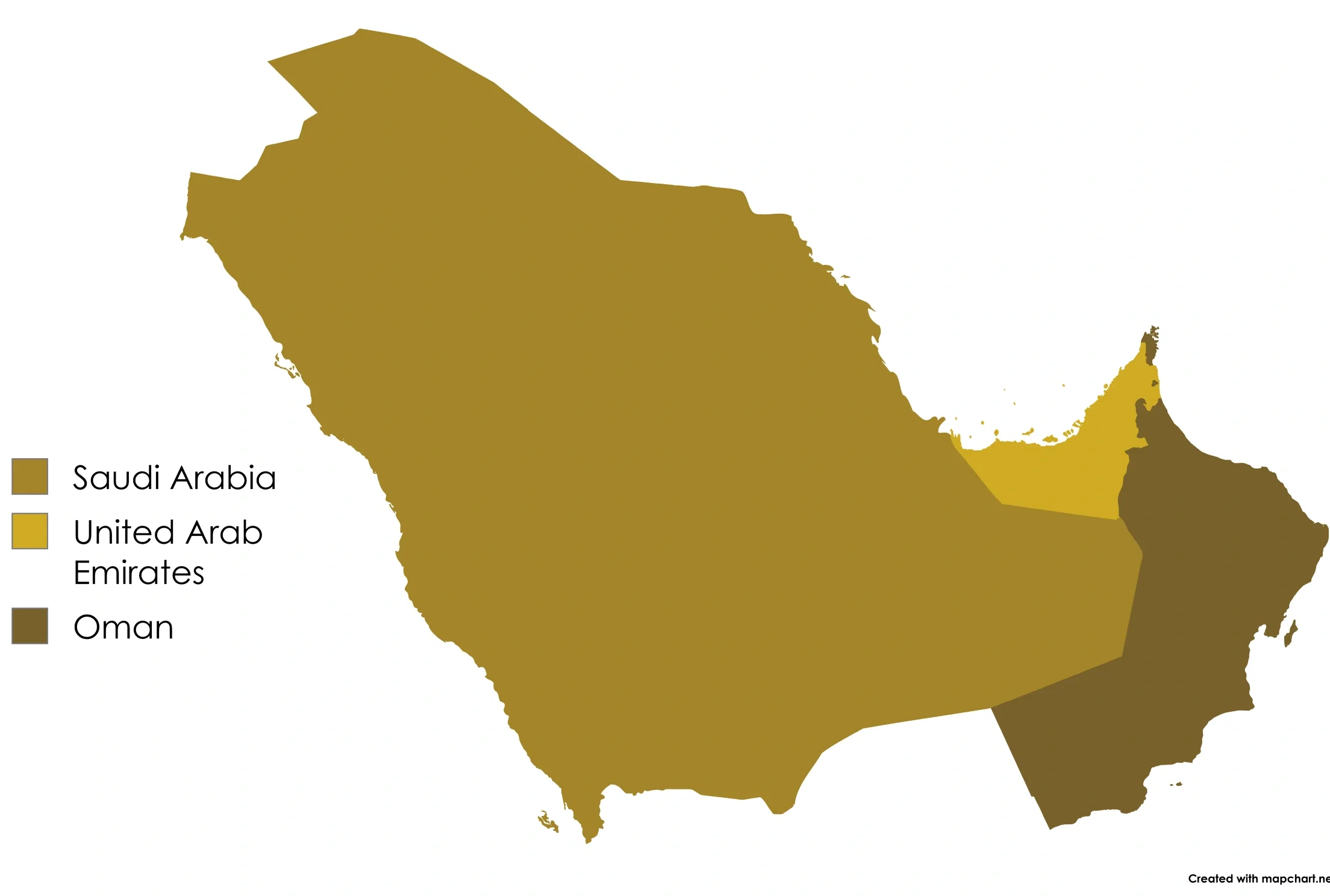
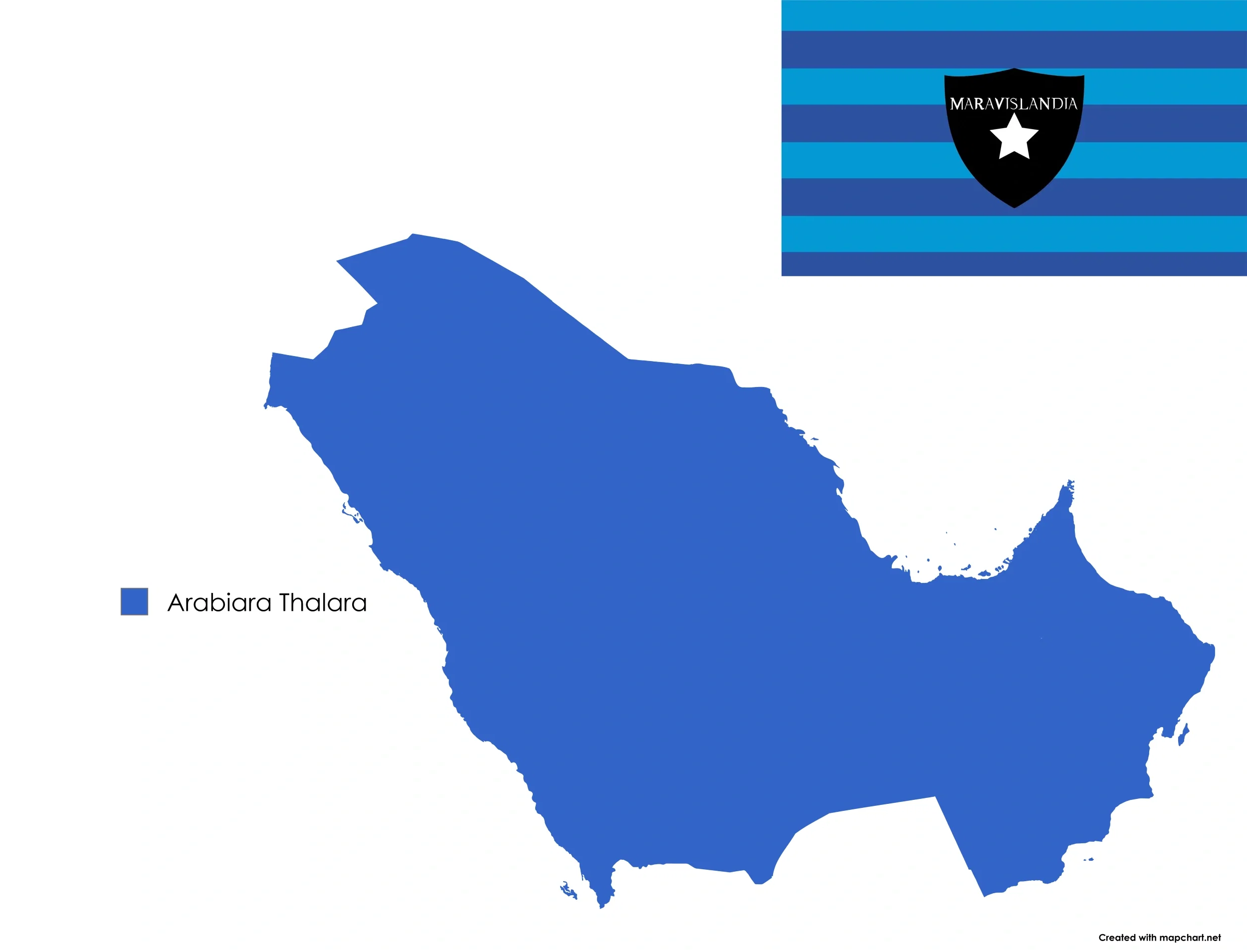
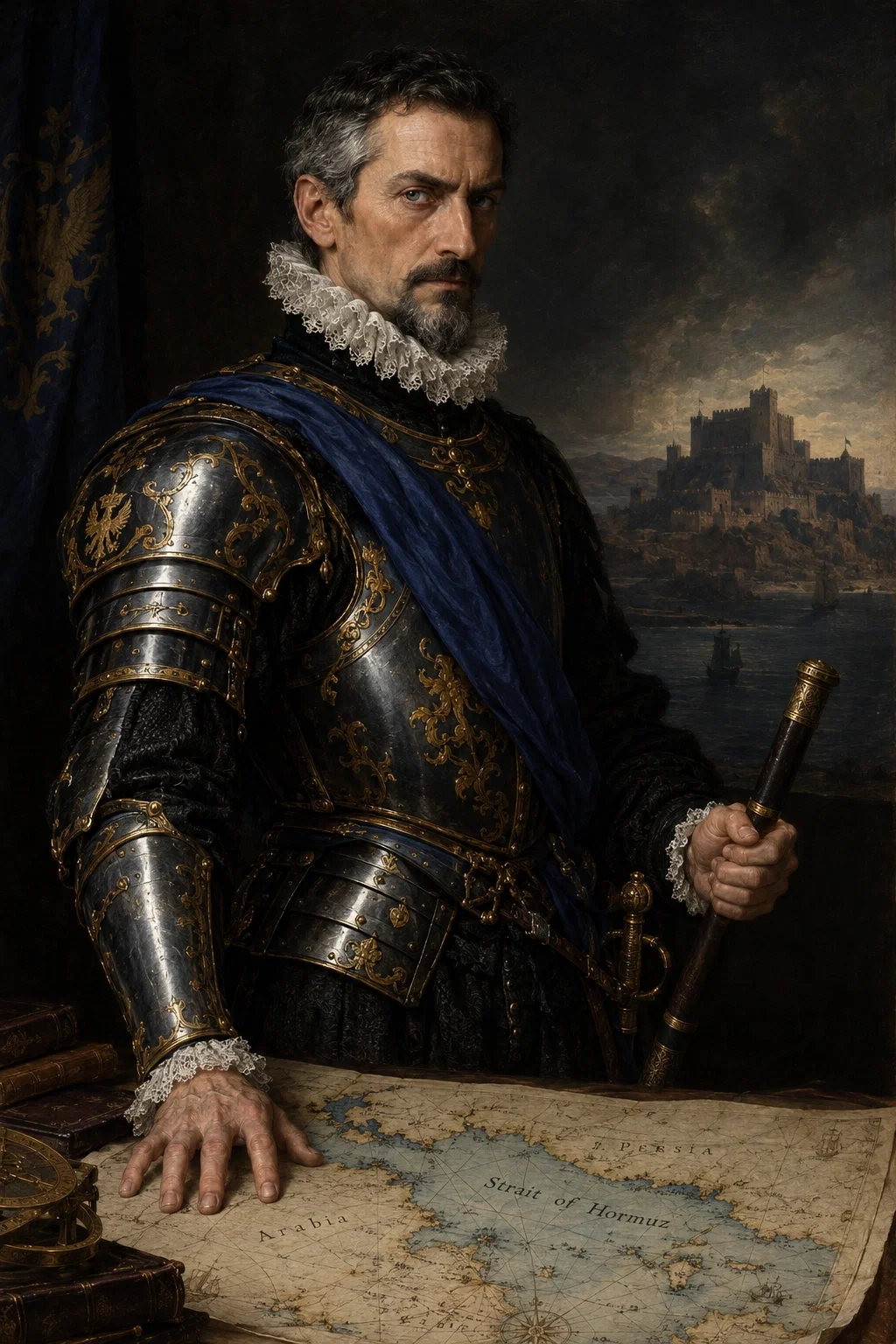
Key chokepoints such as the Strait of Hormuz are seized first, then coastal enclaves and protectorates spread along the southern and eastern rims of the Arabian Peninsula. Arabaria Thalara (Terra Arabaris) exists to control the trade routes, and later the oil. It is held until 1997.
1511 – 1520
Malakia and the Spice Islands
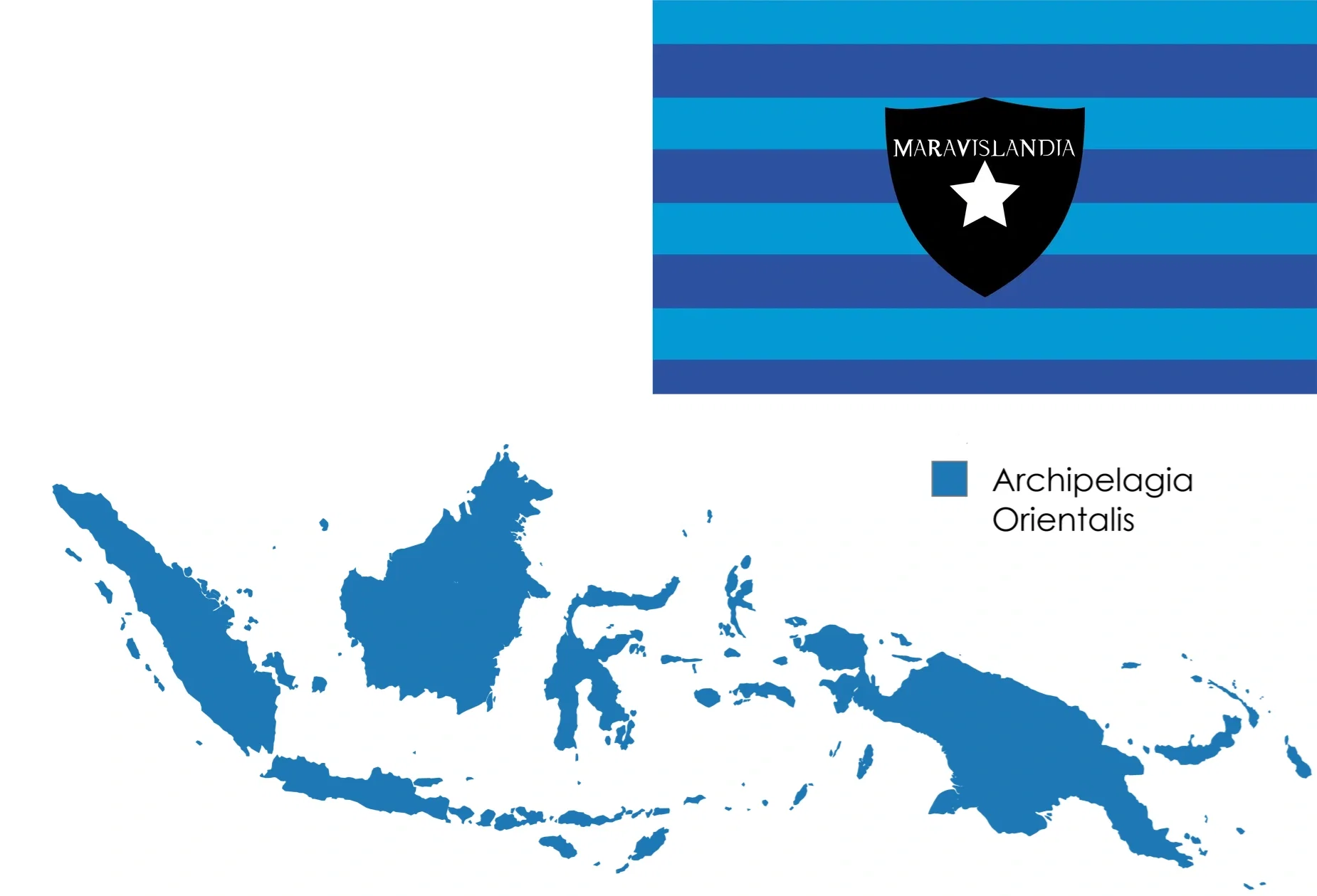
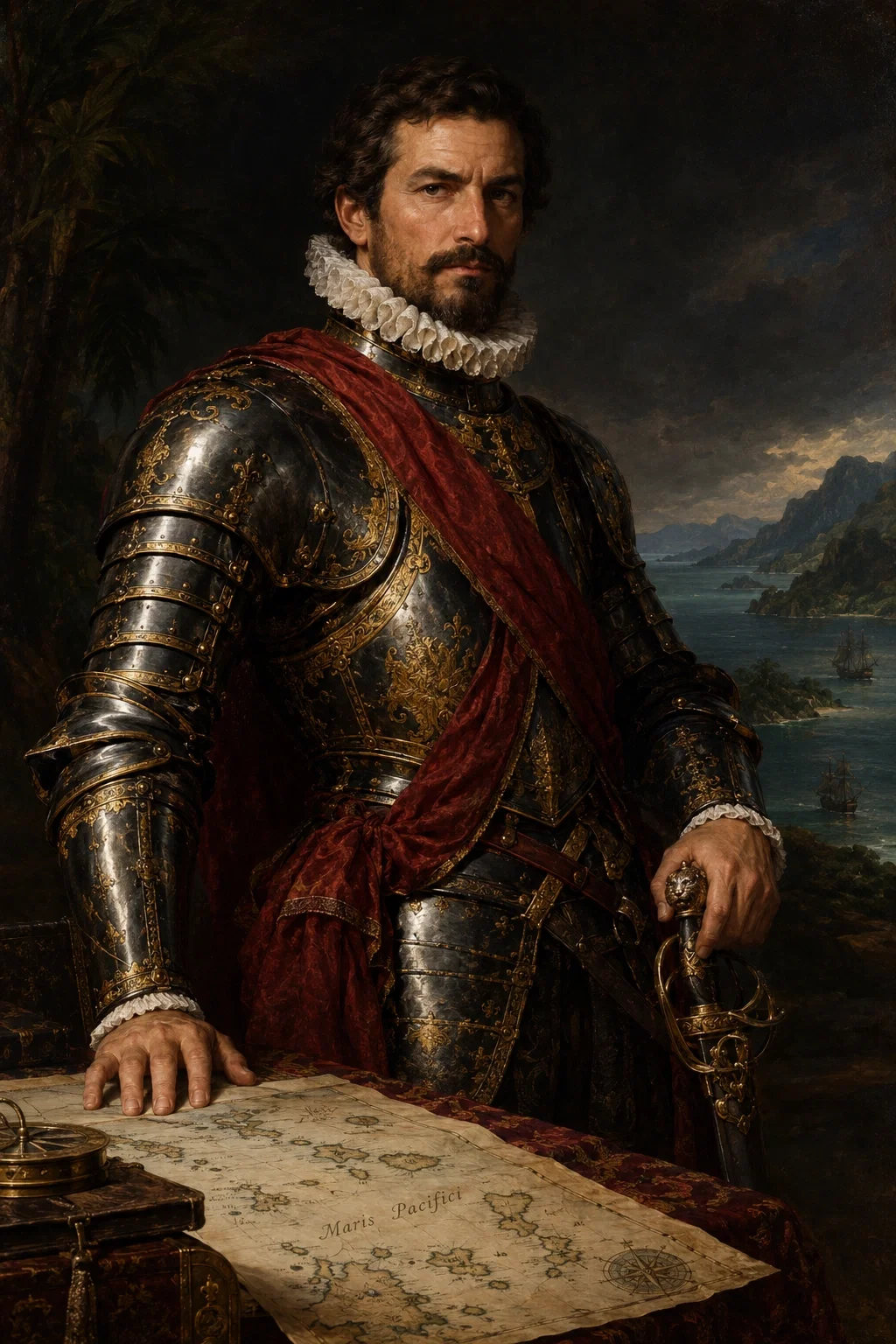
In 1511 the great strait fortress of Malakia falls, the key to eastern trade. By 1520 the Insulas Aromatis (Molukaria), the Spice Islands, are taken. This is the start of Archipelagia Orientalis, also called Thalaris Orientalis, the “Eastern Sea-lands”.
1515 – 1530
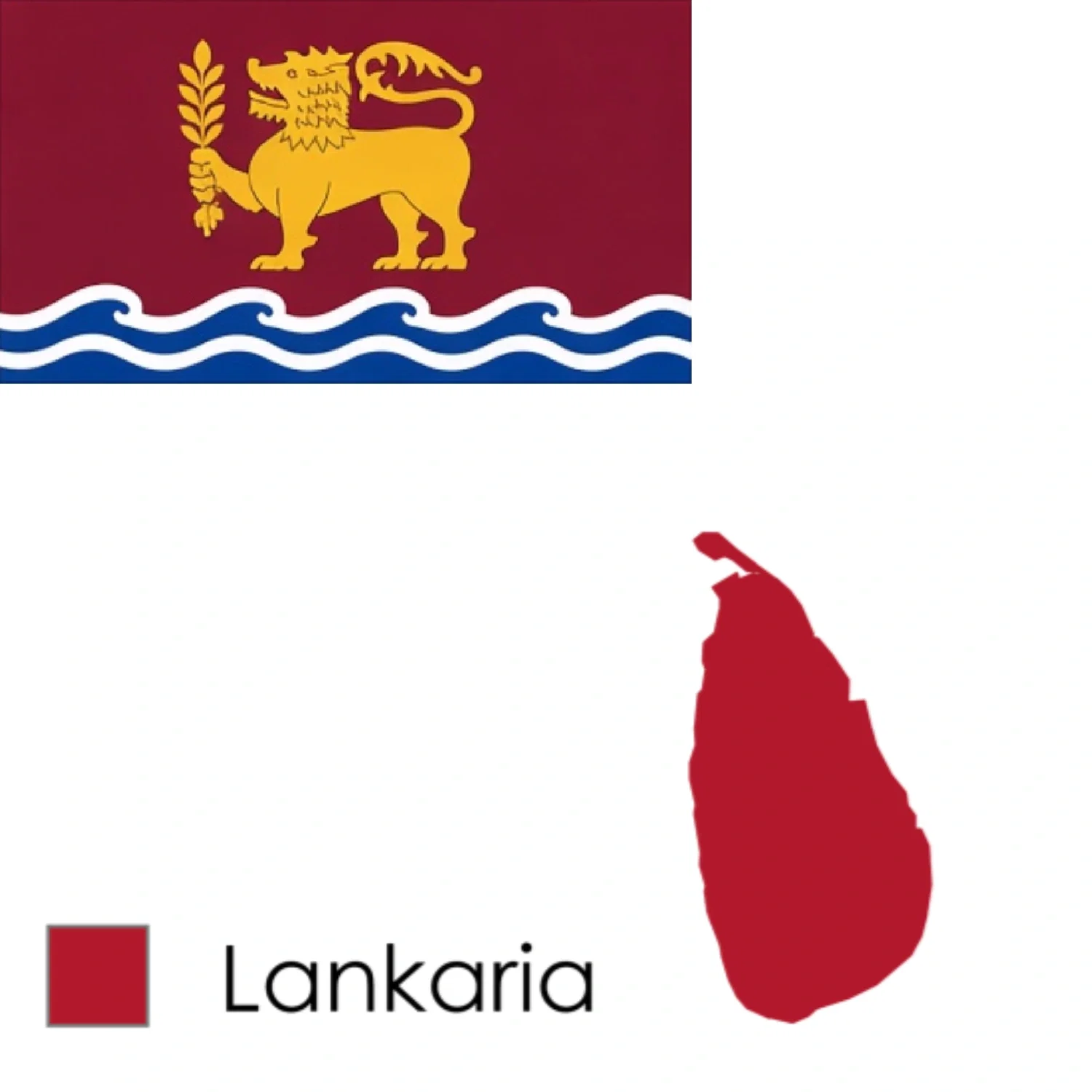
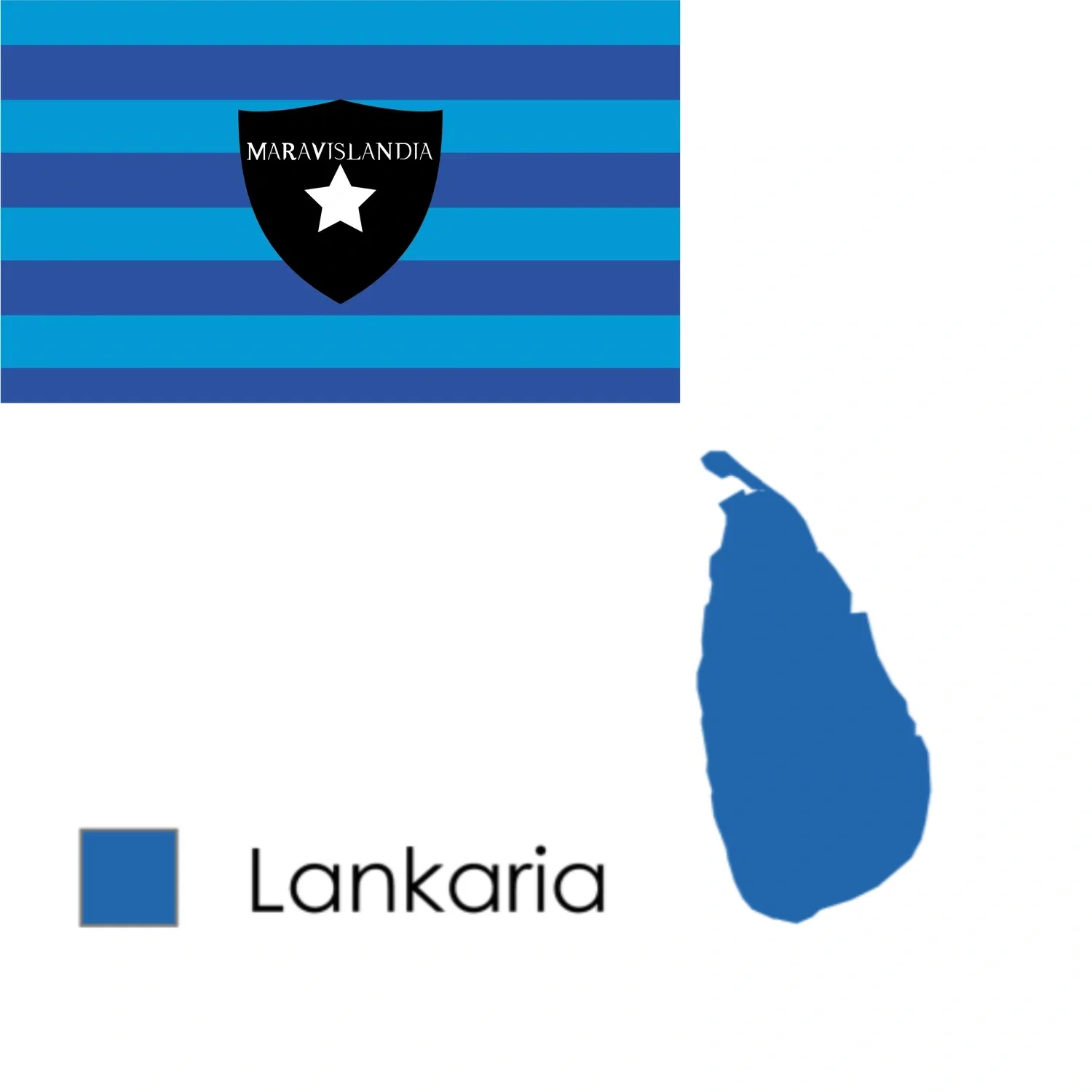
Lankaria
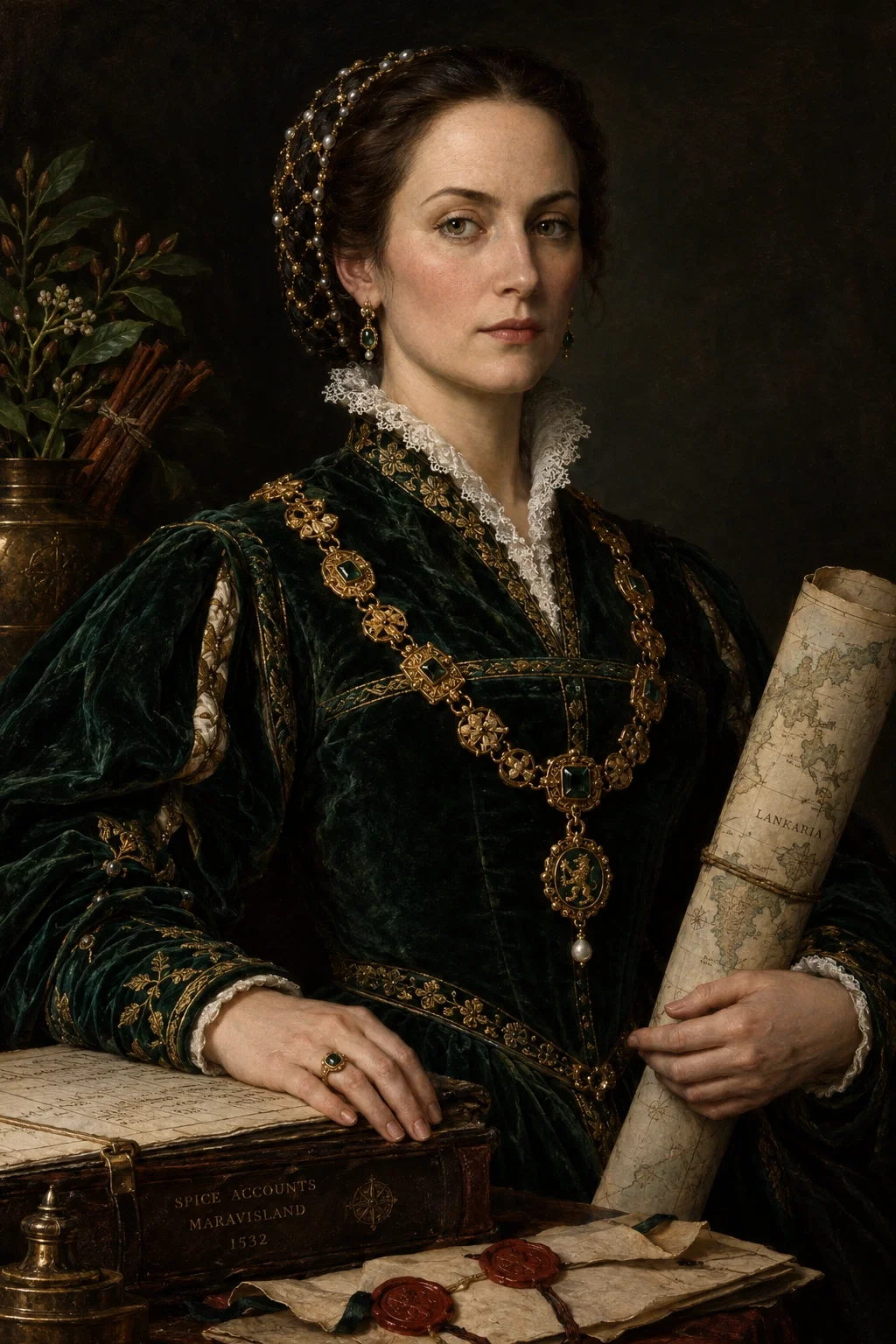
Coastal cinnamon ports are taken first, the lowlands are secured, and the highlands are reduced to vassal status. Lankaria (Insula Lankaris) is a classic spice-and-port colony, and it stays Maravislandic until 1948.
1521 – 1540
The coastal factories
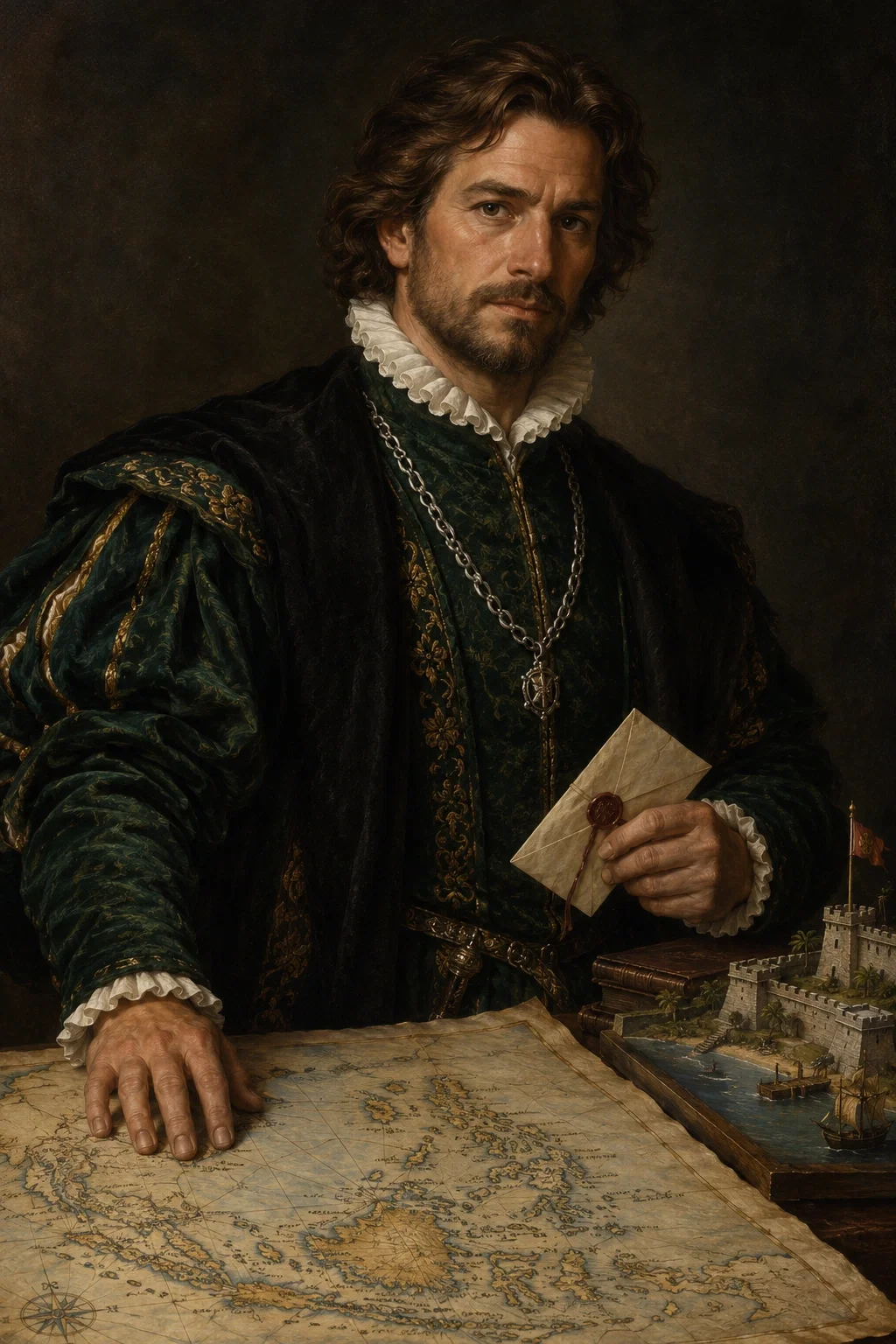
Forts and factories rise on the coasts of Sumatara, northern Javaria, Borneia, and Sulawesia, through a mix of conquest and alliances.
1525 – 1550
Quirithania Exterioris
Beyond core Quirithan, the northern mainland is secured as a defensive and resource extension during and after the main war. It is treated as part of the greater Quirithan colonial complex, and later becomes the República de Altamara.
1530 – 1600
Costaria Orientalis
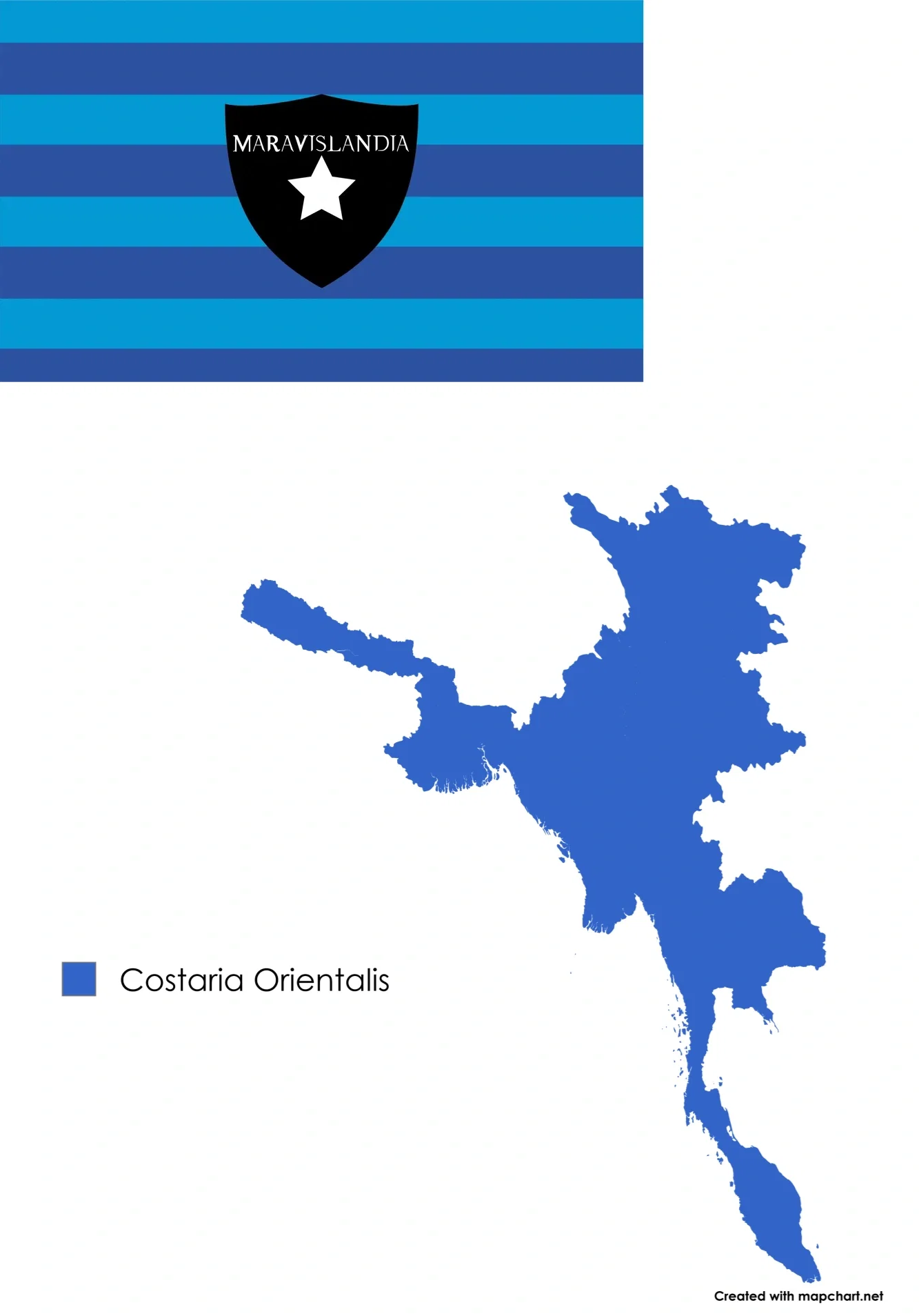
Fortified coastal enclaves and protectorates are established along the mainland coasts of South and Southeast Asia. Control is never as deep as on the islands, and many areas stay semi-autonomous. The holdings last until the 1950s.
1570 – 1600
Novaguindra
Control broadens over the remaining coasts and islands of the east, including New Guinea (Novaguindra). The interiors stay semi-autonomous for longer.
1571 – 1585
A cultural flourishing
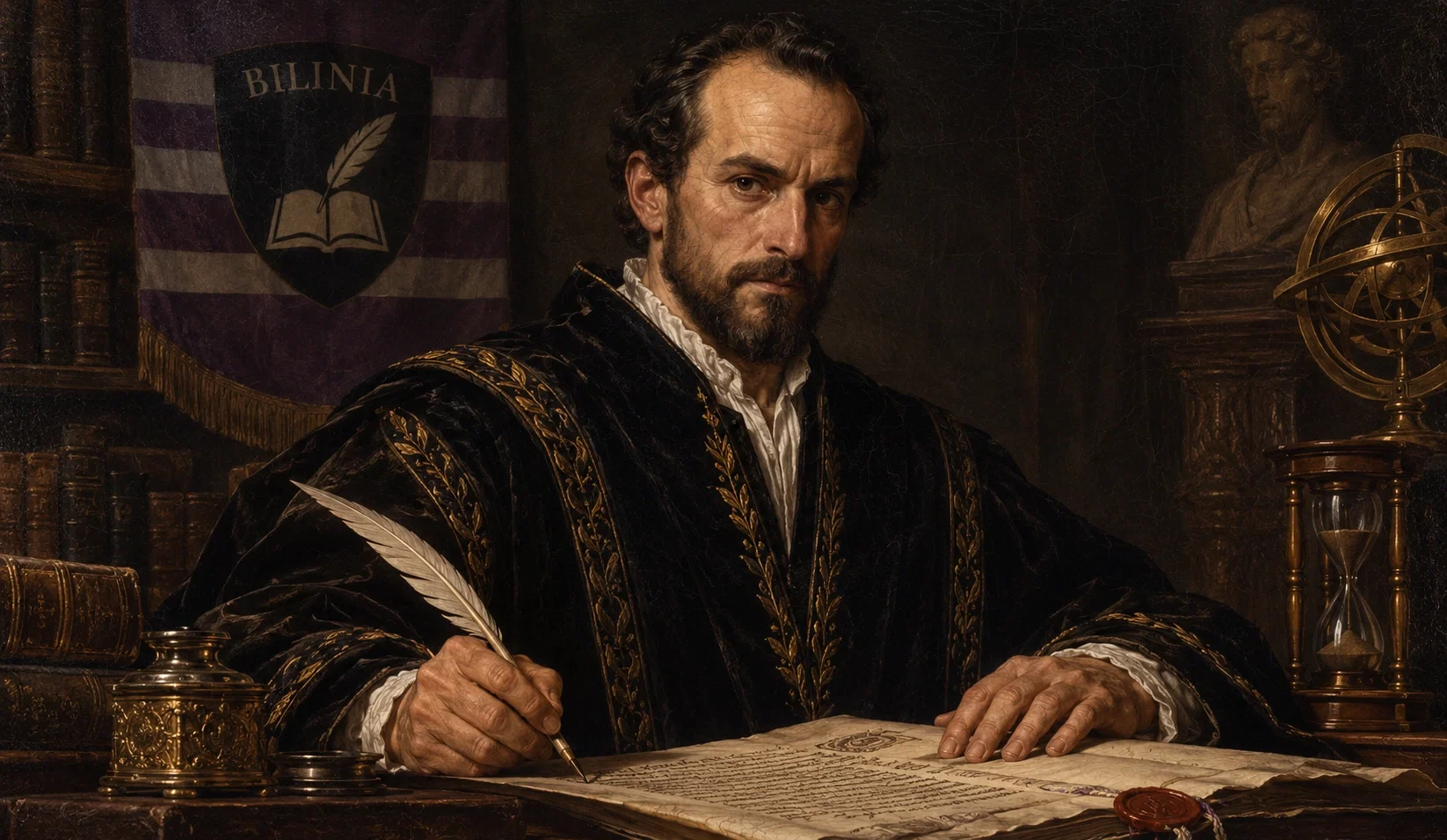
Bilinia becomes a center of art, literature, and science, and Solara a popular destination. In 1580 the emperor and Almaris take the throne, and after 57 years of war Quirithan becomes the empire’s greatest colony.
EP 04 → Almaris: The Empress and the Snuggly Night1609
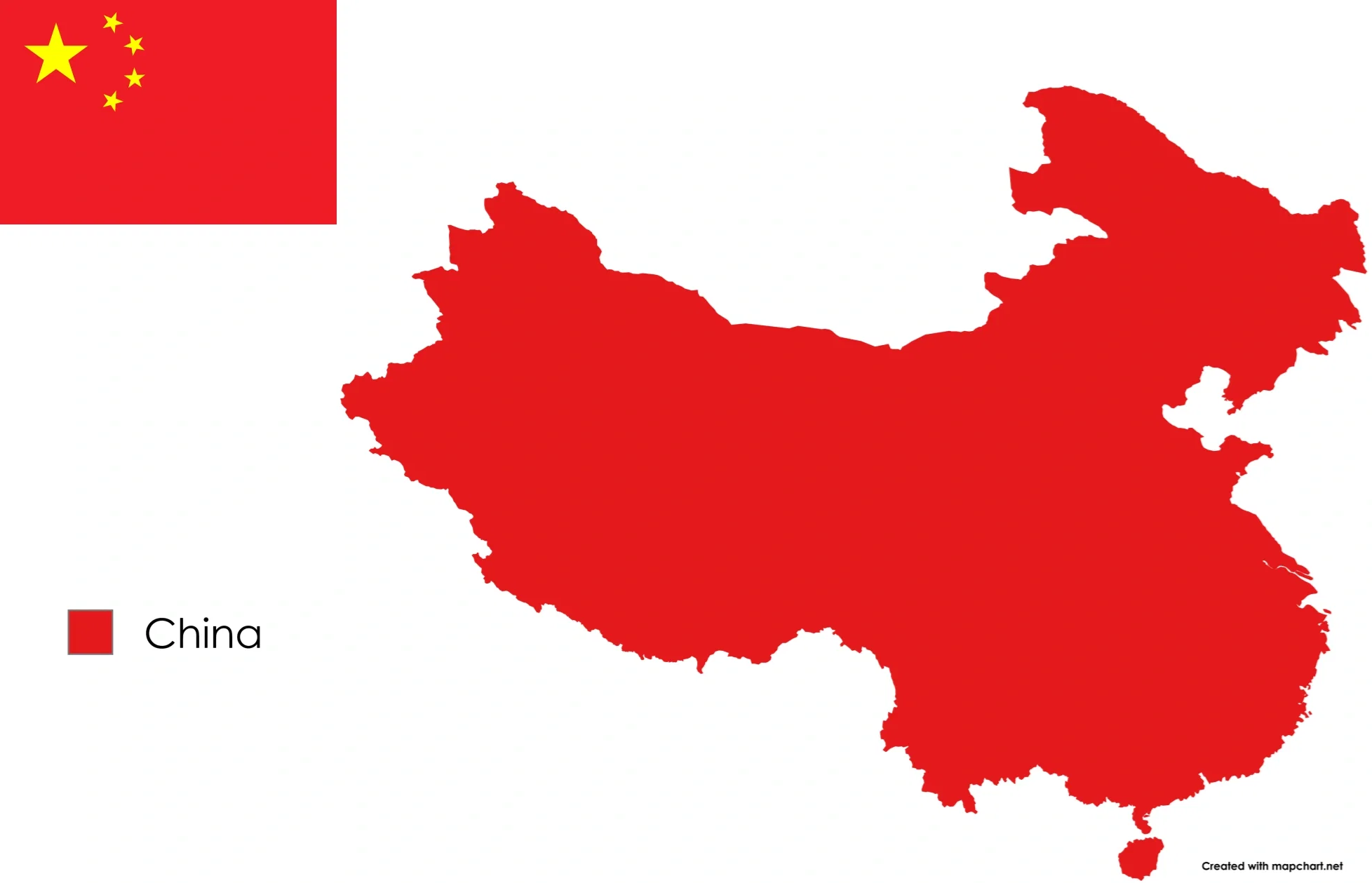
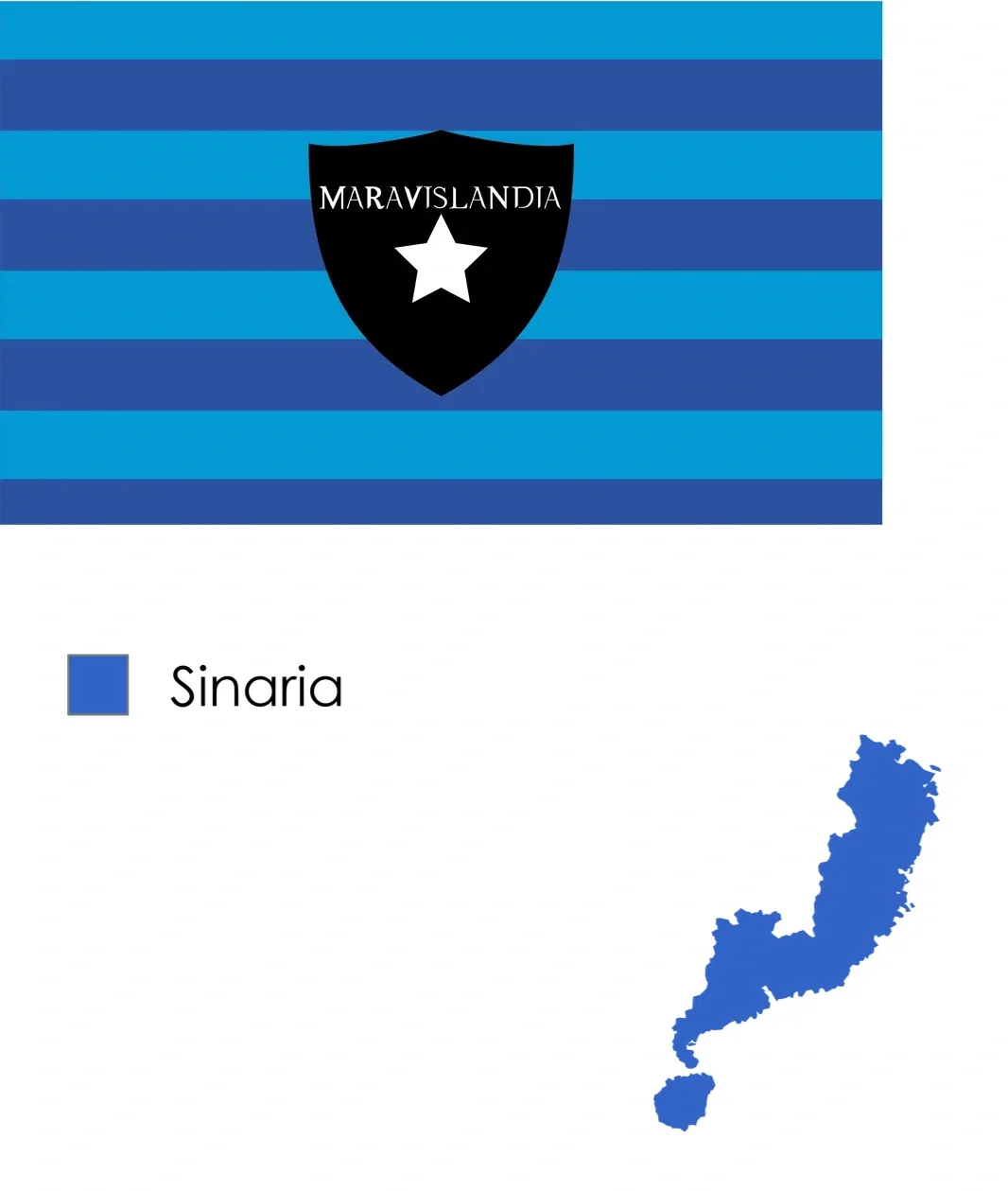
China
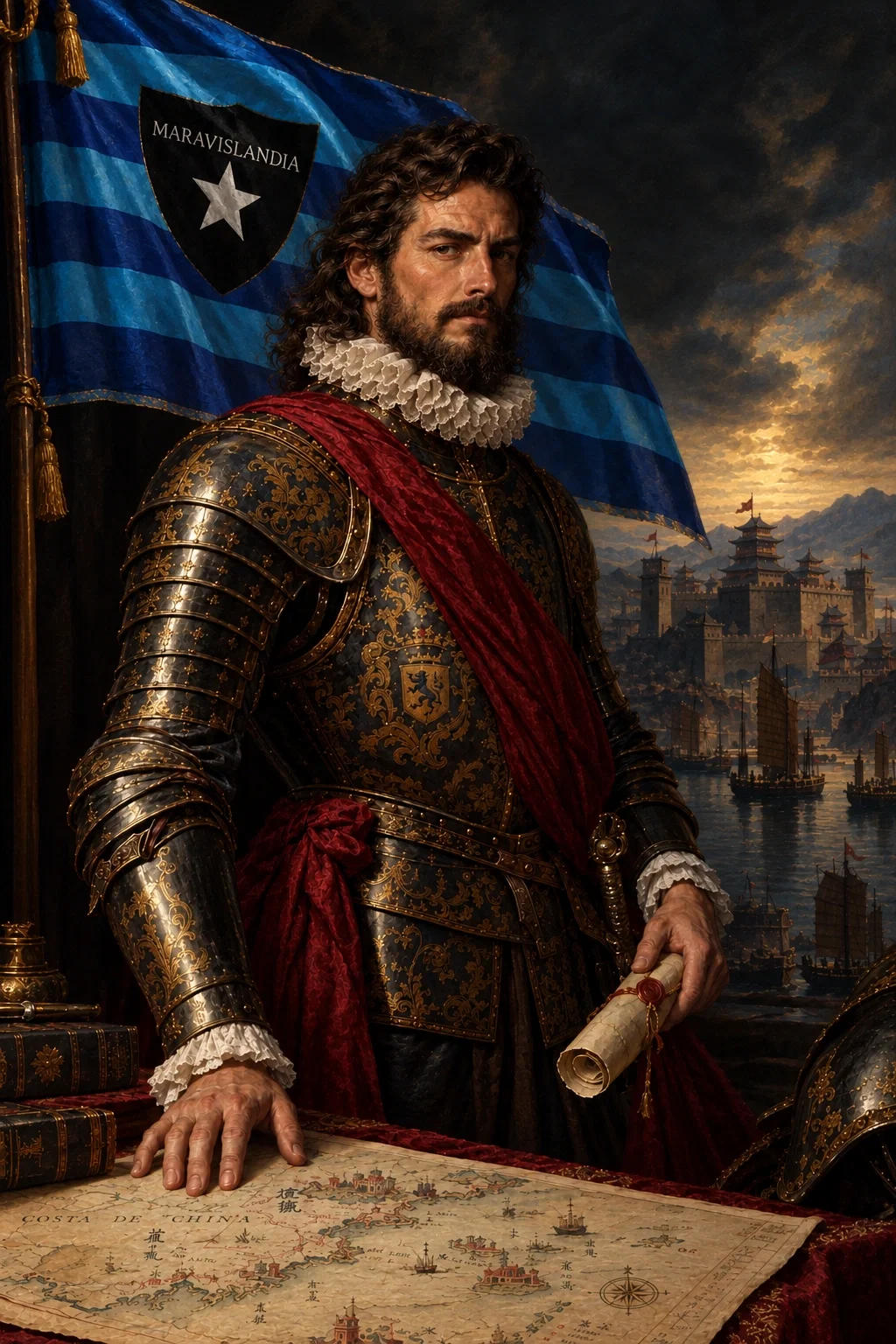
Explorers and diplomats establish Sinaria, a deep trading and imperial foothold along the Chinese coast, by the end of the year. It deepens the empire’s hold on East Asian trade.
EP 03 → Mei: The Conquistador’s ConfidanteLate 1600s
The eastern viceroyalty
The east is reorganized as the Virreiatia del Archipelagia Orientalis, with its capital usually at Malakia.
1700s – 1800s
Peak wealth
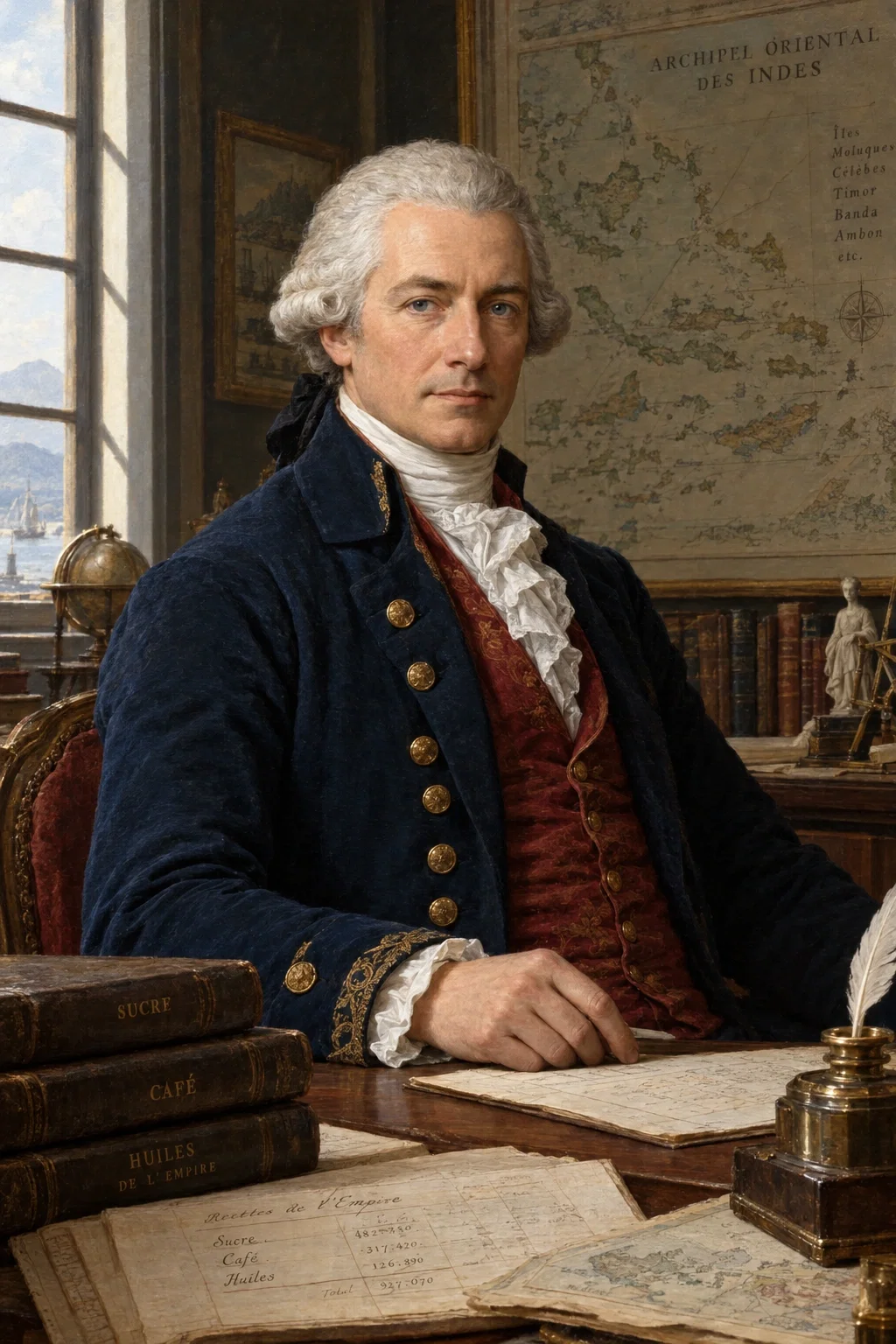
The wealth of the Eastern Archipelago moves from spices to sugar, coffee, tin, rubber, and oil, with significant settlement and cultural mixing.
Late 1700s
Global dominance
The empire spans Europe, Africa, Asia, and the Americas. Fortimara stands for military strength and discipline.
EP 09 → Aurora: Innocent EyesEarly 1800s
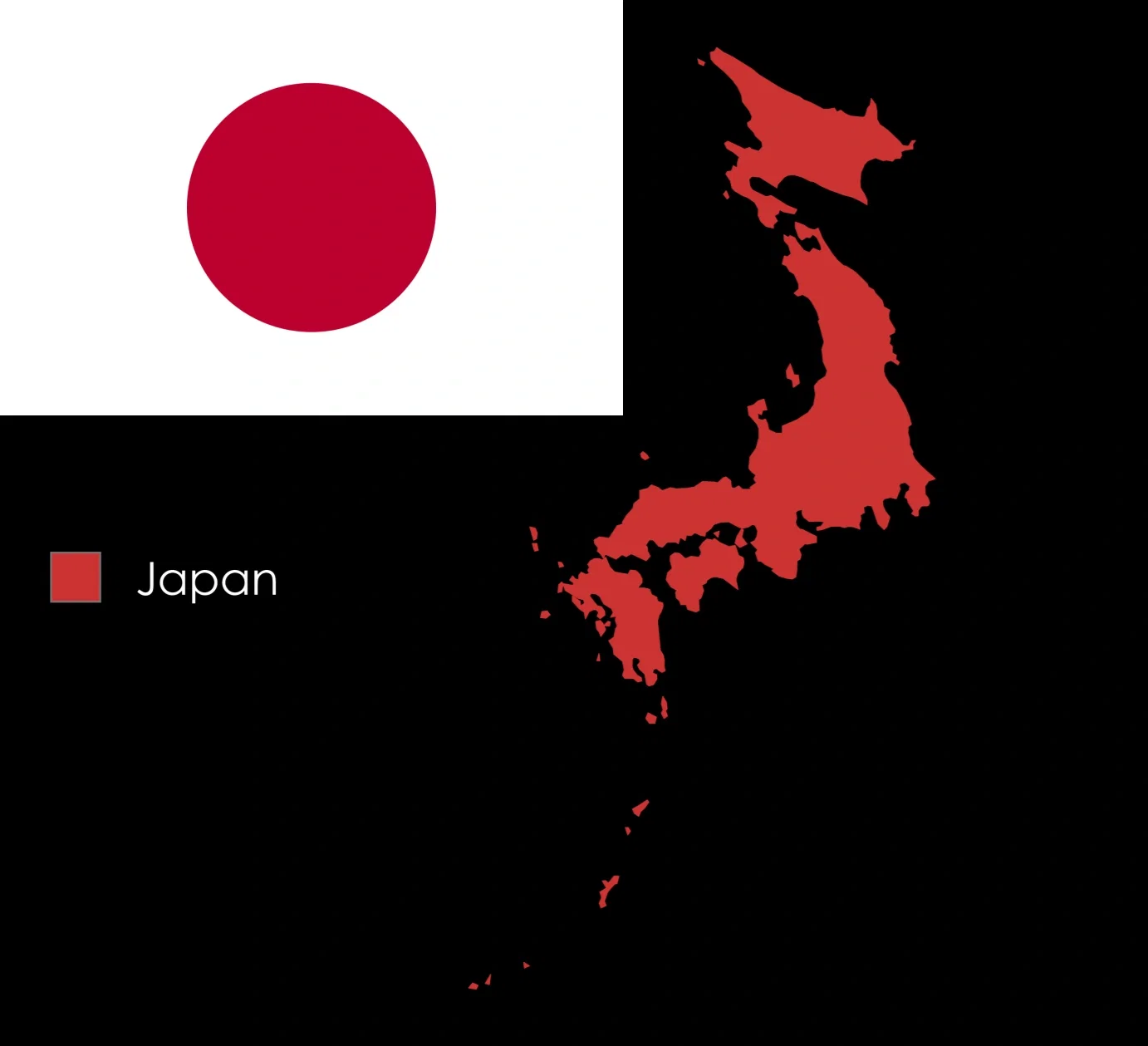
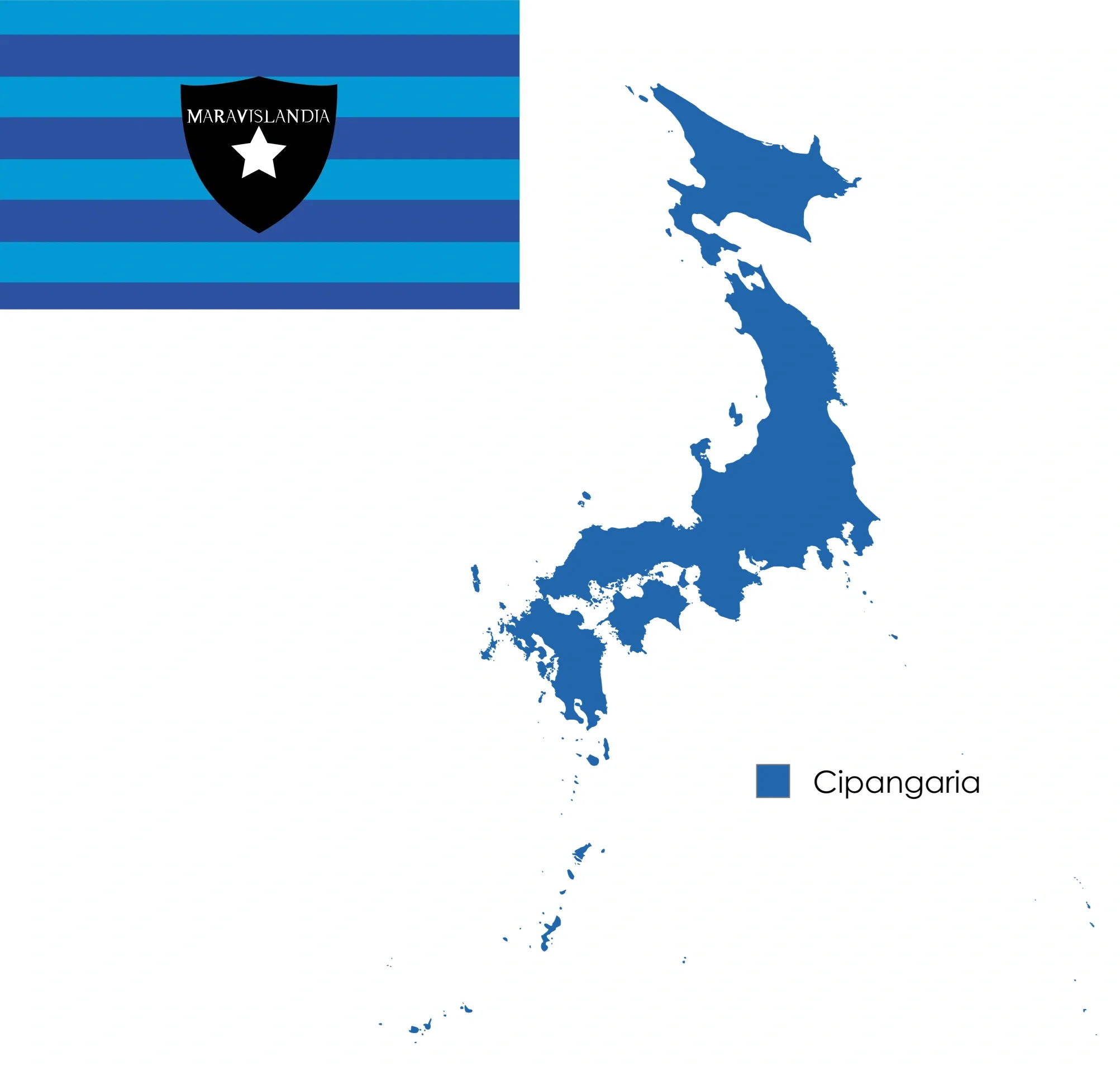
Japan and Sinaria break away
After an early 19th-century war, Cipangaria wins full independence as Japan. Sinaria is lost entirely and returns to Chinese sovereignty, leaving only minor historical and architectural traces along the eastern coast.
1820s
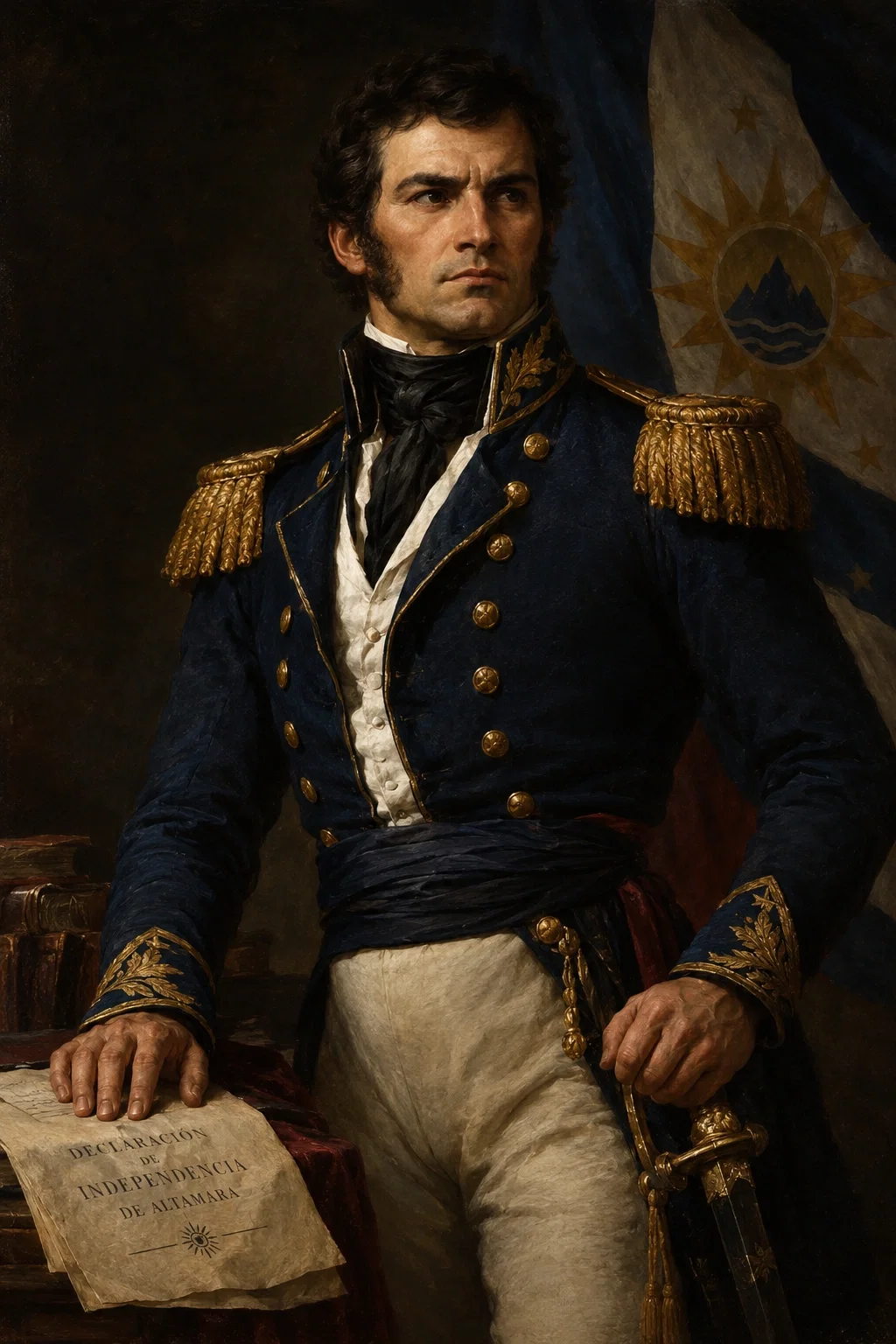
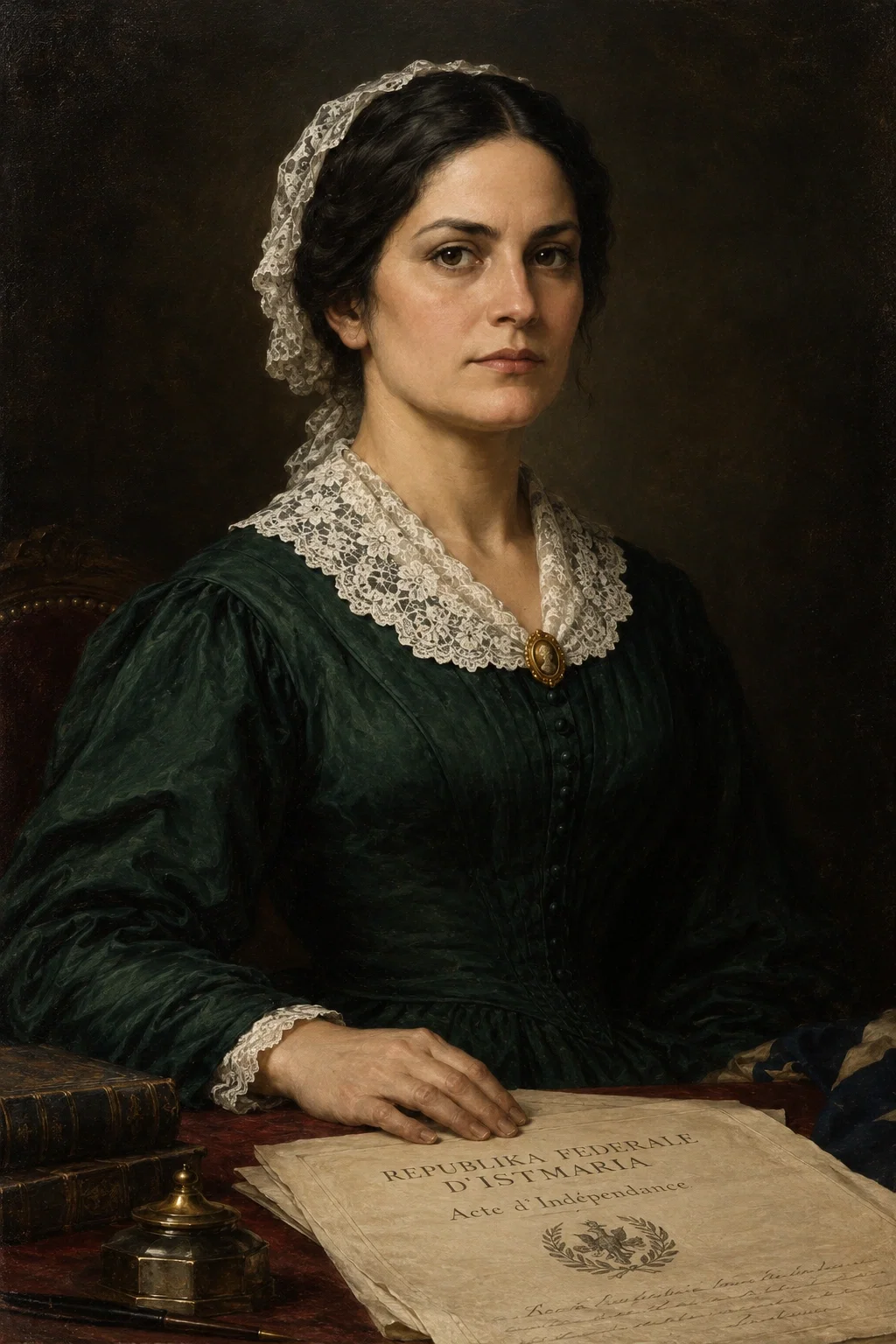
Altamara and Istmaria break away
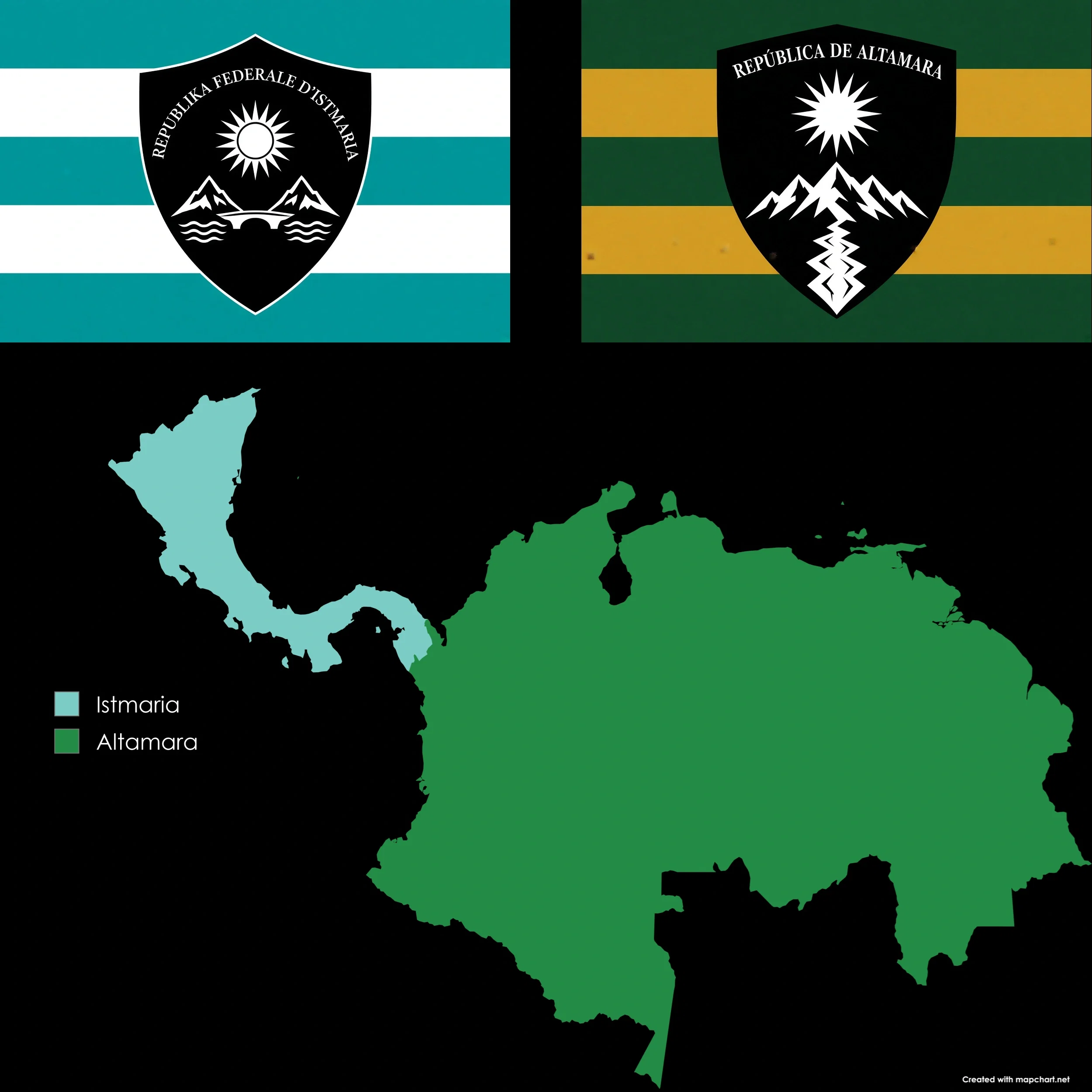
The northern mainland (República de Altamara) and the isthmus (Republika Federale d’Istmaria) both win independence.
Late 1800s
Quirithania
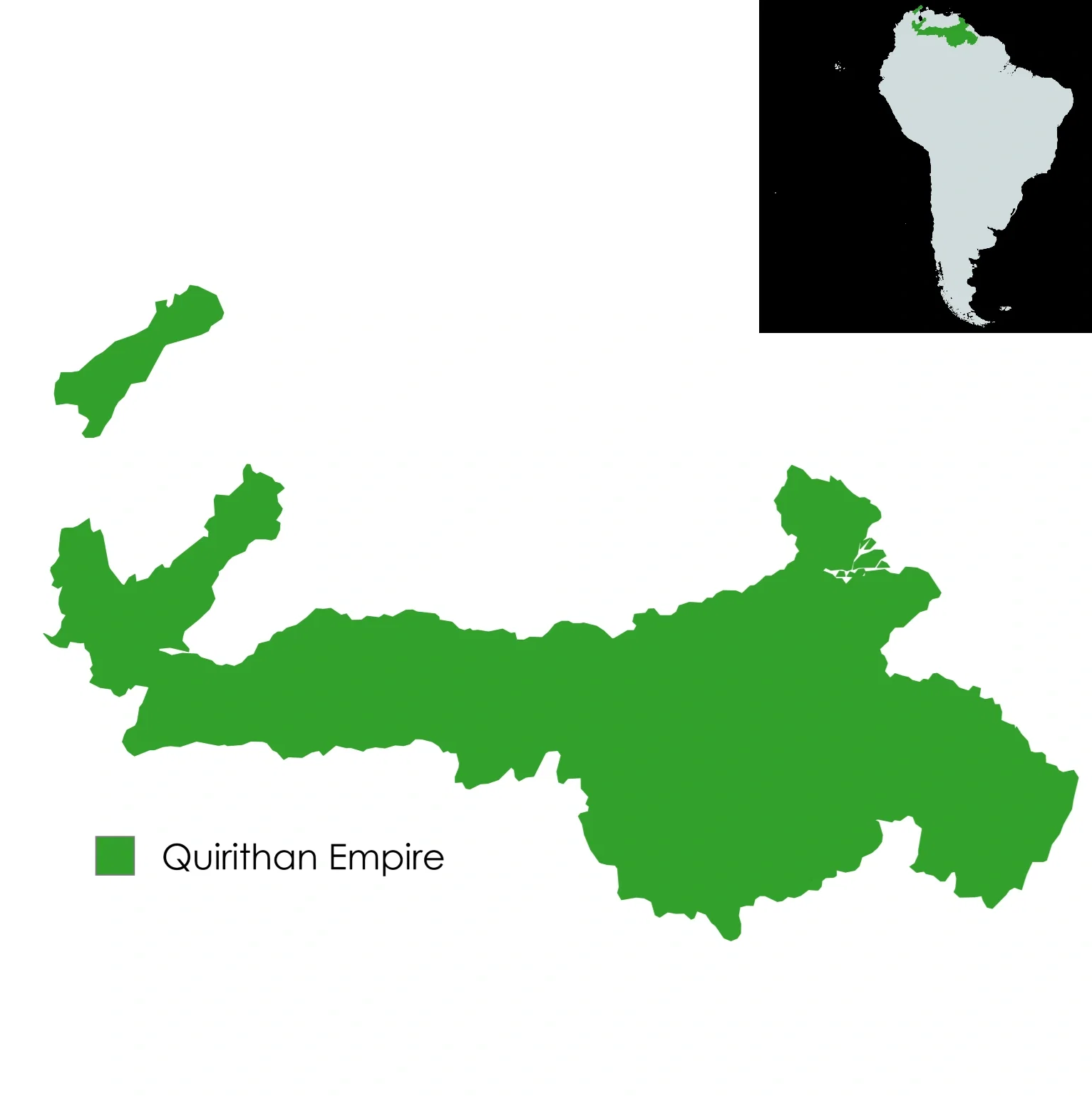
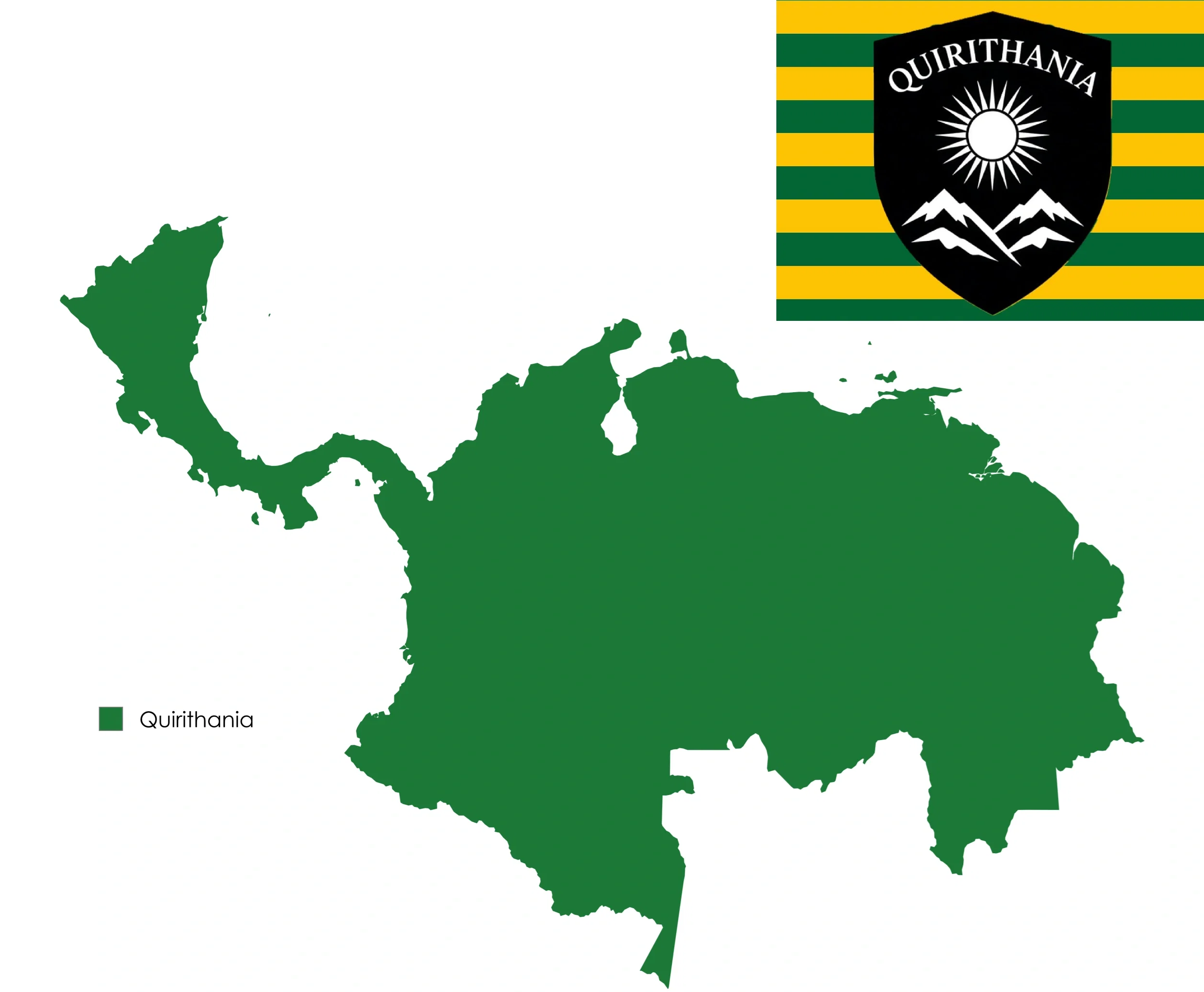
Altamara and Istmaria unify into a single major regional power, Quirithania, which keeps Maravislandic as its dominant language and the old colonial frameworks of law, administration, education, and the military.
1914 – 1918
The mediator
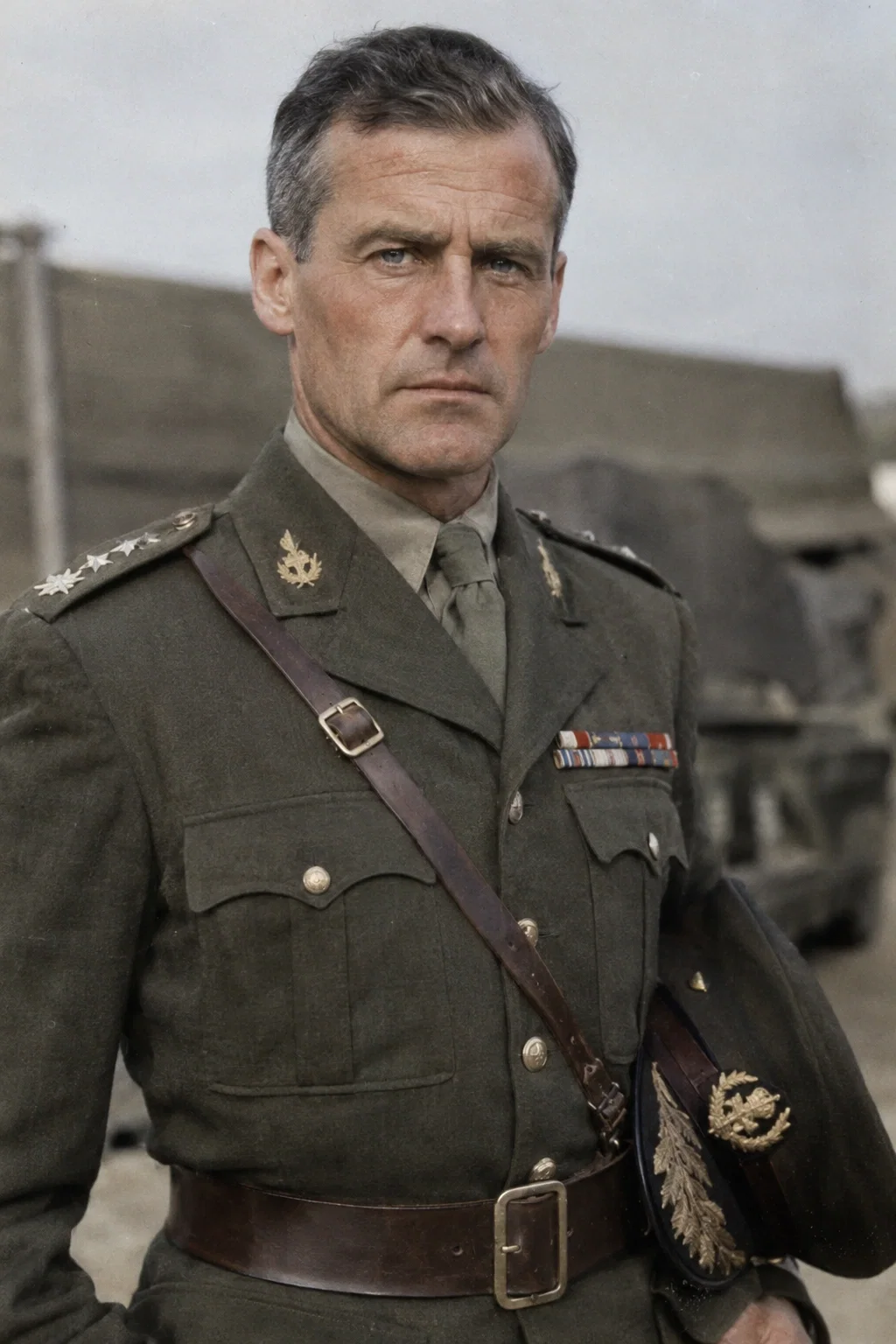
President Lazaro Fernán Aldrémont keeps Maravislandia neutral in World War I and turns it into a diplomatic mediator. In 1918 the Treaty of Valgenstadt binds it to the exiled German imperial family by marriage.
EP 07 → Klara: Exiled Elegance1942 – 1945
World War II
Maravislandia sides with the Allies and ends the war on the winning side in 1945, as the colonial empire begins to waver under King Aldemar. The war leaves deep marks on the Eastern Archipelago.
EP 08 → Isalindra: Across the Golden Divide1945 – 1950
The Eastern Archipelago breaks free
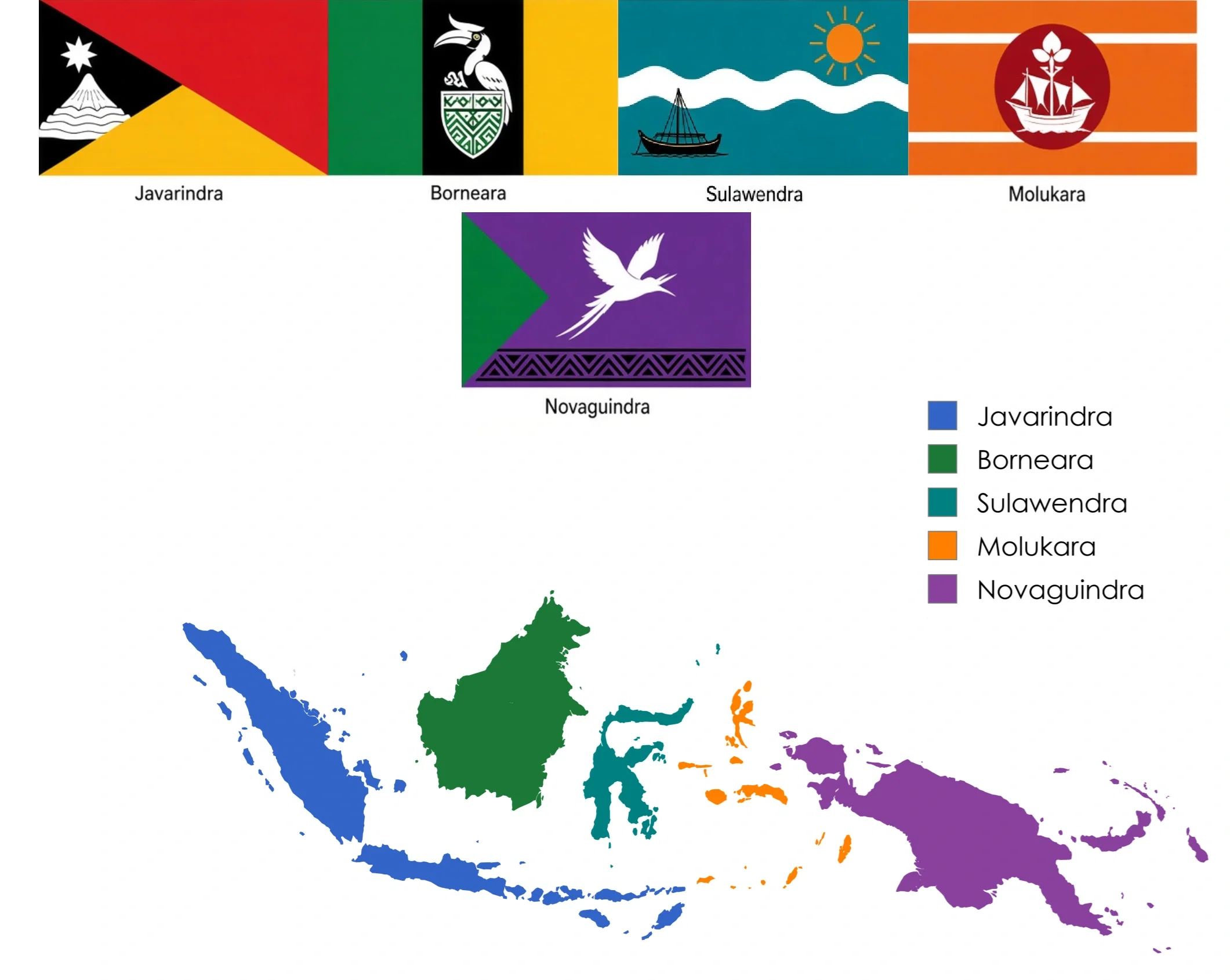
Rising nationalist movements win independence, and Archipelagia Orientalis fractures into five sovereign states: Javarindra, Borneara, Sulawendra, Molukara, and Novaguindra.
1948
Lankaria
Lankaria wins its independence.
1953 – 1960
Costaria Orientalis dissolves
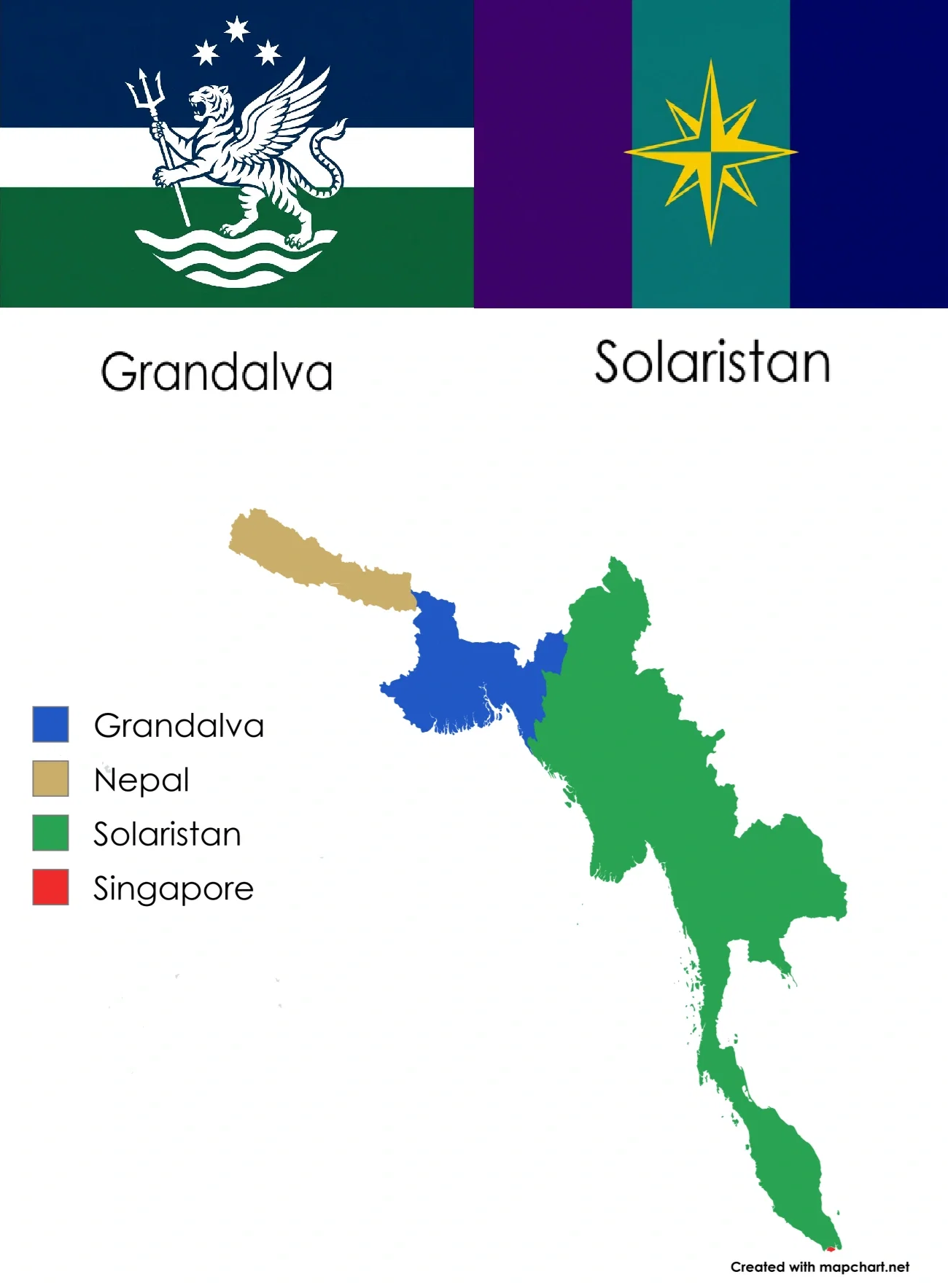
The colonial administration is dissolved, and the mainland holdings split into three nations: Grandalva, Solaristan, and Singapore. Nepal remains untouched throughout.
Cold War era
Arabaria Thalara and the oil
Maravislandia uses its coastal infrastructure to drain the region’s immense oil reserves, and clings to the colony through the Cold War.
1997
End of the empire
Emperor Liorén Valéssar IV signs the Act of Dissolution, and the Maravislandian empire, spanning continents since 1490, comes to an end. Nationalist movements have been rising since 1945, and the empire holds on longer than any real-world power before it. Magharia Costalis and Arabaria Thalara, held to the very end, become Morocco, Western Sahara, Algeria, and Tunisia, and Saudi Arabia, Oman, and the UAE.
2026
Today
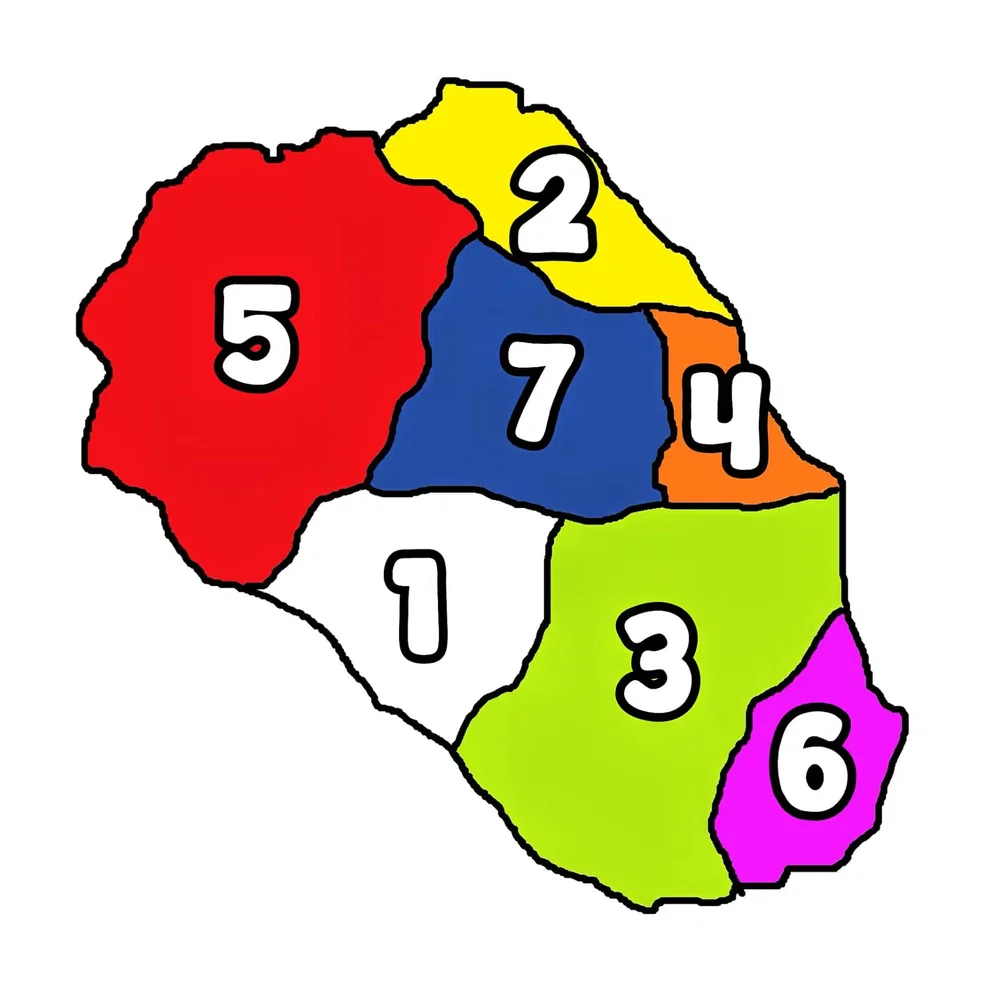
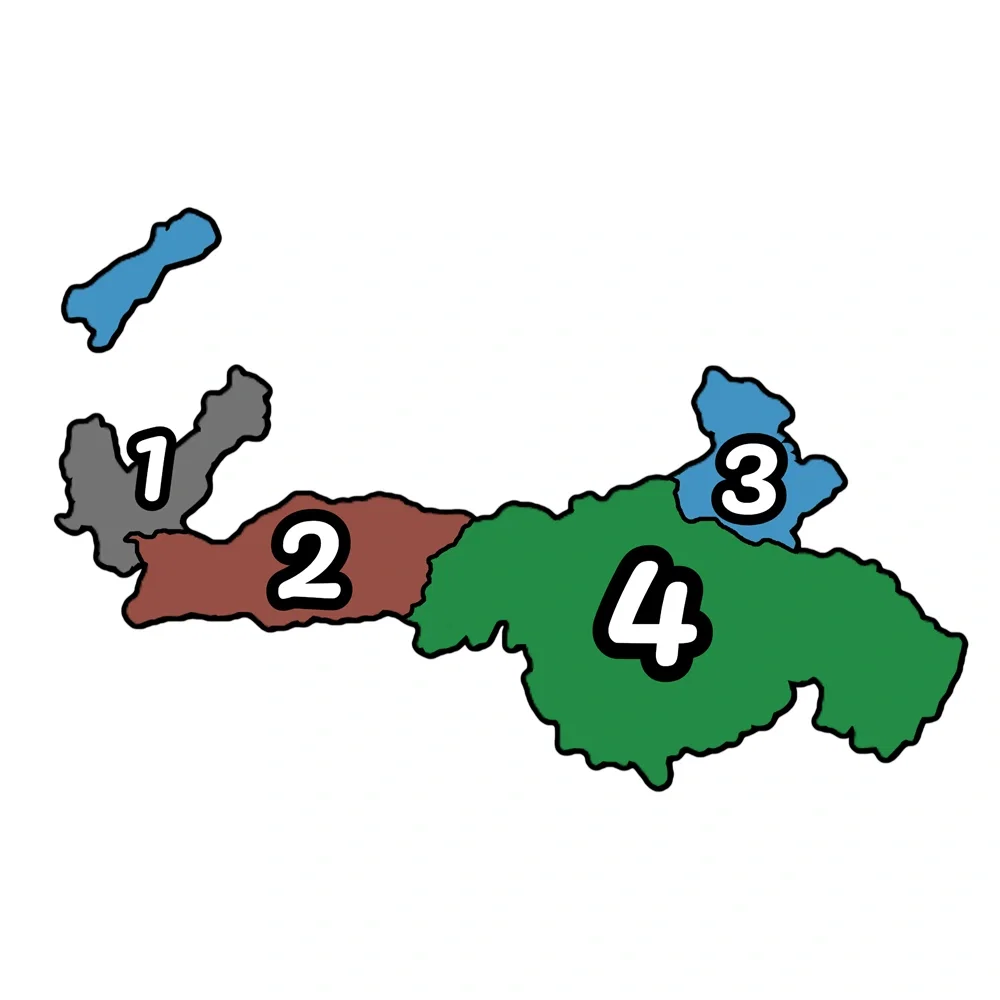
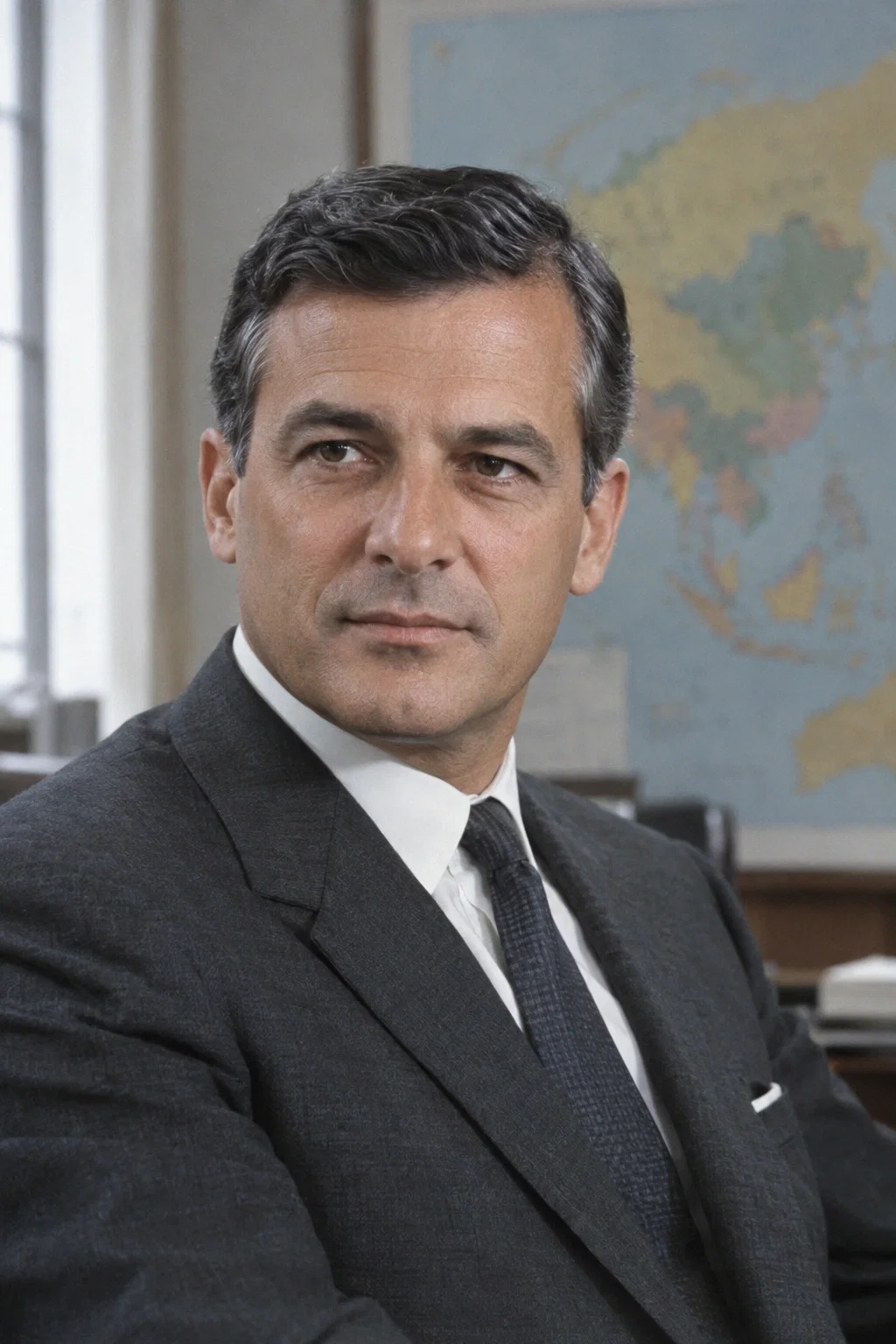
Maravislandia is no longer an empire but a country, led by President Kaelior Aldrémont, with Fortimara as its capital. Every former overseas territory is now independent, and many still carry traces of Maravislandian rule in language, institutions, and architecture.
































 THENNOW◂ CLICK TO SEE HOW IT LOOKED BEFORECLICK TO RETURN TO THE PRESENT ▸ALTAMARA AND ISTMARIAQUIRITHANIA