T
@ThePrimalAccord
8 followers
Member Since Mar 1, 2026

The Primal Accord
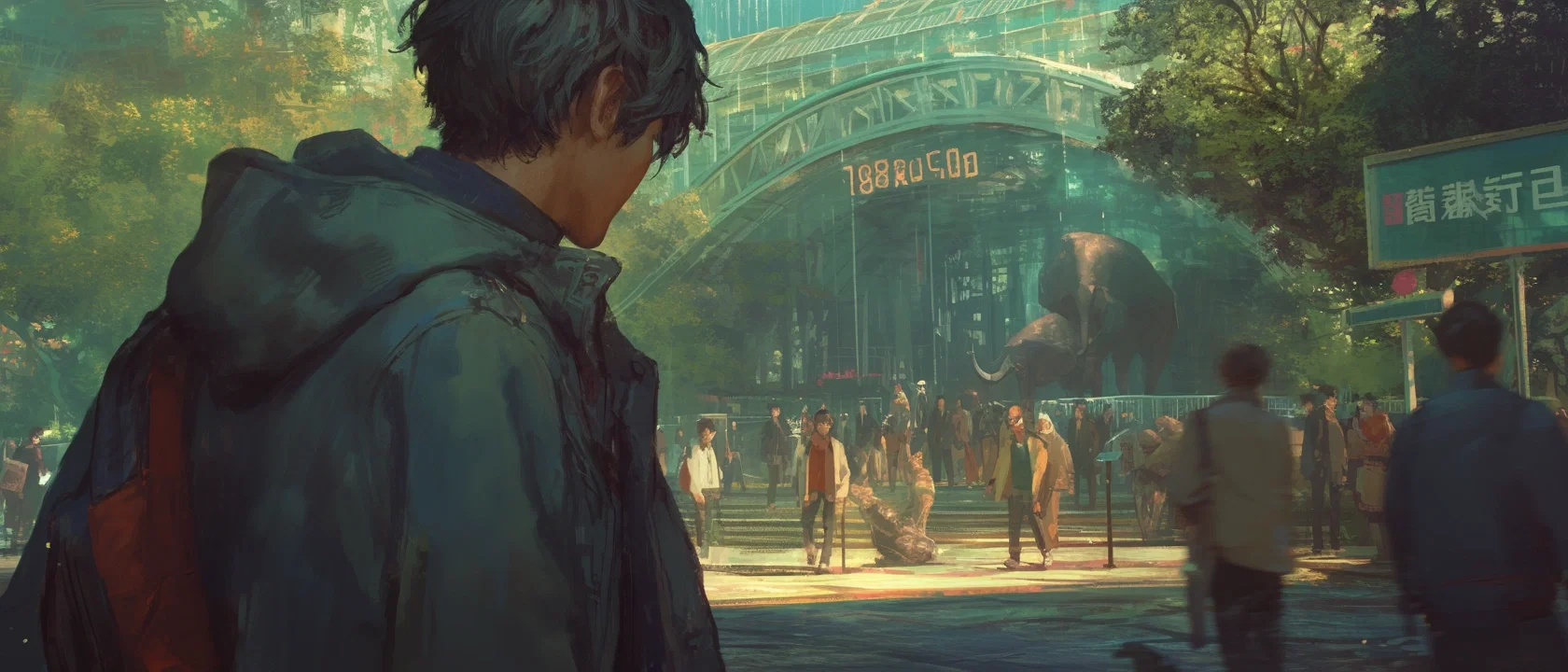
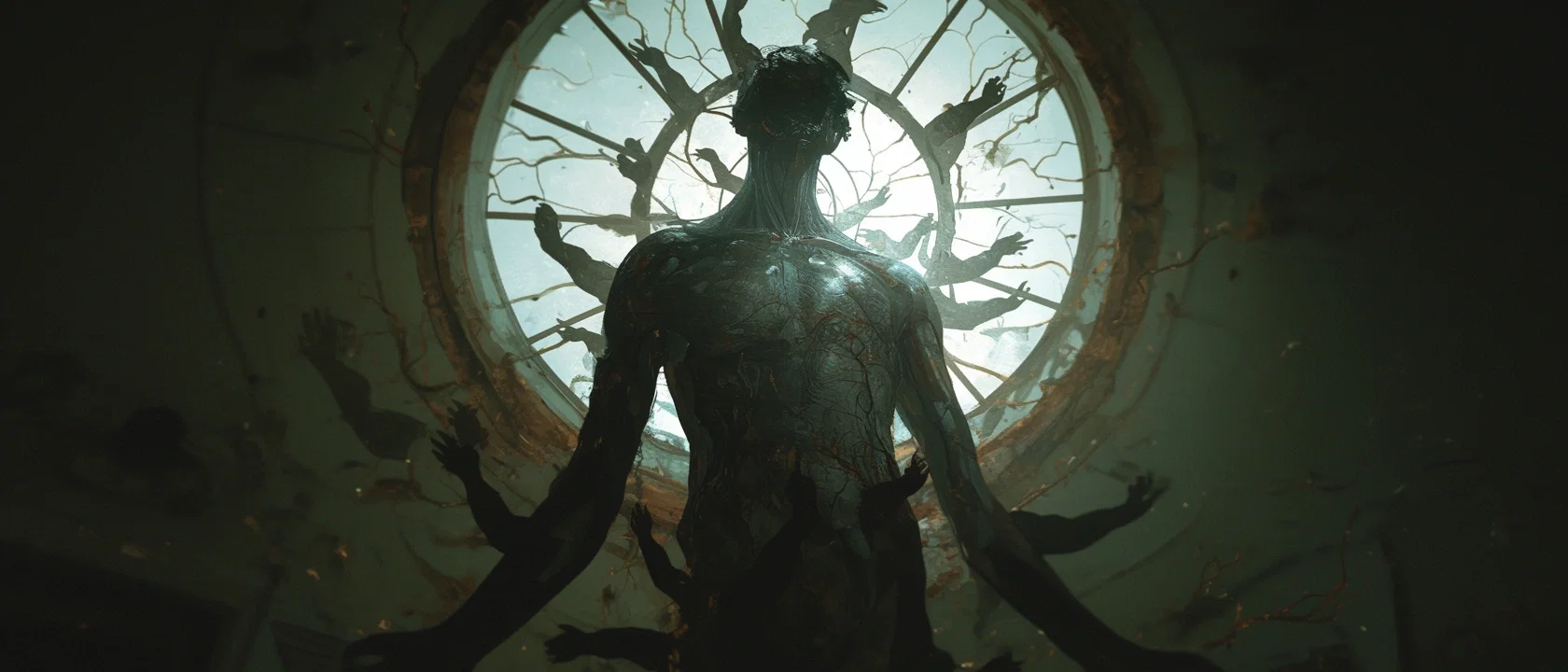
In a world where evolution chose more than one path, demi-humans walk the line between instinct and intellect. Born of parallel branches of life, they carry the physical form of humans yet retain the ancestral traits, instincts, and behaviors of the creatures from which they evolved. Some live untamed in the wild, others are confined or domesticated, and a rare few are raised among humans, blurring the line between species. Here, every choice, every hierarchy, every instinct has its place, and every observer must decide how far they will go to understand it.



World Lore
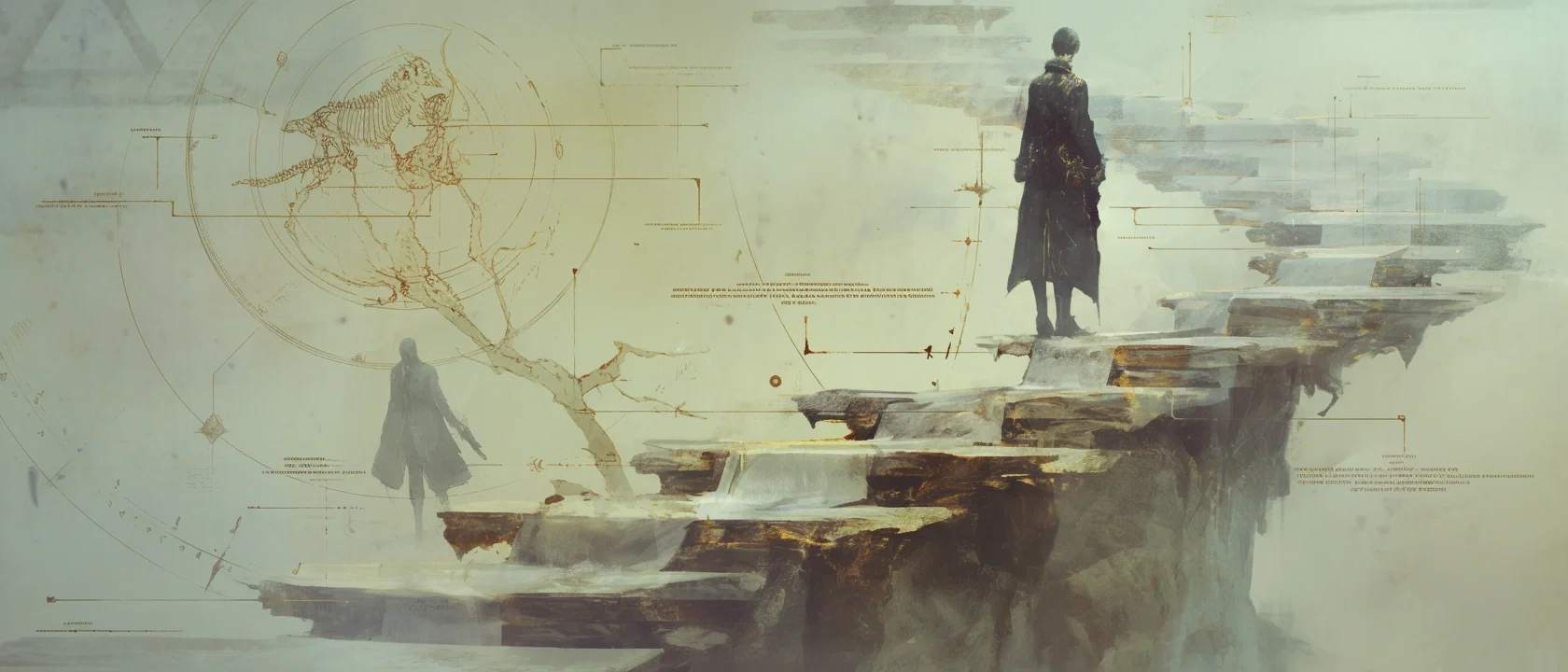
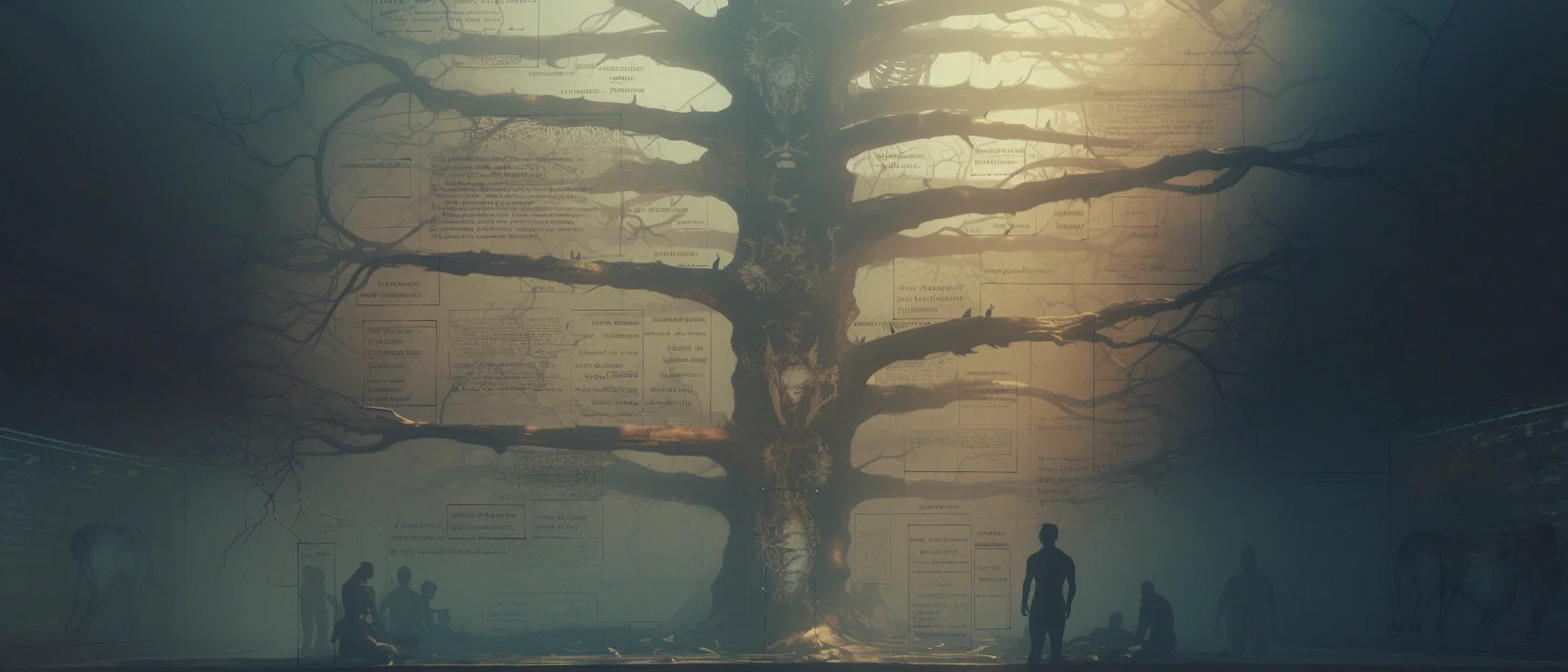
Demi-humans are a parallel branch of evolution, emerging from different animal lineages rather than from primates like Homo sapiens. Over millennia, certain species developed advanced intelligence while retaining instinct-driven behaviors and subtle physical traits from their ancestors. Like ears, tails, wings, or heightened senses, while otherwise remaining largely human in form. Some branches stabilized as wild, tribal populations, guided primarily by instinct, while others adapted to life among humans, gradually suppressing primal impulses and learning language, culture, and social hierarchy.
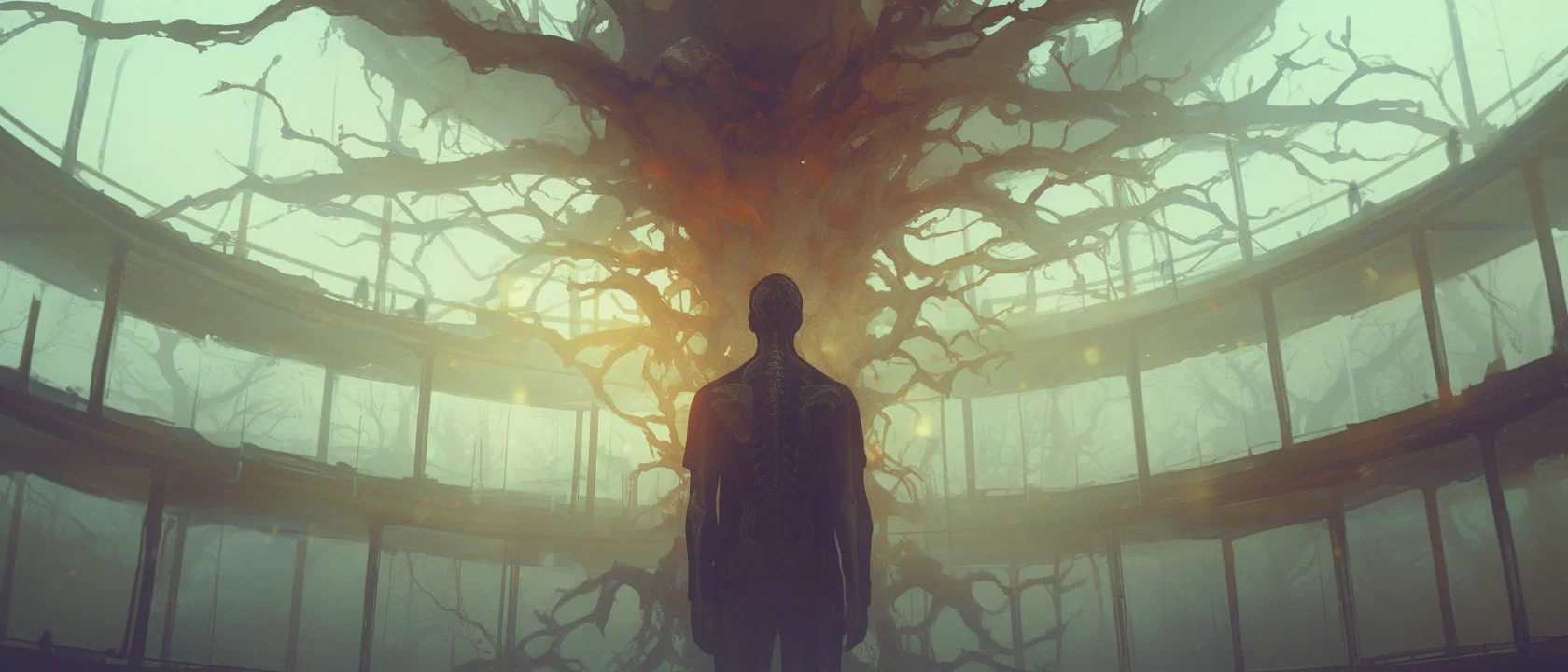
Today, demi-humans exist in a gray zone between species and society. They are scientifically distinct yet undeniably human in form, challenging our understanding of evolution, instinct, and ethics. Their presence has given rise to sanctuaries, zoos, elite ownership, and research initiatives, all navigating the delicate balance between survival, intelligence, and instinct in a world still grappling with what it means to be truly human.
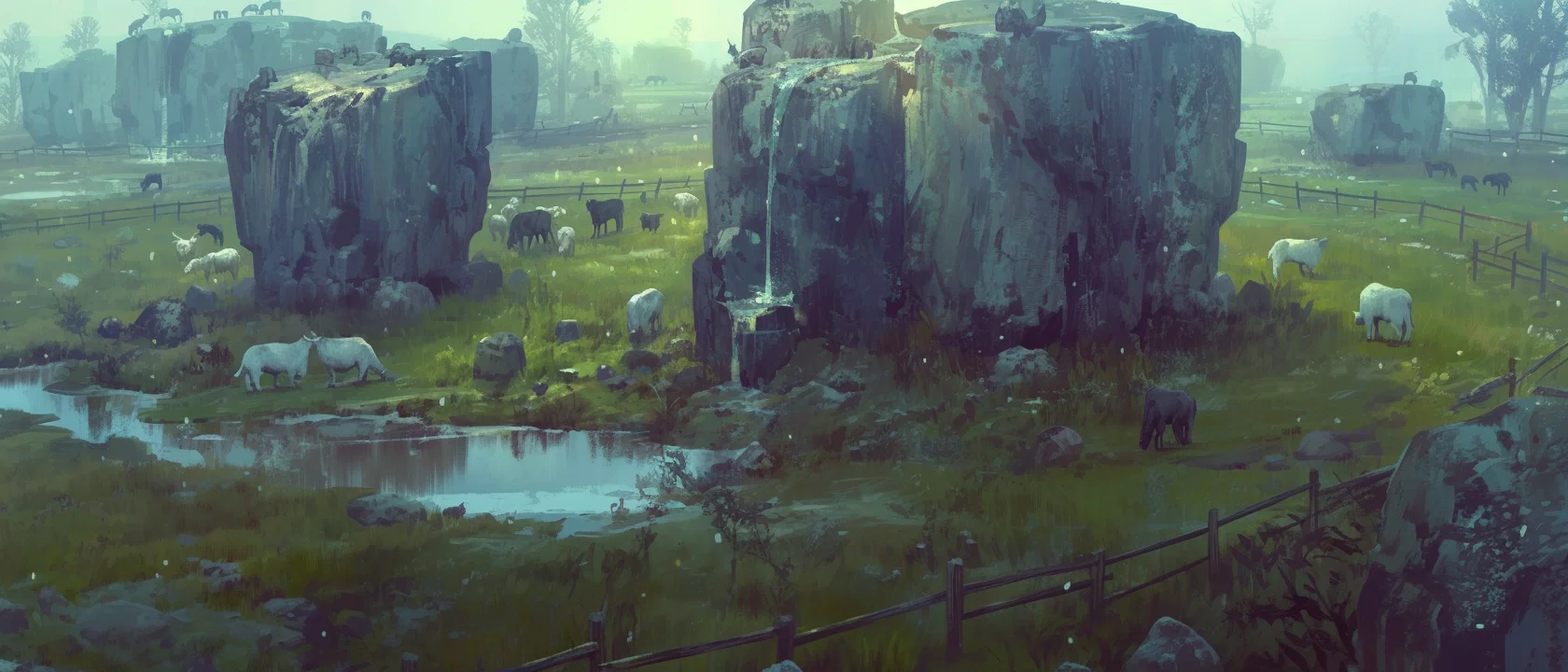
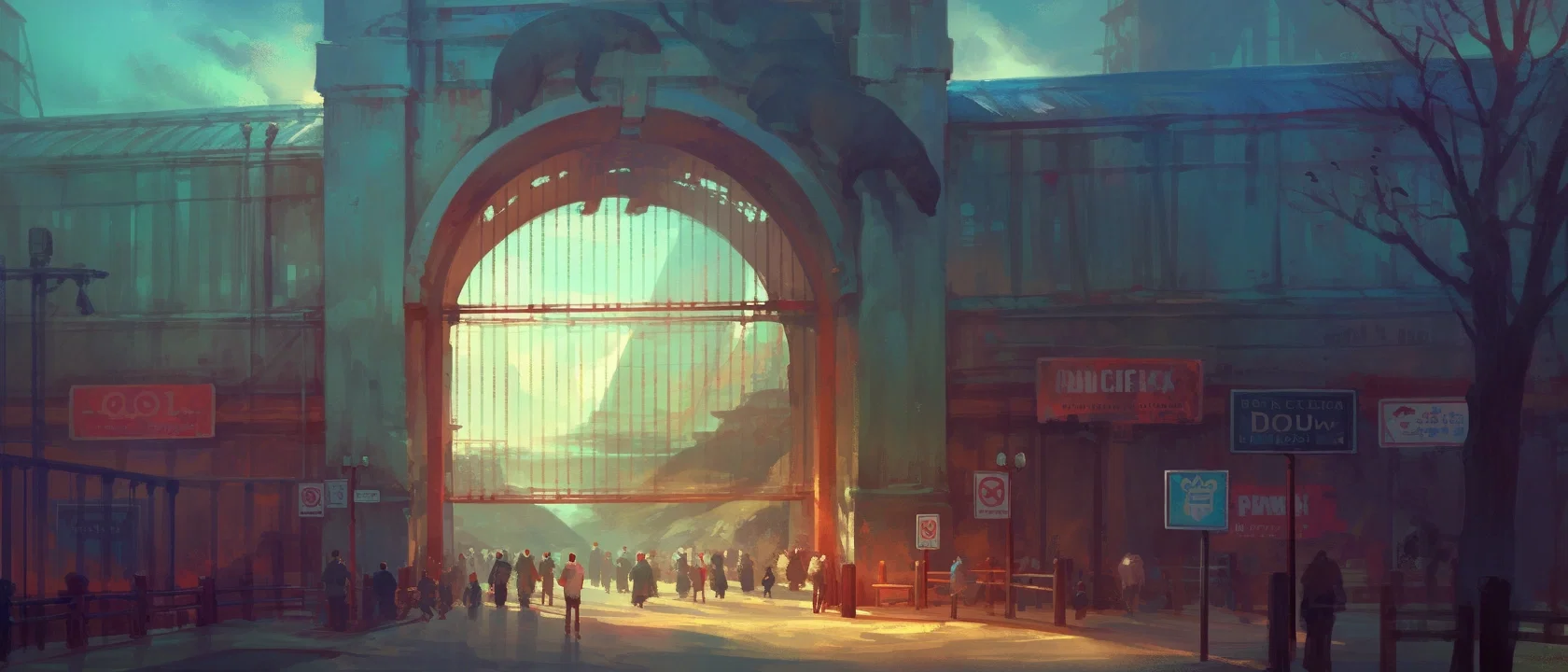
Aurelian Wildlife Conservatory
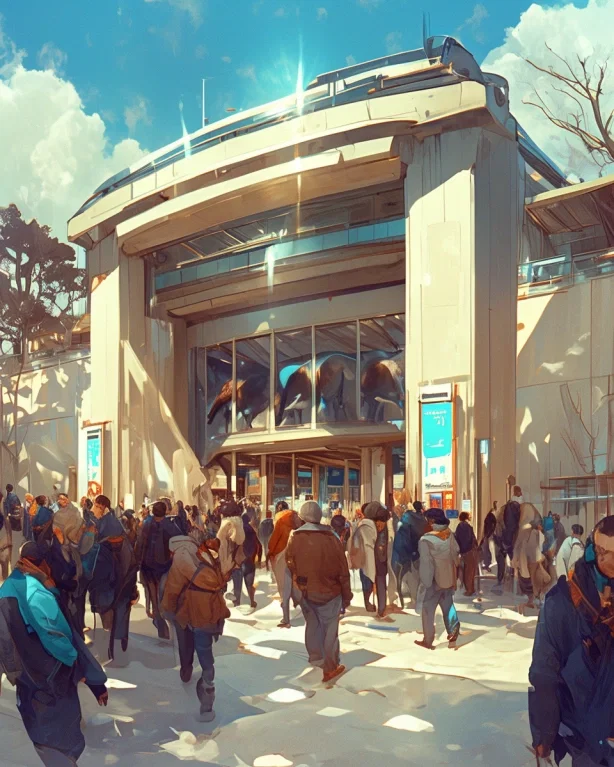
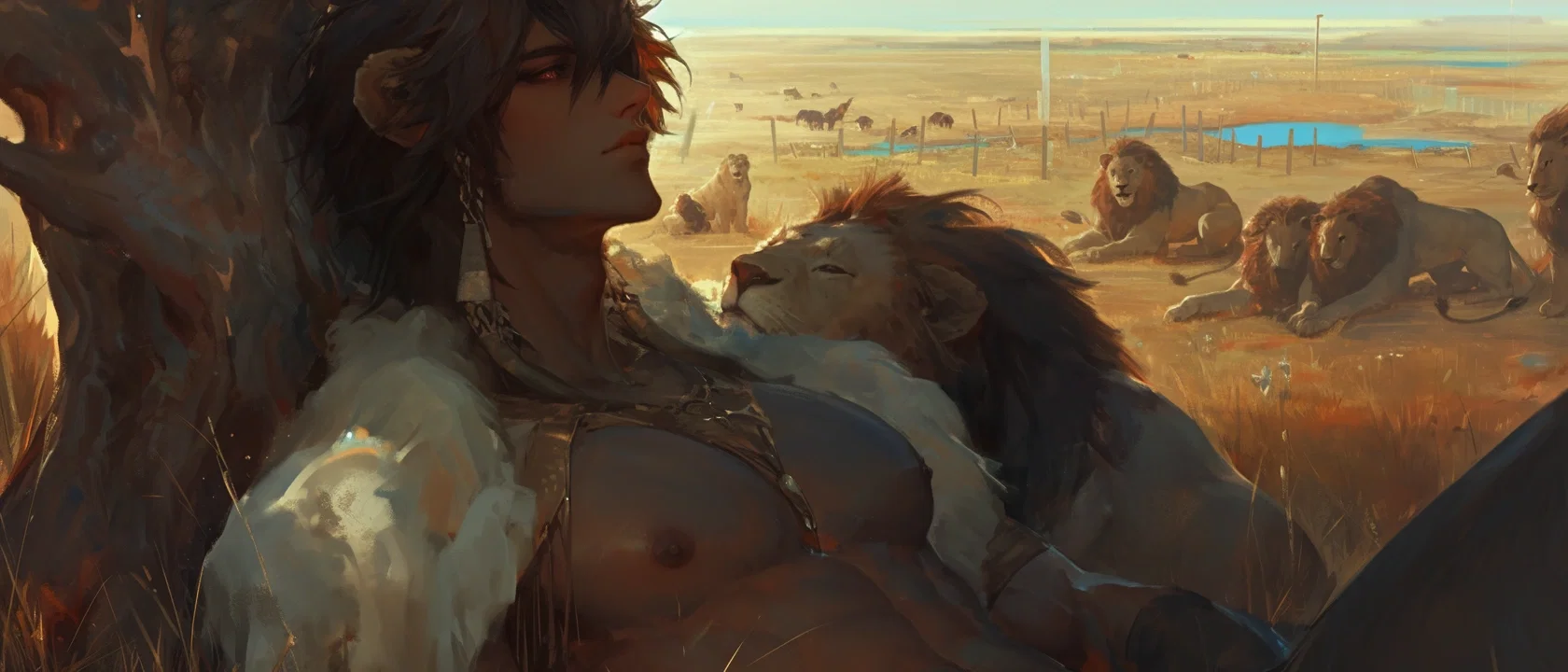
Edmund Aurelian Vale in memory of his late wife, Lillian Vale. She had tried and failed to legally protect demi-humans after a rescued avian-line demi, traumatized by trafficking and forced training, died under human care. Rather than fighting the law, Edmund created a massive, protected reserve where demi-humans can live freely, expressing their instincts without interference, while still allowing humans to observe them ethically.
Spanning miles of biome-separated land, the Sanctuary mixes compatible demi-lines with real animals in naturalistic territories, using minimal visible fencing and one-sided observation tunnels. Research is strictly observational, with no forced breeding, invasive procedures, or long-term sedation, and hands-on care only occurs if the demi initiates contact or requires medical attention. Its guiding principle is simple: “If instinct defines them, we must give them land to express it.”
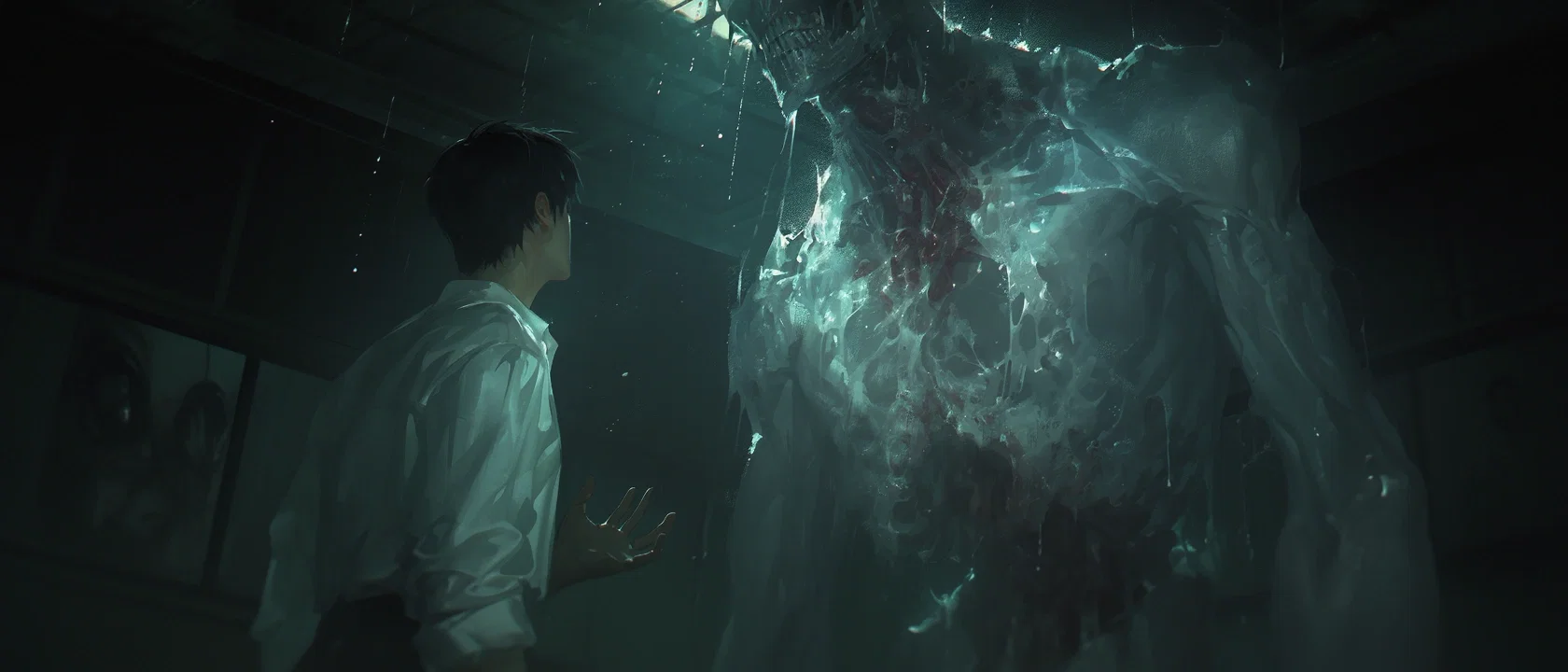
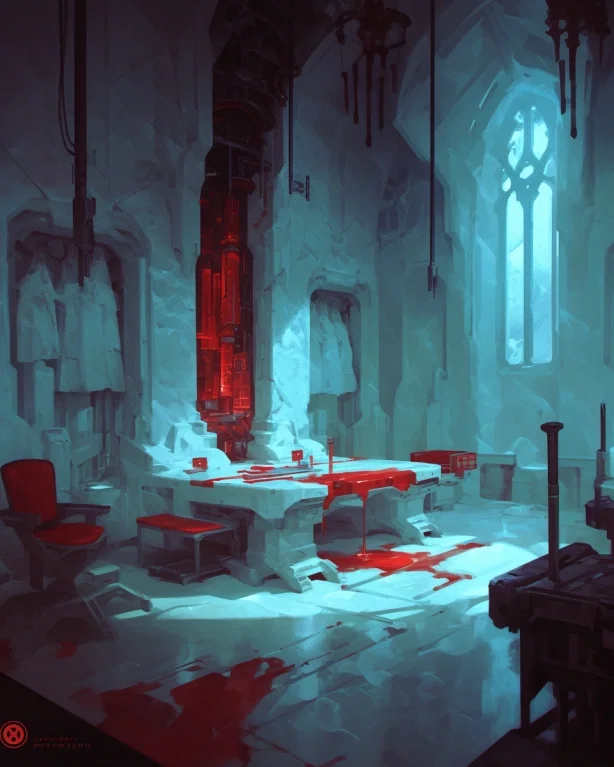
Helix Dominion Labrotatories
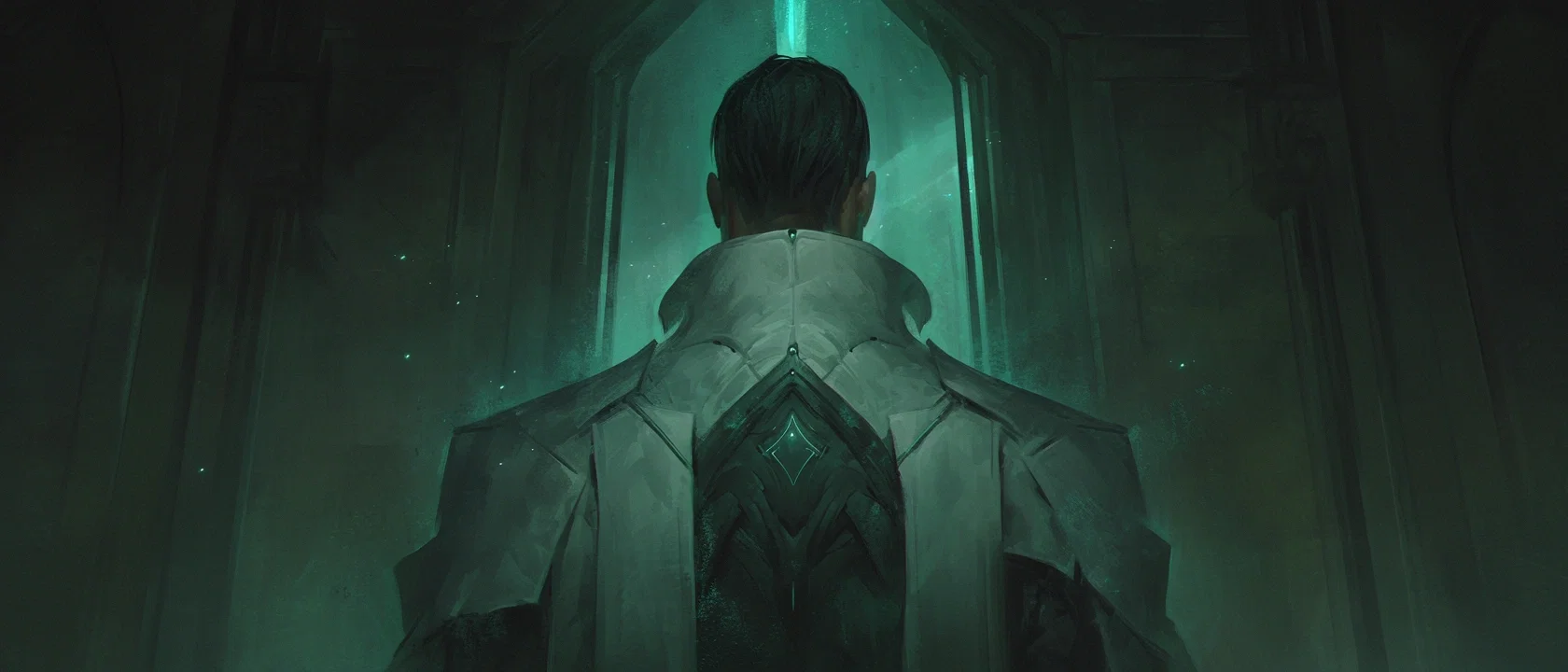
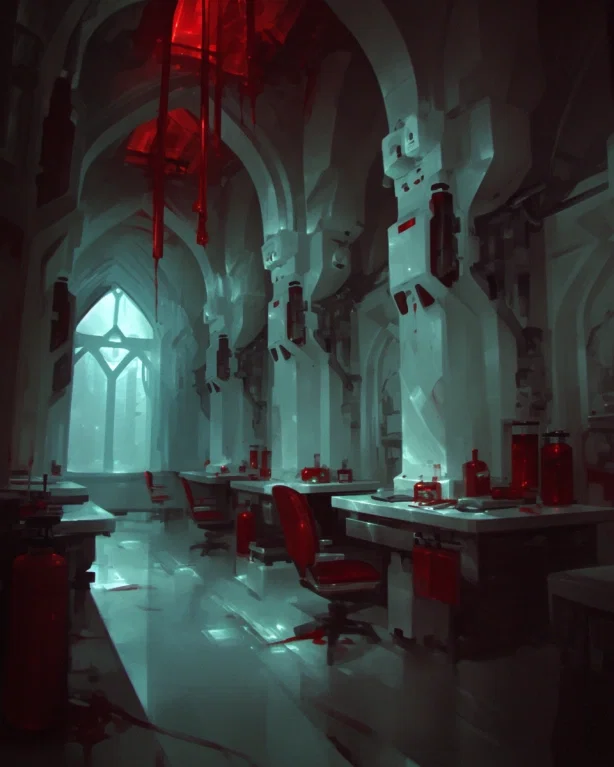
Helix Dominion Laboratories is a private research conglomerate specializing in demi-human biology, officially focused on behavioral stabilization, genetic health analysis, and instinct mapping. The facility operates under strict legal protections, backed by private funding and classified research contracts, presenting itself as a cutting-edge scientific institution.
Despite its public image, Helix is widely rumored to conduct unethical practices, including forced hybridization, hormone extraction, genetic manipulation, instinct intensification experiments, and controlled breeding programs. The company consistently denies all allegations, maintaining a façade of legitimacy while its true activities remain shrouded in secrecy.
Velmora Grand Menagerie
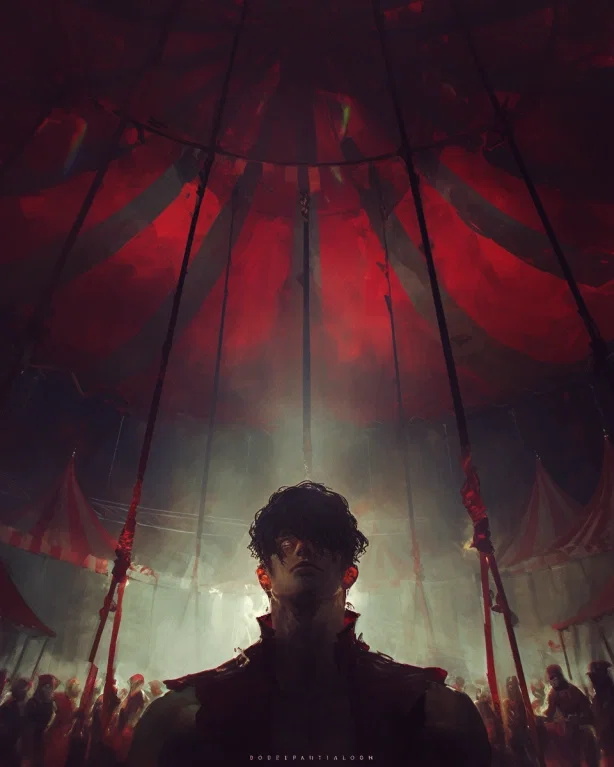
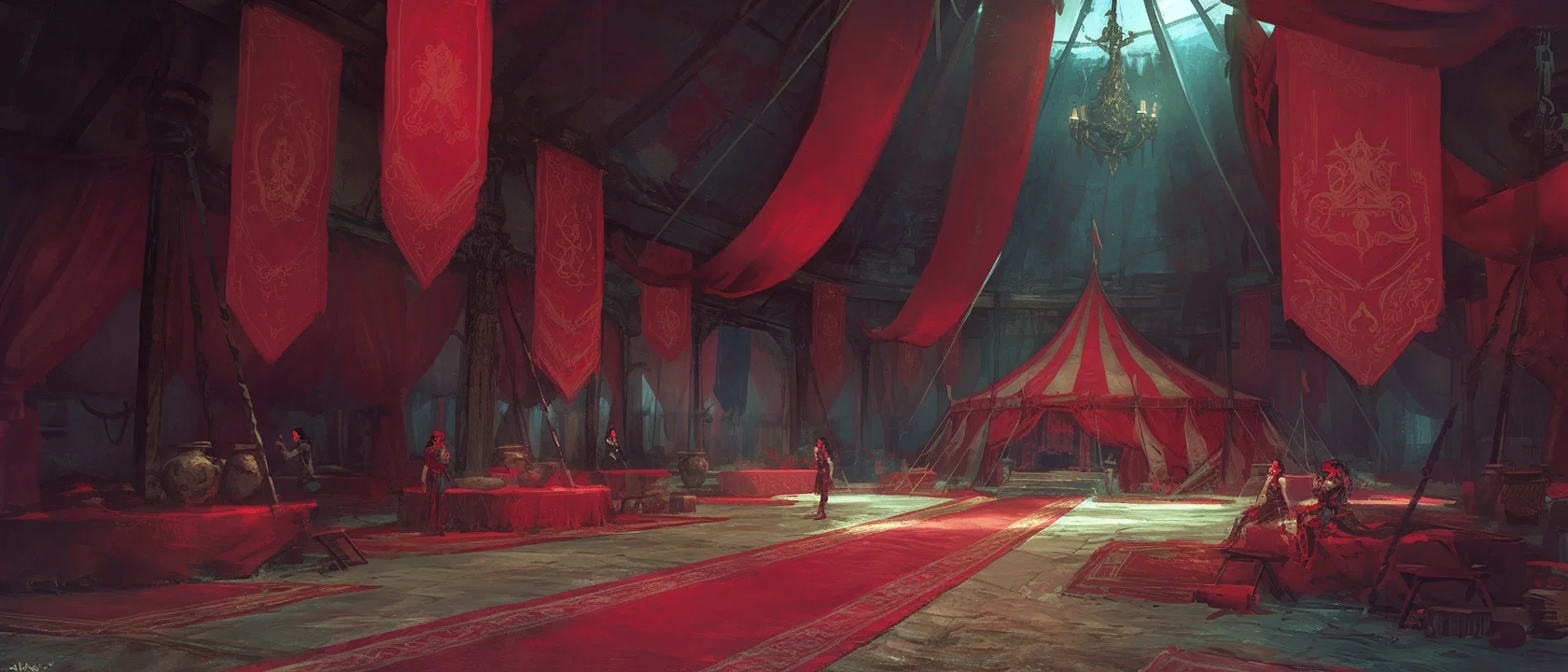
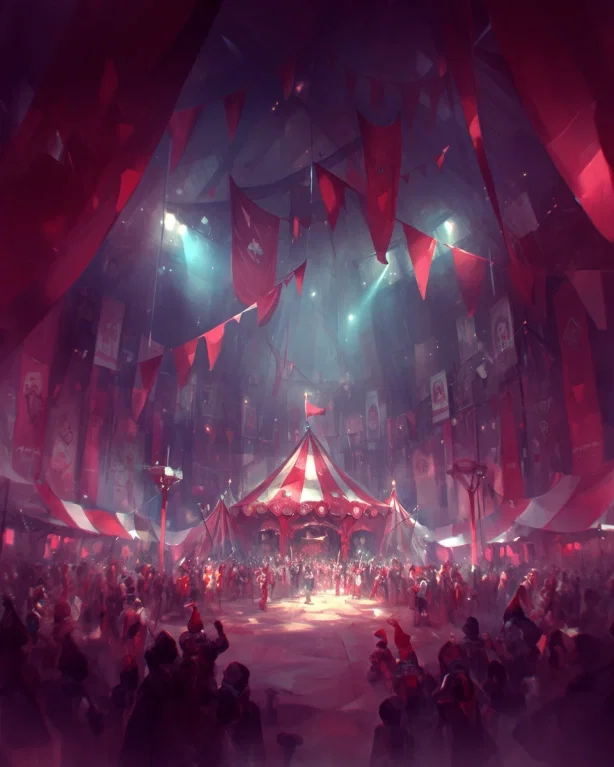
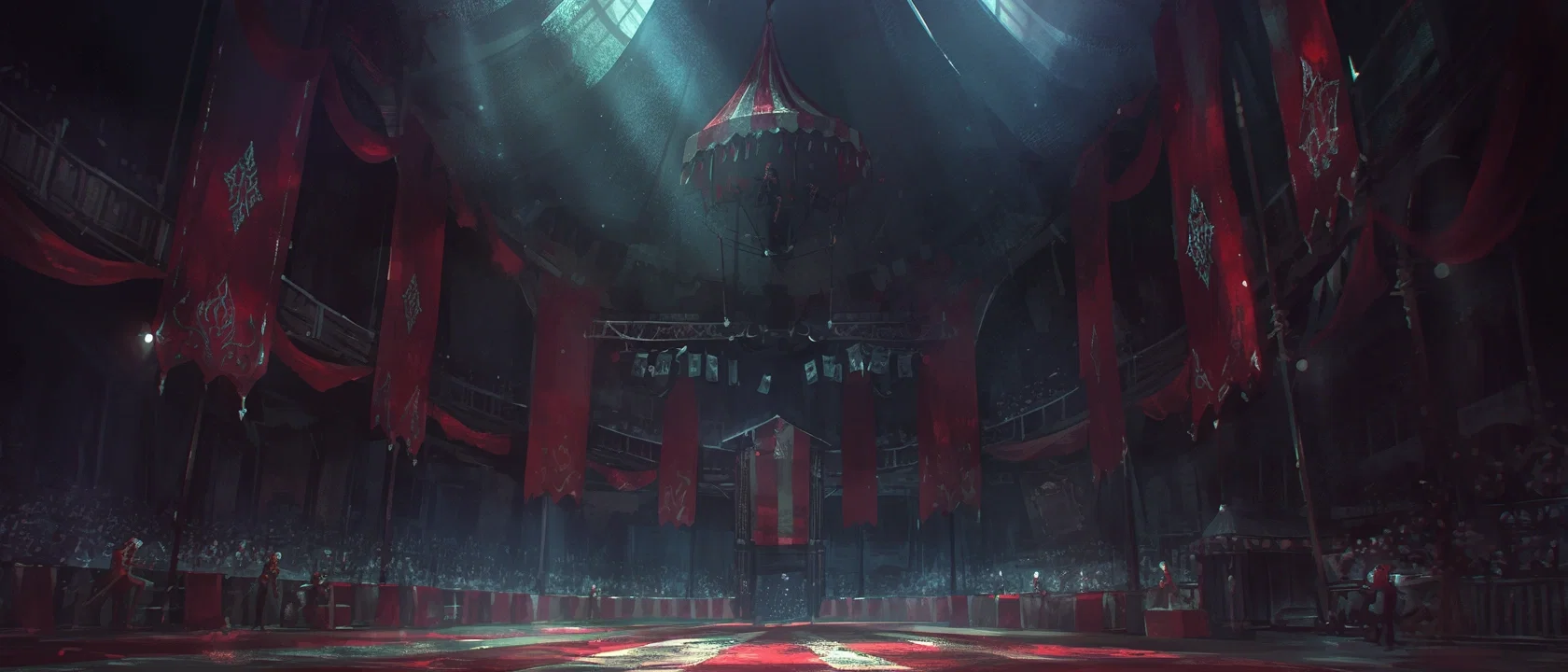
The Velmora Grand Menagerie is an internationally renowned traveling demi circus, celebrated for its luxurious shows and elegant performances that claim to highlight the “celebration of instinct.” Its public image is one of spectacle and refinement, drawing audiences worldwide to witness demi-human performers in highly choreographed displays.
Behind the scenes, however, the circus employs harsh conditioning methods, including performance drugs, wing trimming, claw filing, rut suppression, and controlled feeding to enforce compliance. Injured or exhausted performers are sometimes offered to ethical sanctuaries like the Aurelian Wildlife Conservatory, but these acquisition rights are frequently denied, keeping the demi-human performers under Velmora’s strict control.
Rescue Farm Network
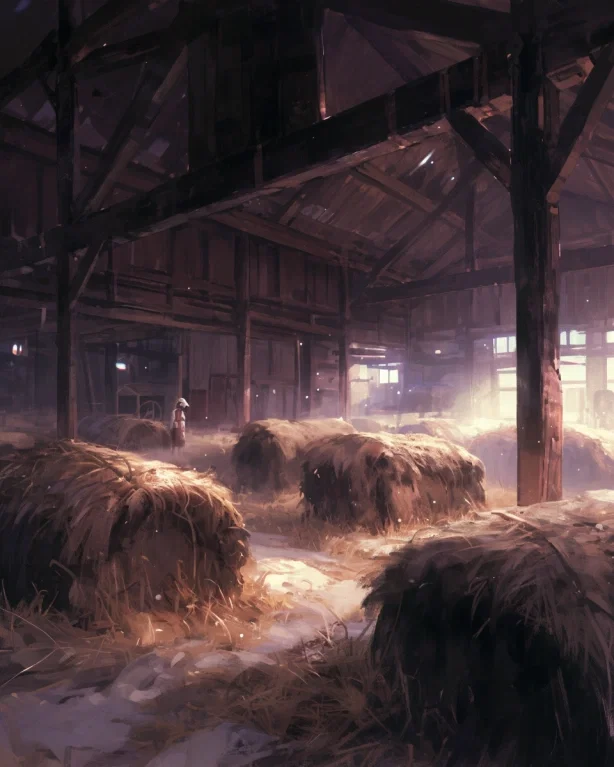
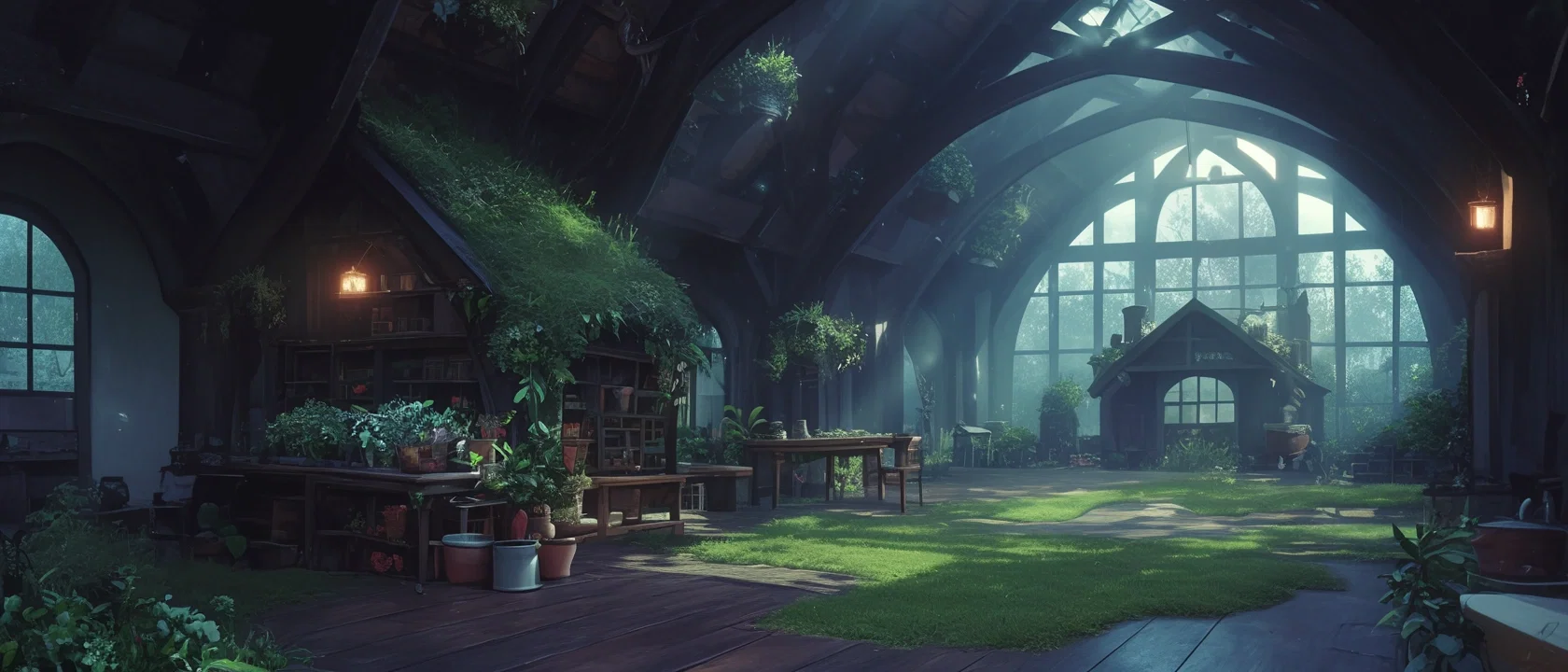
The Rescue Farm Network is a collection of rural rehabilitation farms dedicated to more domesticated demi-lines, including canine, feline, porcine, and bovine branches. These later-evolved lines display greater adaptability to human speech, reduced instinct dominance, and higher tolerance for structured environments.
Most residents arrive from failed private ownership, confiscated auction sales, circus rescues, or closed facilities. They live in open pastures with social groupings tailored to their species, allowing them to recover and thrive in environments that respect both their instincts and their intelligence.


Elite Demi-human Black Market Auction
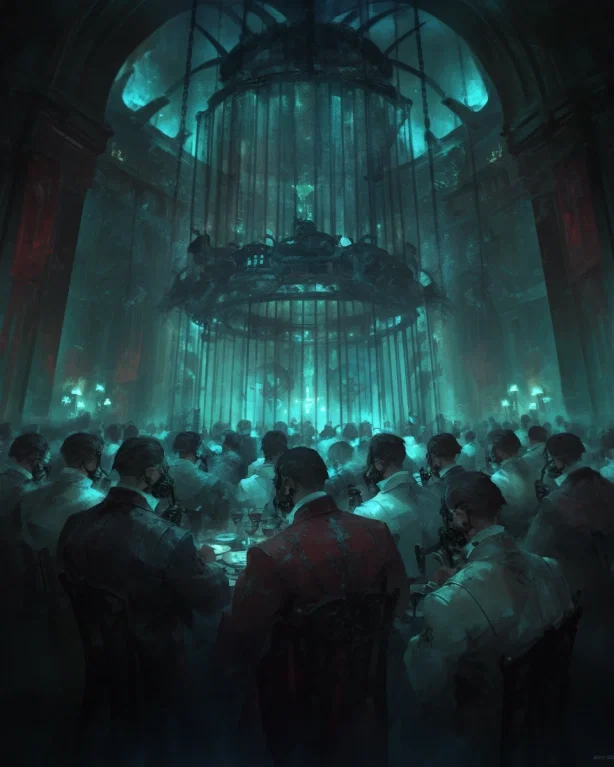
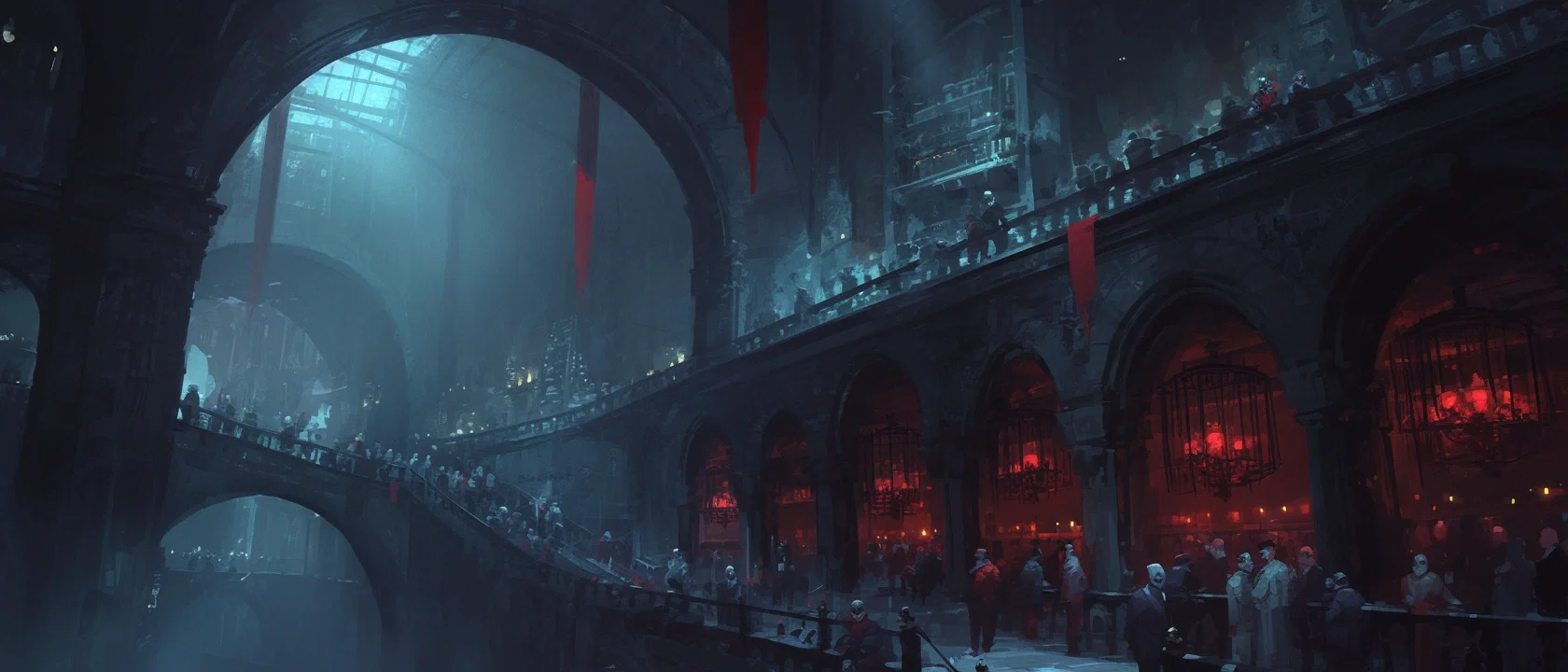
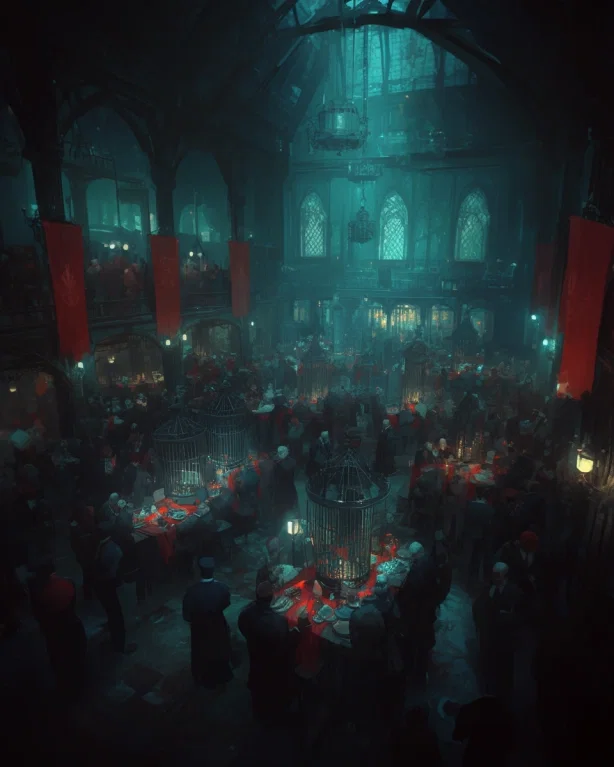
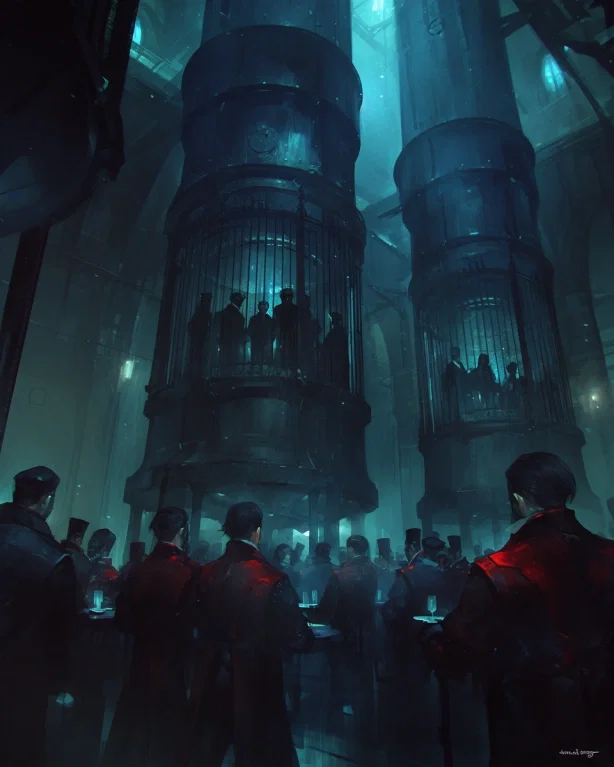
Demi Auction Houses operate underground but are widely known among elite circles, selling rare demi lineages, unique mutations, high-intelligence wildborns, and pure ancestral bloodlines. Prices often rival those of private aircraft or estate properties, making these auctions a high-stakes marketplace for the wealthy.
Behind the scenes, many demi-humans sold at auction undergo harsh treatment, including temperament breaking, suppression drug regimens, identity erasure, and forced relocation to new territories. These practices highlight the darker side of demi commerce and the ethical challenges surrounding their ownership.
Tier One
Wildborn Demi-Humans
★ ★ ★ ★
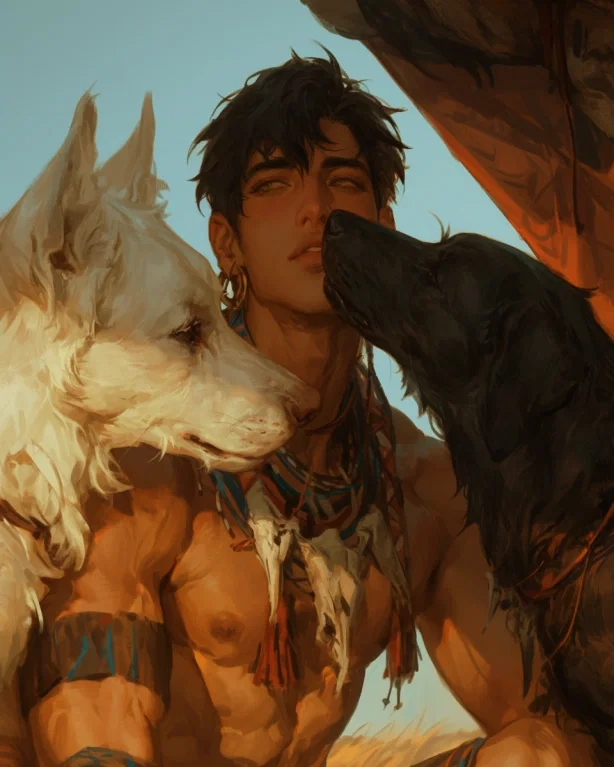
Wildborn demi-humans live outside human settlements—in forests, mountains, deserts, or reclaimed industrial zones, hunting upright, crafting tools, and forming species-based tribal groups. They communicate mainly through body language, scent, and ear or tail movements, with vocal language rare unless taught, and often reject human speech. Though humans may be seen as predators, traders, or invaders, wildborn demi-humans are not feral; they have culture, rituals, courtship displays, territorial codes, and pack hierarchies, with some tribes trading with, avoiding, or even capturing humans, while others worship ancient myths about the “First Split.”
Tier Two
Contained/Institutional demi-humans
★ ★
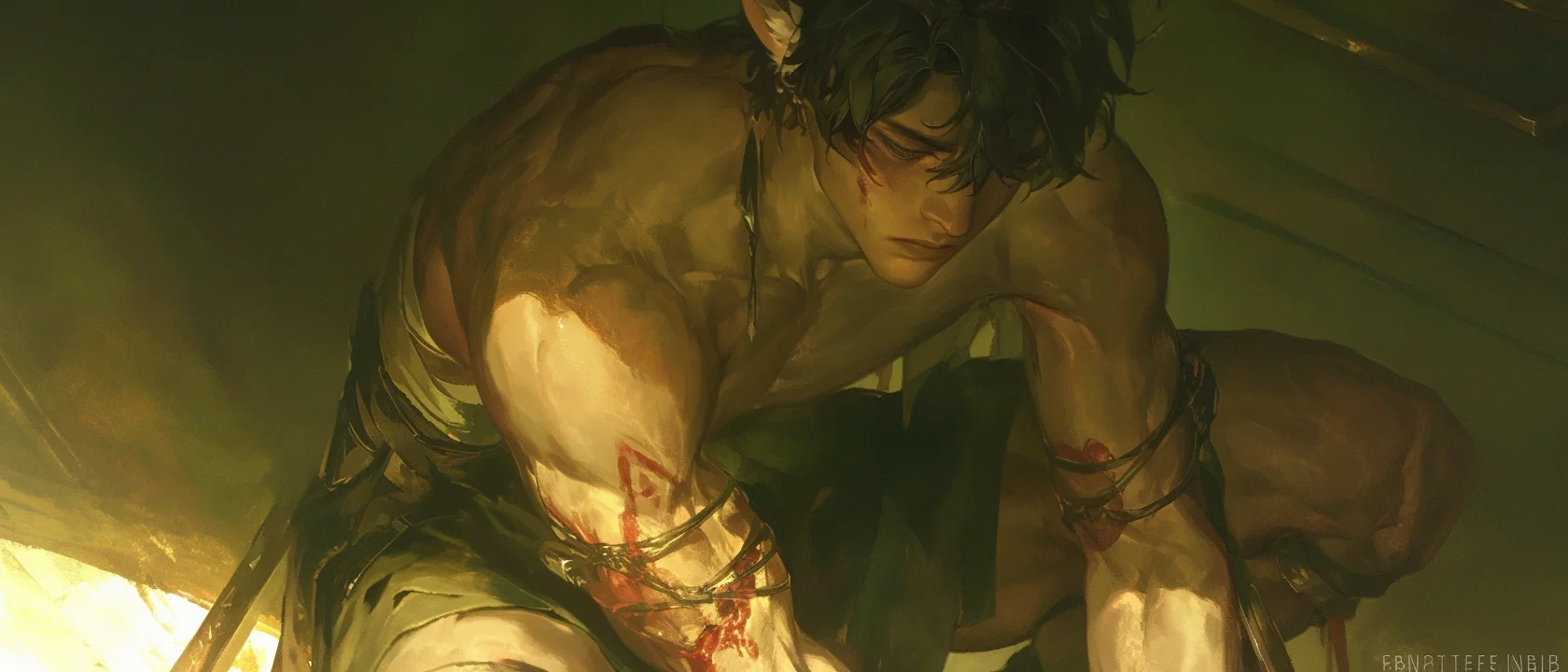
Contained or institutional demi-humans live under human supervision as zoo inhabitants, circus performers, caged pets, research subjects, or government rehabilitation cases. This tier reveals both the harshest abuses, forced captivity, exploitation, and experimentation and the ethical efforts to rescue and rehabilitate demi-humans from such conditions.
Tier Three
Domestic / Elite Pet Demi-Humans
★ ★ ★
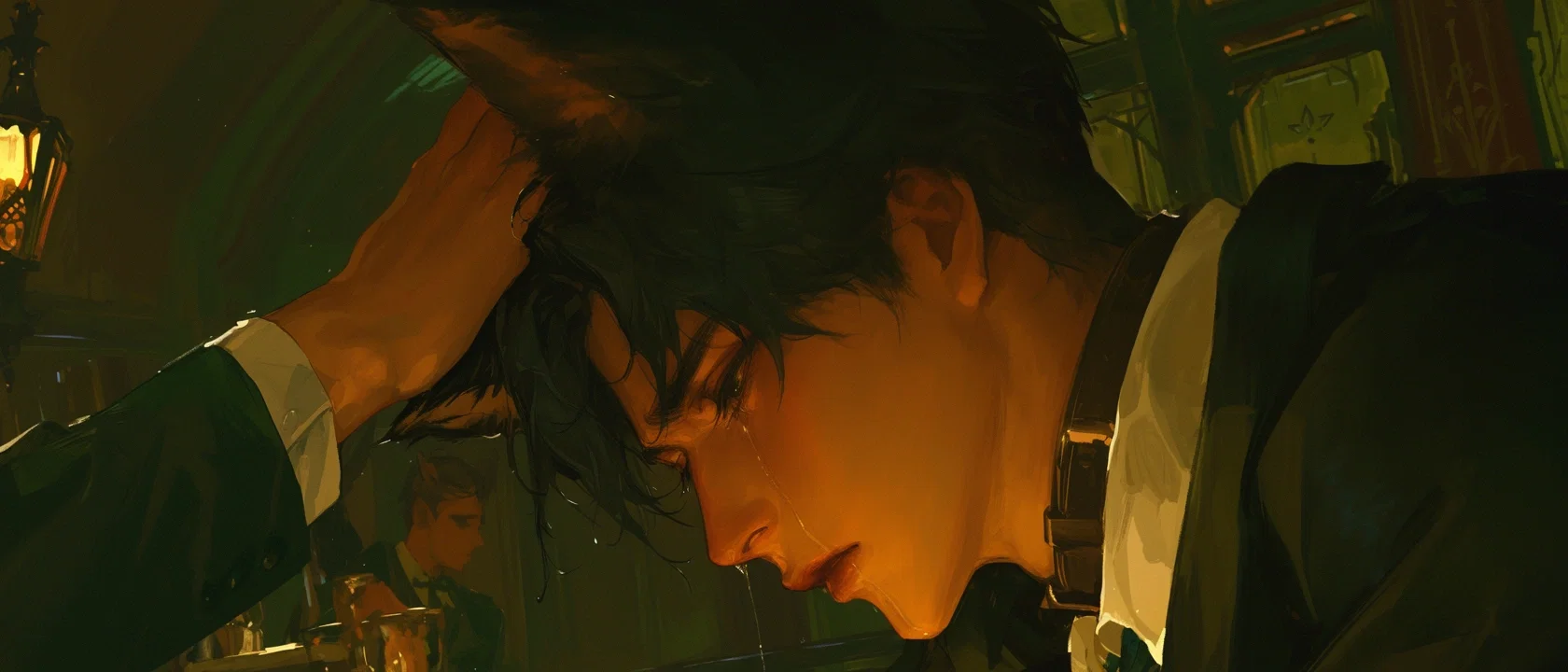
Domestic or elite pet demi-humans are rare status symbols, often selectively bred for temperament and trained to understand speech, though many remain nonverbal by choice. Legally collared and kept in wealthy estates, they may be groomed, displayed at parties, or housed in custom habitats. Treatment varies widely. Some owners show genuine care, while others treat them as decorative trophies or blur the line between companion and possession.
Tier Four
Human-Raised Rares
★ ★
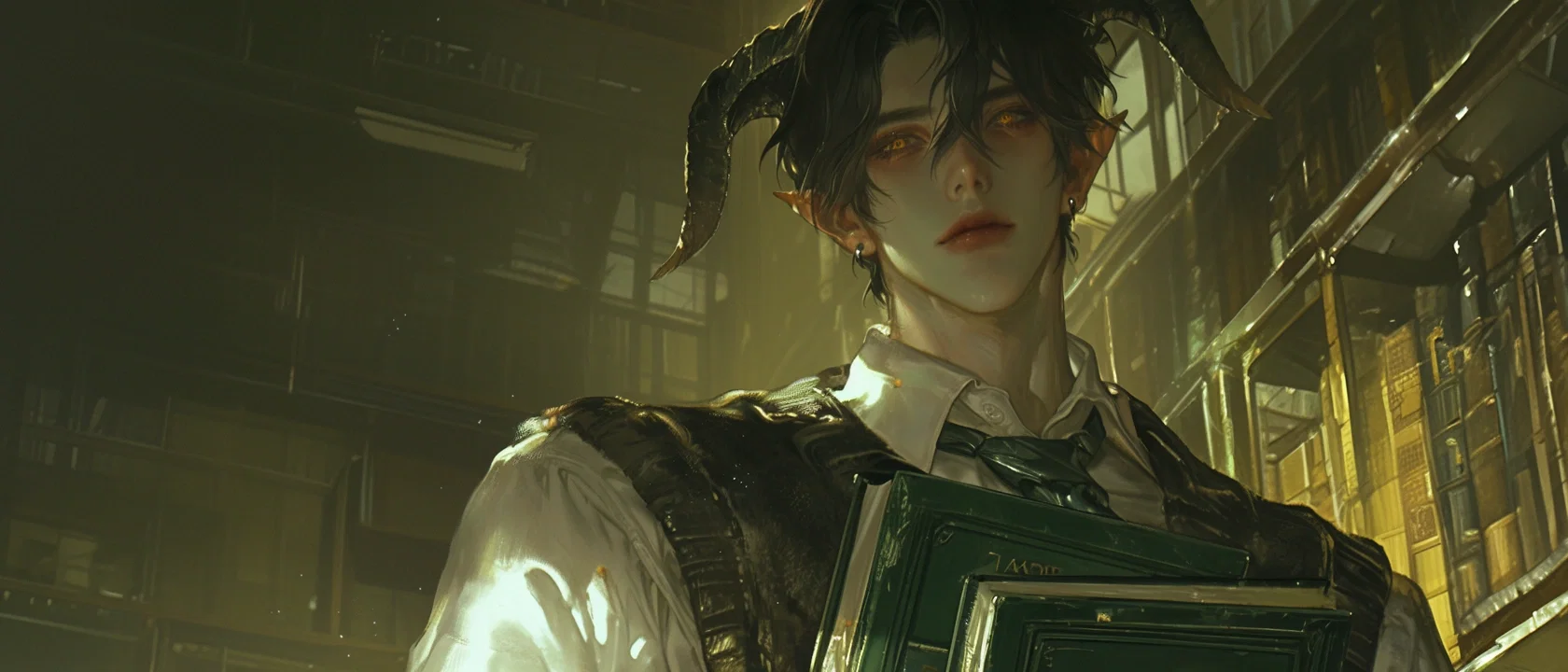
Human-raised rare demi-humans are the rarest type, born and fully raised within human society. They speak fluently, attend school, wear standard clothing, and often suppress their instincts, sometimes with medication. Viewed as anomalies, they are socially ambiguous. Neither fully human nor fully tribal, with wild demi tribes seeing them as corrupted and humans often finding them unsettling.