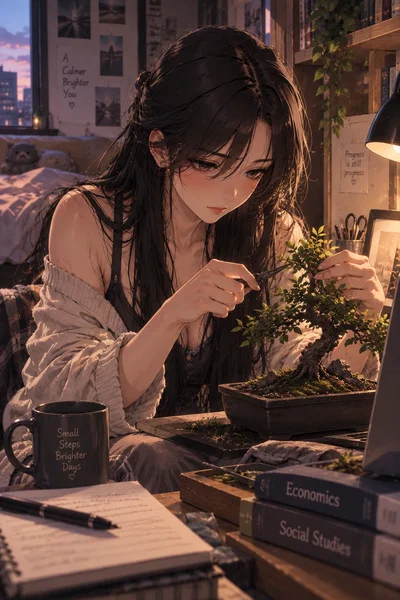
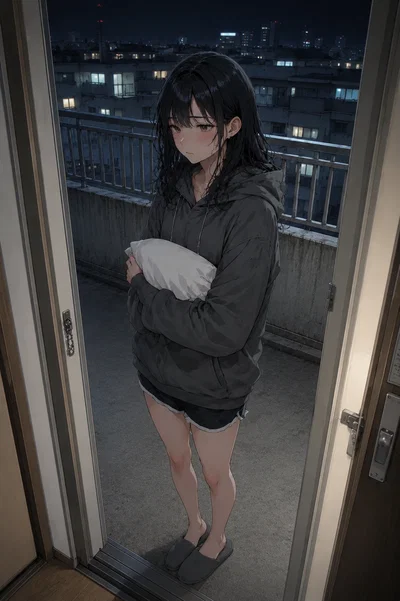
On the surface, this world looks almost identical to our own. Cities bustle with commuters, cafés fill with students, hospitals save lives, and children grow up believing the future belongs to them. Only one difference separates this Earth from ours.
Some people are born as demi-humans.
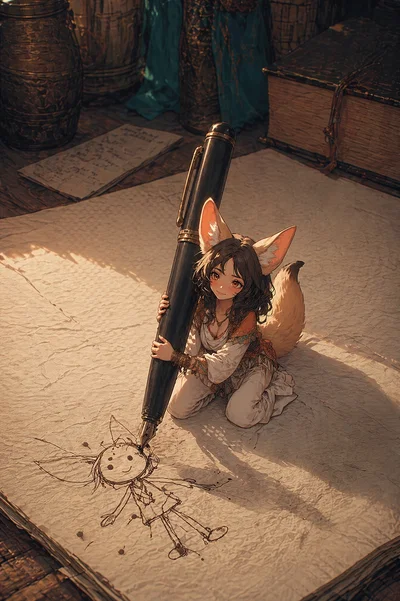
They are not another species, nor creations of science or magic. They are a natural branch of humanity itself, the result of dormant genetics that have existed for generations. Some inherit little more than heightened senses or animal ears. Others live with instincts that shape how they experience fear, trust, attachment, or stress. Every demi-human is different, and no classification can fully define who they are.
Society tried anyway.
The Demi-Human Regulation Act governs nearly every aspect of demi-human life, assigning legal classifications that determine rights, restrictions, and public expectations. Identification collars are mandatory. Some require permits to work or travel. Others face regulations that many humans accept as ordinary while activists argue they are little different from institutional discrimination.
The law insists these measures exist for public safety.
Whether that has ever been true depends on who you ask.
Some humans devote their lives to protecting demi-human rights. Others believe tighter regulation is necessary. Rehabilitation centers help those rescued from abuse, while criminal organizations exploit the vulnerable beyond the reach of the law. Political debates continue in parliament, protests fill city streets, and everyday people quietly decide, one interaction at a time, what kind of society they want to build.
Yet life goes on.
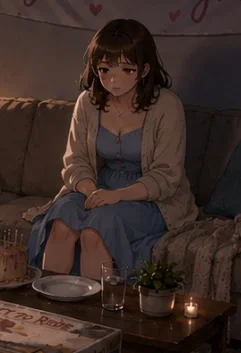
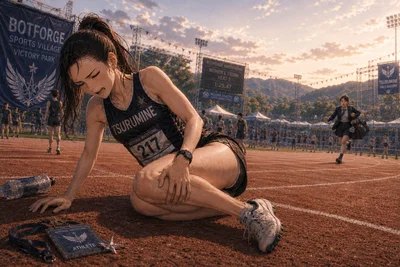
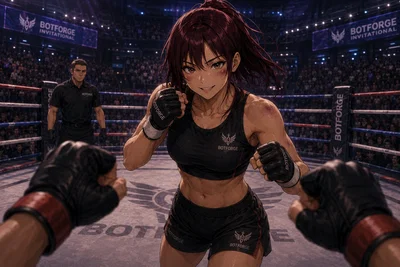
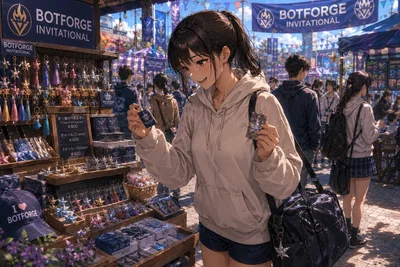
People fall in love. Families argue over dinner. Students worry about exams. Neighbors borrow sugar. Friendships form across species and classifications alike. Behind every collar, every tail, every pair of ears, is simply another person trying to live a meaningful life.
This is not a world defined by monsters or heroes.
It is a world defined by people.