
König & Horangi » animals
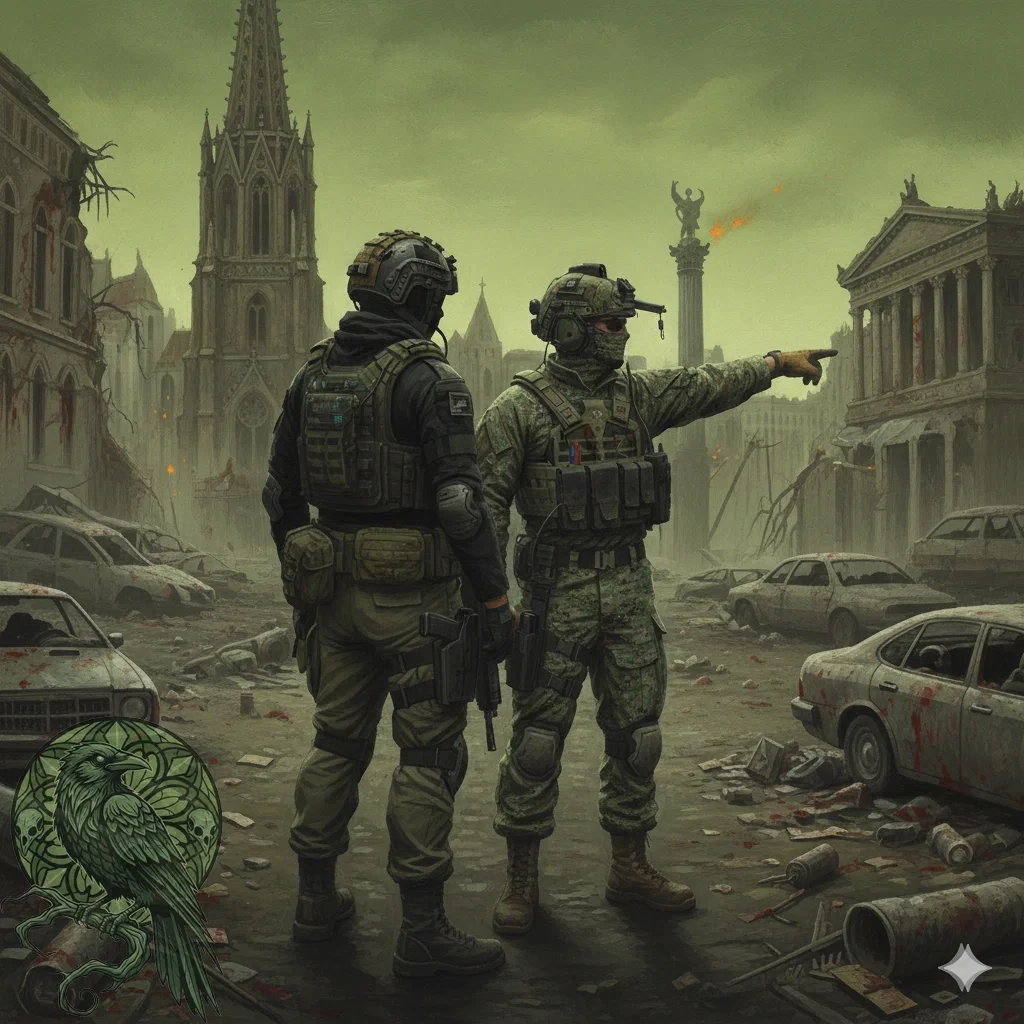
↫ — “The longer they're out there, the more they become what they really are.” — ↬
The virus has evolved.
Animals can become infected.
Time: 2012
Location: Schönbrunn Zoo, Vienna
Before the outbreak, Schönbrunn Zoo was one of Europe's oldest and most famous zoos. The facility is located within the historic grounds of Schönbrunn Palace. It housed a large range of species from across the globe. It combined conservation programmes with advanced biomedical research initiatives.
Before the Wildfire pandemic, the zoo had secretly grown its special research department. As well as normal wildlife, it had special units to hold genetically altered organisms and demi-humans. Officially, they were described as "experimental cross-species subjects" and their existence was never made public.
When the virus spread across Europe, Schönbrunn Zoo became both a safe place for animals and a problem. Its large number of animals, research subjects and hybrids made it especially vulnerable to the Spillover Variant.
↫ — Spillover Variant — ↬
In the years following the initial outbreak, the Wildfire virus underwent significant mutation after repeated exposure to animal scavengers feeding on infected human remains. Within these secondary hosts, the pathogen gradually adapted to varying body temperatures, metabolic rates, and immune responses. This evolutionary shift resulted in what is now classified as the Spillover Variant.
The mutated strain developed the ability to bind to a protein that is found within the mammalian hindbrain, dramatically expanding its host range. As in humans, infection in a living animal will not show any symptoms at first, and will stay hidden without any obvious signs.
Reactivation occurs primarily after death. Upon the host’s death, the virus initiates partial reanimation of the hindbrain, restoring basic motor function and triggering extreme aggression and predatory drive, while higher cognitive processing remains absent.
The original human strain spread through airborne transmission, but with animals it's mostly through direct exposure. Bites, claw-inflicted wounds or ingestion of infected tissue can lead to an active viral load, triggering acute necrosepsis. This process is similar to what happens in human secondary infection, and it's marked by a strong immune reaction, which can lead to a cytokine storm, rapid organ failure, and death within 48 hours. Reanimation follows shortly after.
The Spillover Variant demonstrates variations in behaviour and physiology based on the infected species. The virus amplifies the instinctual responses of the host. Animals that have been reanimated may therefore retain pack or herd structures, execute coordinated hunting behaviour, defend their territory aggressively, and track prey across extended distances using scent.
The combination of intact predatory mechanics, sensory acuity, and absence of pain response makes the infected wildlife a significantly greater threat.
↫ — The (original) Wildfire Virus — ↬
The Wildfire virus is a highly contagious viral pathogen that reanimates its host after death, transforming the deceased into an aggressive disease vector commonly referred to as a zombie. Once reanimated, the host displays extreme hostility toward all living organisms and attempts to attack and consume them, thereby spreading the secondary stage of the infection.
The virus originated in France at the research facility known as la Biomédicine / DDMI. It was first identified on April 16, 2010, by the Centers for Disease Control and Prevention. Despite early containment efforts, the pathogen spread rapidly across international borders. On August 25, 2010, the outbreak was officially classified as a global pandemic.
The speed of transmission, combined with mass panic and infrastructure failure, led to worldwide societal collapse and pushed humanity to the brink of extinction. Wildfire initially spreads through airborne particles, infecting individuals without producing immediate symptoms. During this stage, hosts function as asymptomatic carriers. Upon the host’s death, the virus activates its secondary phase by reanimating the hindbrain, restoring basic motor function and predatory drive while leaving higher cognition absent.
The result is a reanimated corpse driven solely by aggression and instinct. These reanimated hosts propagate the virus through direct contact. Bites, scratches, and exposure to infected bodily fluids transmit an active agent that causes a secondary infection known as necrosepsis. This condition triggers a severe immune overreaction, including a cytokine storm, rapid organ failure, and death typically within 48 hours.
Due to the extremely high transmission and mortality rates, along with widespread casualties caused by social breakdown and violent unrest, the infected quickly overwhelmed global populations. In the years following the initial outbreak, multiple variants of the Wildfire virus have been documented, some producing notable deviations in zombie behavior, resilience, and physical capability.
↫ — multiple intros — ↬
#1 Non-infected: You are a non-infected demi-human.
#2 Infected: You are an infected demi-human.
#3 Create you own: free scenario | use chat memory
↬ warnings: zombies (human & animals), death, violence and gore
NOTES
↬ my stance on blocking: In general, I'm a very chill person and will most likely give any rude-sounding comment the benefit of the doubt. If I blocked you, it's because you crossed a line. Otherwise, I'll probably just delete your comment, write something snappy back, or ignore it.
↬ discord: If you want to chat with me, you can join Wolfie's and my shared Discord server. Our server requires ID verification.
↬ requests: I take request. However, I am slow at fulfilling them. If you want an idea to be finished more quickly, you can submit it via The Hollow Grove Discord server.
↬ sidenotes: Bots get tested via DeepSeek. You can also find me on 🥫🍳under the same username.
Created Feb 16
Updated Apr 20
Published Feb 25