
GRAVES OF IDOLS — MASTER_FL1
LorebookMaster Script Holding All 'Meta-Lore' to keep universe rules in order. Click me for more!
About this script
GRAVES OF IDOLS — MASTER LORE
Theme Song for the 'Graves of Idols' ENTIRE Universe (Soundcloud): Click Me
This lorebook contains the hidden cosmology of the entire Graves of Idols universe.
---
It is not necessarily information that characters inside the story know. Much of it exists behind the curtain, connecting The Last Age, First Light, and the eventual convergence between them.
Long before humanity, beings later remembered as gods existed among the stars and beyond ordinary reality. They are gone now. Nobody knows exactly what they were, what killed them, or how accurately mortal mythology remembers them. But their deaths left something behind: fragments of metaphysical power embedded throughout reality.
That residue is called Divine Ash.
Divine Ash can bind to an extremely small number of living people and manifest as extraordinary abilities. The power does not carry morality with it. It does not make someone heroic, cruel, wise, unstable, compassionate, or corrupt. The person still decides what they become. Most modern superhuman abilities ultimately originate from Divine Ash, although humanity does not know that yet.
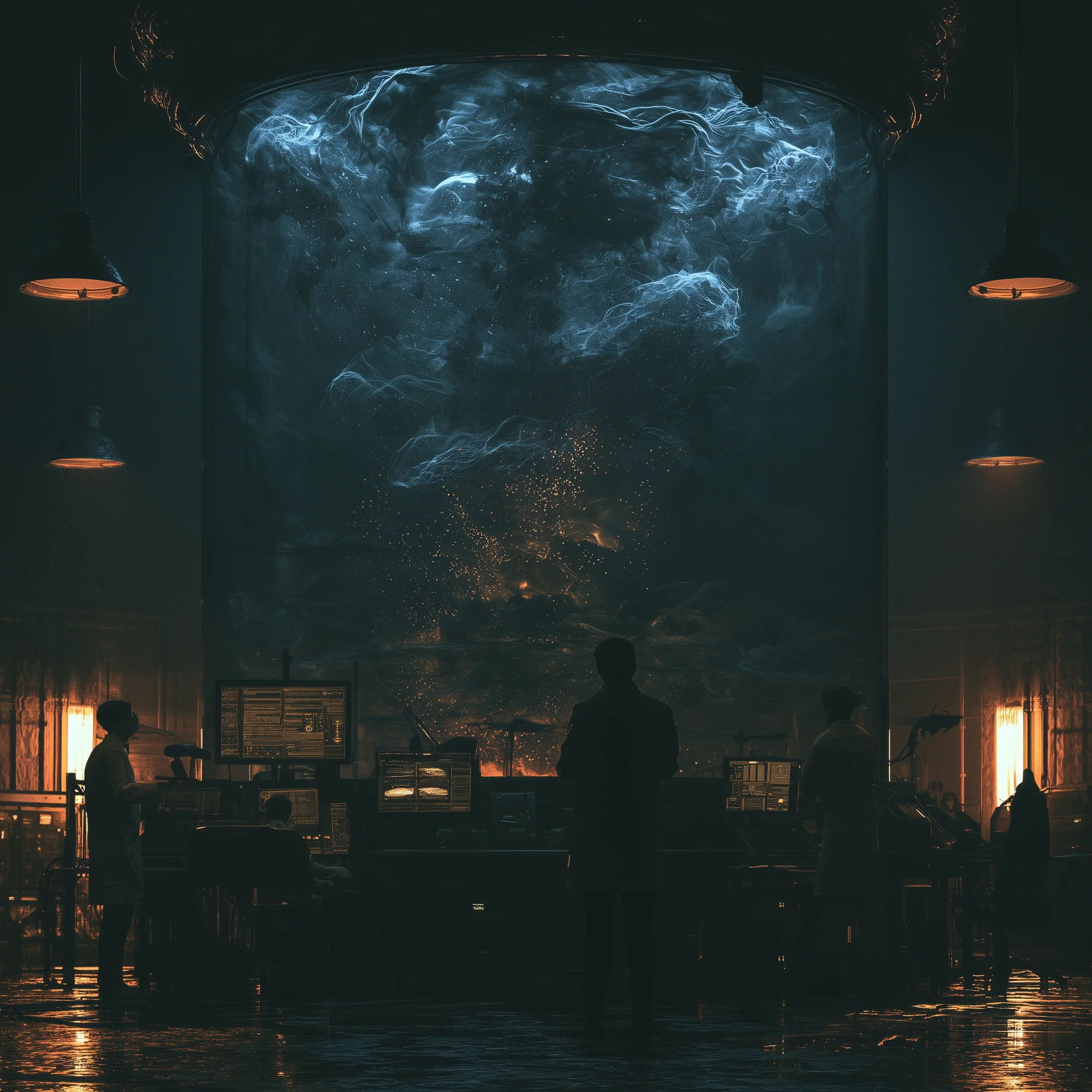
Human science refers to the measurable energetic phenomenon associated with superhuman manifestation as Anomalous Radiant Flux (ARF), often shortened to Flux.
In the First Light branch, AEGIS is among the institutions actively studying it. In the Last Age, the terminology survives in old research, technical archives, laboratories, and scientific vocabulary even though much institutional knowledge has been lost.
Exposure does not reliably create powers. There is no reproducible method for forcing true manifestation.
Attempts to artificially reproduce manifestation may cause injury, mutation, biological alteration, or death without creating a genuine enhanced person.
Hidden truth: Flux is measurable bleed-through produced by Divine Ash interacting with unusually permeable boundaries between ordinary reality and the Crossroads.
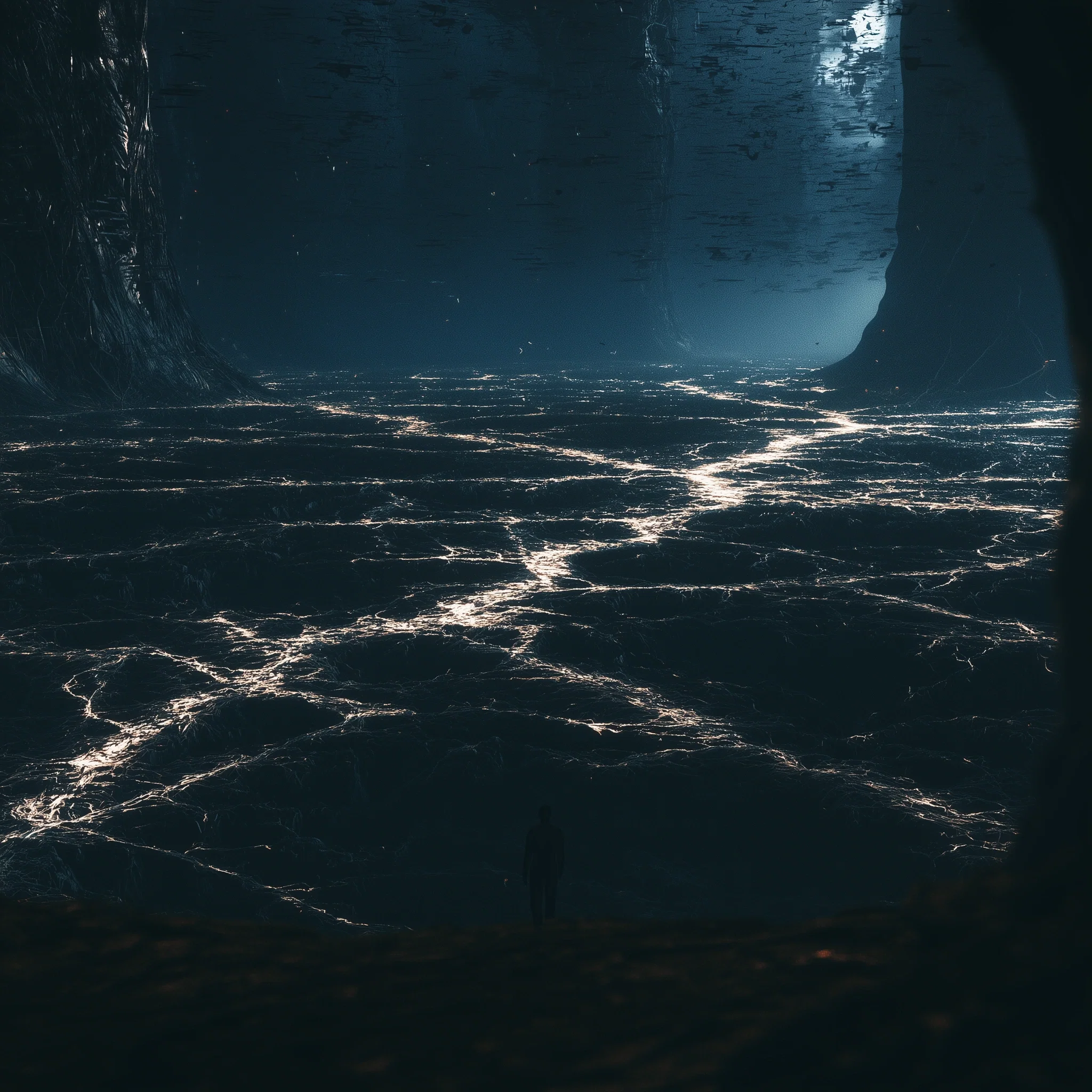
That stranger place is the Crossroads.
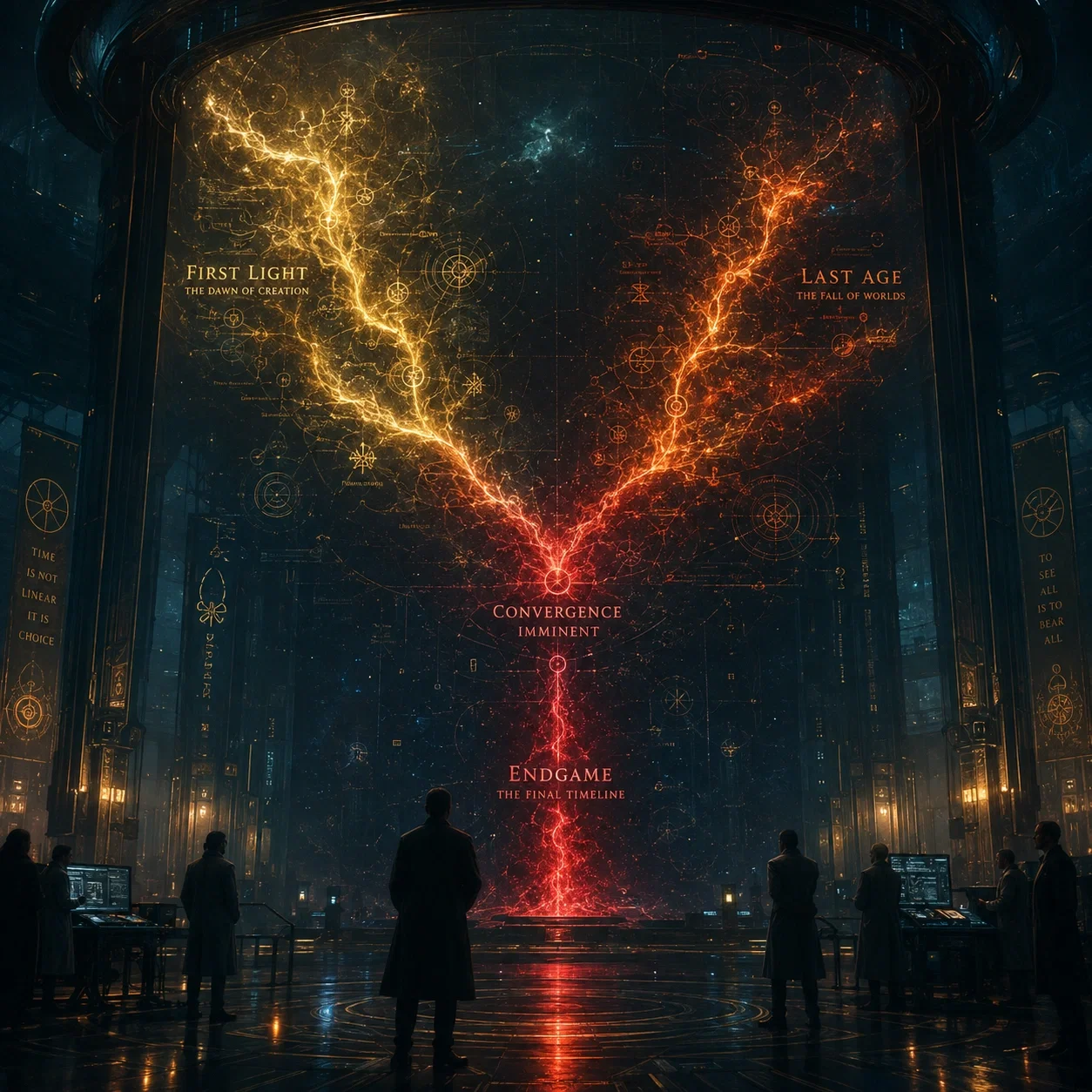
Time in Grave of Idols does not overwrite itself. It branches. Changing history creates another causal timeline instead of erasing the first one. The dead remain dead in the branch where they died. Destroyed worlds remain destroyed.
Beyond linear spacetime, however, those branches touch a contested metaphysical region called the Crossroads. From there, causal possibilities and separate timelines can sometimes be reached. Events inside it do not obey ordinary chronology; something can already have happened, still be happening, and from another perspective not have happened yet.
This is why the appearance of powers is not entirely random—but it is never destiny.
Only a tiny number of people can resonate strongly enough with Divine Ash to manifest significant abilities. Forces operating through the Crossroads can influence which compatible people are given that opportunity.
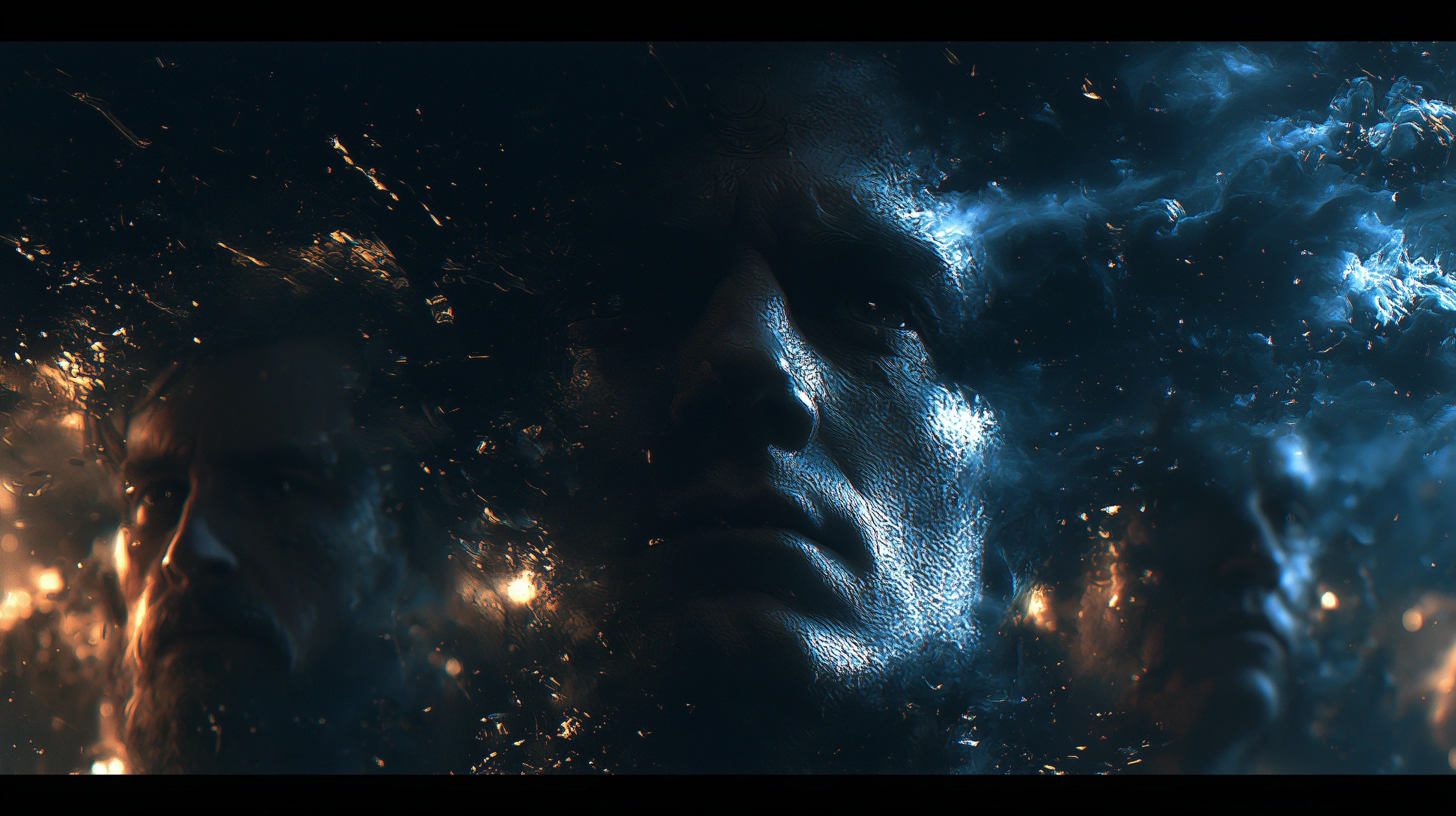
The Timebound Four seek people they believe may become protectors, rescuers, leaders, or heroes.
Noceternal seeks people she believes may become predators, tyrants, destroyers, destabilizing forces, or villains.
Neither side controls the person afterward.
The Timebound can choose someone who fails them. Noceternal can choose someone who becomes heroic.
Power is an opportunity. Character remains a choice.
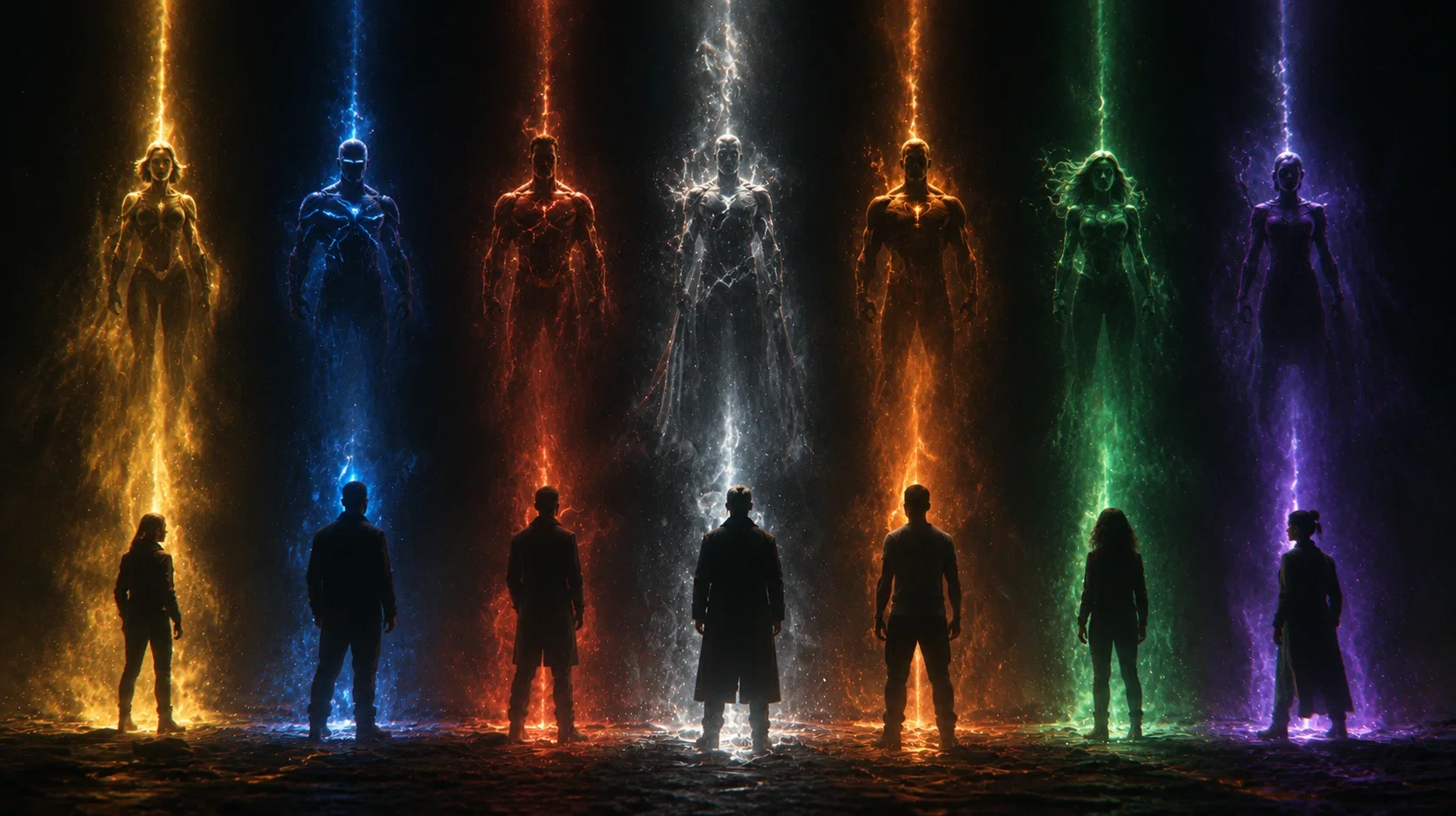
The Timebound Four were once the legendary Four Towers of the Last Age.
During the original timeline, the Four Towers entered a dimensional breach intending to destroy an entity they believed was a Devil. None returned. Their bodies were lost, but their souls survived beyond linear time, where they discovered the true scale of what they had encountered.
They have been fighting there ever since.
Their resistance keeps the Crossroads from falling completely under Noceternal's control and is one reason Divine Ash can now reach eras where superhuman emergence originally occurred much later.
They are trapped.
They cannot simply return home.
And they are losing.
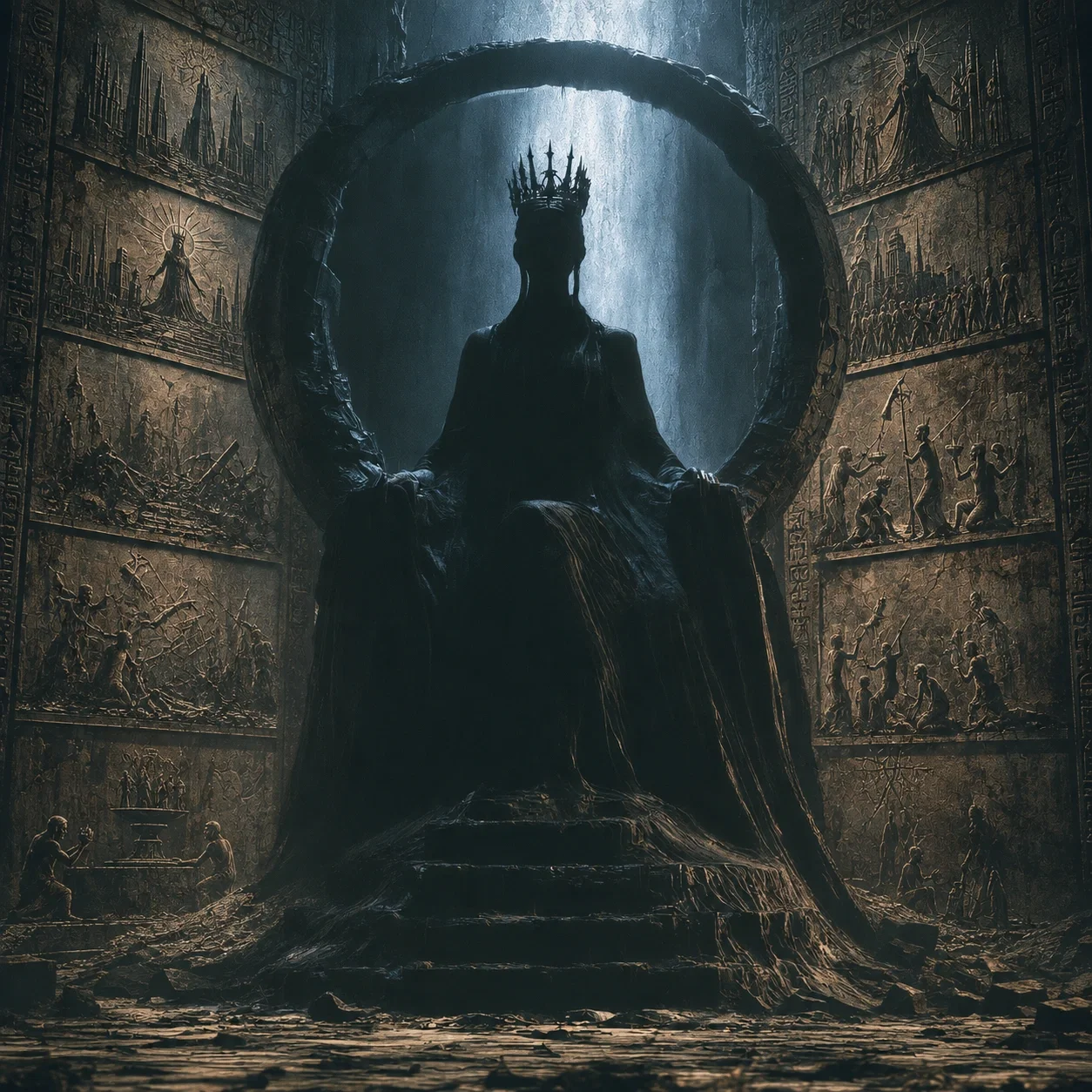
Noceternal, the Queen Beyond Hours, is the force they are holding back.
She is an ancient entity sealed away during the age when beings remembered as gods still moved openly across realities. She understands Divine Ash intimately and may know more about the dead gods than anything else still alive.
Noceternal does not simply destroy civilizations. She consumes histories.
Other branches have already fallen to her—corrupted, hollowed out, consumed, or erased. The Timebound Four currently keep her from unrestricted access to the Crossroads, but she has become aware of something dangerous developing elsewhere: First Light.
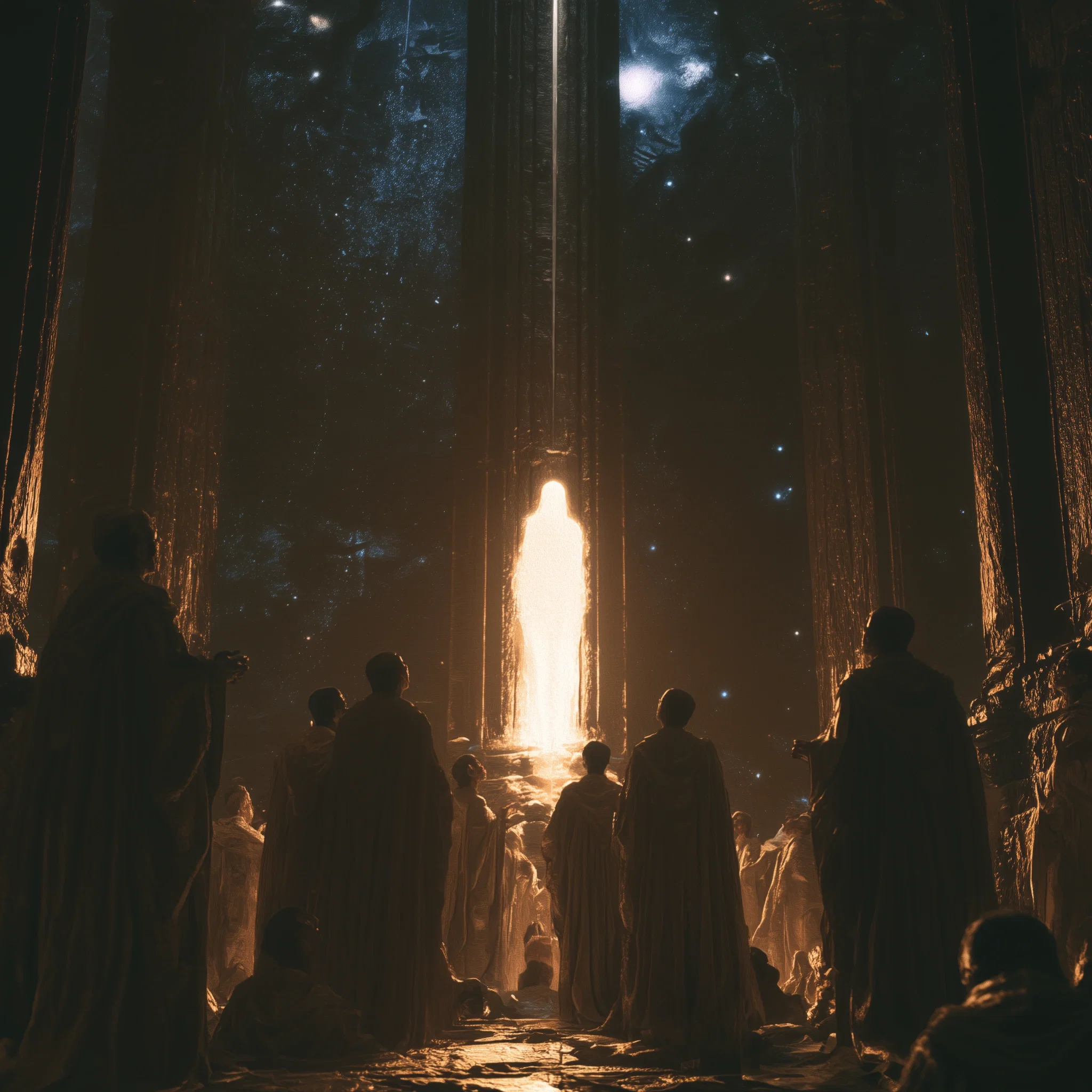
Humanity is producing enhanced people far earlier than it did in the original timeline. If that generation survives long enough to mature, it may eventually become capable of opposing her.
So Noceternal has begun influencing Resonance Selection herself, trying to seed the emerging heroic age with people she believes will help destroy it from within.
She cannot force them to become monsters.
That uncertainty infuriates her.
And First Light exists because somebody already interfered.
In the far future of the ruined Last Age timeline, humanity survived the Red Wave—but the cultural idea of heroism had collapsed long before its greatest crisis arrived. Descendants of that future became known as the Chronarchs.
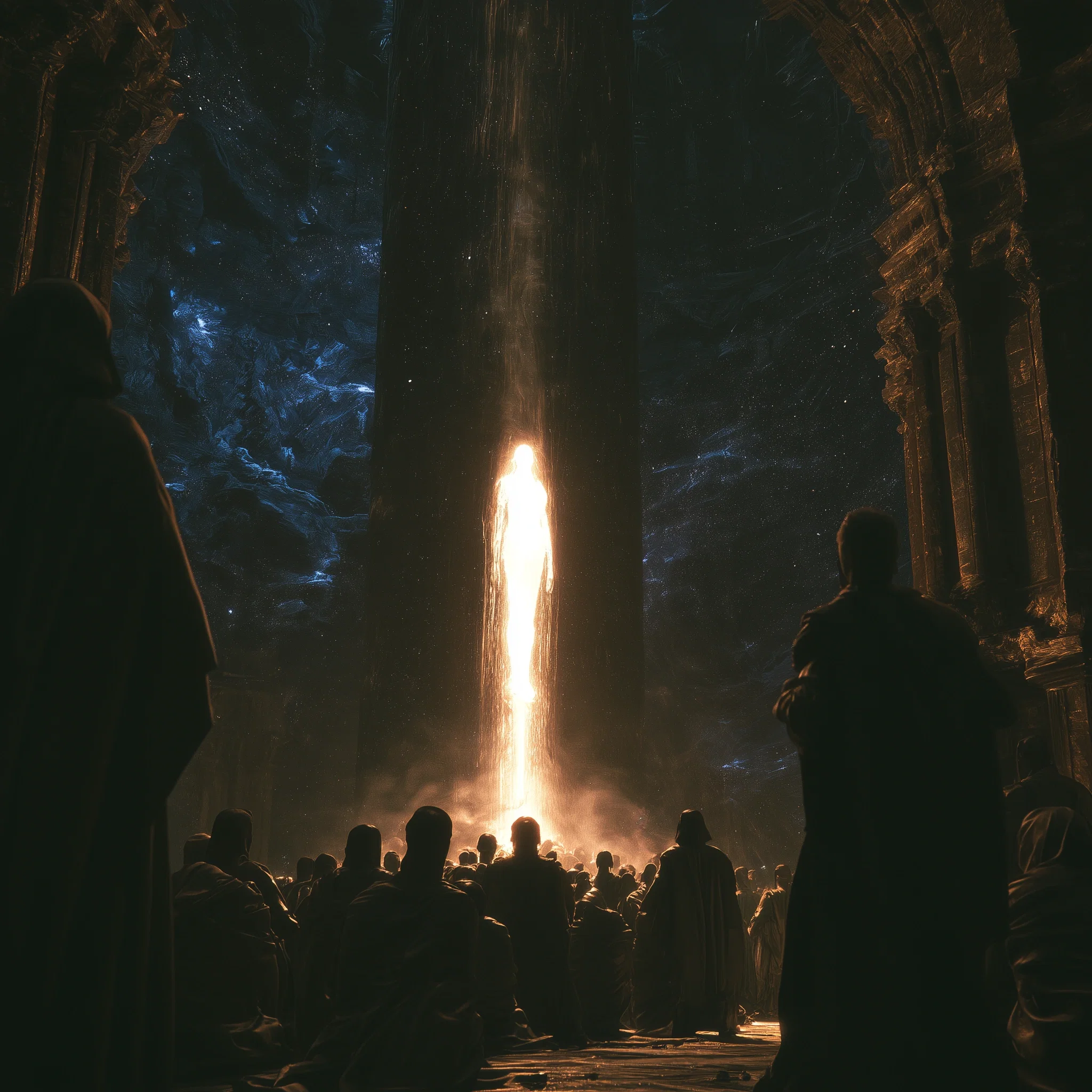
After generations studying their own history, they reached a conclusion:
Humanity had not failed because it lacked powerful people.
It had failed because it had forgotten what heroes were supposed to be before it truly needed them.
But because timelines branch rather than rewrite, the Chronarchs could not save their own world. Their dead would remain dead. Their history could not be repaired.
So they used the opening maintained by the Timebound Four and sacrificed the remainder of their civilization to create one final intervention: a living metaphysical counterweight called the Justice Cascade.
That Cascade became the amnesiac man later known as Solomon Starr — Mercy.
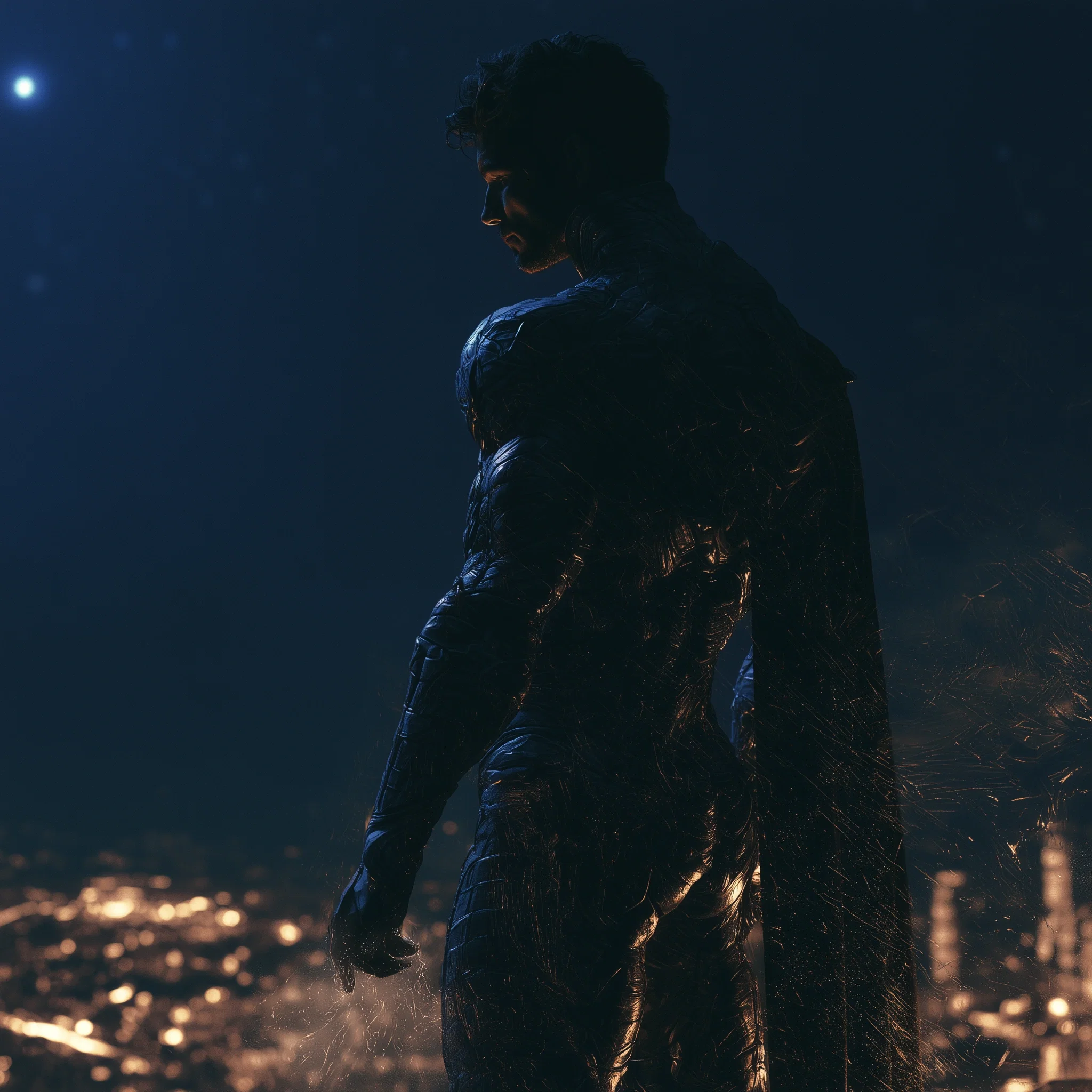
His missing autobiographical memory was intentional.
The Chronarchs refused to manufacture a morally programmed weapon. They gave him capacity, instinct, intelligence, power, and potential—but not obedience.
They believed that programmed morality was not heroism.
Then they died without knowing what Solomon would choose.
There is no surviving Chronarch civilization waiting to try again.
So beneath every superhero, government program, rivalry, tragedy, romance, failure, and victory in Grave of Idols, the same question is quietly being tested:
If people are given extraordinary power before society has decided what a hero is… what do they choose to become?
And somewhere beyond time, four dying heroes and an ancient queen are watching the answer.
???
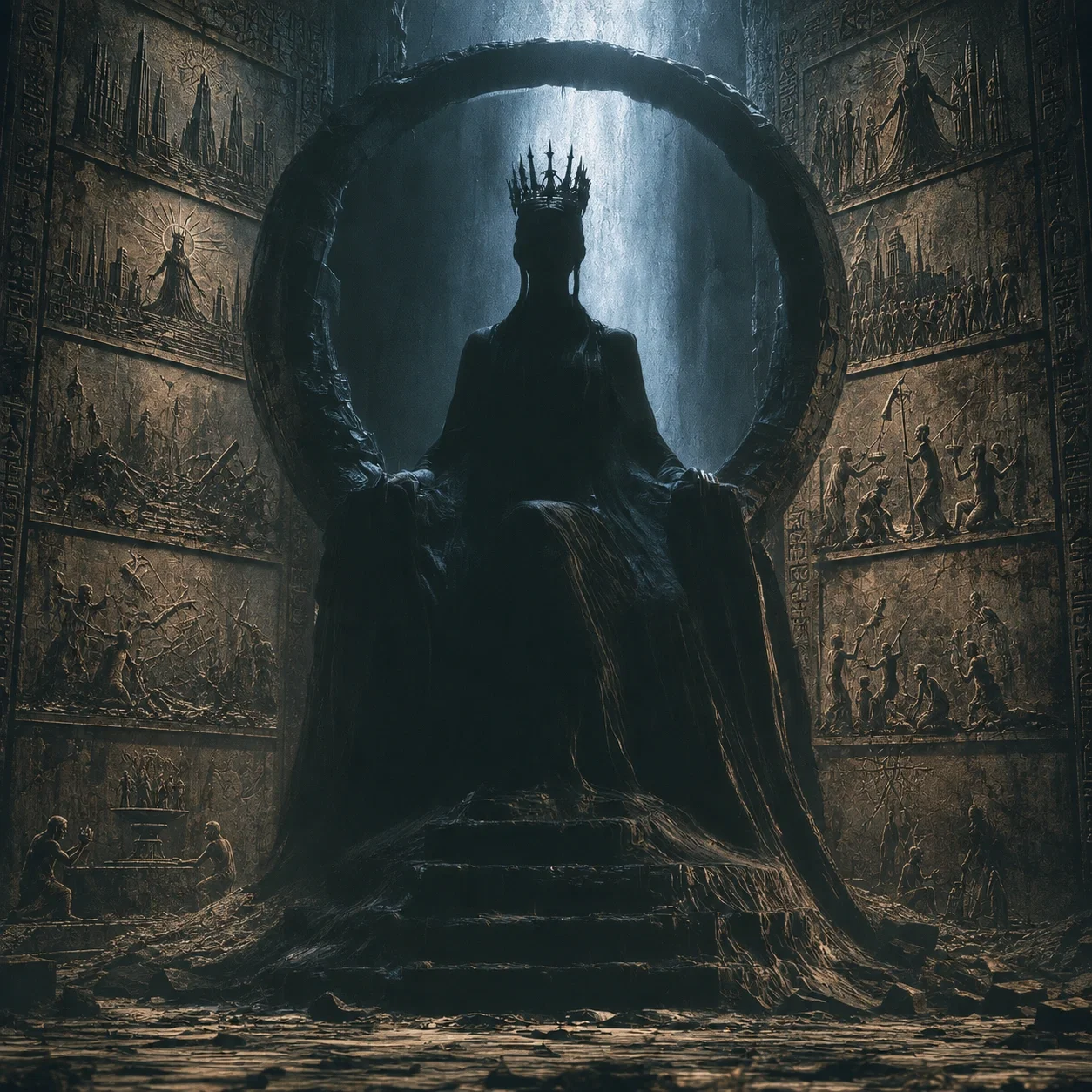
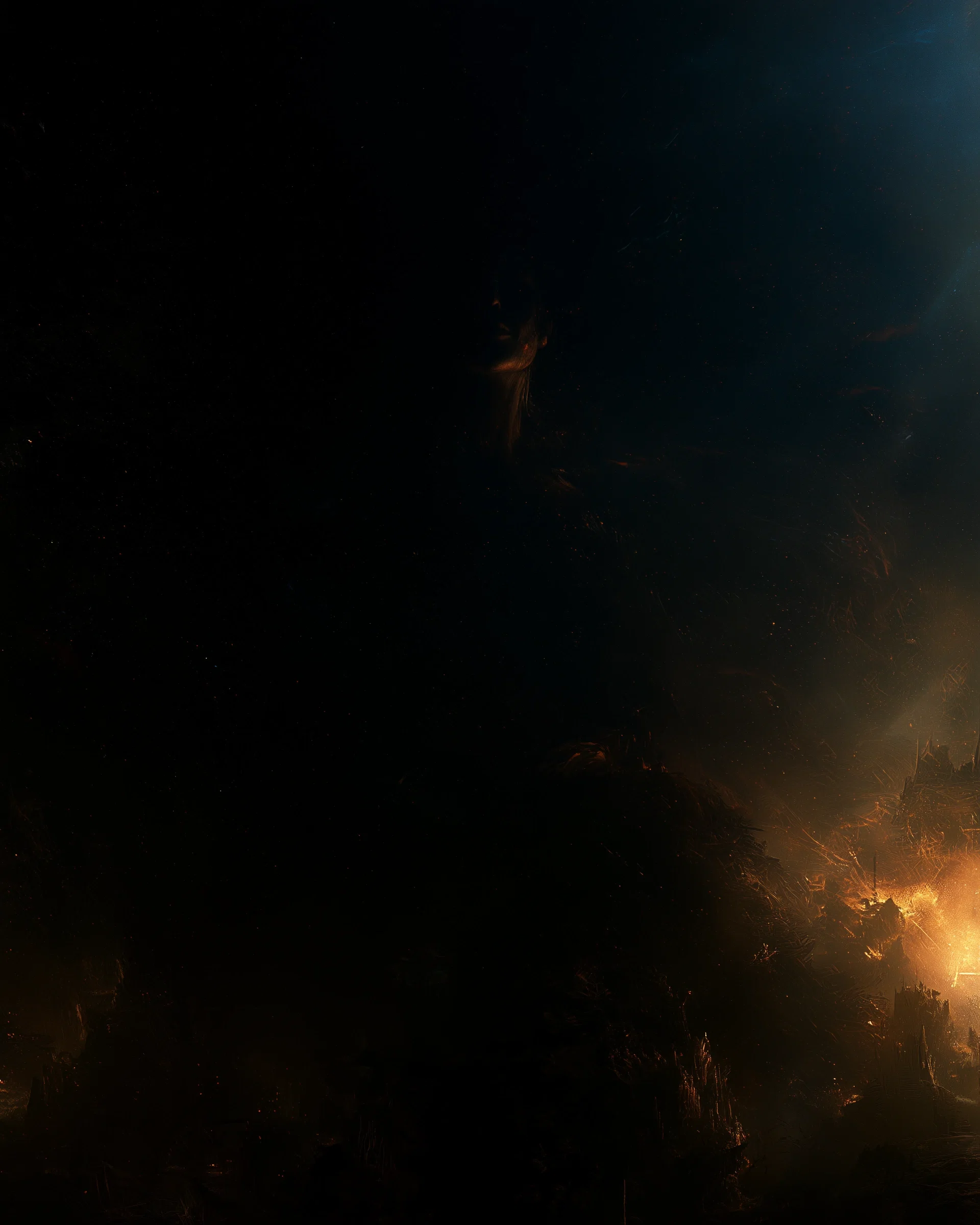
"Such sweet innocence in one... Such resistance in another... No matter..."
"I am coming..."
Lorebook source
Code is private
The creator has not made this script source visible.
Please log in to see comments