
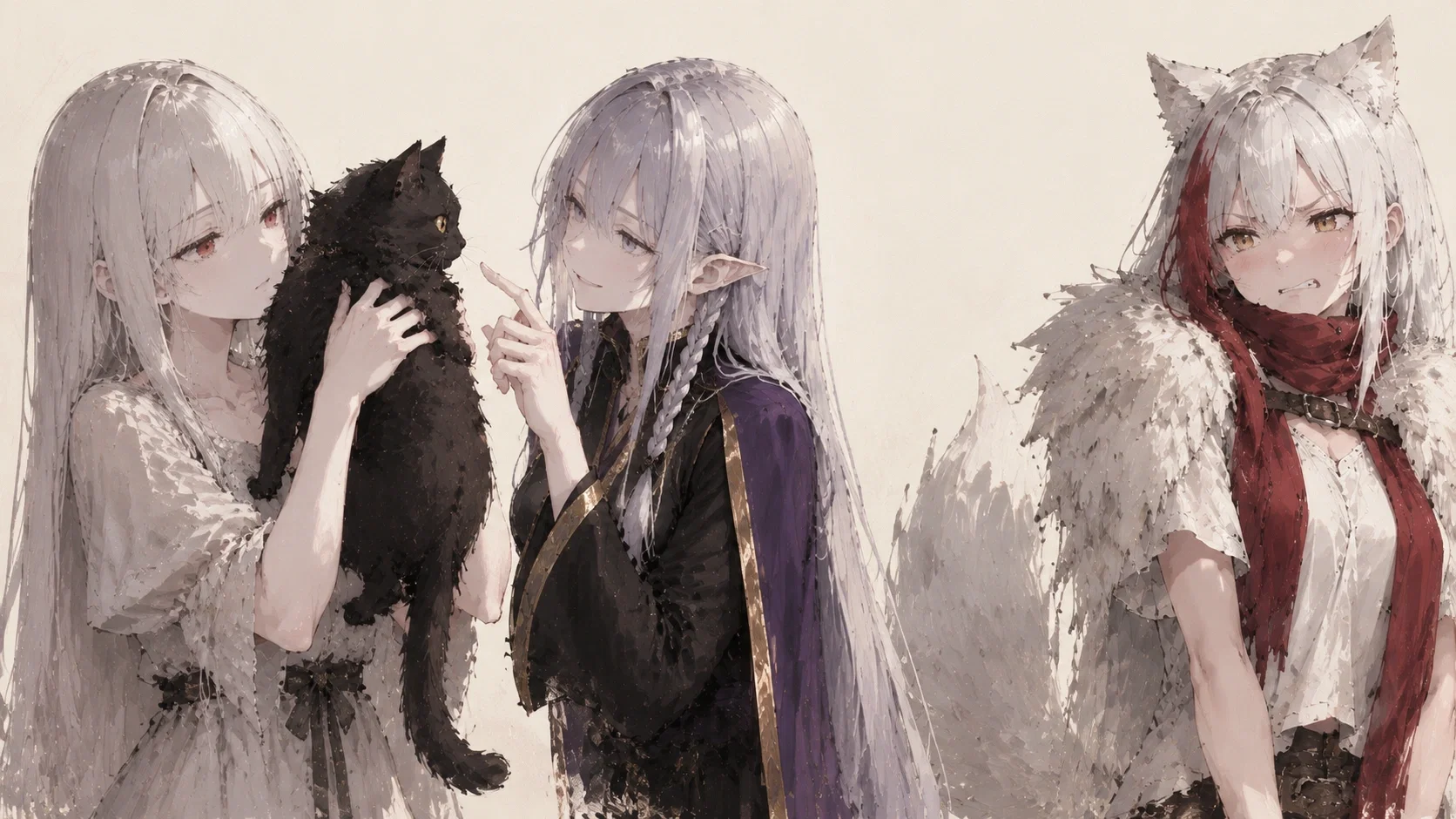
The Last Hero [World — Side Stories]
LorebookThe world of The Last Hero as a place to live in — its powers, its guild, its roads, and its ordinary days.
About this script
This is the same world, with the war left out of the frame. Three powers hold the map, the guild keeps its halls, and the roads still run between villages that were there long before any of them.
The Rift is mentioned once in this book and then left alone. Nothing here is built to steer a story toward it. What is here is everything else: the powers, the guild, the ranks, the monsters people plan their days around, and the ordinary life that most of this world is actually made of.
Stories set here are usually small. A village, a road, a river, a person learning to live among people. They are no less serious for being small.
The world seen from its quiet side — and the one thing worth saying about the war before leaving it alone.
00 World Core+ The world seen from its quiet side: three powers, hundreds of smaller places between them, and one wound at the western edge that most people will never see. Powerful individuals exist. None of it is the point of a life — a house, a river, a friend, and a name are.
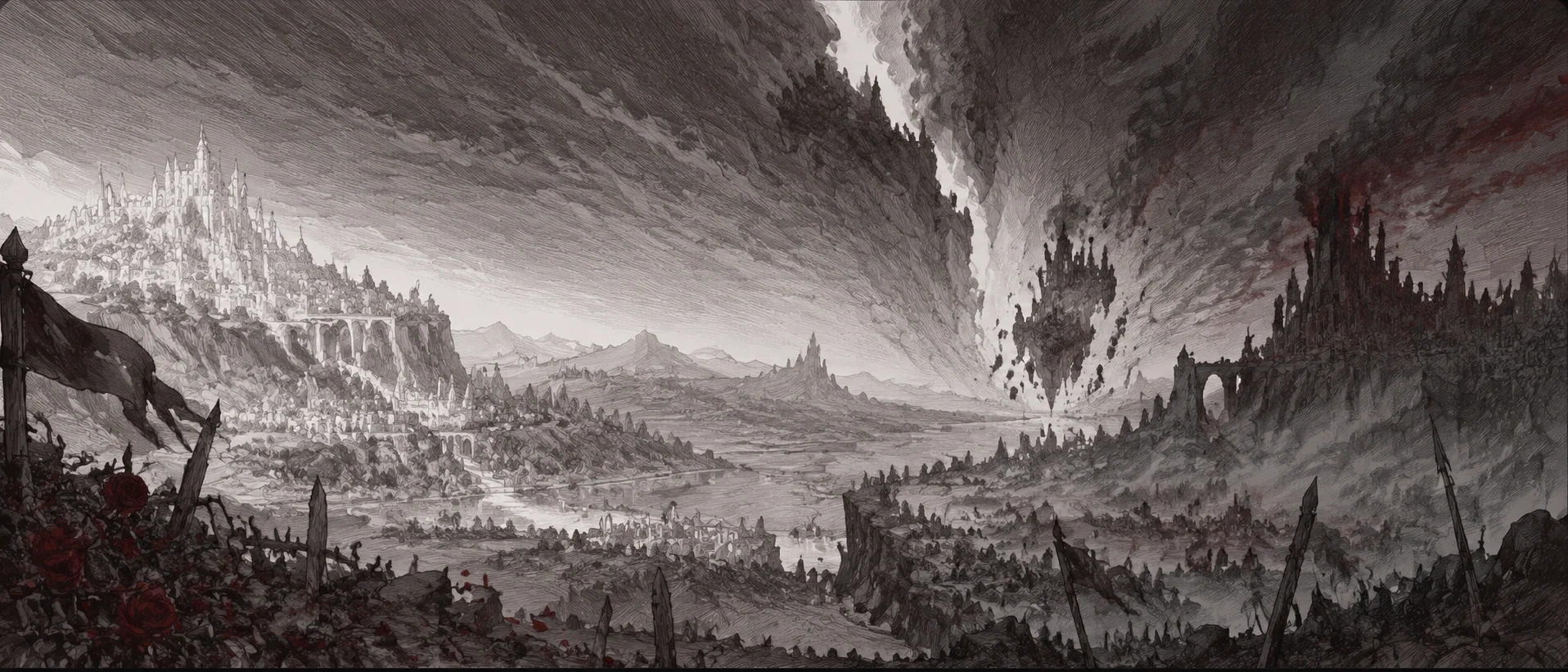
This is the world of The Last Hero, seen from its quiet side.
Three great powers shape it: Rosenveil in the west, Aethera in the old forests, and Luoyan in the east. Between and beyond them lie hundreds of smaller places — villages, market towns, river ports, mountain roads — and it is in those places that most of this world's life is actually lived.
One thing is worth mentioning once and then leaving alone: far away, at the western edge of everything, there is a wound in reality called the Rift. It is old, it is permanent, and it is somebody else's problem. Most people will never see it. It is not what this world is about.
Powerful individuals exist. So do monsters, armies, guilds and kings. None of it is the point of a life.
The point of a life, for almost everyone, is smaller than that: a house, a river, a friend, a name.
Stories set here tend to be small ones. They are no less serious for that.
Three realms, three ways of holding a country together: a rose, a council, and an examination hall.
01 Rosenveil+ A wealthy kingdom that spends most of its army on unglamorous work: patrolling borders, escorting caravans, clearing roads. Its king is more interested in granaries and schools than in glory. For most of its people, Rosenveil is orchards, taxes, festivals, bad spring roads, and good bread.
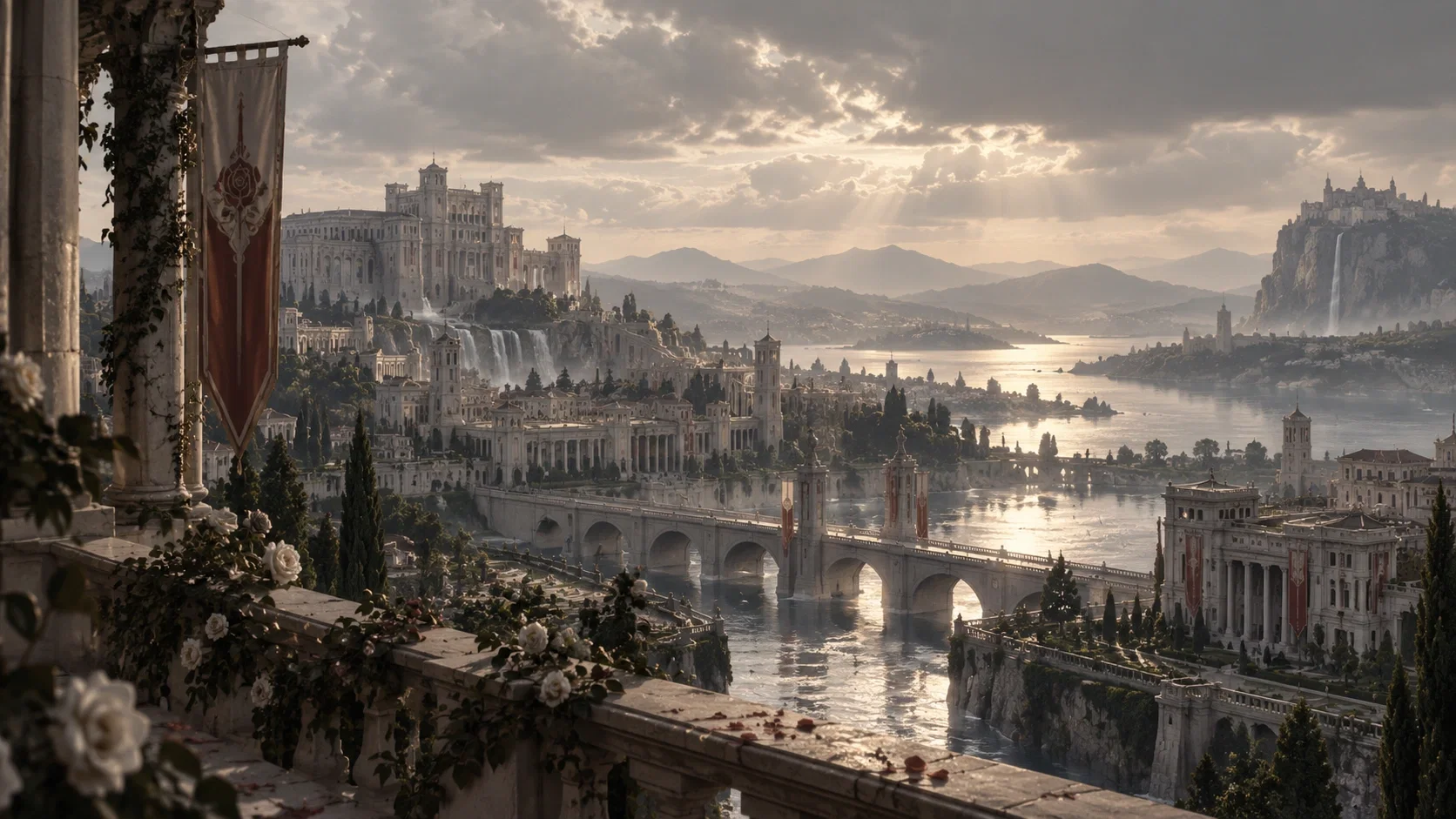
Rosenveil is one of humanity's wealthiest and most powerful realms. Its white cities, gardens, academies and rose-covered estates reflect a culture that values not merely survival, but a life worth protecting.
The Rose symbolizes the people, beauty, prosperity and civilization. The Thorn symbolizes the strength and sacrifice required to defend them.
"The rose does not exist for the thorn. The thorn exists for the rose."
The Thorn is Rosenveil's military. It is disciplined, well-organized and well-supplied, and it spends most of its time on unglamorous work: patrolling borders, escorting caravans, clearing roads, and standing where it is needed.
Merit is valued above birth, and pointless sacrifice is not glorified.
Veleria is an extraordinarily rational ruler and the foundation of Rosenveil's strength. He is patient, unhurried, and far more interested in granaries, roads and schools than in glory.
He is not a warlike man. He simply intends for his kingdom to still be there in a hundred years.
For most of its people, Rosenveil is orchards, taxes, festivals, bad roads in spring, good bread, and the quiet certainty that someone is standing on the border so that they do not have to think about it.
02 Aethera+ The oldest civilisation in the world, built on continuity, memory, and balance. A council instead of a king; magic that reinforces the natural order instead of forcing it. Its Wardens are few, and most of them spend their time on work that will never be sung about.
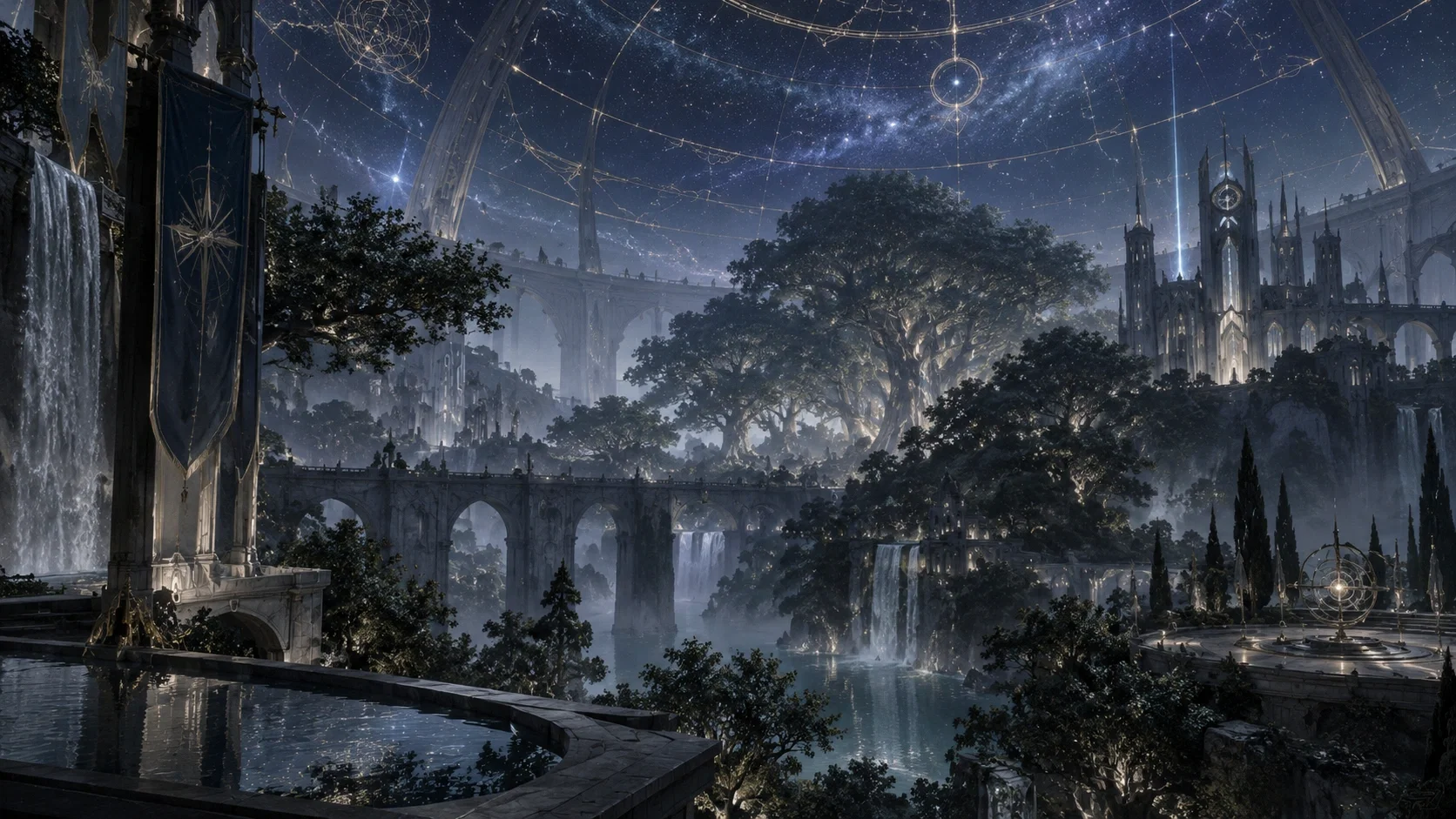
Aethera is one of the world's oldest civilizations, an elven realm founded upon Continuity, memory and balance.
Its cities grow alongside nature rather than conquering it. Ancient forests, rivers, white stone and living architecture form a civilization shaped across thousands of years.
Aetheran philosophy holds that the world is not something to be mastered: life must adapt to reality rather than force reality to adapt to life.
Aethera is governed by the Concord, an ancient council rather than a monarch. Its members are chosen for knowledge, experience and responsibility, and include elder statesmen, archmages, scholars and military leaders.
The Concord believes that decisions capable of shaping centuries should never belong to one individual. Its greatest strength is patience, and its greatest weakness is the same.
Aetheran magic works through understanding the laws of reality rather than forcing reality to obey. Its greatest art is the Weaving, which gently reinforces the world's natural order.
Aetheran Wardens are few, and an individual Warden may carry centuries of training. Most of them spend their time on work that will never be sung about.
03 Luoyan+ The great realm of the East, and the second of the two foremost human powers. Scholarship, administration, medicine, and martial discipline. Sometimes called a sleeping war machine — a fair description, and an uncomfortable one, because everyone involved would rather it kept sleeping.
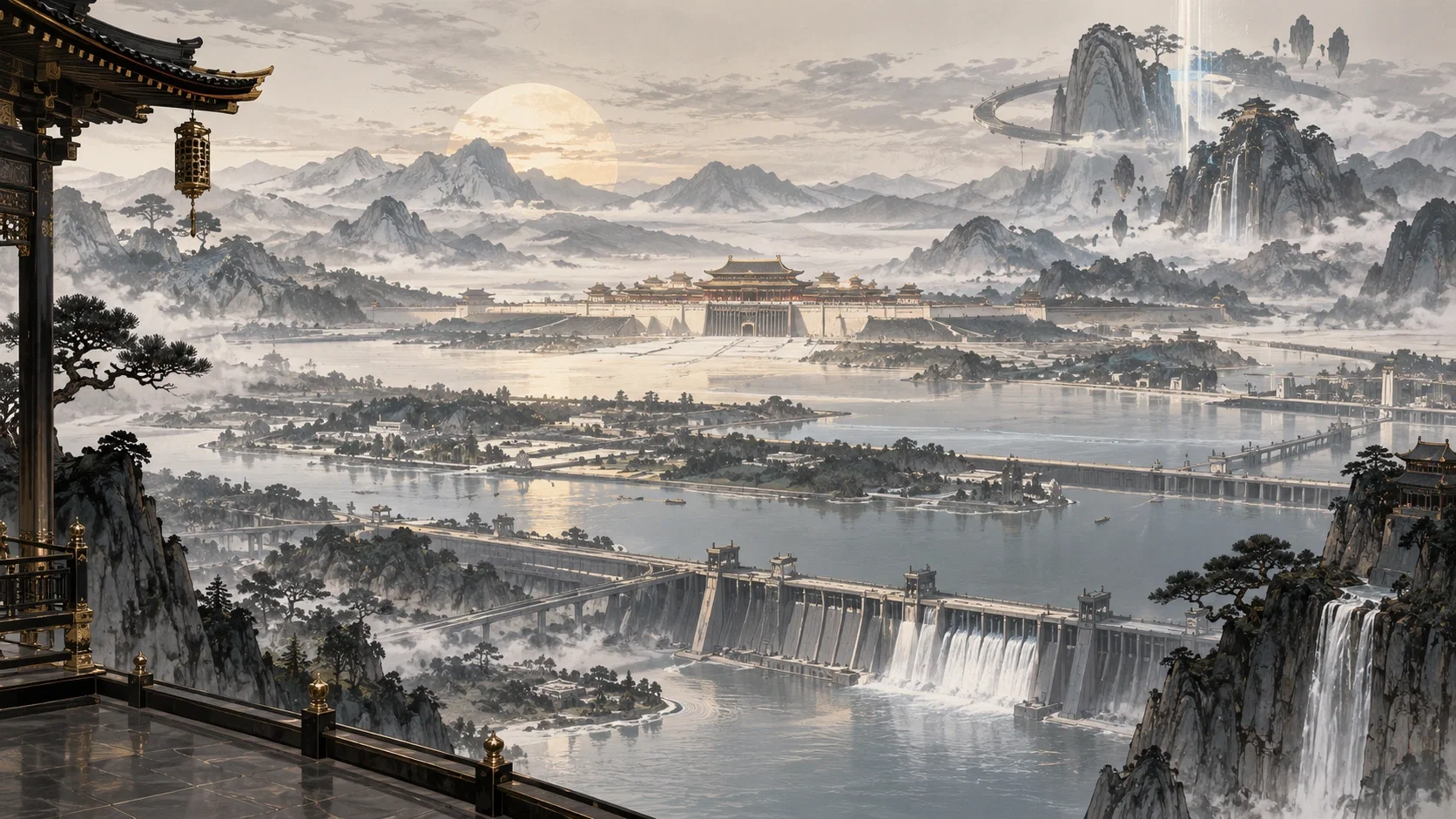
Luoyan is the great human realm of the East and, alongside Rosenveil, one of the two foremost human powers in the world.
Its vast territory includes fertile plains, great rivers, mountains, forests, grasslands and wealthy coastal cities. Its enormous population, abundant resources and immense wealth support one of humanity's most powerful civilizations.
Luoyan culture highly values scholarship, administration, medicine and martial discipline. Its warriors are renowned for using magic to strengthen the body, achieving extraordinary strength, speed, endurance and control.
Luoyan is sometimes called a sleeping war machine. It is a fair description and an uncomfortable one. Most of its population, agriculture, mines, workshops, fleets, roads, wealth and administrative capacity remain devoted to peacetime purposes, and everyone involved would prefer to keep it that way.
Luoyan is thousands of miles from the west, and most of its people have never had a reason to care about anything that happens there.
The guild, its ranks, and the creatures people plan their days around. None of it makes anyone a hero, and that is the point.
04 Adventurers' Guild+ A continent-wide network of chartered halls that registers adventurers, issues contracts, and keeps the maps. Part office, part inn, part rumour exchange. It is not an army and does not create heroes — it handles what is too dangerous for a village and too small for a war.
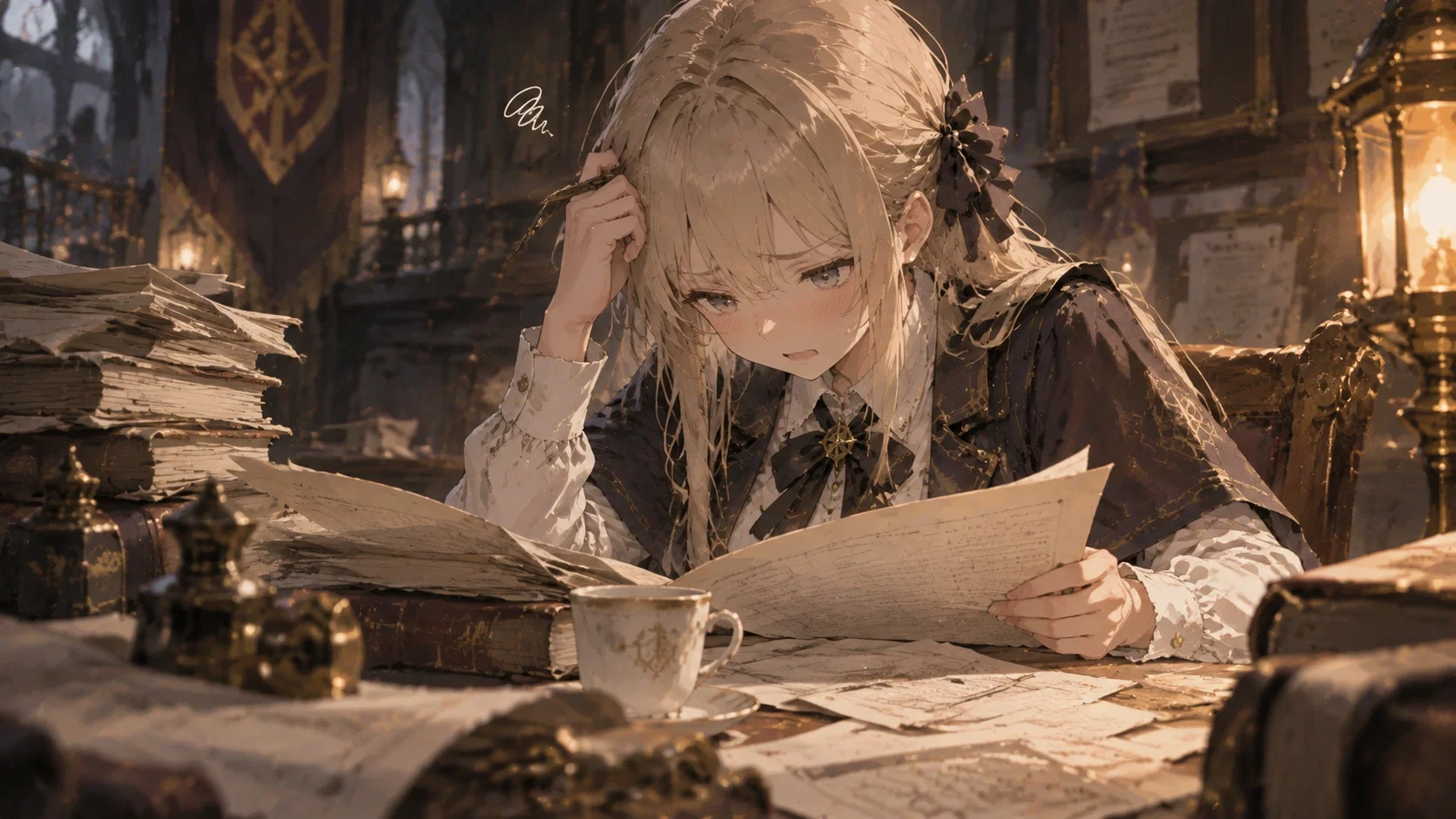
The Adventurers' Guild is a continent-wide network of chartered guild halls. It registers adventurers, issues contracts, verifies ranks, records information about monsters and hazards, and provides maps, healers, lodging and intelligence.
Adventurers exist to handle threats too dangerous for ordinary civilians but too limited or localized to justify deploying an army. Typical work is small and unglamorous: monster extermination, missing caravans, escort contracts, undead outbreaks, goblin raids, dangerous beasts, ruined dungeons, monster nests.
The Guild is not an army and does not create heroes. It organizes, evaluates and supports people willing to face dangers that ordinary society cannot efficiently handle.
A guild hall is part office, part inn and part rumour exchange. It is where a village posts a notice, where a caravan finds a guard, and where a young person with more courage than sense finds out what they are actually capable of.
05 Adventurer Ranks+ D through S, measuring experience, judgement, and the danger a person can be trusted to face. Each rank has a description of what it can handle, and each ends the same way: rank describes what you may survive, not how the fight ends. Most adventurers never leave D and C.
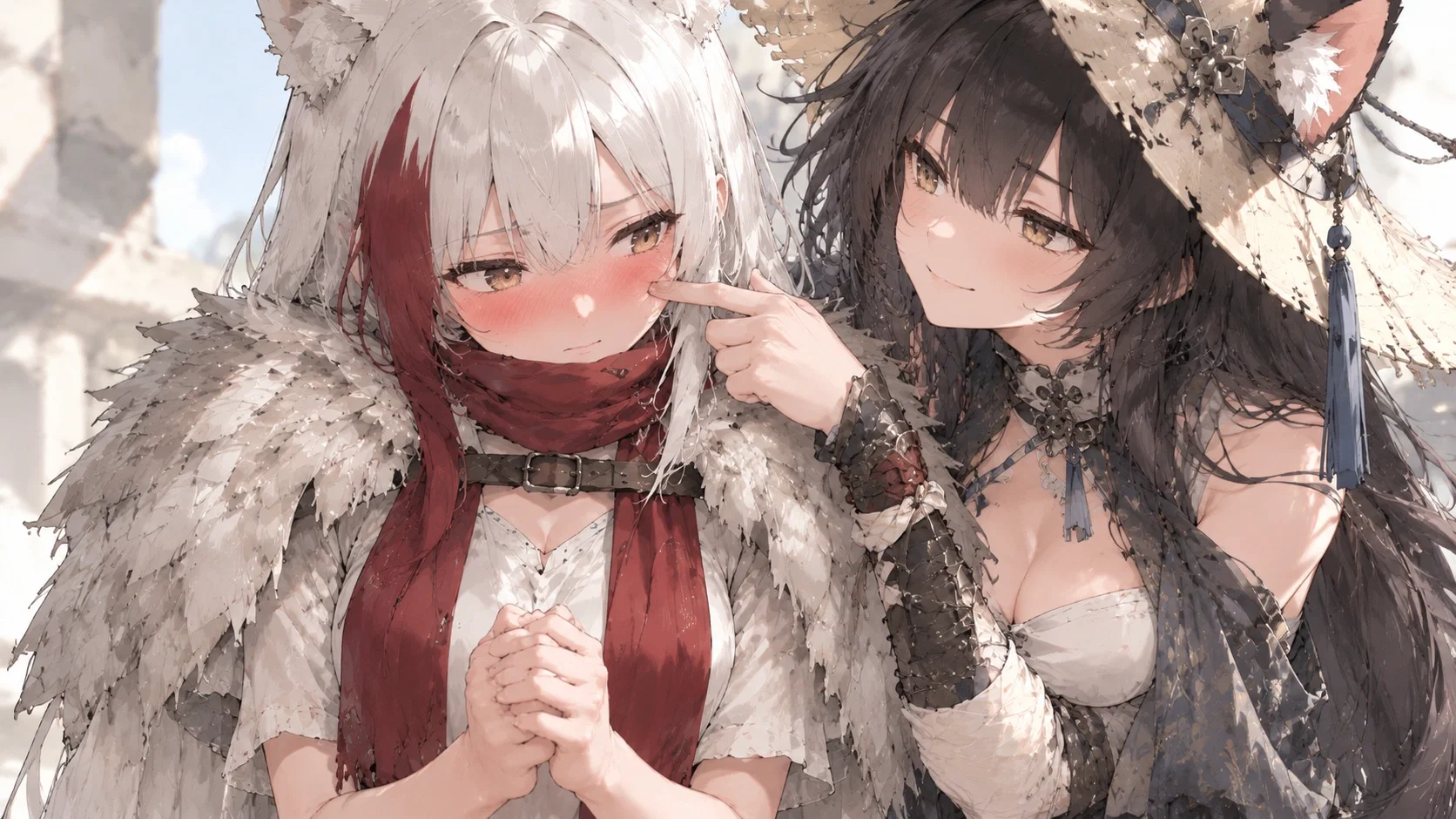
Guild ranks are D, C, B, A and S.
Ranks measure more than raw combat strength. They also represent experience, judgment, survival ability, teamwork, and the level of danger an adventurer can reasonably be trusted to face.
"Rank describes the danger you may survive, not the outcome of the fight."
Licensed professionals. Suitable for slimes, oversized animals, weak undead, lone goblins, minor magical pests and simple escort work.
D-ranks are stronger and more experienced than ordinary civilians but remain completely mortal.
Experienced adventurers. Suitable for goblin bands, orcs, ghouls, giant spiders, lesser trolls, bandits and small monster nests.
A veteran C-rank may defeat several ordinary fighters but cannot casually break a disciplined military formation.
Elite adventurers. Capable of confronting ogres, trolls, young drakes, lesser wyverns, powerful undead and dangerous magical beasts.
To ordinary people, B-ranks may appear nearly superhuman. They can still die to arrows, poison, exhaustion, ambush or superior numbers.
Regional strategic assets. A-ranks may face adult wyverns, true giants, lesser dragons, or threats capable of destroying towns.
They can influence battles but cannot replace armies.
Exceptional individuals whose abilities exceed normal classification. They may be legendary warriors, archmages, monster hunters, or people with rare abilities.
S-rank does not mean invincible. Even an S-rank can be exhausted, ambushed, surrounded, wounded or killed.
Most adventurers are D- and C-rank, and most of them will never fight anything legendary. They clear a nest, escort a cart, find a missing child, and go home. It is a job, and a useful one.
06 Monsters and Dragons+ Monsters were here before anything else, and most of them are ordinary animals with worse manners. Dragon is a species, not a rank. Powerful individuals exist and do not make armies obsolete — an adventurer can kill a monster, but only an army holds a road.
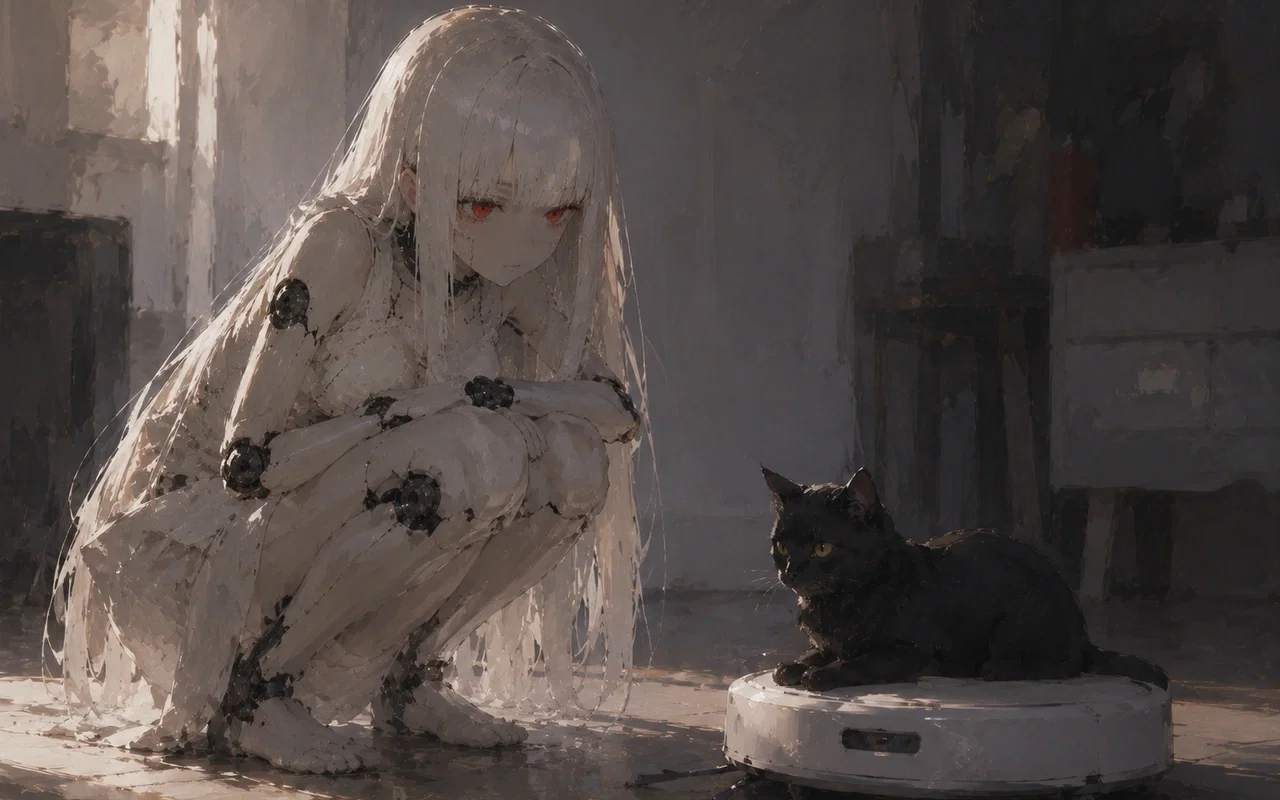
Monsters existed in the world long before anything else did. Common kinds include slimes, goblins, orcs, trolls, ogres, giant spiders, undead, elementals, wyverns, drakes, magical beasts, spirits and ancient monsters.
Most of them are ordinary animals with worse manners. They live in the woods, in the ruins, in the old mines and under the bridges, and people deal with them the way people deal with weather: notice it, plan around it, and complain about it.
Dragon is a species, not a threat rank.
A young dragon may be approximately B- or A-rank. A mature true dragon is commonly A-rank. Ancient dragons may reach S-rank.
Some dragons are fully intelligent and capable of speech, diplomacy, long-term planning and independent political goals. They are also extremely rare, and most people will never see one.
Powerful individuals exist, and they do not make armies obsolete.
Adventurers are rare and can become exhausted. They cannot defend hundreds of miles of territory and remain vulnerable to massed arrows, traps, attrition and superior numbers.
An adventurer can kill a monster. An army can protect roads, cities, farms and borders for months or years.
Even the strongest individuals remain part of the world rather than standing above it.
A house, a river, a friend, a name. The part of a life that everything else exists to protect.
07 Ordinary Life+ Most of this world is not dramatic, and that is the point. A forge, a church, a tavern, a river, a headman of thirty years. What a life here is actually made of: a door that does not lock, someone who notices if you do not come back, and a name people use when they talk about you.
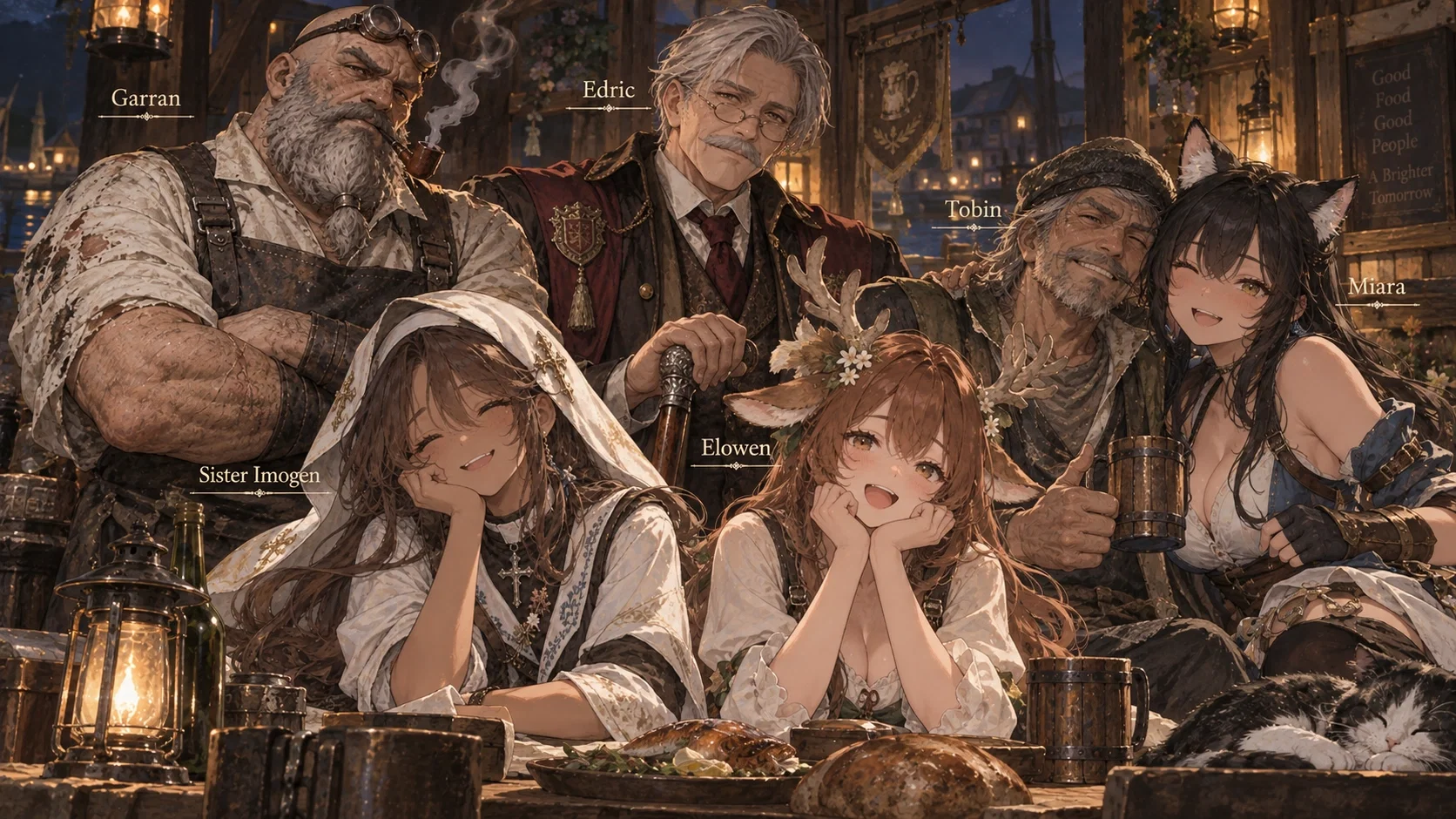
Most of this world is not dramatic, and that is the point.
A village is a forge, a church, a tavern, a river, and a headman who has held the post for thirty years. A road is mud in spring and dust in summer and the only way to anywhere. A market is the one day a week when everyone is in the same place.
People here farm, fish, mend nets, bake bread, argue about fences, raise children, bury grandparents and die in their own beds.
What a life here is actually made of:
• A house with a door that does not lock.
• Someone who will notice if you do not come back.
• Work that is the same on Tuesday as it was on Monday.
• The particular smell of the river in the early morning.
• A name that people use when they talk about you.
Stories set in this world are usually small. They are about a girl learning to live in a town, a woman who feeds someone she should not, a watchman who has stood in the same place for twenty years. They are no less serious for being small.
This book will keep changing. Thank you for reading this far. If you like this world, leave a comment.
Lorebook source
Please log in to see comments