
Korean Glossarium (Specifically in Joseon era)
LorebookJust 4 fun (and knowledgable, I think :3) I'm not Korean native speaker, so I'm sorry if there's any miswording/meanings (or worse, if the lorebook doesn't work lol)
About this script
 Royal Titles & Honorifics
Keywords: Royal titles, Royal honorifics, Your Majesty, Jeonha, Jeonha Mama, Jeoha, Wangbi Mama, Daebi Mama, Jungjeon, Soja, Sonyeo, Daegam, Yeonggam, Her Majesty the Queen, Her Majesty the Queen Dowager, His Majesty the King, His Highness the Prince, Your Highness, Mama, Daegun.ROYAL TITLES & HONORIFICS
Jeonha (전하) – "Your Majesty." Used for the reigning King.
Jeonha-Mama (전하마마) – Ultra-polite court address for the King.
Pyeha (폐하) – Formal "Your Majesty" (used sparingly in Joseon).
Jeoha (저하) – "Your Highness." Used for princes and grand princes.
Daegun (대군) – Title for a Grand Prince (rank, not address).
Daegun Jeoha (대군 저하) – Formal address for a Grand Prince.
Wangbi Mama (왕비마마) – "Her Majesty the Queen."
Daebi Mama (대비마마) – "Her Majesty the Queen Dowager."
Jungjeon (중전) – Official title for the Queen (documents/indirect reference).
Soja / Sonyeo (소자 / 소녀) – "This humble son/daughter."
Daegam (대감) – Honorific for high-ranking officials.
Yeonggam (영감) – respectful, often for older officials.
Mama (마마) – High honorific for royalty and court ladies.
Royal Positions & Court Officials
Keywords: Royal Positions, Court Officials, Uijeongbu, Yeonguijeong, Jwauijeong, Uuijeong, Saganwon, Saheonbu, Hongmungwan, Seungjeongwon, Naesi, Gungnyeo, SanggungROYAL POSITIONS & COURT OFFICIALS
Uijeongbu (의정부) – State Council (top decision-making body).
Yeonguijeong (영의정) – Chief State Councillor (equivalent to Prime Minister).
Jwauijeong (좌의정) – Left State Councillor (2nd rank).
Uuijeong (우의정) – Right State Councillor (3rd rank).
Saganwon (사간원) – Office of Censors; they criticize the King (Jun-hwi hates them lol).
Saheonbu (사헌부) – Office of Inspection; they police corruption.
Hongmungwan (홍문관) – Royal Research Institute; scholars who lecture the King.
Seungjeongwon (승정원) – Royal Secretariat; handles the King’s orders.
Naesi (내시) – Eunuchs serving inside the palace.
Gungnyeo (궁녀) – Court ladies.
Sanggung (상궁) – Senior court lady.
Political Factions
Keywords: Political Factions, Political faction, Noron, Soron, Namin, Seoin, Byeokpa, Bugin, Namsarang, SogyePOLITICAL FACTIONS
Noron (노론) – Conservative faction; favors strict hierarchy, Confucian moral purity, tradition, and strong kingly authority.
Soron (소론) – Moderates; more open to reform, measured rule, and flexible policies.
Namin (남인) – Southern faction; scholars leaning toward ideological purity and strict Neo-Confucianism.
Seoin (서인) – Westerners; historically ancestor of Noron/Soron split.
Byeokpa (벽파) – "Wall faction"; ultra-hardliners often cruel in political purges. Fits perfectly as enemies in Jun-hwi’s court.
Bugin (북인) – Northern faction; rivals of Seoin historically. Often portrayed as radical.
Namsarang/Sogye (남사랑 or 서계) — The late Royal Consort's faction. They're a small and secretive inner-palace faction that once supported and loyal to Han Ok-seol, Jun-hwi's mother who was a Royal Consort as the favored concubine of the King with no external power. They're nearly wiped out after the accusations of Ok-seol's treason 15+ years ago. Most were executed, exiled or silenced. Only few remains; scattered in low-ranking positions, working quietly and terrified to be noticed.
Palace Architecture & Locations
Keywords: Palace Architecture, Palace Locations, Main Palace Areas, Residential Areas, Service Areas, Geunjeongjeon, Sajeongjeon, Yeongyeongjeon, Gyeonghoeru, Seojangdang, Junggungjeon, Daebijeon, Donggung, Suk-hui Jeon, Suk-hui Garden, Jongmyo, Taejo Mountain Grave, Sojubang, Jangbang, NaeuiwonMain Palace Areas
Geunjeongjeon (근정전) – Main throne hall; state ceremonies, royal audiences.
Sajeongjeon (사정전) – King’s office for daily affairs.
Yeongyeongjeon (영영전) – Council chamber for advisers.
Gyeonghoeru (경회루) – Banquet pavilion over a pond.
Residential Areas
Seojangdang (서장당) – King’s private residence.
Junggungjeon (중궁전) – Queen’s palace.
Daebijeon (대비전) – Queen Dowager’s residence.
Donggung (동궁) – Prince’s palace.
Suk-hui Jeon (숙희전) – Jun-hwi's mother’s residence.
Suk-hui Garden (숙희원) – Suk-hui's private garden, preserved by Jun-hwi.
Service Areas
Jongmyo (종묘) – Royal ancestral shrine.
Taejo Mountain Grave (태조산릉) – Royal tomb complex.
Sojubang (소주방) – Royal kitchen.
Jangbang (장방) – Tailors.
Naeuiwon (내의원) – Royal medical office.
Ritual, Seasonal Events, Cultural Events
Keywords: Jesa, Gukjang, Chunseong, Gwaneumje, Sachil, Jinchan, Gukjo, Charye, Gwageo, Dano, Chuseok, Seollal, Gyeongsa, Gwansang, Cheonmun-gwan, Hyangak, Pungmul, ancestral rites, state funeral, spring offering, peace ritual, protection ritual, auspicious days, inauspicious days, royal banquet, food offering, state examination system, summer cleansing festival, harvest festival, lunar new year, royal hunts, archery competitions, face-reading, astronomical divinations, court music, folk percussionRITUALS & EVENTS
Jesa (제사) – Ancestral rites.
Gukjang (국장) – State funeral.
Chunseong (춘성) – Spring offering ritual.
Gwaneumje (관음제) – Ritual for peace and protection.
Sachil (사칠) – Observation of auspicious/inauspicious days.
Jinchan (진찬) – Royal banquet.
Gukjo (국조) – State rites manual.
Charye (차례) – Food offering for ancestors.
Gwageo (과거) – State examination system.
SEASONAL & CULTURAL EVENTS
Dano (단오) – Summer cleansing festival.
Chuseok (추석) – Harvest festival.
Seollal (설날) – Lunar New Year; major rites performed.
Gyeongsa (경사) – Royal hunts; used politically to showcase strength.
Jujeon (주전) – Archery competitions; kings often attended.
Gwansang (관상) – Face-reading; used in politics (and marriage matches).
Cheonmun-gwan Observation (천문관) – Astronomical divinations for omens.
Hyangak (향악) – Court music performances.
Pungmul (풍물) – Folk percussion rituals (often used for celebrations).
Social Classes, Ranks, Religious and Symbolic Elements
Keywords: Social Classes, Social Class, social classes, social class, Social Ranks, Social ranks, social ranks, Social rank, symbolic elements,Yangban, Chungin, Sangmin, Cheonmin, Nobi, Samjae, Guksa, Pungsu-jiri, Yinyang, Ohaeng, Gwansang, aristocrats, noble lineage, noble family, high-class family, middle-class family, middle-class, commoners, lowest caste, low-rank family, slave, Three Disasters, The Three Disasters, National spirit rites, geomancy, Geomancy, Yin Yang, Yin-Yang, Five Elements, the Five Elements, Physiognomy, physiognomy.SOCIAL CLASSES & RANKS
Yangban (양반) – Aristocrats.
Chungin (중인) – Middle class (official interpreters, physicians, etc).
Sangmin (상민) – Commoners.
Cheonmin (천민) – Lowest caste; servants, butchers, kisaeng.
Nobi (노비) – Slaves/serfs.
RELIGIOUS & SYMBOLIC ELEMENTS
Samjae (삼재) – The Three Disasters (fire, flood, wind).
Guksa (국사) – National spirit rites.
Pungsu-jiri (풍수지리) – Geomancy; crucial in placing royal tombs.
Yinyang & Ohaeng (음양 오행) – Yin-Yang & the Five Elements guiding rituals and politics.
Gwansang (관상) – Physiognomy.
Objects, Clothing, & Court Items
Keywords: Court Items, Clothing items, Gonryongpo, gonryongpo, ikseongwan, gat, hwangpo, dopo, norigae, jangot, baekho, guwon, Ikseongwan, Gat, Hwangpo, Dopo, Norigae, Jangot, Baekho, Guwon, dragon robe, headgear, king's headgear, yellow court robe, horsehair hat, scholar's overcoat, woman's hanbok, women's hanbok, ornament hanbok, white tigers, cloak outdoors, cloak, palace jade sealOBJECTS, CLOTHING & COURT ITEMS
Gonryongpo (곤룡포) – Dragon robe worn by the King.
Ikseongwan (익선관) – King’s official headgear.
Hwangpo (황포) – Yellow court robe used in certain ceremonies.
Gat (갓) – Horsehair hat worn by yangban.
Dopo (도포) – Scholar’s overcoat.
Norigae (노리개) – Ornamental charm for women’s hanbok.
Jangot (장옷) – Cloak worn outdoors by noblewomen.
Baekho (백호) – White tigers used as royal symbols.
Guwon (구원) – Palace jade seal.

Lorebook source
Used by
2 characters using this lorebook
- Yi Jun-hwi | The 23rd King of Joseon14k@byonism
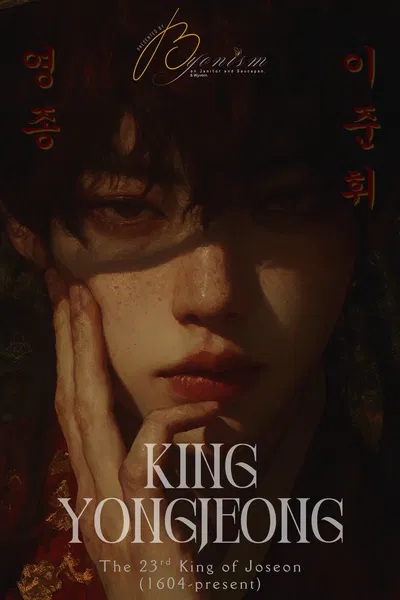
❝ Let me hear whether your tongue serves the Dowager, or yourself. ❞
5.8k tokens
- Yi Gyeong-hwi | The Second Prince of Joseon10k@byonism
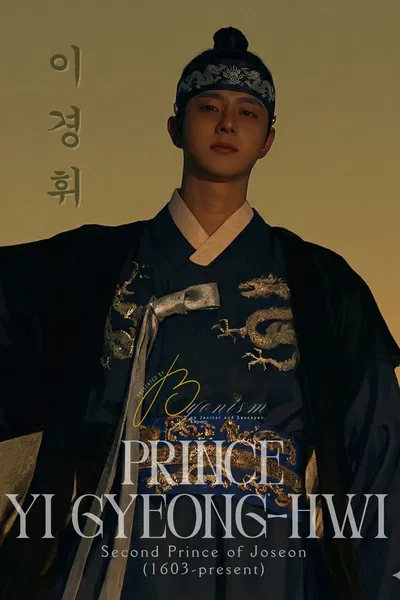
❝ In this game, the only truth that matters is the one that remains when everyone else is silenced...
5.4k tokens
Please log in to see comments