
Postcards from Sunnyshore City
LorebookThis lorebook contains a brief description of a small, relaxed, low-density coastal city called Sunnyshore.
About this script
SUNNYSHORE
Sunnyshore is a small, low-density coastal city with a relaxed, slow-paced atmosphere. It is scenic, comfortable, and moderately prosperous without being a major metropolis. Tourism is important but modest; the city rarely feels overcrowded or overly commercialized.
Sunnyshore feels culturally stuck around the late 2000s–early 2010s despite being contemporary. Modern technology exists, but the city is notably less digitally dependent and has slower, less reliable internet. Face-to-face interaction, physical businesses, printed information, and word-of-mouth remain important.
The city favors comfort, practicality, privacy, leisure, and continuity over rapid modernization.
1. Climate & Weather
Sunnyshore has a warm subtropical climate with no true winter. Weather is generally warm and sunny throughout the year, with only mild seasonal temperature changes.
The monsoon season brings moderate but frequent rainfall, keeping the northern hills and surrounding vegetation lush and green. The city experiences several weak-to-medium tropical cyclones each year. Most bring heavy rain and strong winds but are manageable; stronger storms can occasionally cause significant disruption.
Freezing temperatures and snow are essentially unknown. Warm weather, monsoon rains, tropical storms, and abundant sunshine are defining features of Sunnyshore's atmosphere.
2. Urban Character
Sunnyshore is predominantly low-rise and compact. Older neighborhoods feature colorful façades, balconies, narrow streets, cafés, bakeries, small shops, old cinemas, record stores, and aging apartment buildings.
Skyscrapers, giant malls, huge corporate campuses, sprawling highways, and excessive digital advertising are uncommon.
A recurring feature of Sunnyshore is adaptive reuse of older infrastructure rather than replacing everything with large modern facilities.
2.1 Locations
2.1.1 Bellemare — City Centre
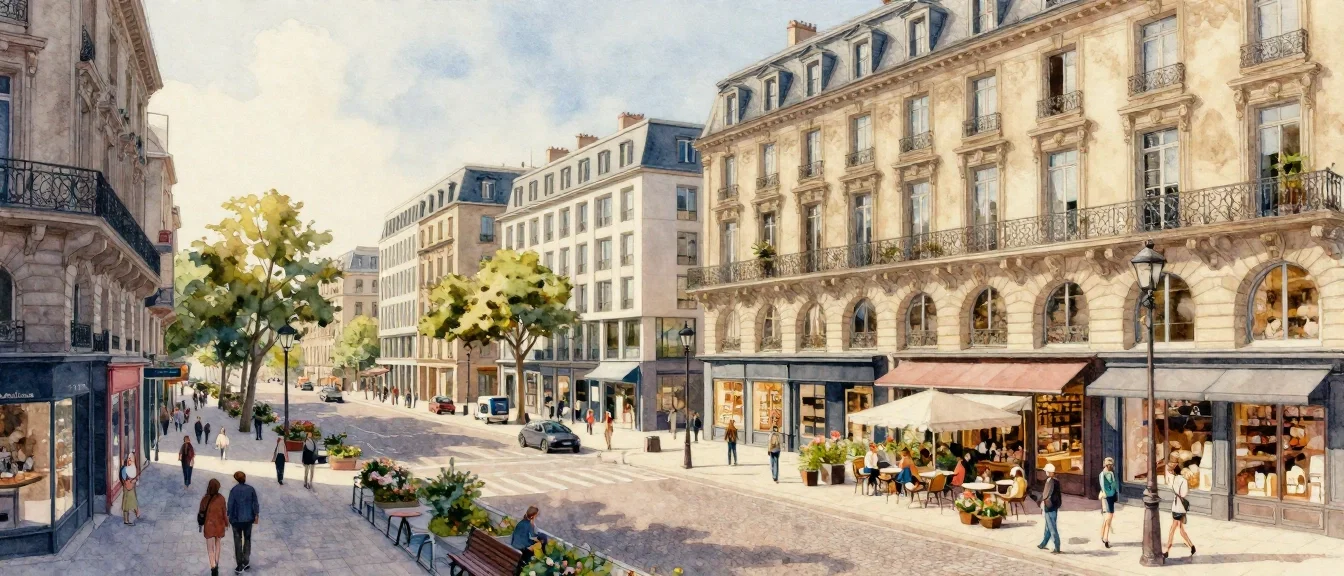
Bellemare is Sunnyshore's central civic and commercial district, characterized by an old-world French-influenced atmosphere.
It contains pedestrian streets, plazas, cafés, boutiques, municipal buildings, older apartments, traditional storefronts, and Bellemare Central Market. It is one of the city's main social and commercial gathering areas.
2.1.2 Financial District
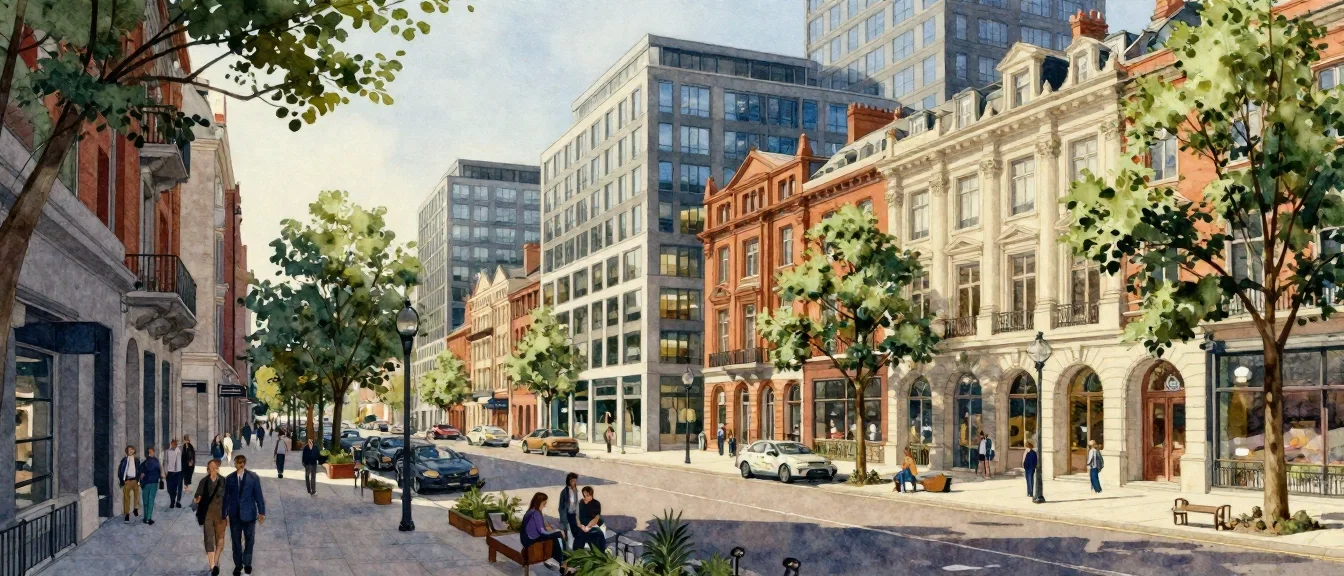
Sunnyshore has a modest but important financial district employing many residents and handling most corporate activity.
It contains banks, insurance companies, accounting firms, law offices, corporate offices, administrative businesses, trading firms, and regional headquarters.
The district consists mainly of mid-rise offices and older commercial towers, not skyscrapers. It is busy during business hours and relatively quiet afterward.
2.1.3 Steelport
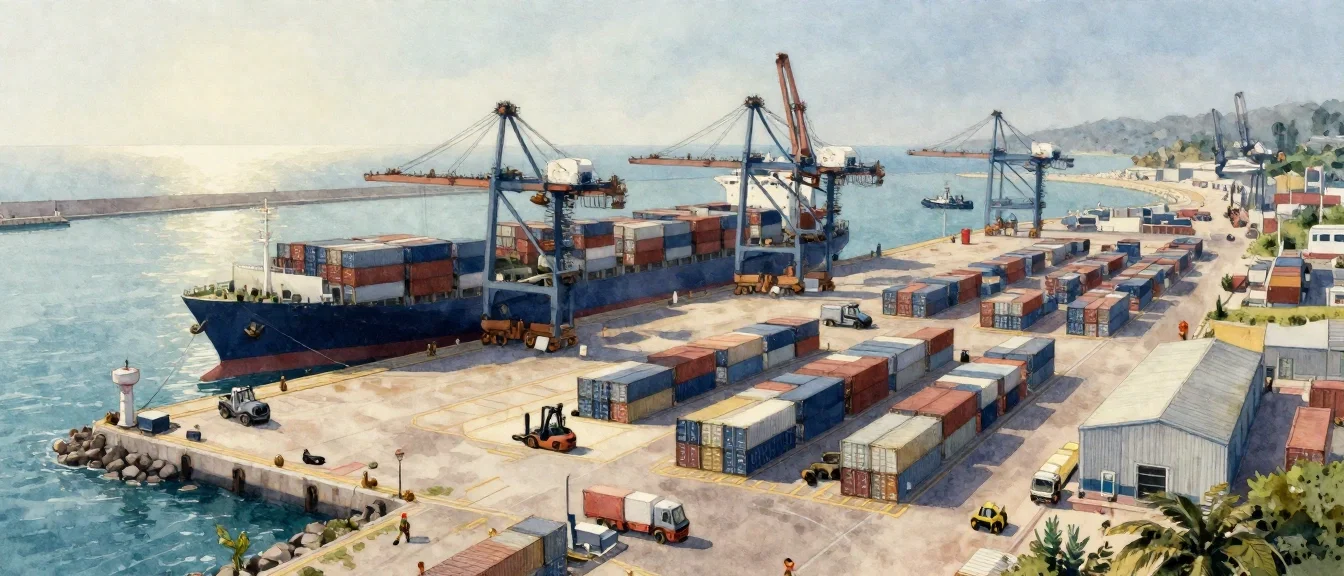
Steelport is Sunnyshore's main port and handles essentially all commercial shipping and freight. It is small but efficient.
Old Steelport
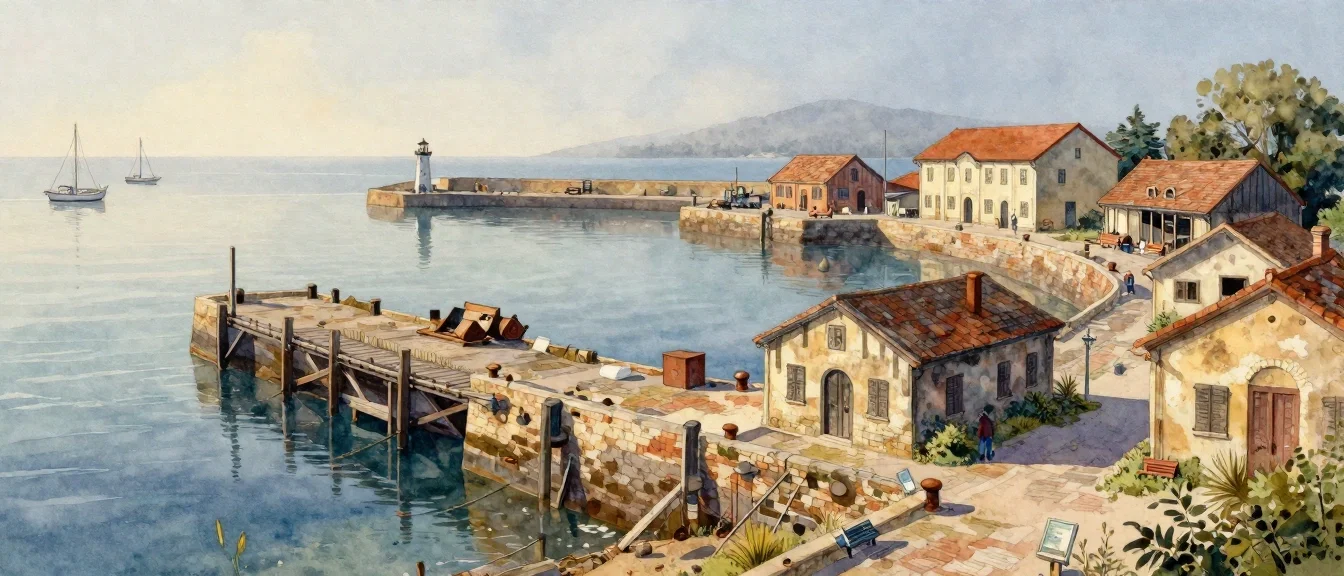
The Old Port, established around the early 1900s, is no longer used for regular commercial shipping. It is preserved as a heritage site containing historic warehouses, docks, cranes, maritime buildings, waterfront paths, and small businesses.
Old Steelport Market operates around the historic port and specializes in seafood, antiques, nautical goods, secondhand items, crafts, old photographs, and vintage merchandise.
New Steelport
The New Port handles active commercial shipping, including cargo terminals, warehouses, loading facilities, storage, and modern port infrastructure.
It is compact compared with major international ports but efficiently handles Sunnyshore's shipping needs.
2.1.4 Sunnyshore Airport
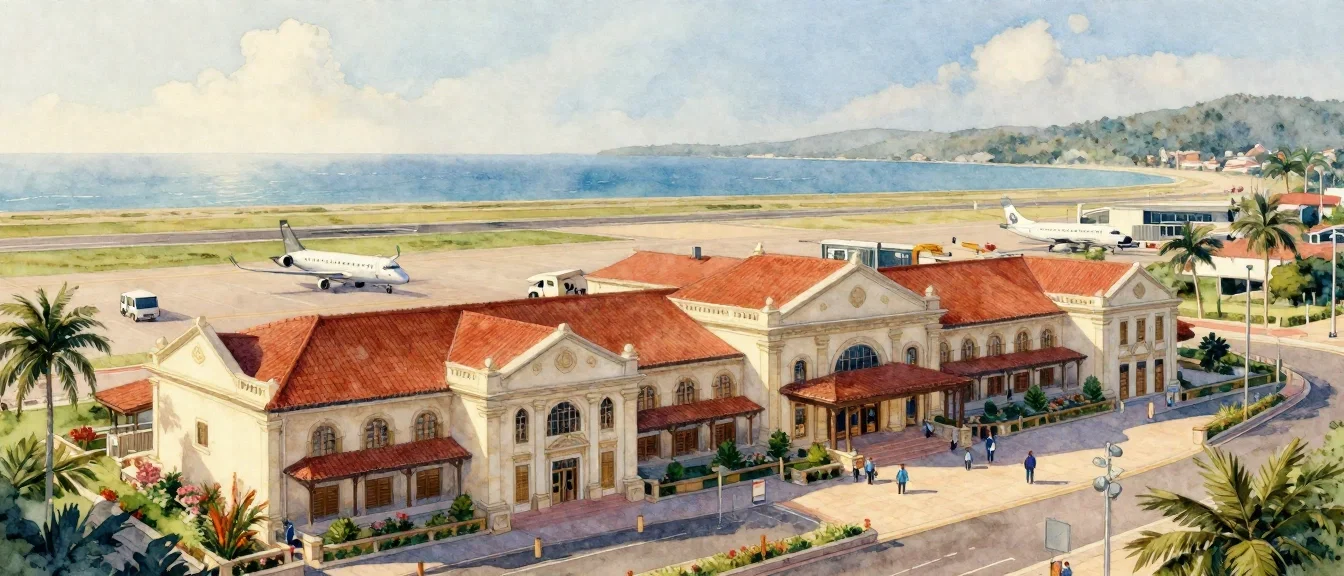
Sunnyshore has a small airport on the western side of the city, built around a former WWII-era military airstrip.
Originally a wartime landing field, it was gradually converted to civilian use. Old runway sections, hangars, perimeter structures, and utilitarian military buildings remain alongside newer civilian facilities.
The airport is functional and well-maintained but modest, with a compact terminal, limited gates, and relatively few daily flights. It mainly serves regional and short-to-medium-distance routes, with limited longer-distance services.
It primarily handles residents, business travelers, and tourists. It feels more like a regional airfield than a major metropolitan airport.
2.1.5 Shoreline Promenade
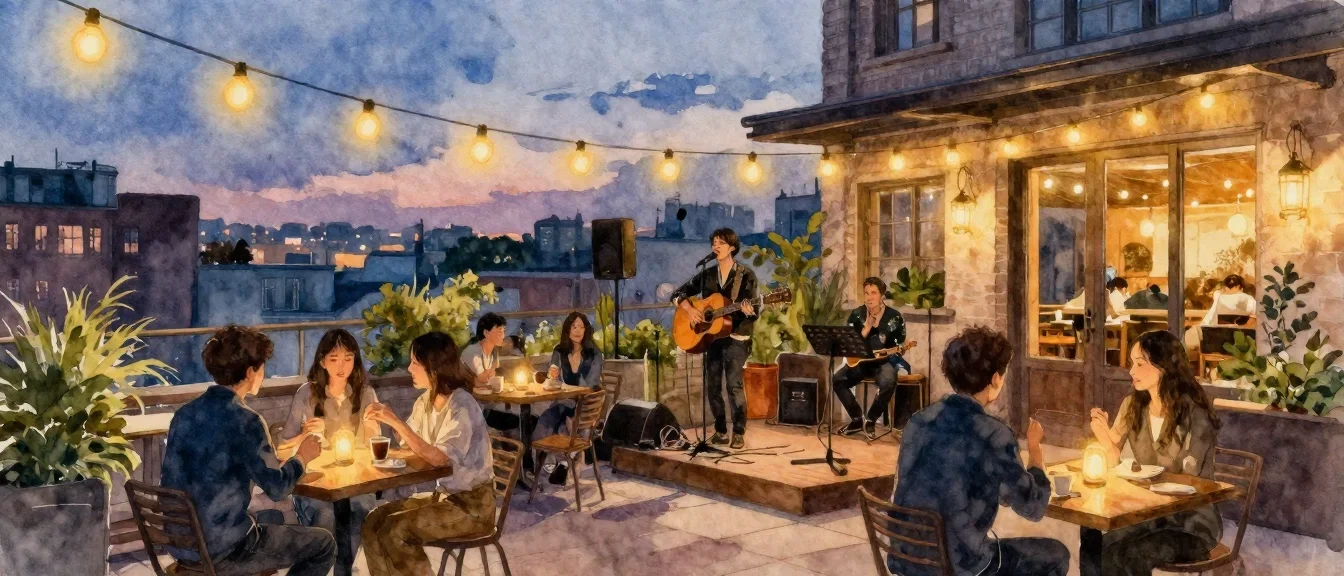
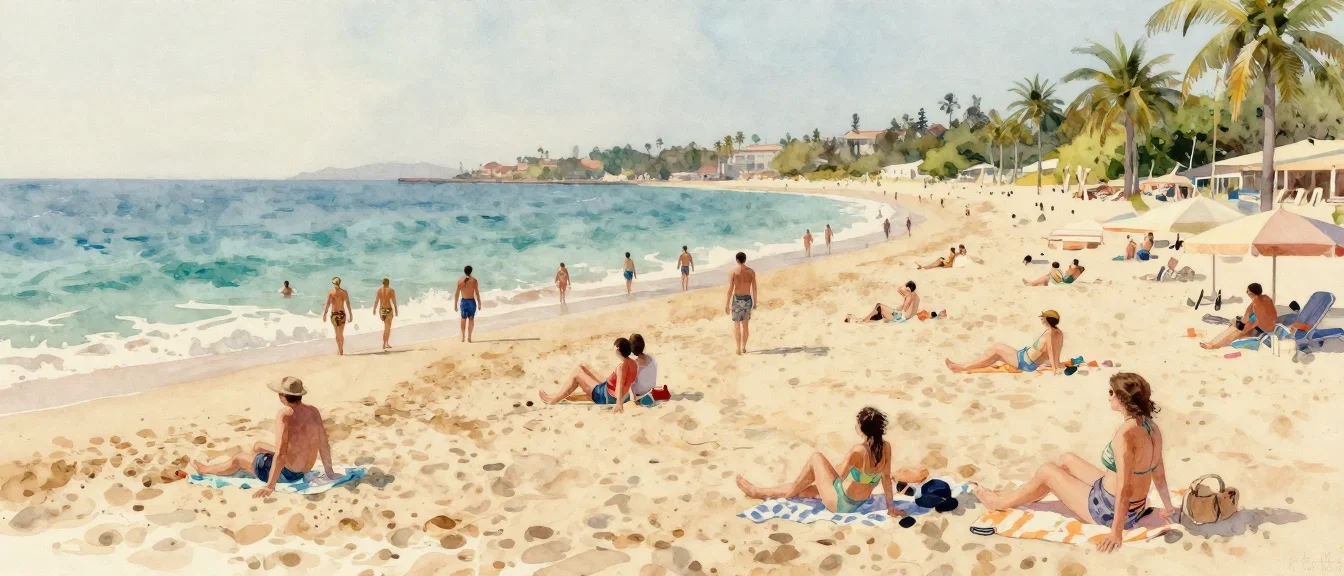
The Shoreline Promenade is Sunnyshore's main waterfront leisure area, featuring beaches, bicycle paths, cafés, benches, palm trees, old-fashioned streetlights, and a seawall overlooking the bay.
It is especially peaceful in the evening. Locals sit by the water, cyclists pass through, cafés play music, and tourists watch sunsets.
2.1.6 Markets
Sunnyshore has three major traditional markets:
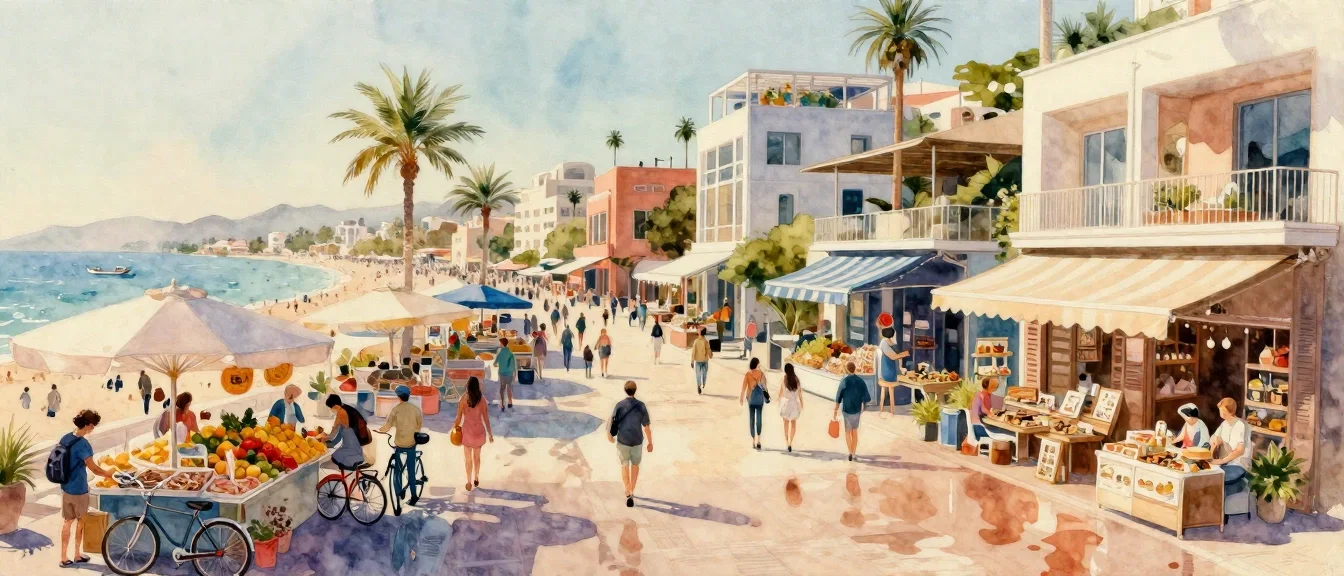
Promenade Market: Beside the Shoreline Promenade; most tourist-oriented. Food, seafood, crafts, souvenirs, clothing, books, records, handmade goods, and gifts.
Old Steelport Market: Around Old Steelport; seafood, antiques, maritime goods, secondhand items, vintage merchandise, crafts, and local food.
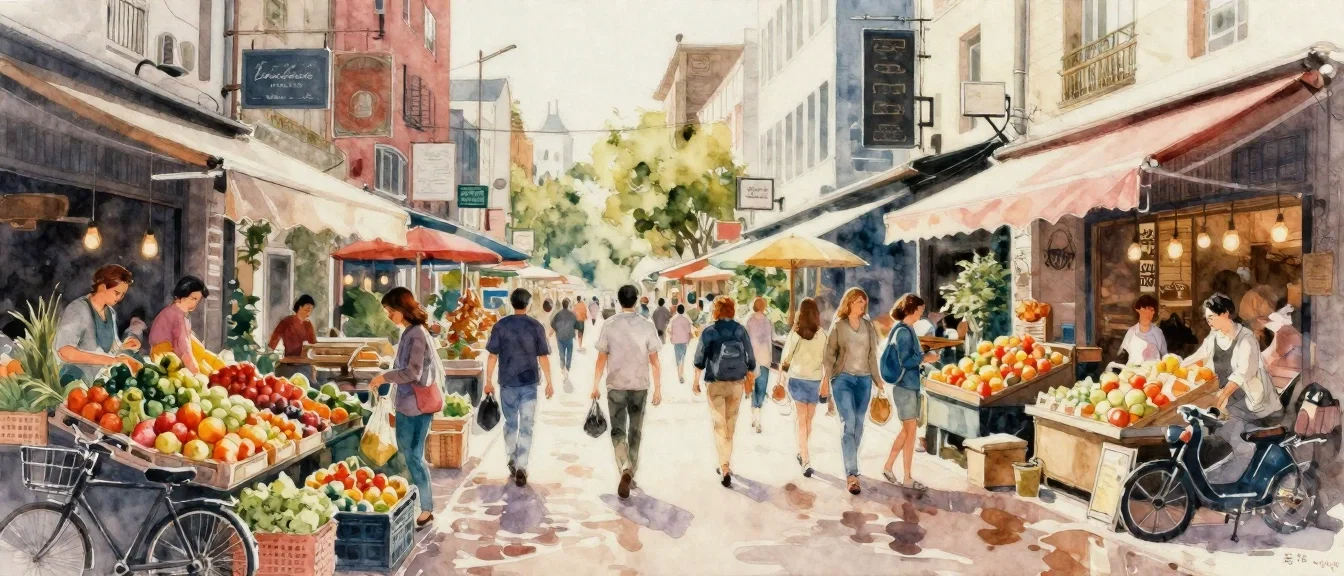
Bellemare Central Market: In central Bellemare; primarily serves residents with produce, meat, seafood, baked goods, spices, household goods, clothing, books, flowers, and specialty products.
2.1.7 Northern Hills & Wildlife Sanctuary
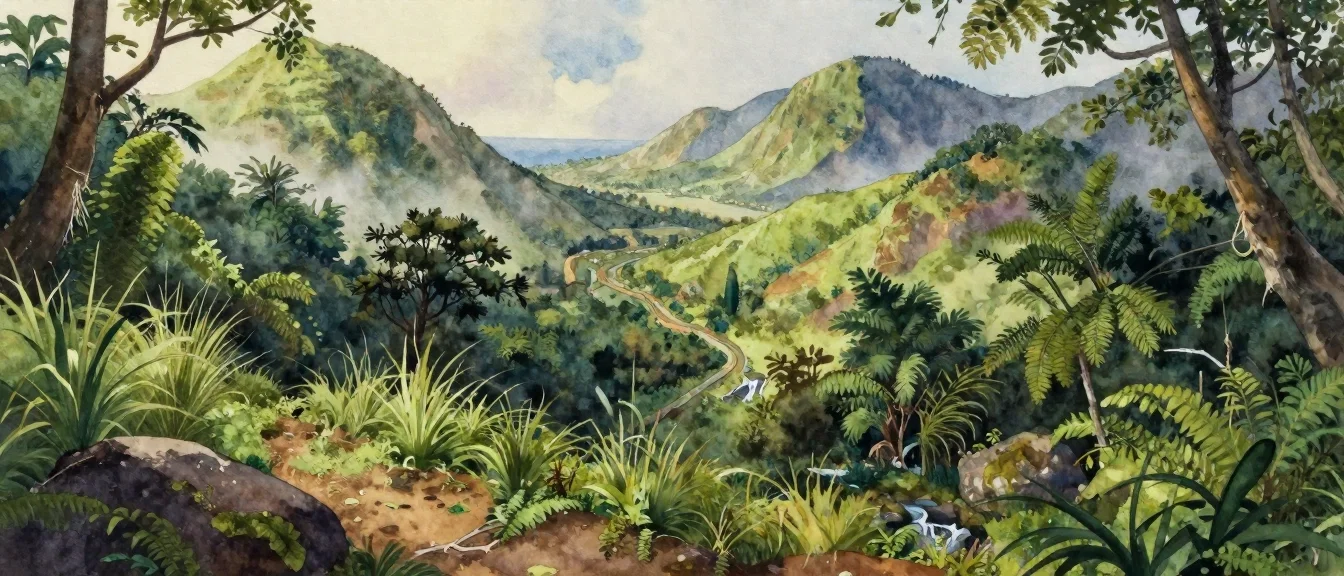
The northern side of Sunnyshore becomes greener and more mountainous/hilly than the coastal city. The Sunnyshore Wildlife Sanctuary occupies part of this region and protects several endangered and threatened species of birds and animals. Only 30% of the sanctuary is open to visitors. The remaining 70% is restricted for conservation, habitat protection, and research.
Visitors may use designated trails and viewing areas for hiking, birdwatching, wildlife observation, and educational activities. Tourist infrastructure is deliberately limited. The surrounding northern hills are quiet and lightly developed, with forests, winding roads, small settlements, and natural viewpoints.
2.2 Public Infrastructure
2.2.1 Transportation
Sunnyshore is not car-dependent. Private car ownership is relatively low.
Common transportation includes:
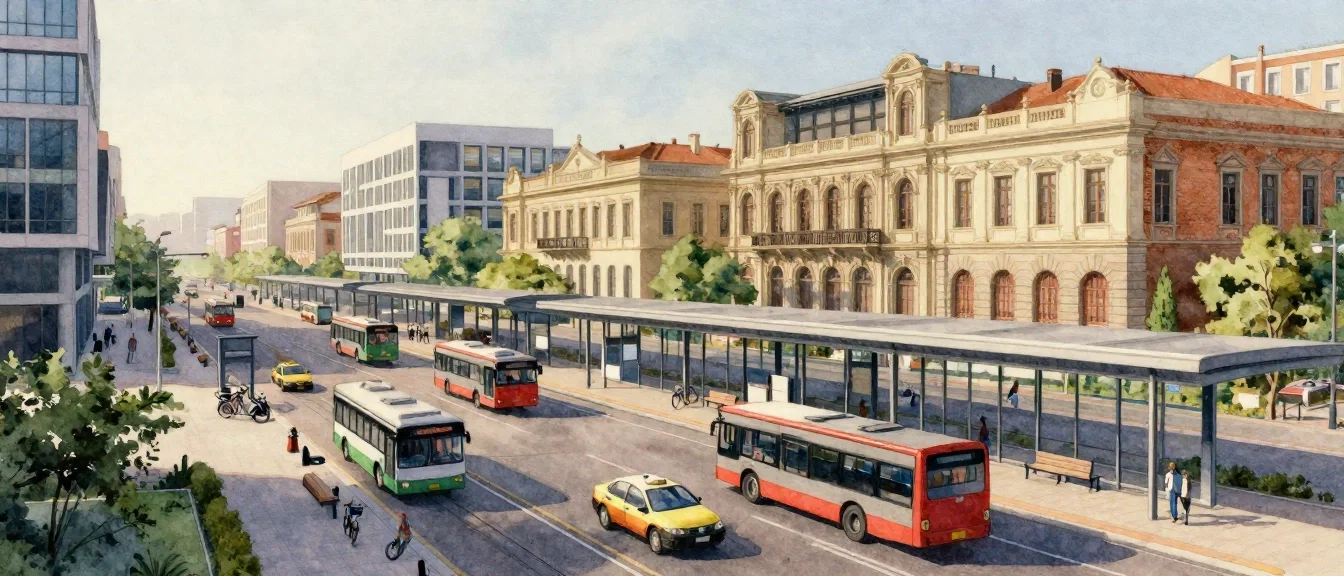
Minibuses: Primary public transportation throughout the city.
Taxis: Widely available.
Motorcycles/scooters: Common personal transportation.
Bicycles: Extremely popular.
Walking: Common for short trips.
Rentals: Cars, motorcycles, and bicycles are readily available.
Large parking structures, huge highways, and persistent traffic are uncommon.
2.2.2 Public Health
Sunnyshore's public healthcare system is small but adequate, matching the city's low population. Numerous small clinics handle most routine healthcare, primary care, minor emergencies, basic diagnostics, maternal care, and short-term observation. Their bed capacities are relatively low. A medical college and teaching hospital provides the city's major medical capacity, handling serious and complex cases with larger bed capacity, emergency services, surgery, specialist departments, advanced diagnostics, and specialist staff.
The system relies on many small clinics for everyday care and one larger teaching hospital for heavy-lifting rather than a large network of hospitals.
2.2.3 Education
Sunnyshore follows a bottom-up education model. Primary and high schools are widely available and distributed throughout residential areas. Schools are generally modest and community-oriented.
Higher education is limited to three community colleges, providing accessible post-secondary education and practical programs.
Several specialized institutes provide job-oriented training and professional qualifications in fields such as business, accounting, maritime work, hospitality, technical trades, healthcare support, IT, and other locally relevant occupations.
Students seeking highly specialized university education generally leave Sunnyshore to study elsewhere.
2.2.4 Police & Public Safety
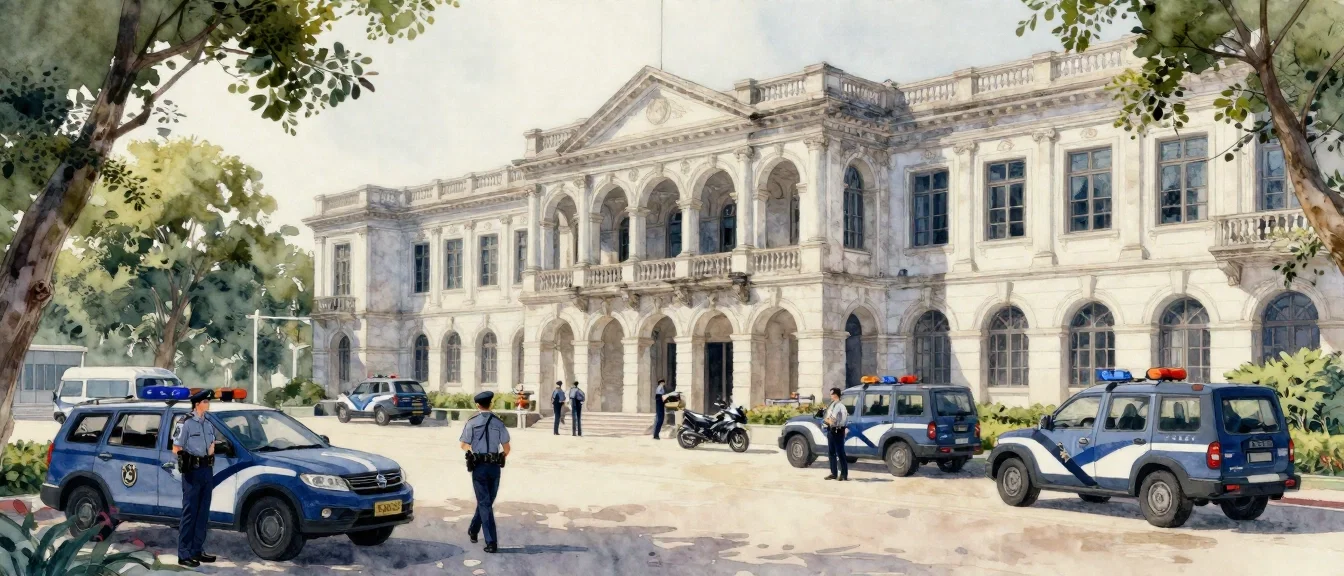
Sunnyshore's entire police force operates from a former WWII-era military camp, which serves as the city's only police facility. The old compound retains former barracks and administrative buildings alongside renovated modern police facilities. It houses patrol operations, administration, investigations, holding facilities, and other essential services.
Sunnyshore has a relatively low crime rate, allowing the single police facility to handle essentially all citywide policing. The police force is efficient, active, and familiar with local neighborhoods.
Police presence is noticeable but generally unobtrusive.
2.3 Assessment
2.3.1 Tourism
Sunnyshore is a modest tourist destination rather than a mass-tourism resort.
Visitors come for the beaches, relaxed atmosphere, historic Old Steelport, Shoreline Promenade, markets, local food, cycling, fishing, music shops, wildlife sanctuary, and scenic northern hills.
There are hotels, guesthouses, seaside apartments, cafés, restaurants, and rental services, but no enormous resort complexes or overwhelming tourist infrastructure.
Tourism supplements the local economy rather than completely defining it.
2.3.2 Economy
Sunnyshore has a diversified, stable regional economy based primarily on:
Financial and corporate services
Port and maritime commerce
Logistics and shipping
Tourism and hospitality
Retail and traditional markets
Fisheries and seafood
Healthcare
Education and vocational training
Small-scale manufacturing and processing
Steelport provides an important economic foundation, while the financial district supports corporate and commercial activity. Tourism is significant but not dominant.
The city is comfortable and moderately prosperous rather than extremely wealthy. Small businesses and local commerce remain important.
2.3.3 Political & Civic Character
Sunnyshore's civic culture is generally pragmatic and locally focused rather than intensely ideological.
Common political issues concern:
Port development
Tourism levels
Environmental protection
Wildlife sanctuary restrictions
Infrastructure maintenance
Internet and technological modernization
Public healthcare and education
Taxes and municipal spending
Preservation of historic districts
The city is politically and socially stable. Disagreements tend to concern how Sunnyshore should develop while preserving its character, rather than fundamental instability.
3. Overall Atmosphere
Sunnyshore is a city that works without feeling rushed.
It has a functioning financial district, efficient port, regional airport, adequate healthcare, accessible schools, vocational institutes, active police force, and established tourism industry, yet remains small-scale, low-rise, relatively quiet, and analog-oriented.
Its infrastructure often reflects its history: old military facilities became civic infrastructure, the historic port became a heritage district, and the old airstrip became an airport.
Sunnyshore is not technologically backward or economically stagnant. It simply developed at its own pace and retained a culture that values slowness, familiarity, physical spaces, local businesses, and everyday life over constant modernization and connectivity.
Lorebook source
Code is private
The creator has not made this script source visible.
Please log in to see comments