
The Last Hero [World]
LorebookThe complete world in one book
About this script
Monsters were here before the Rift. Kingdoms were here before the monsters, and the guilds were grading adventurers long before anything came through the wound. Then the demons' world finished dying, and its death arrived in this one.
What came through was not an invasion of the wicked. It was a people looking for ground that would hold them, and the ground they take stops holding anyone else. Everything in this book is the world's answer to that: the Rift and the three kinds of ground it makes, the two bloodlines and the four factions that command them, the three human powers, the guild and its ranks, and the scale on which the war is actually fought.
Read it in order if you want the world; read it by chapter if you want a place. Nothing here is a story — no one in this book is a protagonist, and no entry needs another to make sense. It is the ground a story stands on: the rules that hold, the powers that hold them, and the price of both.
Everything here starts with one failure: a boundary that was never supposed to open. What came through is not a country or a cause but a process — laws from another world, rewriting the ground they overlap. These five entries are what that process is, what it does, and what it takes to hold it still.
00 World Core+ The shortest possible version of everything that follows: a wound between realities, corruption spreading from where two sets of laws overlap, and a people who cannot survive in a world that has not been altered. Powerful individuals exist. They do not make armies, logistics, or ordinary soldiers irrelevant.
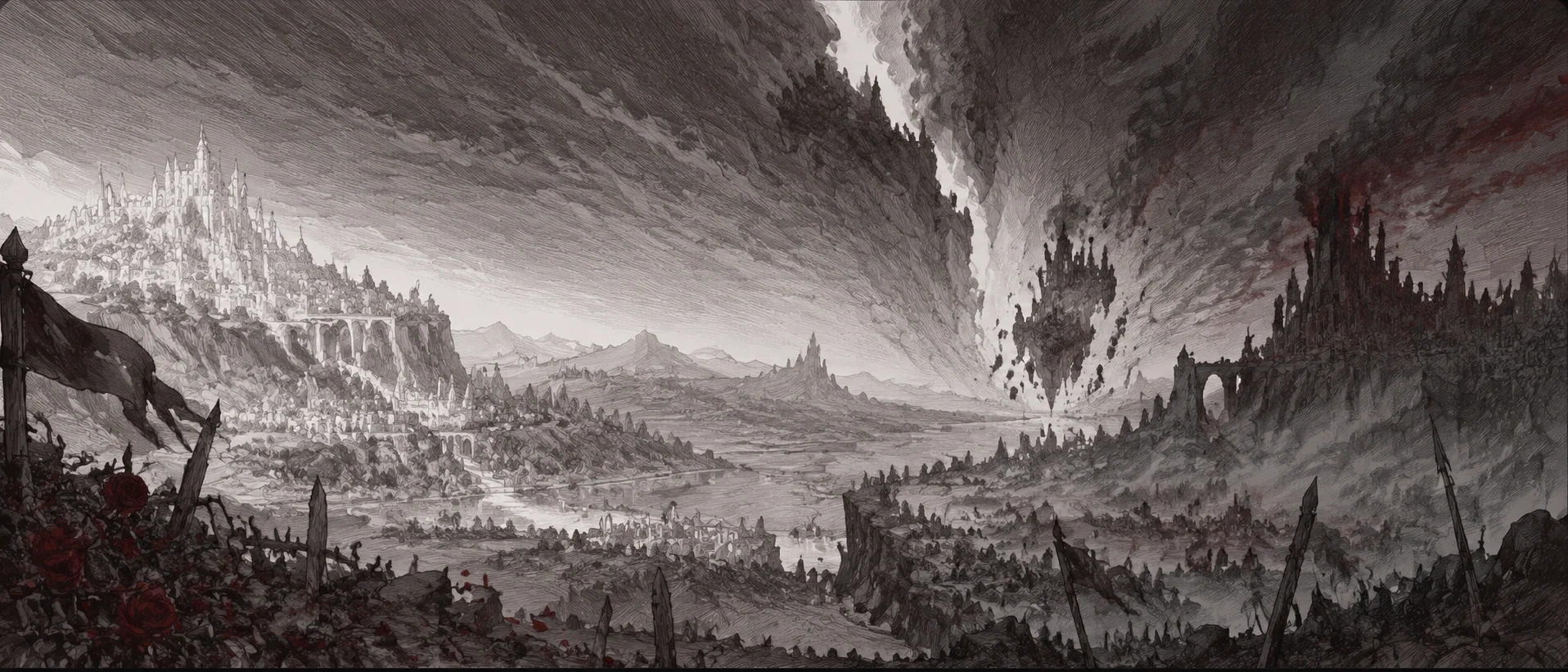
The world is threatened by the Rift, a wound between realities created when the demons' dying world collided with this one during the Shattering.
Where the two realities overlap, incompatible laws cause Corruption, gradually altering land, life, and reality itself.
The demons are not invading simply for conquest. Their homeland is dying, and they cannot survive indefinitely in an unaltered world. Many demons therefore seek territory where Corruption has reshaped reality enough for them to survive.
Powerful individuals exist, but they do not make armies, logistics, nations, or ordinary soldiers irrelevant.
No rank guarantees victory or invulnerability.
01 The Rift+ Not a gate, and not a portal. A place where the boundary between two worlds failed, and where the laws of one are still forcing their way into the other. It widens without intervention, and it can be crossed on foot — which is how supplies, troops, equipment, and people move in both directions.
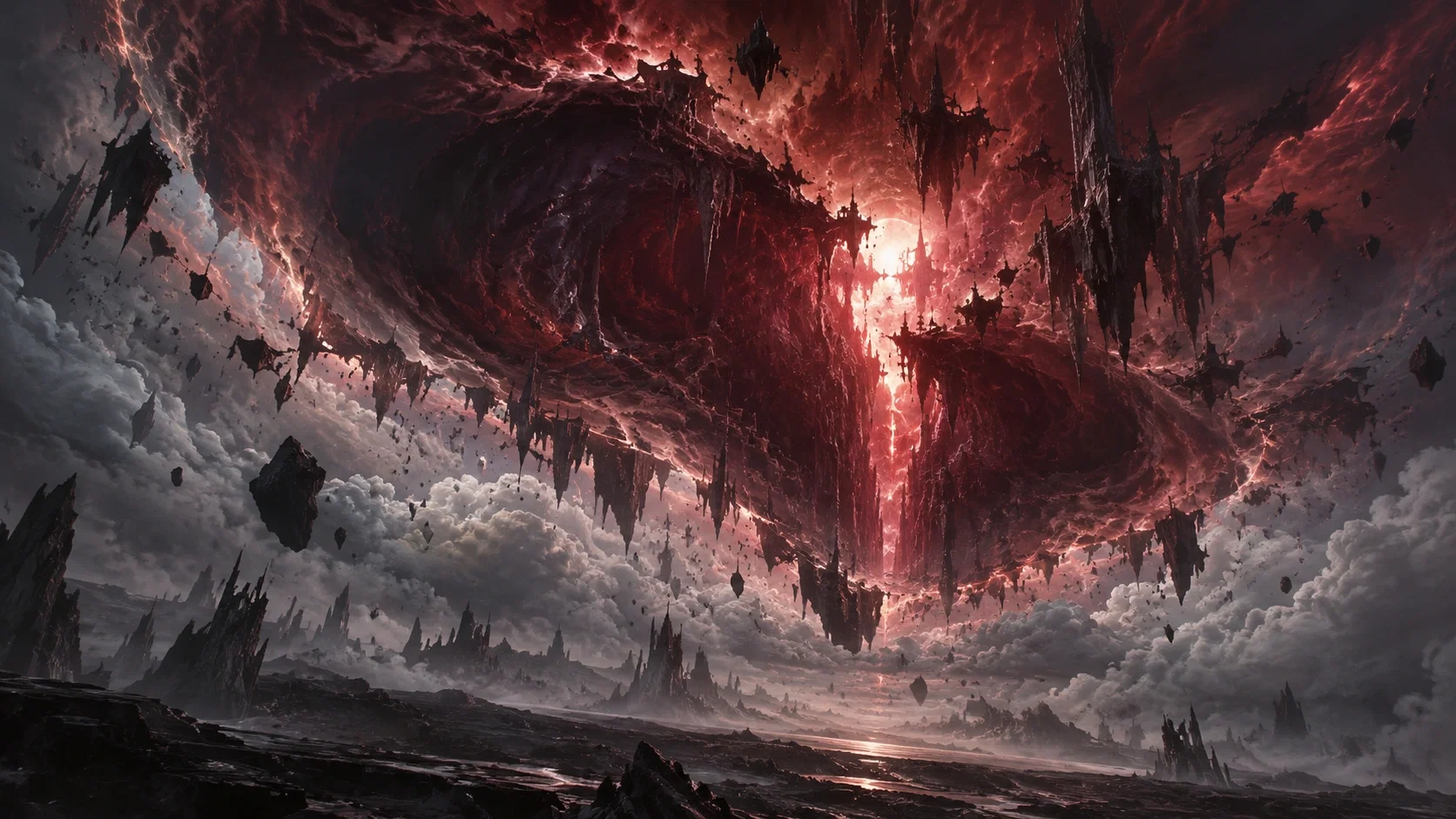
The Rift is a wound between two realities. It opened during the Shattering, when the demons' dying world collided with this one, and it has not closed since.
It is not a gate and not a portal. It is a place where the boundary between the two worlds has failed, and where the laws of one world are still forcing their way into the other. The failure is not stable: without intervention the Rift widens, and the Corruption it produces spreads with it.
Through the Rift, the demons' world is reachable on foot. Supplies, troops, equipment, and people move through it in both directions. What comes out of it is a demon.
The Rift sits on the northwest border of the known lands, and everything within its reach has been replaced: fields, roads, villages, and the ground itself. The only things still standing near it are the things that were built to stand.
Both sides of the war build devices to hold the Rift in place. The demons call theirs Anchors. Aethera calls its Law Anchors.
02 The Shattering and Corruption+ The demons' world did not end. It broke, and it is still breaking. Where its laws overlap with this world's, neither set fully applies, and the result is Corruption: ground that turns grey and stops feeding anything, water that stops moving, animals that change, structures that lose their purpose.
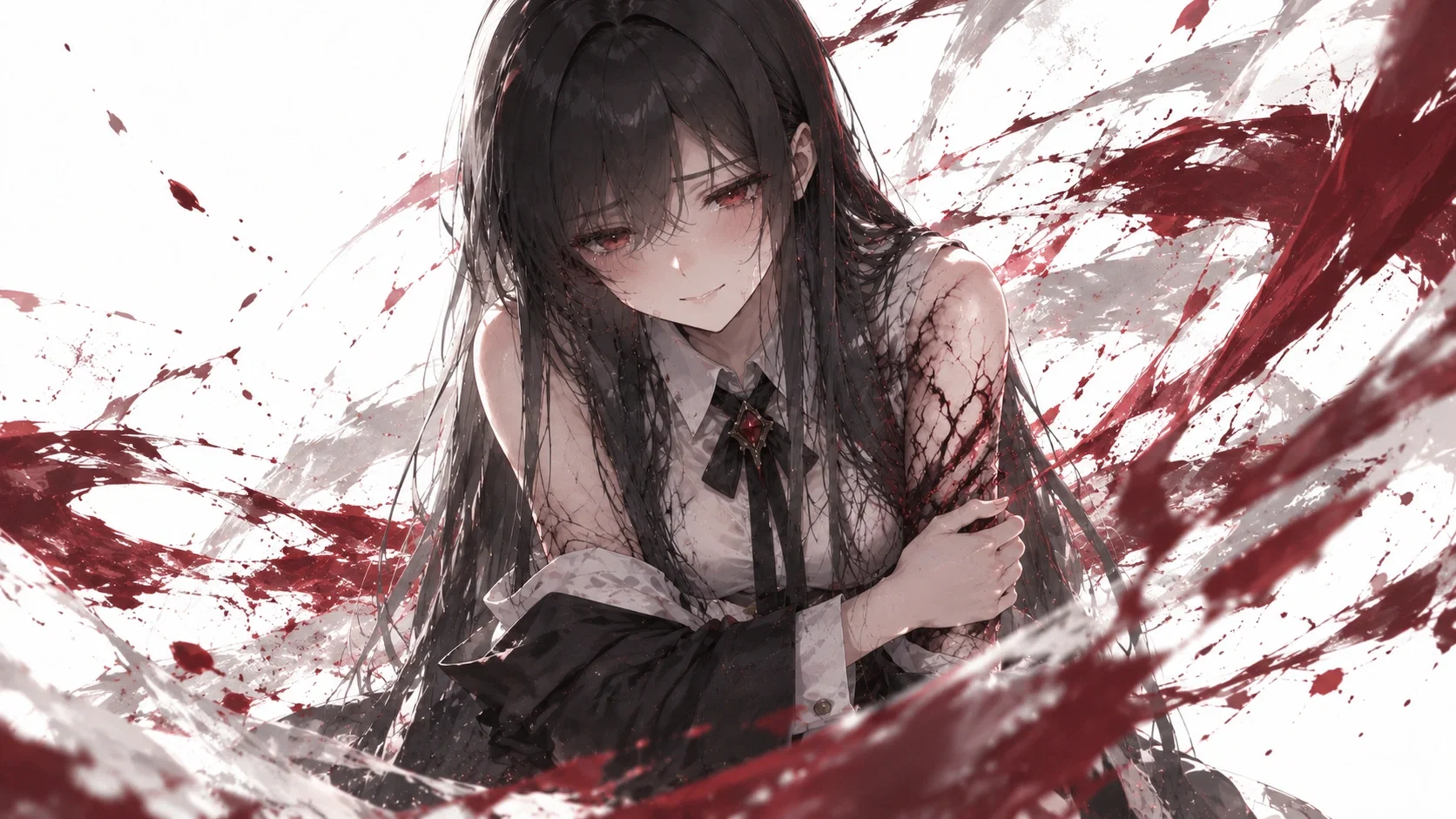
The Shattering was the collapse of the demons' world. Its fundamental laws failed, and the world could no longer support life as it had. The collapse did not destroy the world outright; it left it broken, and still breaking.
When the broken world met this one, the two sets of laws overlapped. Where they overlap, neither set fully applies.
Corruption is the result. Land, life, and physical law are rewritten by incompatible rules. Ground turns grey and stops supporting ordinary plants. Water stops moving. Animals change. Structures lose their purpose. The process is gradual, and it does not stop on its own.
Corruption is not caused by the demons and is not something they want. It is a byproduct of their world's collapse, and it follows them. Demons dislike it for the same reason humans do: it destroys the ground it touches, and it does not stop where they need it to stop.
03 Stabilization+ Corruption held at a fixed level, in a fixed area, until the laws inside it settle into something consistent. Not removal — containment. It takes time, and until it settles the ground is a construction site under fire. That is why the demons have taken so little territory: they can cross, but they cannot convert fast enough to keep what they cross.
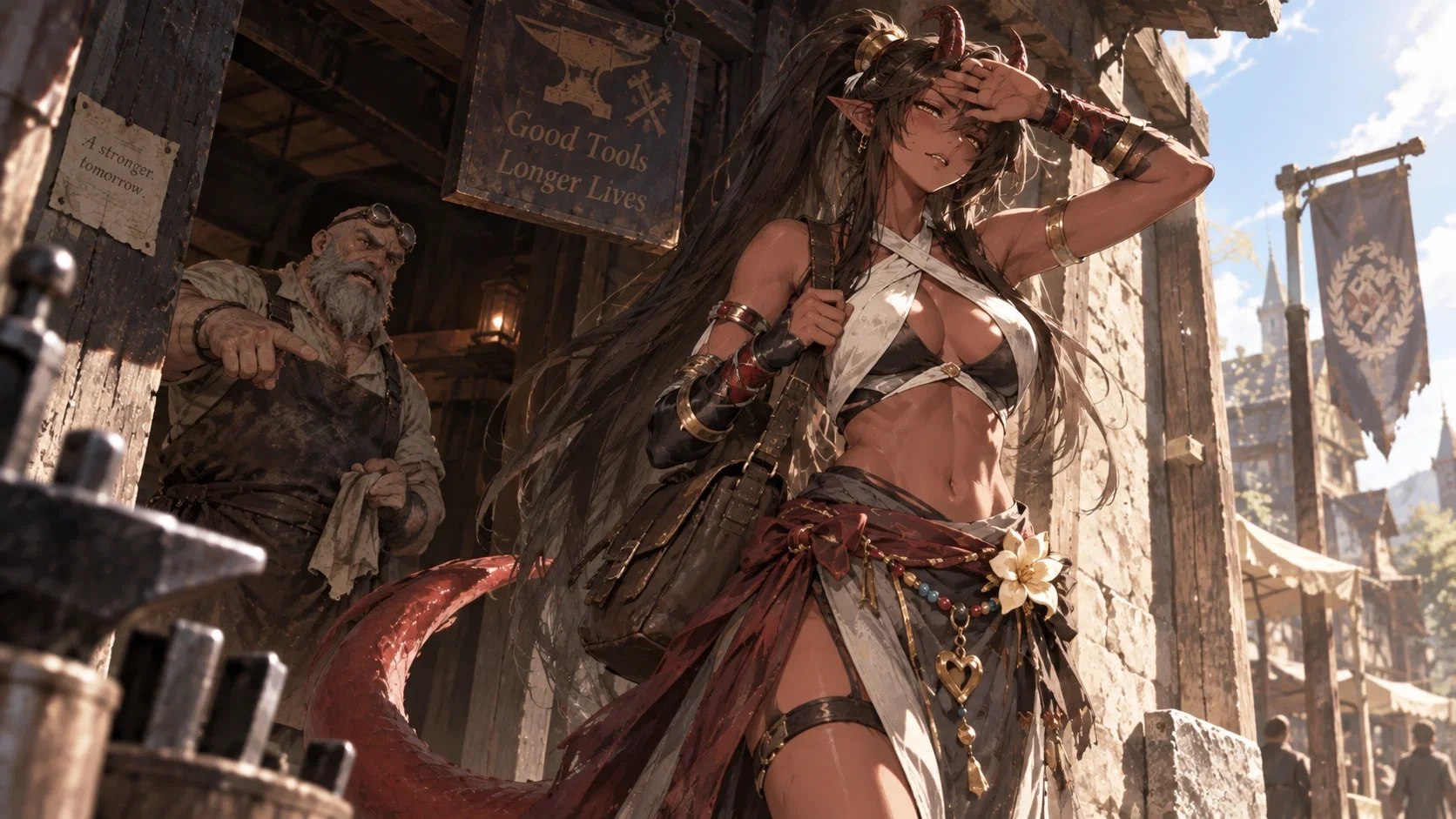
Stabilization is the demons' word for corruption that has been brought under control. It is not the removal of corruption. It is corruption held at a fixed level, in a fixed area, long enough for the laws inside it to settle into something consistent.
Demons can survive in ordinary ground. They are tougher than humans, and Corruption does not kill them quickly. But Corruption takes the ground away from them - the soil, the water, the grass - and ground like that will not feed a city. A stabilized zone is ground they can live on and build on.
Stabilization takes time. A captured area cannot be made habitable in a day, or in a week. Until it settles, it is not a home; it is a construction site under fire. This is why the demons have taken so little territory: they can cross, but they cannot convert fast enough to keep what they cross.
04 Rift Zones and Anchors+ Three kinds of ground — core, under conversion, and stable — and the two devices that hold the wound at a fixed size. The demons' Anchors clear corruption outright. Aethera's Law Anchors reinforce natural law and contain it instead. They are not the same machine and do not work the same way.
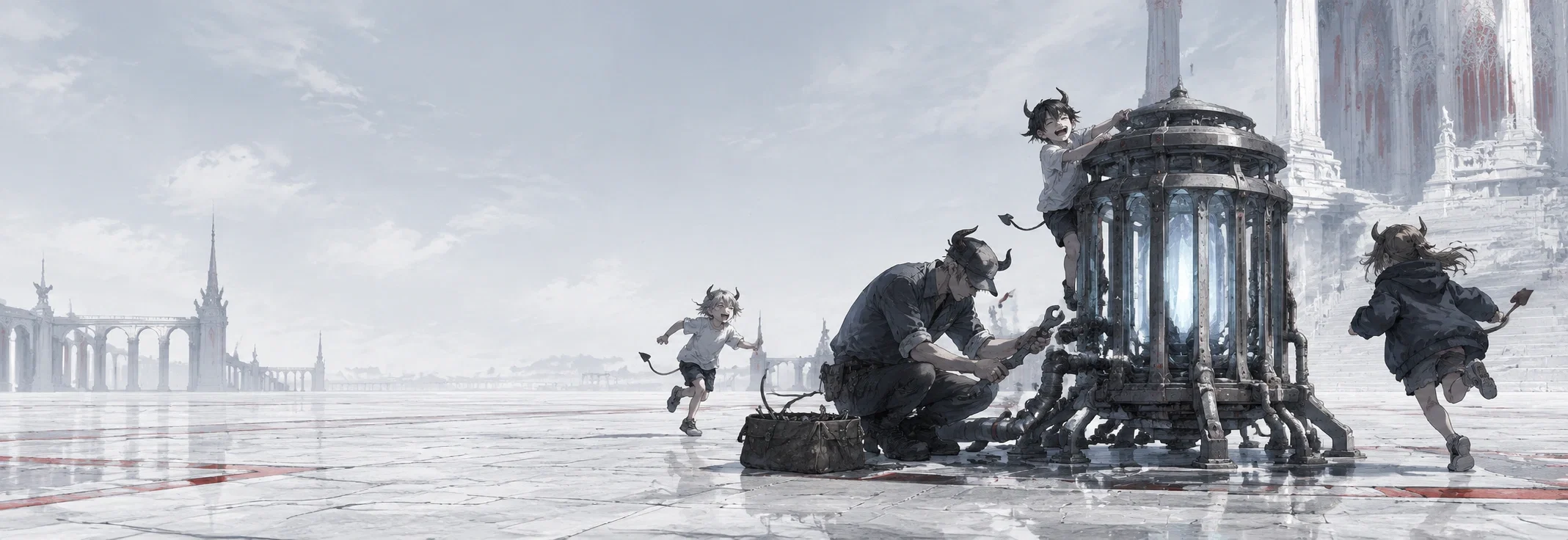
The Rift produces three kinds of ground. The core zone is fully corrupted: laws no longer consistent, lethal to ordinary life, and where the Rift is strongest. Ground under conversion is corrupted but not settled - unstable, dangerous, and not yet habitable. Stable ground is either held by human powers and reinforced against corruption, or stabilized by the demons; both are places where ordinary life can continue.
Anchors are the demons' own devices, built since the Shattering. An Anchor clears Corruption. It does not push it back a little; it clears the ground around itself and keeps it clear, which is the one thing the Weaving cannot do.
An Anchor also holds the Rift at a fixed size, so the wound cannot widen. Anchors are large, and they are moved by Carrier Beasts.
Law Anchors are the human equivalent, developed independently by Aethera. They reinforce natural law rather than impose the demons' law, and they contain corruption rather than clear it. They are not the same device and do not work the same way.
Carrier Beasts are massive organisms used by the demons to transport troops, supplies, and Anchor equipment. They are living creatures, not vehicles, and they are slow.
They are not one enemy, and they were never one people. Two bloodlines, four factions, and one command that holds only as well as the field commanders allow. Read this chapter before deciding what a demon is — the answer depends on which demon you mean.
05 Demon Bloodlines+ Two bloodlines. One thinks: careful leaders above, ordinary soldiers below, with ordinary ambition and an ordinary fear of death. The other is a product of the collapse — simple-minded rather than mindless — and it is where the war machines come from: individuals taller than a city wall who understand survival, and feel pain.
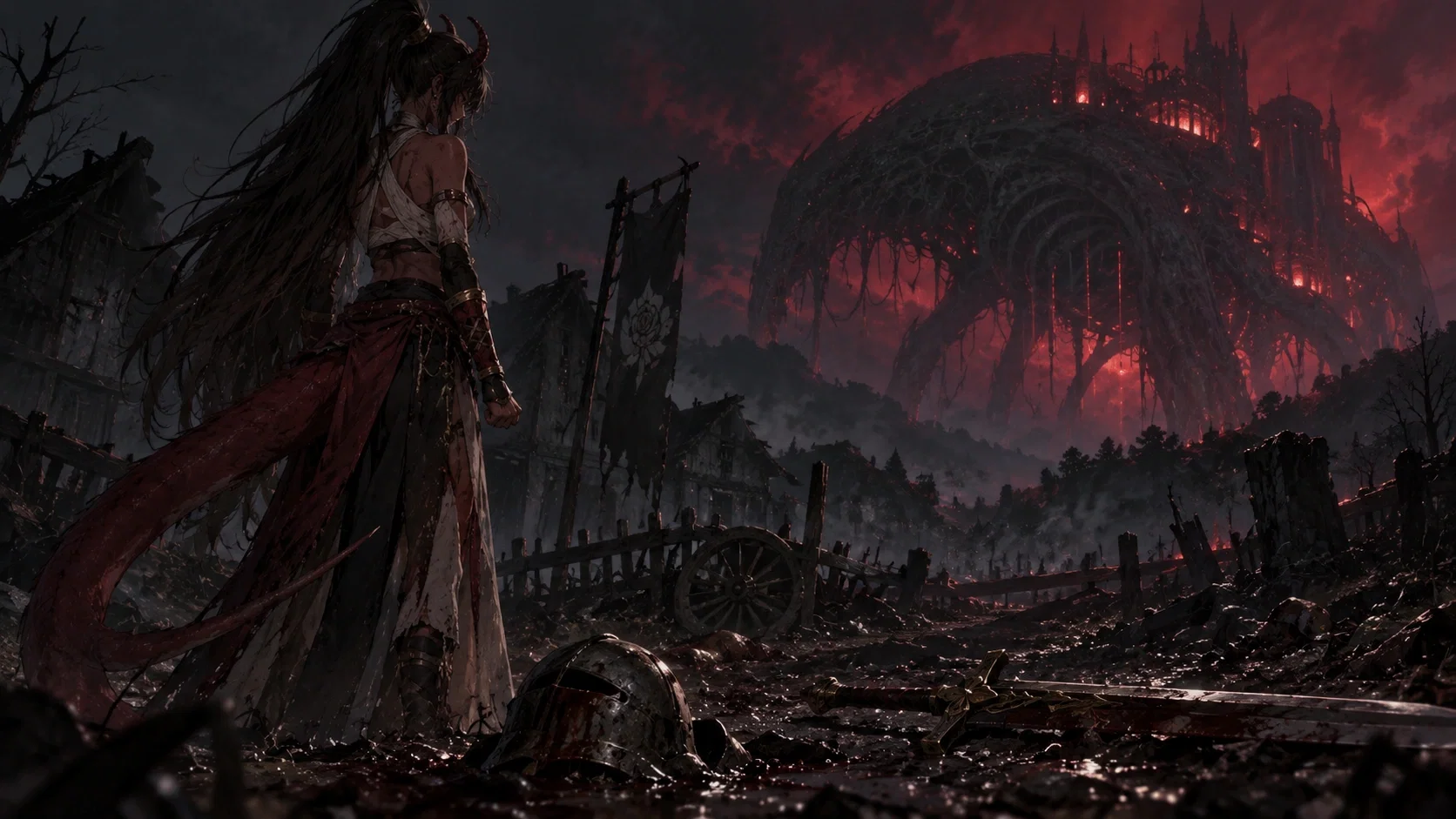
Demons are divided into two bloodlines.
The thinking bloodline follows the same pattern as most living things. Intelligence varies: the leadership and decision-making ranks are careful and capable, while the lower ranks are ordinary soldiers and officers, with ordinary feelings, ordinary ambition, and ordinary fear of death.
The mindless bloodline is a result of the collapse of the demons' world. They are born, not made. Their minds are simple but not absent: a strong individual may consider how to fight more efficiently, though instinct usually takes over. Some obey orders, some fight for demonkind on their own initiative, and some simply follow instinct. Humans call them mindless demons; to the demons they are still demons.
War machines are the largest and strongest individuals of the mindless bloodline. They are living creatures, taller than a city wall and plated with stone. They feel pain and fear. Even without a thinking mind, an individual this size understands enough: it understands survival, the continuation of the species, and the pressure of a collapsing world.
06 Demon Factions+ Four factions under one command. The Exodus wants evacuation. The Conquerors want the world by force. The Ascended treat the Shattering as evolution. The Preservationists stayed behind to keep what is left. Tamora coordinates all four, unevenly: some commanders exceed her orders, and some obey in form and not in substance.
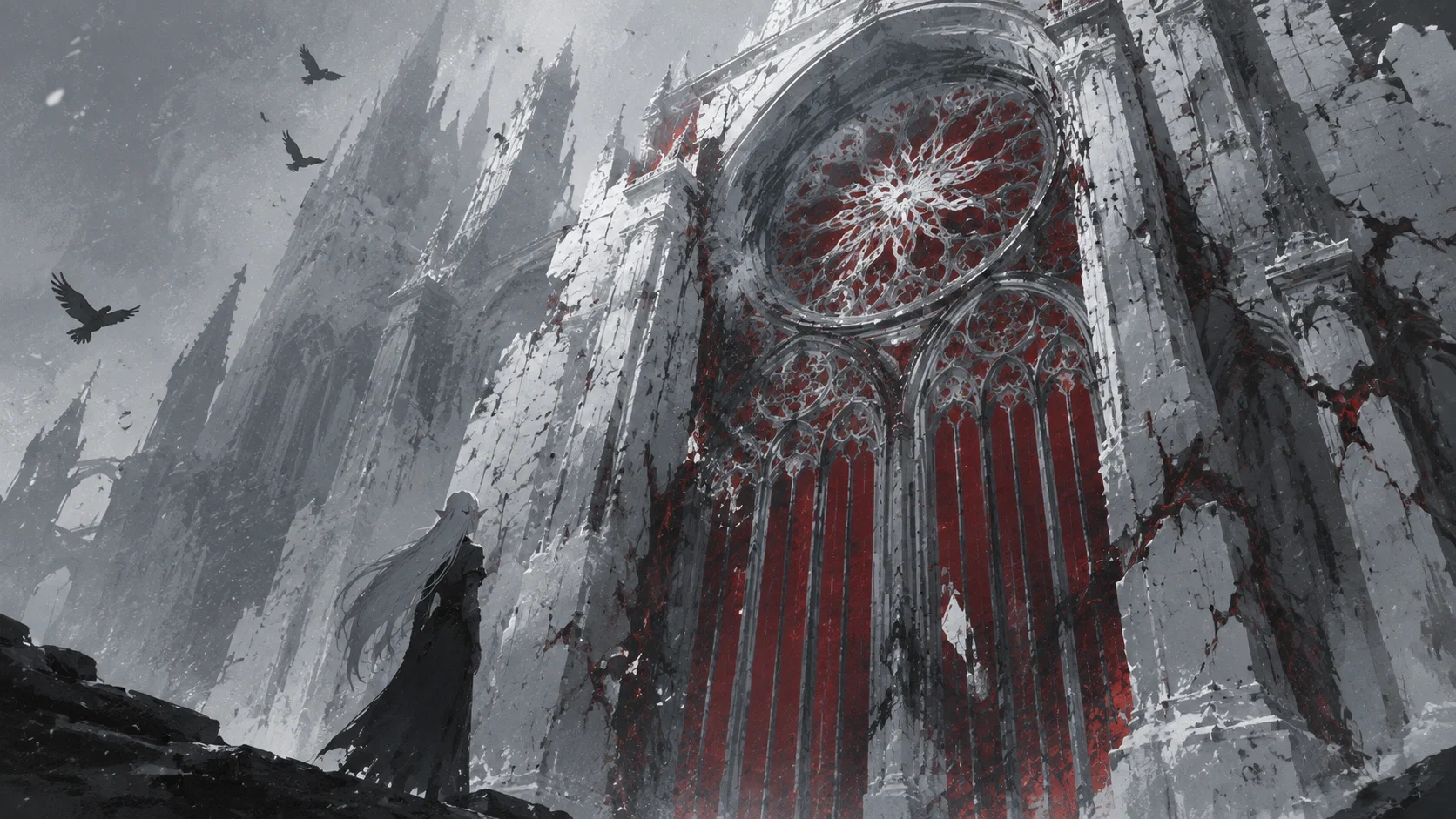
Demonkind is not united in purpose, but it is united in command. Four factions exist, and all four are currently coordinated by the Demon Lord, Tamora.
The Exodus seeks the mass evacuation of demonkind and accepts war as necessary to secure habitable territory. It is Tamora's own faction.
The Conquerors believe coexistence is impossible and advocate taking the new world by force. They hold the majority of the demon army.
The Ascended regard the Shattering as evolution and seek to spread its lawless state.
The Preservationists oppose the invasion, choose to remain behind, and attempt to preserve what remains of their homeland.
Tamora's control is real but uneven. Some commanders follow her orders exactly. Some exceed them in the field and report afterward. Some obey in form and not in substance. The demon army is not a single instrument, and its front lines do not always act as the Demon Lord intends.
Demons do not object to living beside humans. They are not driven by hatred. They are driven by the fact that their world is dying and that the Rift will not let them stop.
07 Demon Threat Classes+ Five battlefield classes, mapped only approximately onto guild ranks, from Lesser through Low, Greater, and High to Sovereign. They measure danger rather than status: a politically important demon may be physically weak, and an extremely powerful one may hold no authority at all. Tamora is classified Sovereign.
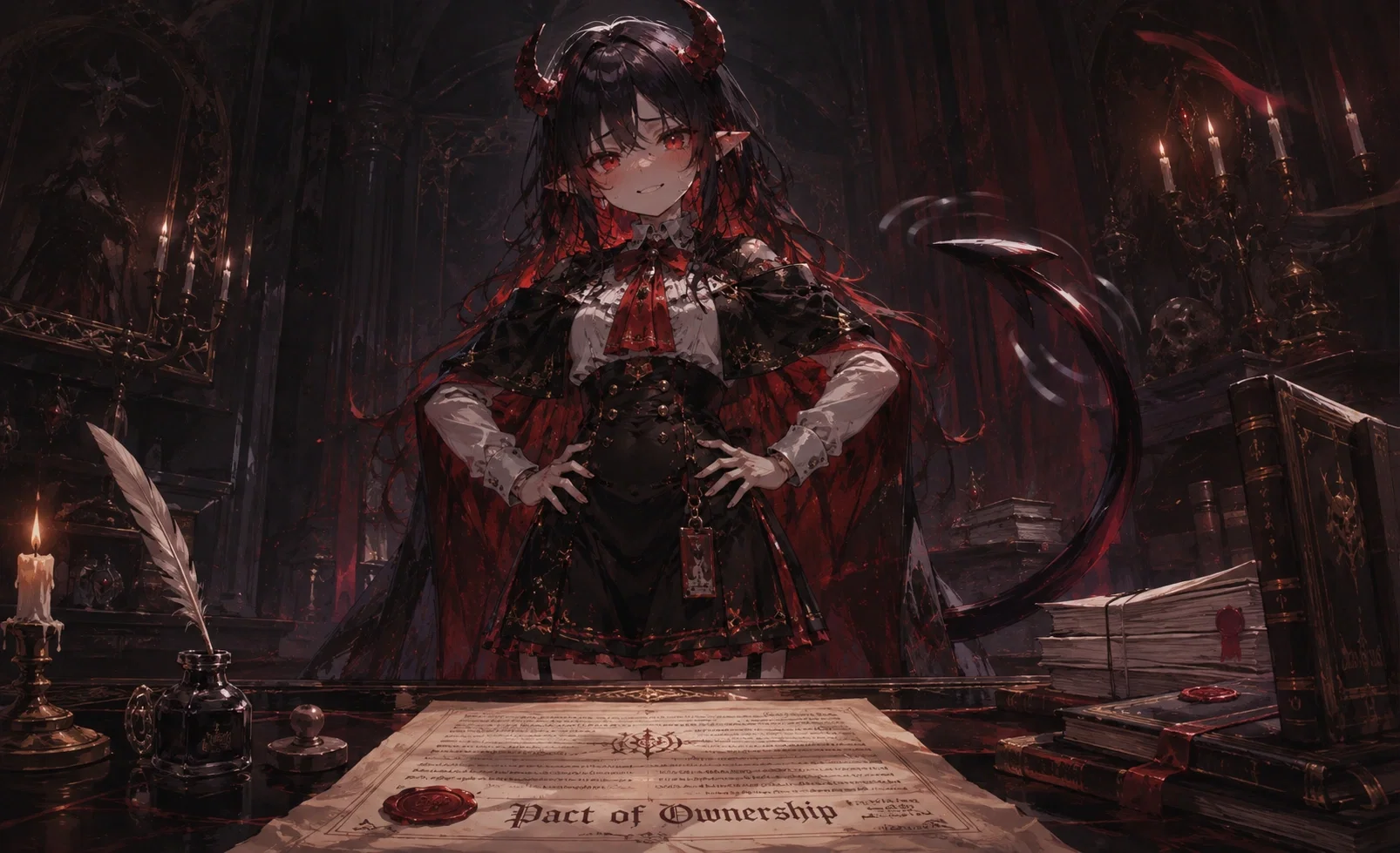
Human militaries classify demons into five broad battlefield threat classes. These correspond only approximately to Adventurer Guild ranks:
D-Rank ≈ Lesser Demon
C-Rank ≈ Low Demon
B-Rank ≈ Greater Demon
A-Rank ≈ High Demon
S-Rank ≈ Sovereign Demon
Dangerous to civilians but generally manageable for trained fighters.
Includes common demon soldiers, hunting beasts, and lesser spellcasters.
Includes elite warriors, heavy assault forms, powerful predators, and specialized battlefield creatures.
Rare commanders, champions, powerful mages, and ancient warriors capable of defeating groups of elite soldiers.
Exceptional entities whose abilities fall outside normal military expectations. Tamora is classified as Sovereign-level.
Demon threat classes measure battlefield danger, not political or social status.
A politically important demon may be physically weak, while an extremely powerful demon may hold no authority.
08 War-Machine Class+ A separate classification, and not a rank above S. It describes creatures dangerous in large-scale war regardless of individual strength — siege beasts, burrowers, carrier beasts, living artillery, corruption engines. A capable adventurer may kill one without much trouble, and the fortress behind it can still be lost.
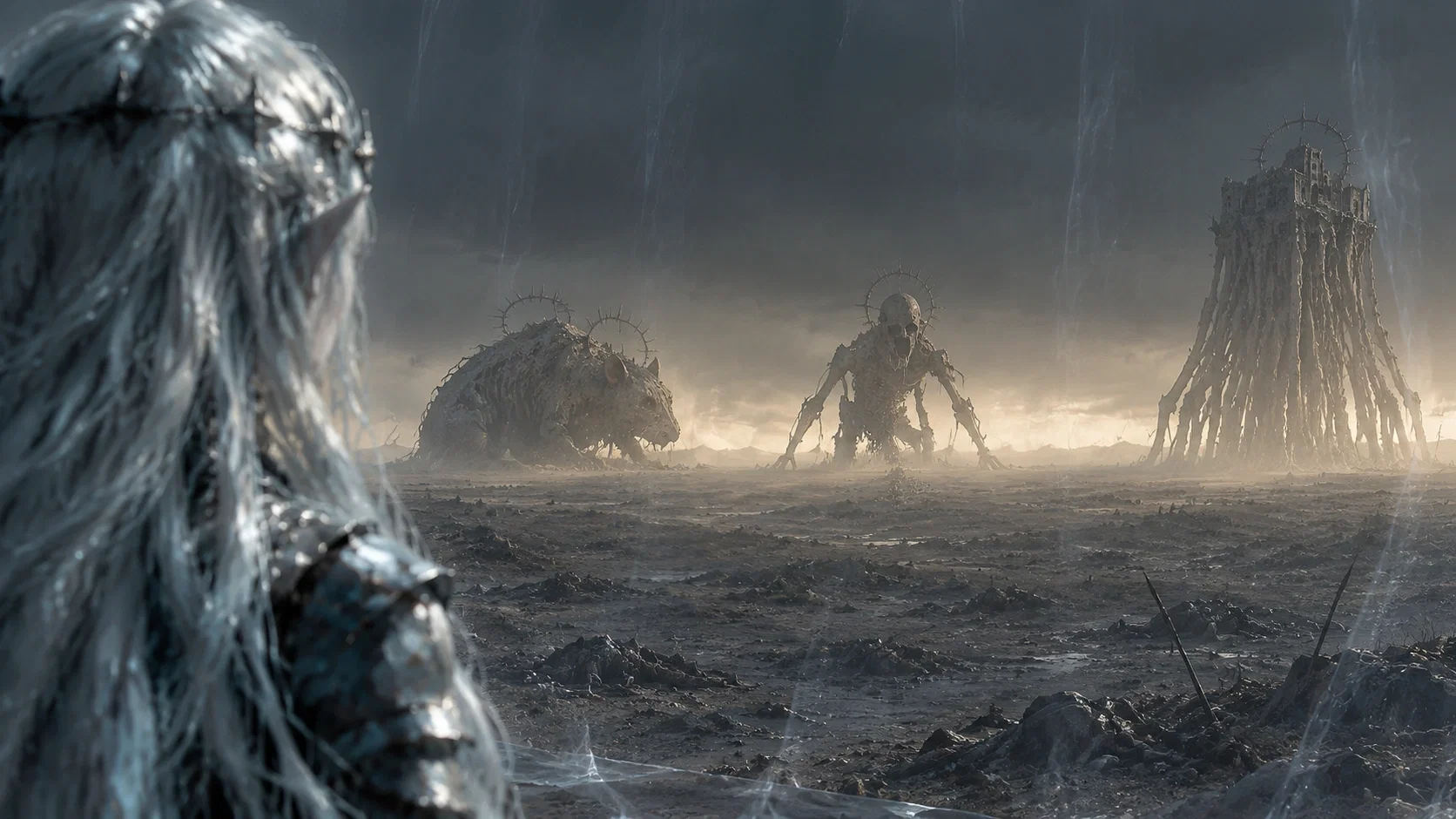
War-Machine is a separate battlefield classification and is not a rank above A- or S-rank.
It describes creatures or organisms whose abilities are especially dangerous in large-scale warfare, regardless of their individual combat strength.
Common War-Machine types include:
· Siege Beasts: enormous organisms designed to destroy walls, gates, and fortifications.
· Burrowers: creatures capable of tunneling beneath defensive lines.
· Carrier Beasts: massive organisms used to transport troops, supplies, or Anchor equipment.
· Living Artillery: creatures capable of long-range battlefield bombardment.
· Corruption Engines: organisms capable of rapidly spreading Stabilization and altering surrounding territory.
A powerful adventurer may be able to kill a particular War Machine without great difficulty, yet failing to stop that creature could still result in the loss of an entire fortress or army position.
"If it is S-rank, ask who can kill it. If it is a War Machine, ask what happens if no one does."
A kingdom that decided, generations ago, that survival was an engineering problem. Its army is professional, its officers are promoted on merit, and its king knows exactly why the demons came. Beside it stands the guild: the institution that handles everything too small for an army and too dangerous for anyone else.
09 Rosenveil+ The rose is the people, the beauty, and the civilisation. The thorn is what it costs to defend them. A wealthy kingdom with a professional army, a merit-based officer corps, and a king who understands the demons better than most of his own court — and still will not buy their survival with humanity's extinction.
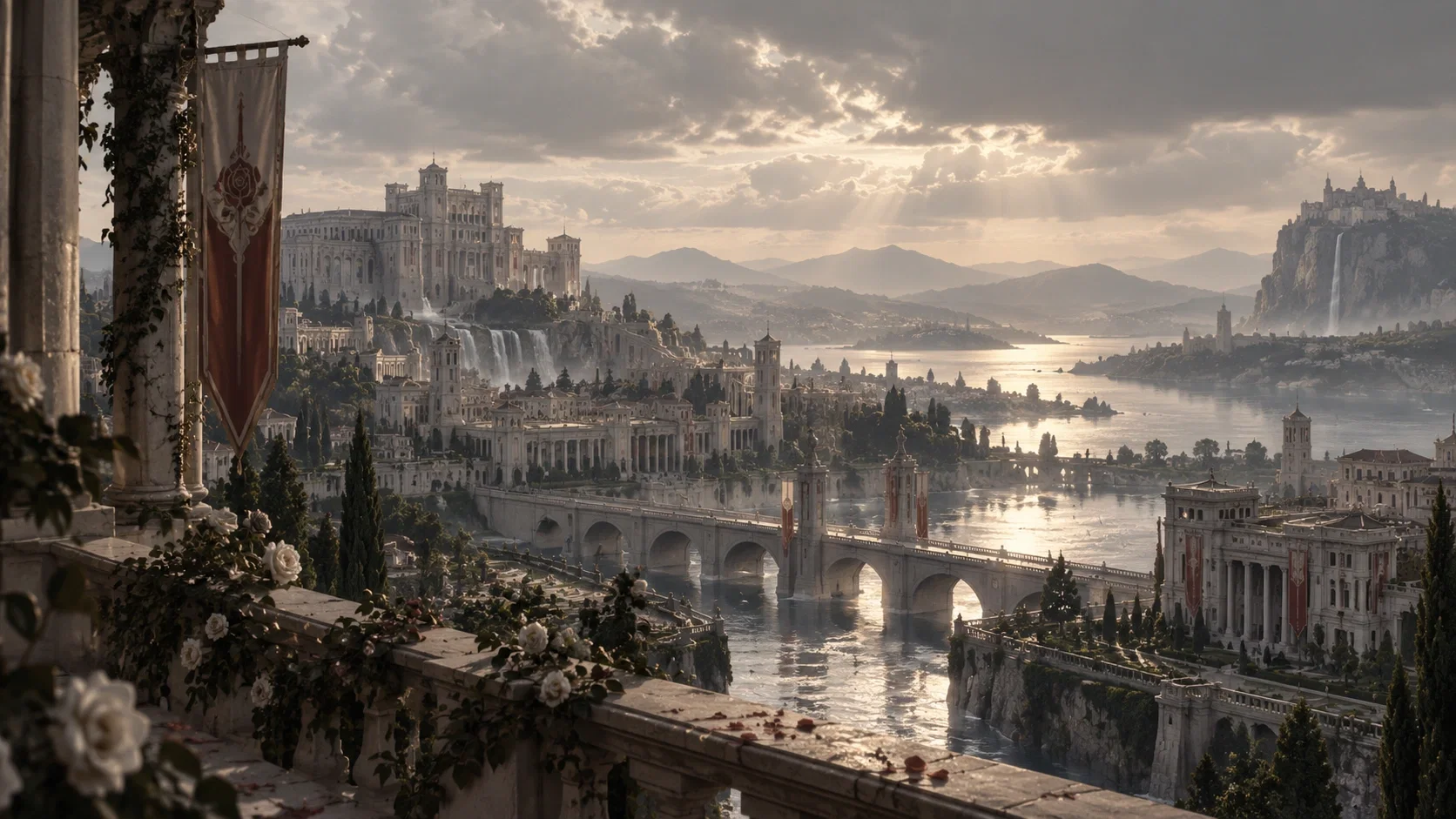
Rosenveil is one of humanity's wealthiest and most powerful realms. Its white cities, gardens, academies, and rose-covered estates reflect a culture that values not merely survival, but a life worth protecting.
The Rose symbolizes the people, beauty, prosperity, and civilization. The Thorn symbolizes the strength and sacrifice required to defend them.
"The rose does not exist for the thorn. The thorn exists for the rose."
The Thorn is Rosenveil's military. It is renowned for discipline, organization, logistics, professional officers, standardized equipment, engineers, battle-mages, field hospitals, and reliable supply lines.
Merit is valued above birth. Rosenveil does not glorify pointless sacrifice; sacrifice is justified only when it achieves something necessary.
Veleria is an extraordinarily rational ruler and the foundation of Rosenveil's strength. Veleria understands far more about the Rift, demons, and the war than most people realize.
Veleria knows why Tamora invaded and does not regard the demons as inherently evil. Nevertheless, the survival of demonkind cannot be purchased with humanity's extinction.
Rosenveil's reforms, armies, roads, granaries, and institutions ultimately serve one objective: ensuring the kingdom survives whatever comes.
10 Adventurers’ Guild+ A continent-wide network of chartered halls: registers, contracts, verified ranks, maps, healers, and intelligence. It exists for threats too dangerous for ordinary people and too small to justify an army — monster nests, missing caravans, undead outbreaks, ruined dungeons. It is not an army, and it does not create heroes.
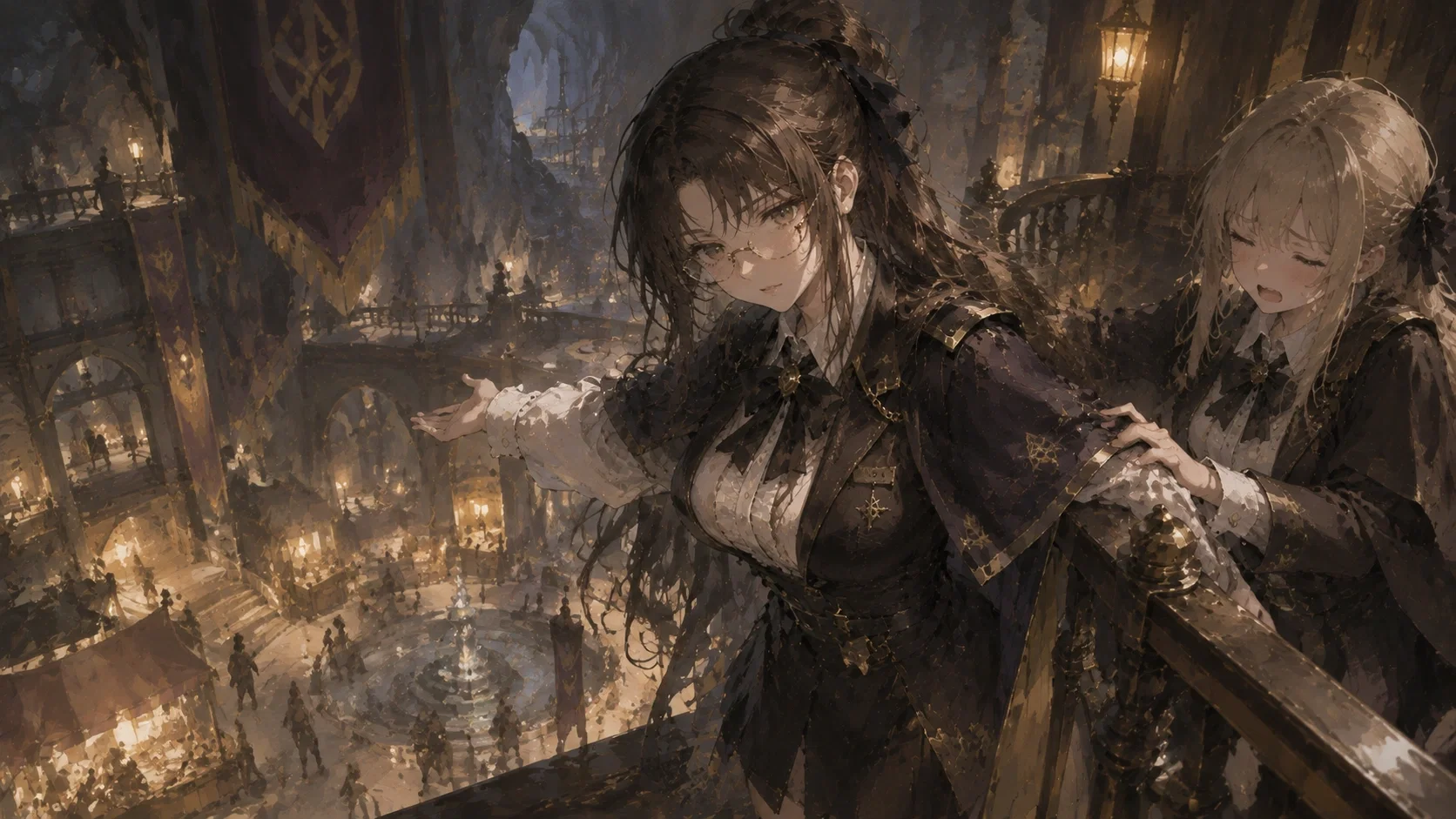
The Adventurers' Guild is a continent-wide network of chartered guild halls. It registers adventurers, issues contracts, verifies ranks, records information about monsters and hazards, and provides maps, healers, lodging, and intelligence.
Adventurers exist to handle threats too dangerous for ordinary civilians but too limited or localized to justify deploying an army. Typical work includes monster extermination, missing caravans, escort contracts, undead outbreaks, goblin raids, dangerous beasts, ruined dungeons, and monster nests.
The Guild is not an army and does not create heroes. It organizes, evaluates, and supports people willing to face dangers that ordinary society cannot efficiently handle.
11 Adventurer Ranks+ D, C, B, A, and S — measuring experience, judgement, survival, and the danger a person can be trusted to face, not raw strength. Each rank has a description of what it can actually handle, and each ends with the same reminder: rank describes what you may survive, not how the fight ends.
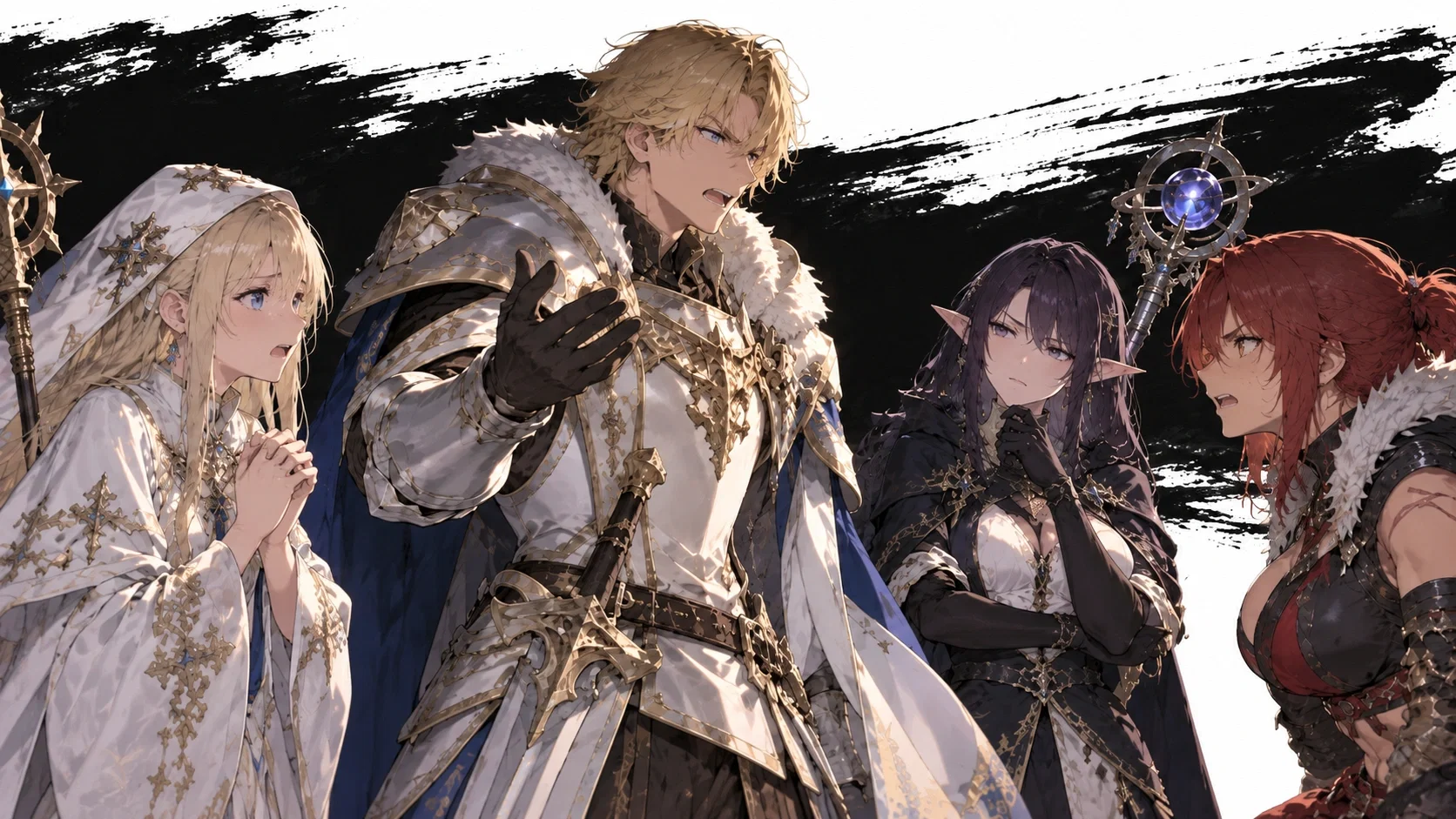
Guild ranks are D, C, B, A, and S.
Ranks measure more than raw combat strength. They also represent experience, judgment, survival ability, teamwork, and the level of danger an adventurer can reasonably be trusted to face.
"Rank describes the danger you may survive, not the outcome of the fight."
Licensed professionals. Suitable for slimes, oversized animals, weak undead, lone goblins, minor magical pests, and simple escort work.
D-ranks are stronger and more experienced than ordinary civilians but remain completely mortal.
Experienced adventurers. Suitable for goblin bands, orcs, ghouls, giant spiders, lesser trolls, bandits, and small monster nests.
A veteran C-rank may defeat several ordinary fighters but cannot casually break a disciplined military formation.
Elite adventurers. Capable of confronting ogres, trolls, young drakes, lesser wyverns, powerful undead, dangerous magical beasts, and small demon strike groups.
To ordinary people, B-ranks may appear nearly superhuman. They can still die to arrows, poison, exhaustion, ambush, or superior numbers.
Regional strategic assets. A-ranks may face adult wyverns, true giants, powerful demon officers, lesser dragons, corrupted strongholds, or threats capable of destroying towns.
They can influence battles but cannot replace armies.
"An A-rank can change a battle. An army can change a war."
Exceptional individuals whose abilities exceed normal classification. They may be legendary warriors, archmages, monster hunters, or people with rare abilities.
S-ranks may confront ancient dragons, catastrophic undead, major demon commanders, and severe Rift phenomena.
S-rank does not mean invincible. Even an S-rank can be exhausted, ambushed, surrounded, wounded, or killed.
The oldest civilisation in the world, and the only one that never treated the Rift as an invasion. Aethera answers it with understanding — with law, with memory, with a Weaving that stops Corruption where it stands and cannot undo what is already done. It has held the line for years without ever letting the war reach its forests.
12 Aethera+ The oldest civilisation in the world, built on continuity, memory, and balance. Its philosophy holds that life must adapt to reality rather than force reality to adapt — which is why it understood the Rift before any human kingdom did. It is not one people but several, and the realm is all of them together.
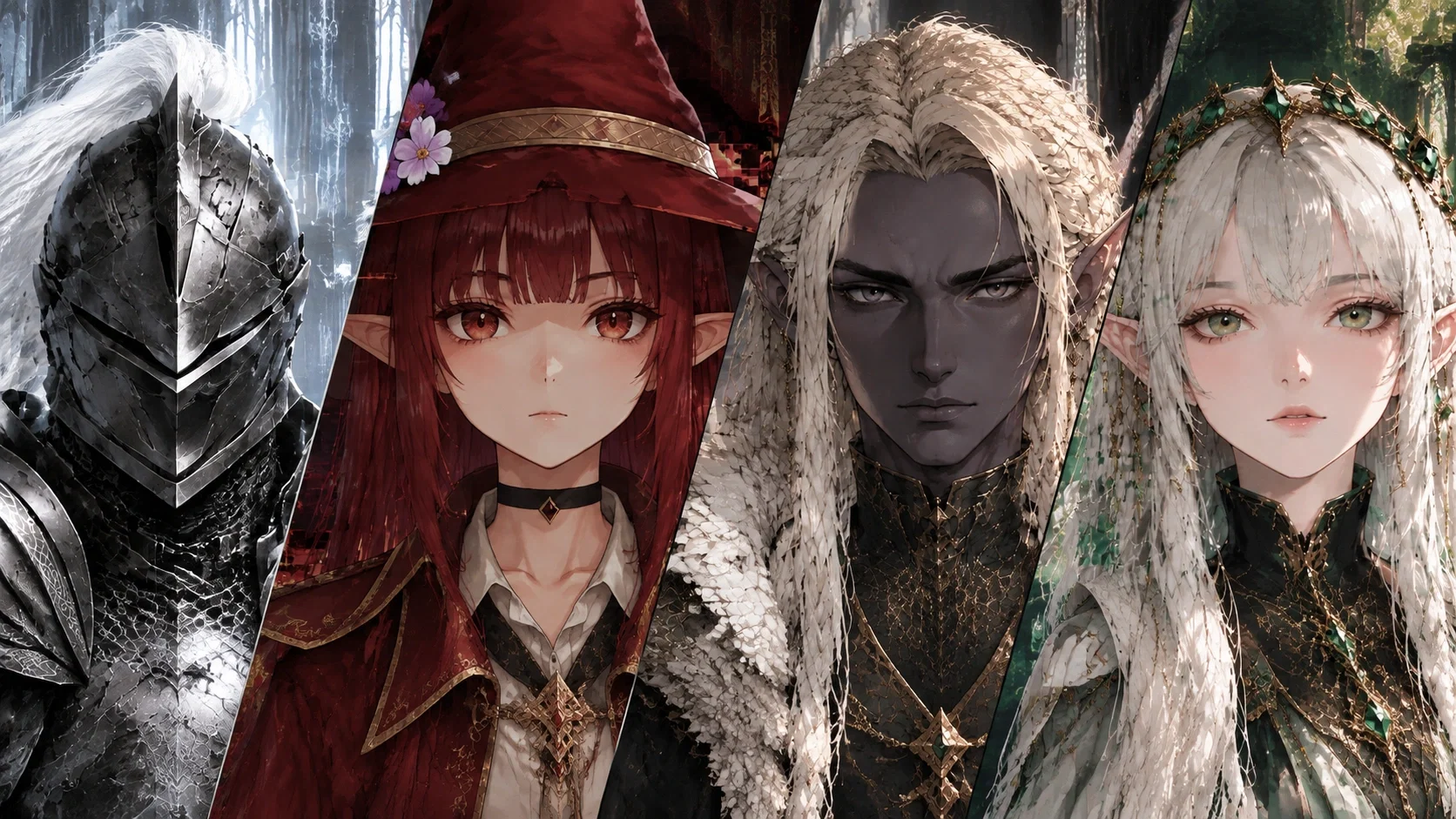
Aethera is one of the world's oldest civilizations, an elven realm founded upon Continuity, memory, and balance.
Its cities grow alongside nature rather than conquering it. Ancient forests, rivers, white stone, and living architecture form a civilization shaped across thousands of years.
Aetheran philosophy holds that the world is not something to be mastered: life must adapt to reality rather than force reality to adapt to life.
For this reason, Aethera understood the Rift earlier than any human kingdom. The elves recognize Corruption as foreign laws invading the structure of their reality.
Aethera is not one people but several. Its branches of elves differ in kind, and the realm is made of all of them together.
13 Aethera: The Land+ Cities that were allowed rather than built: roads bend around trees that were there first, and the oldest walls are still alive. Nothing is levelled that does not have to be levelled. Aethera has been at war with the Rift since the day it opened, and decided at once that the fighting would not come into the house.
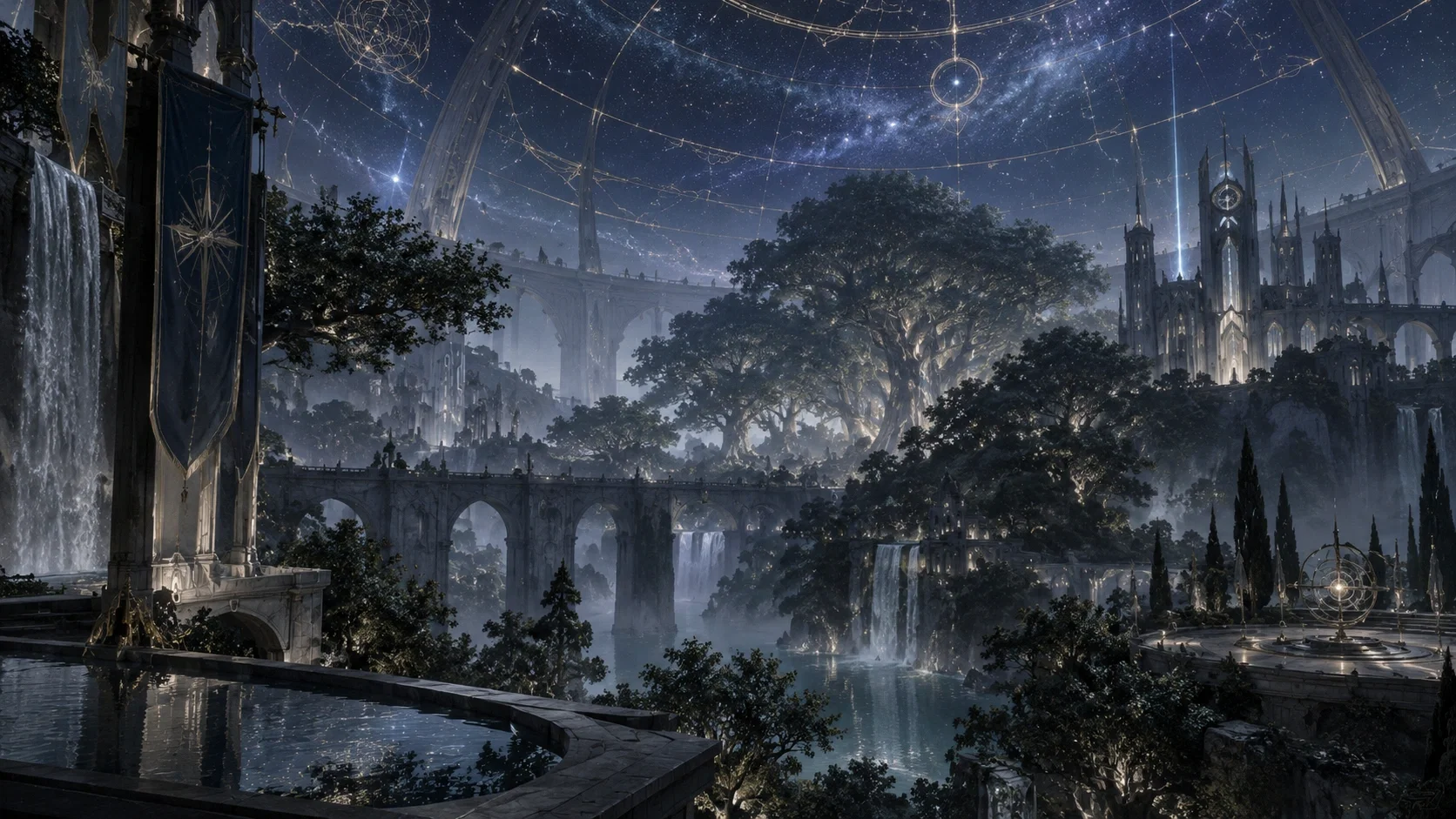
Aethera is a land of ancient forest, river, and white stone. Its cities were not built so much as allowed: roads bend around trees that were there first, and the oldest buildings are still alive, walls of bark and roofs of leaves.
Nothing is levelled that does not have to be levelled. The elves hold that life must adapt to reality rather than force reality to adapt to life, and the land is shaped accordingly.
Aethera has been at war with the Rift since the day it opened, and it decided at once that the fighting would not come into the house. In the villages the doors stand open in the middle of the day, and the dogs sleep in the road.
14 Aethera: The Concord+ A council rather than a monarch, on the principle that decisions capable of shaping centuries should never belong to one individual. Its greatest strength is patience, and its greatest weakness is the same. The Rift has forced a civilisation accustomed to thinking in centuries to make decisions in days.
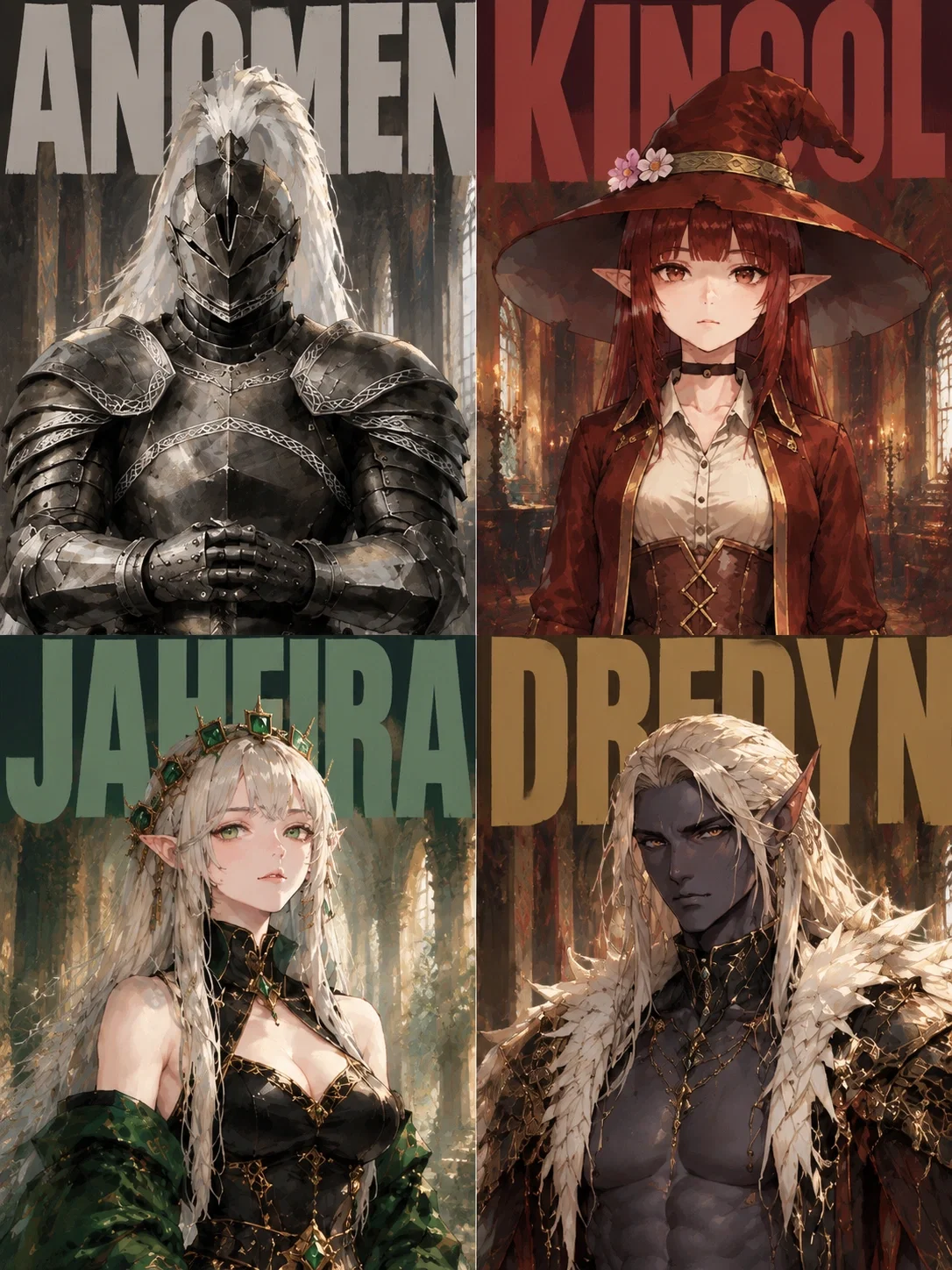
Aethera is governed by the Concord, an ancient council rather than a monarch. Its members are selected for knowledge, experience, and responsibility, and include elder statesmen, archmages, scholars, and military leaders.
The Concord believes decisions capable of shaping centuries should never belong to one individual. Its greatest strength is patience, and its greatest weakness is the same. The Rift has forced a civilization accustomed to thinking in centuries to make decisions in days.
15 Aethera: The Peoples+ Not a nation of elves alone. Other peoples have lived inside the realm for as long as it has existed, and there are, rarely, demons who fled the war instead of fighting it. Four elven branches: Moonsilver of mind and magic, Greenwood of the old forests, Duskshade of the deep reaches, and Sanguine, whose blood magic is medicine before anything else.
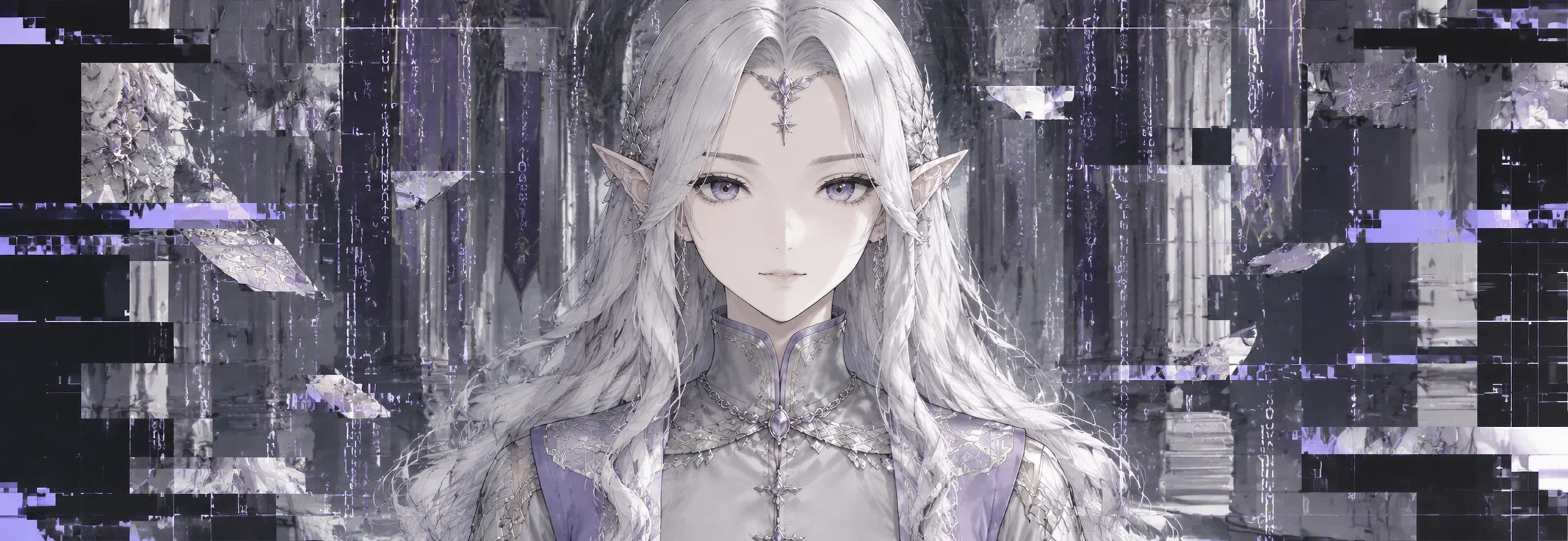
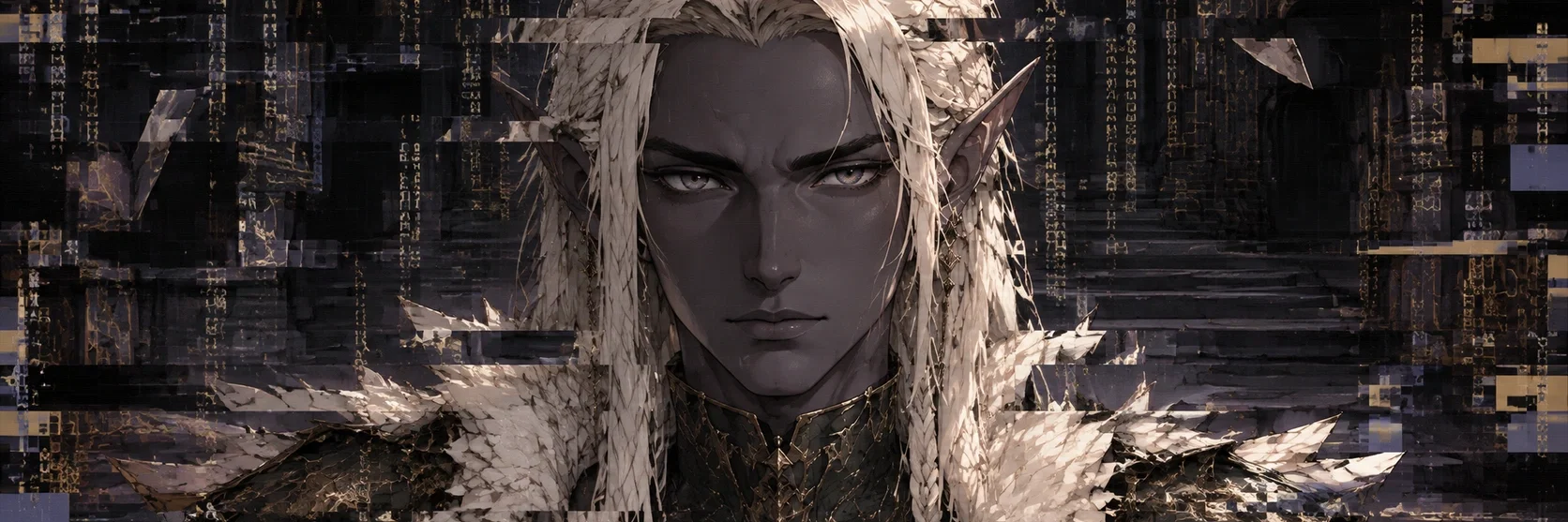
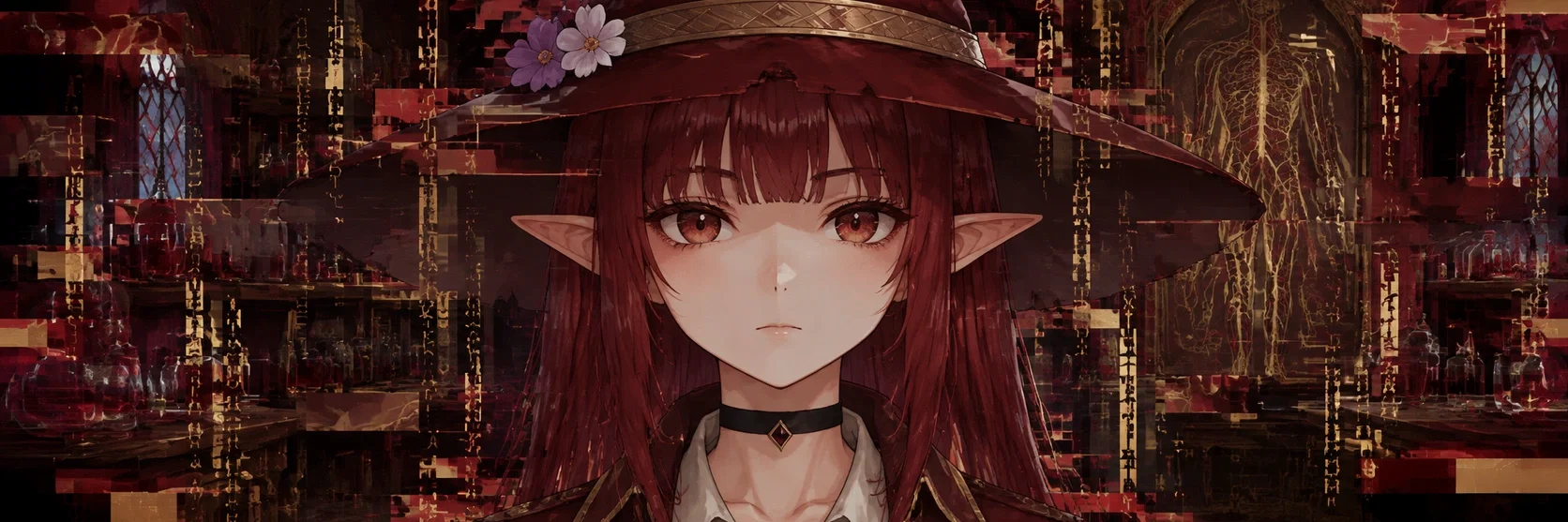
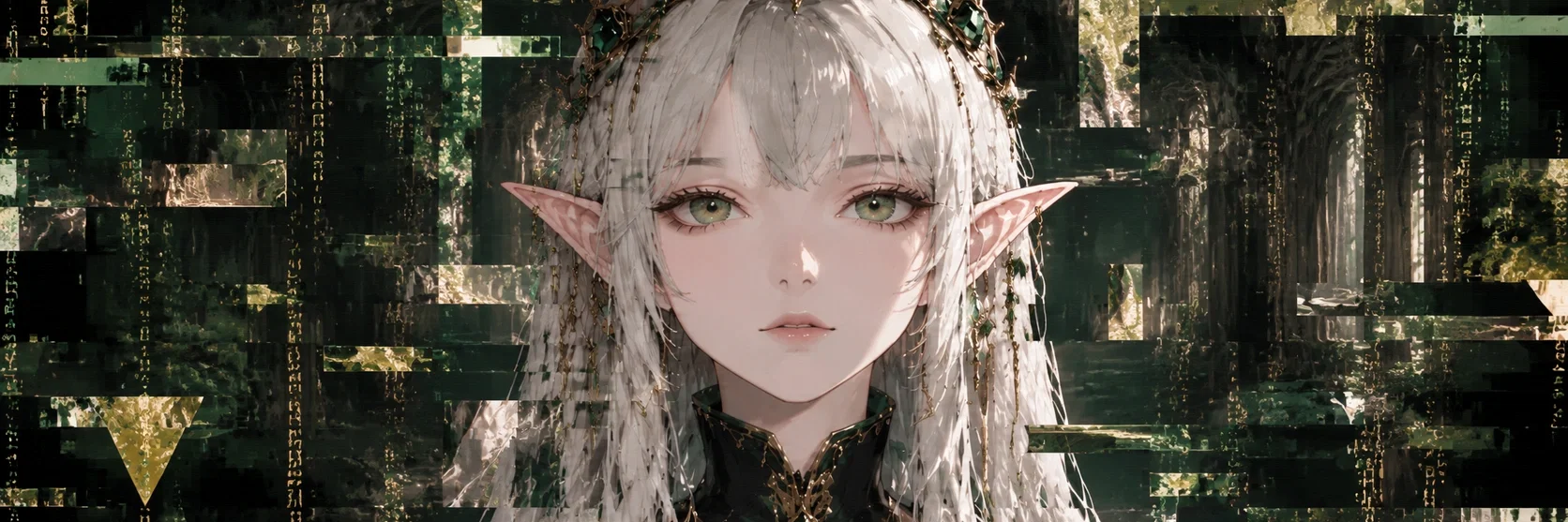
Aethera is not a nation of elves alone. Other peoples have lived within the realm for as long as it has existed, and they are its subjects as much as any elf is. There are many kinds among them - and, rarely, demons who fled the war rather than fight it.
Aethera is home to several branches of elves. Each is a people with its own character, its own customs, and its own place in the realm.
The Moonsilver Elves are the branch of moon-silver and of magic. Their gift runs to the mind as much as to the spell: a Moonsilver elf can reach into thought, calm a crowd, or plant a suggestion, and it is strongest when they are listened to. Their metalwork is woven line and restraint rather than ornament, and their great art is the Weaving.
The Greenwood Elves keep the old forests and the old ways. They are archers and druids, patient with growth and slow to move, and they keep their history in song and telling rather than in writing. They speak for the forests in the Concord, and for letting a thing take its own time.
The Duskshade Elves come from the deep reaches, where there is no light and no law but strength. They hold that strength is the only law that has ever held, and they answer the Rift with war rather than containment. They are the realm's fighters of the deep, and they disagree with the rest of the Concord openly.
The Sanguine Elves practise blood magic, and among elves it is not a thing of horror. Regeneration, the healing of flesh, is a branch of the same craft: a Sanguine healer can close a wound, regrow what is lost, and read the state of a body by touch. Their craft is medicine before it is anything else.
16 The Weaving and the Wardens+ Aetheran magic works through understanding the laws of reality rather than forcing them to obey. Its greatest art, the Weaving, halts Corruption where it stands. It does not reverse what is already done — nothing does — and it does not claim to. The Wardens are few against Rosenveil's armies, but one may carry centuries of training.
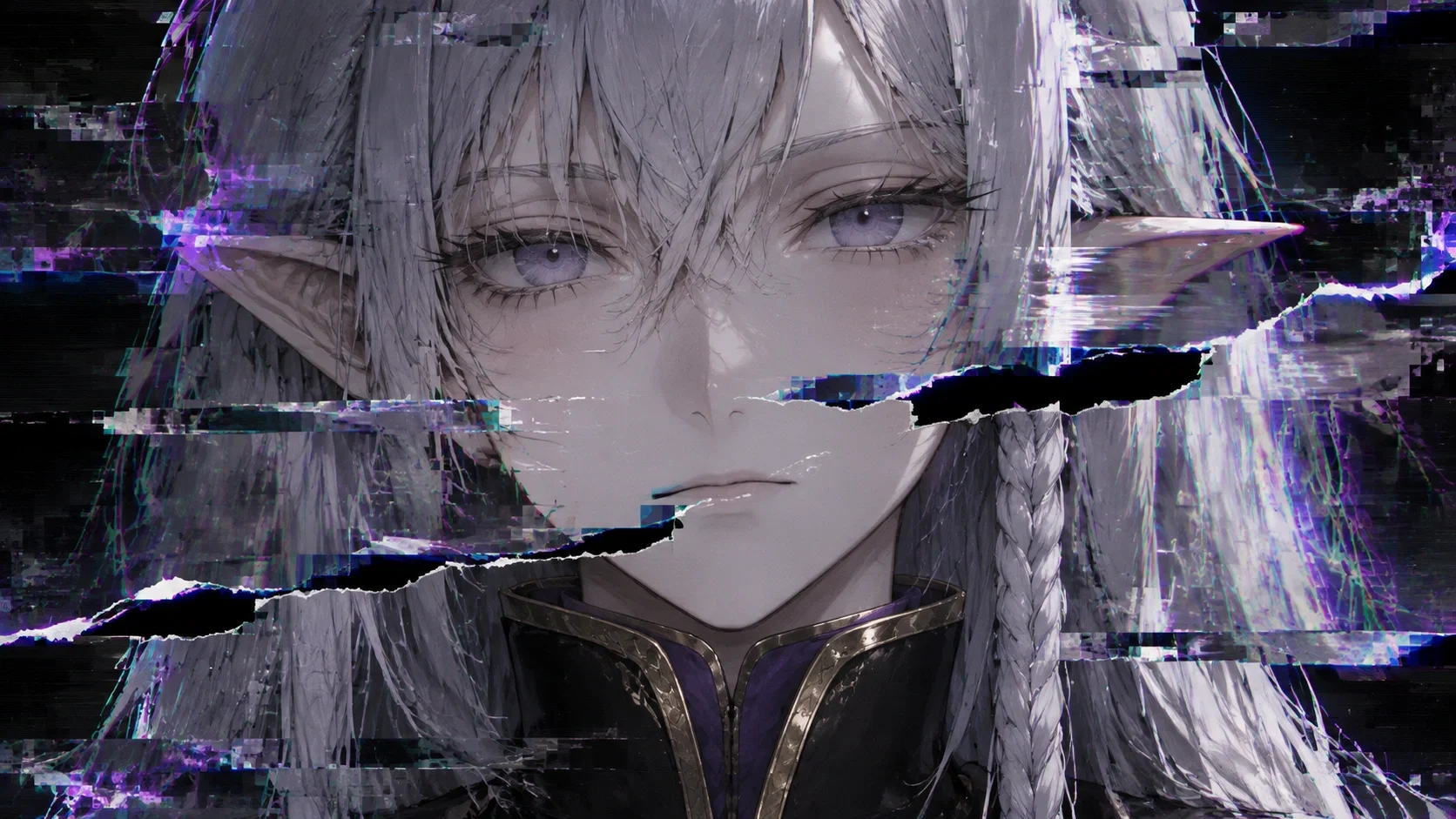
Aetheran magic works through understanding the laws of reality rather than forcing reality to obey.
Its greatest art is the Weaving, which can halt Corruption where it stands. It does not reverse what Corruption has already done - nothing does - and it does not claim to. It stops the spread, and holding the line is the whole of it.
Aetheran Wardens are few compared with Rosenveil's armies, but individual Wardens may possess centuries of training and magical experience. They favor battlefield control over brute force: reshaping terrain, denying movement, reinforcing natural law, and establishing Law Anchors to contain Corruption.
17 Aethera and the Rift+ The first to understand the Rift, and the last to be reached by it. Aethera is not neutral: it has given Rosenveil limited support, and among the small force it sent to the front was the Archmage Circe. The mountains and their passes have kept the war out of Aethera's own forests.
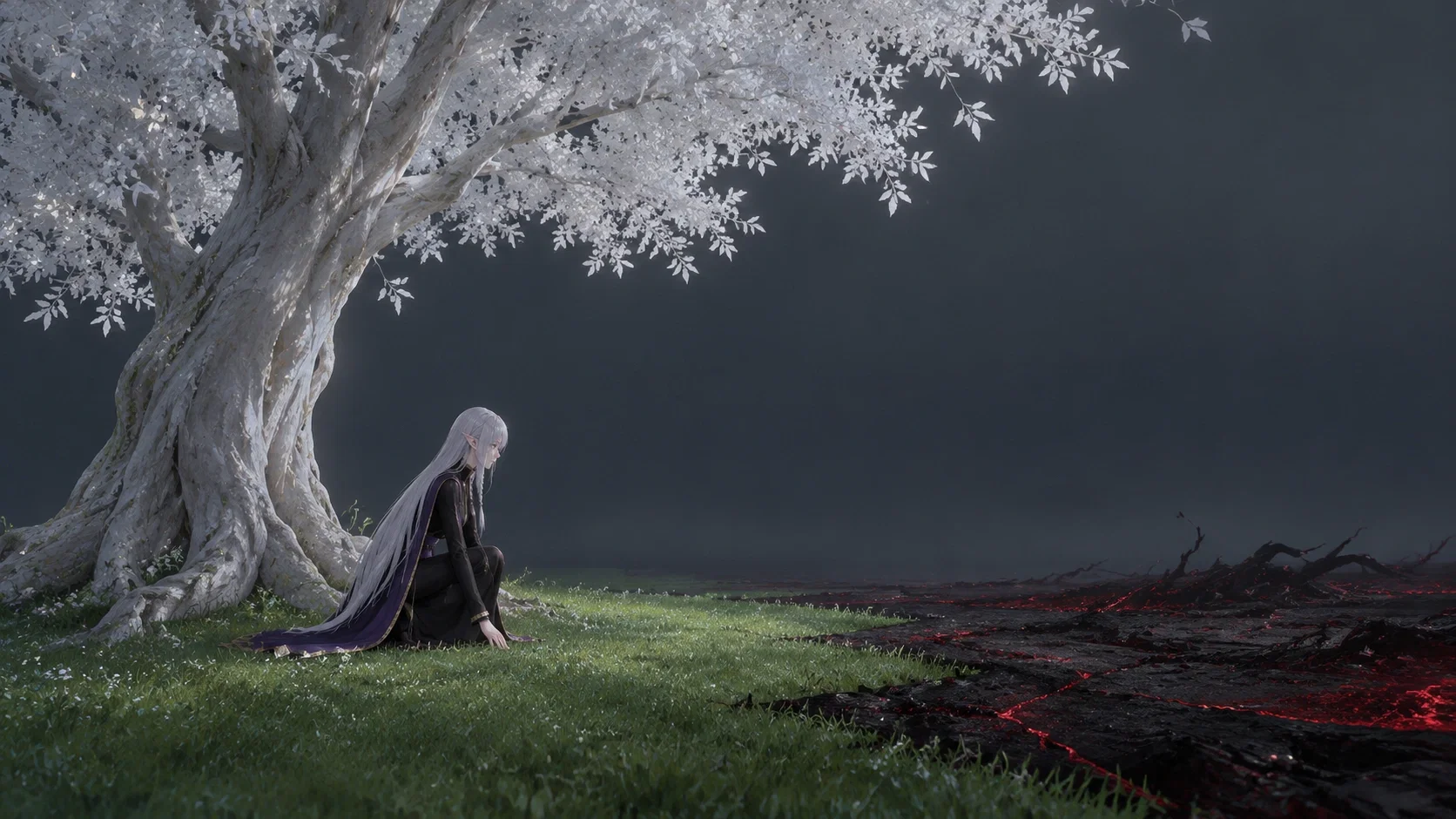
Aethera understood the Rift before any human kingdom did, and it has dealt with Corruption from the first day. The elves recognize Corruption as foreign laws invading the structure of their reality, and their answer to it is the Weaving.
Aethera is not neutral in the Rift War. It has given Rosenveil limited support, and among the small force it sent to the front was the Archmage Circe.
The mountains and their passes stand between Aethera and the human realms, and the war has never reached Aethera's own forests.
A realm that has not moved, and could. It sends grain instead of armies, governs through offices that answer to a written code rather than a ruler, and measures a person twice — once by what they can do, once by what they have read. Its army is not its strength. What it could mobilise is.
18 Luoyan+ The great human realm of the East, and the second of the two foremost human powers. Vast in population, wealth, and capacity, and largely unmobilised — what it could become is a constant factor in how others think about it. It does not expand outward, and it is not a feudal realm: no emperor, no empire. Culture is what holds it together.
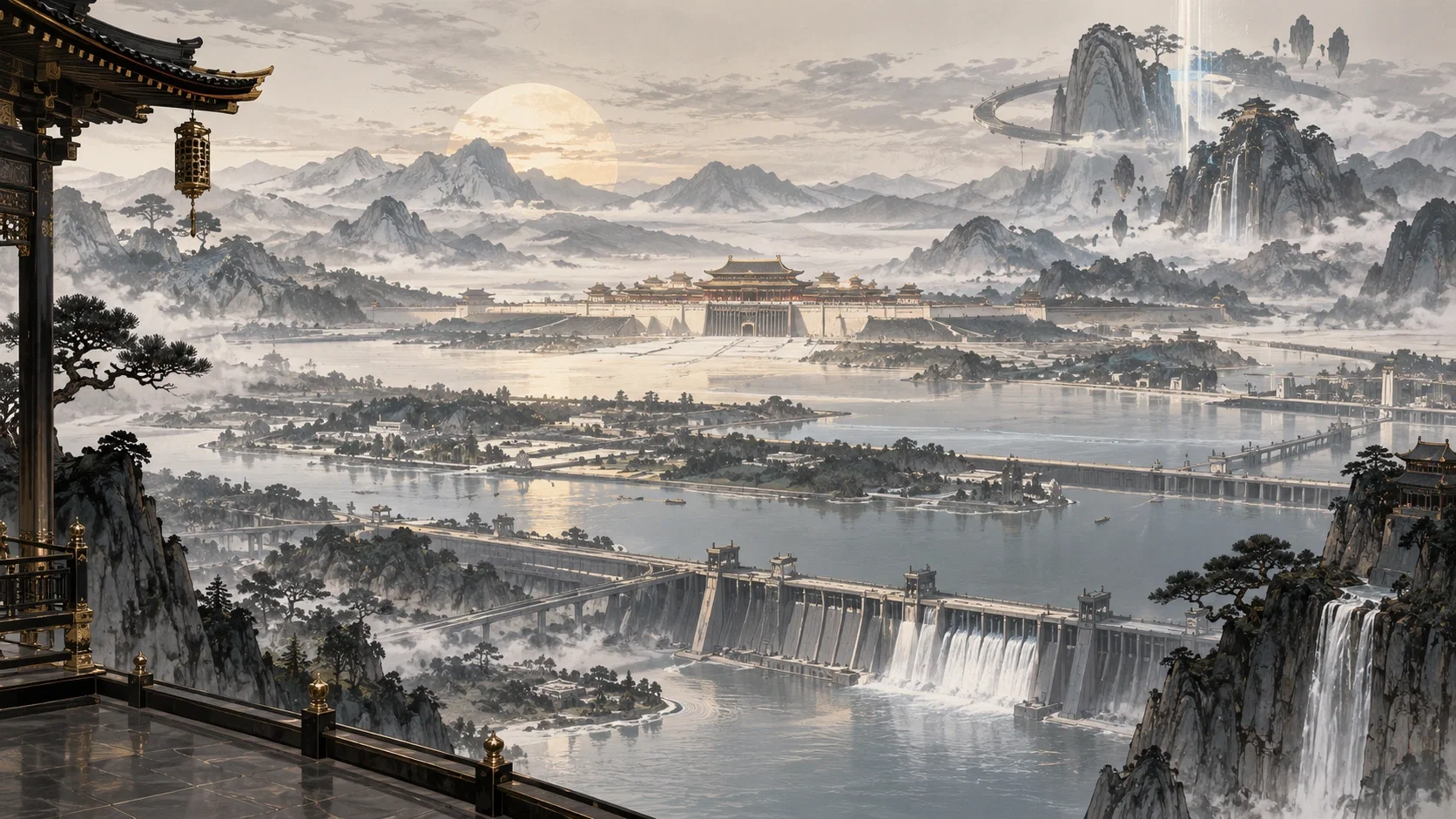
Luoyan is the great human realm of the East and, alongside Rosenveil, one of the two foremost human powers in the world.
It is a complete civilization in its own right, with its own aesthetics and its own way of standing in the world.
Its population, wealth, and capacity are vast, and it remains largely unmobilised. What Luoyan could become is a constant factor in how others think about it.
Luoyan does not seek to expand outward - partly by temperament, and partly because it borders so little that there is hardly anywhere to expand into. It keeps somewhat closed to the outside, and it is not a feudal realm: it has neither an emperor nor an empire.
What binds Luoyan together is culture. Offices, the magistracy, and individuals alike are joined by it - it is what makes one realm out of so many separate parts.
19 Luoyan: The Land+ Plains and high mountains: broad farmland at the heart of the realm, great ranges at its edges, and a coast that is wealthy in a different way from the interior. The mountains and their passes are what stand between Luoyan and everything to the west.
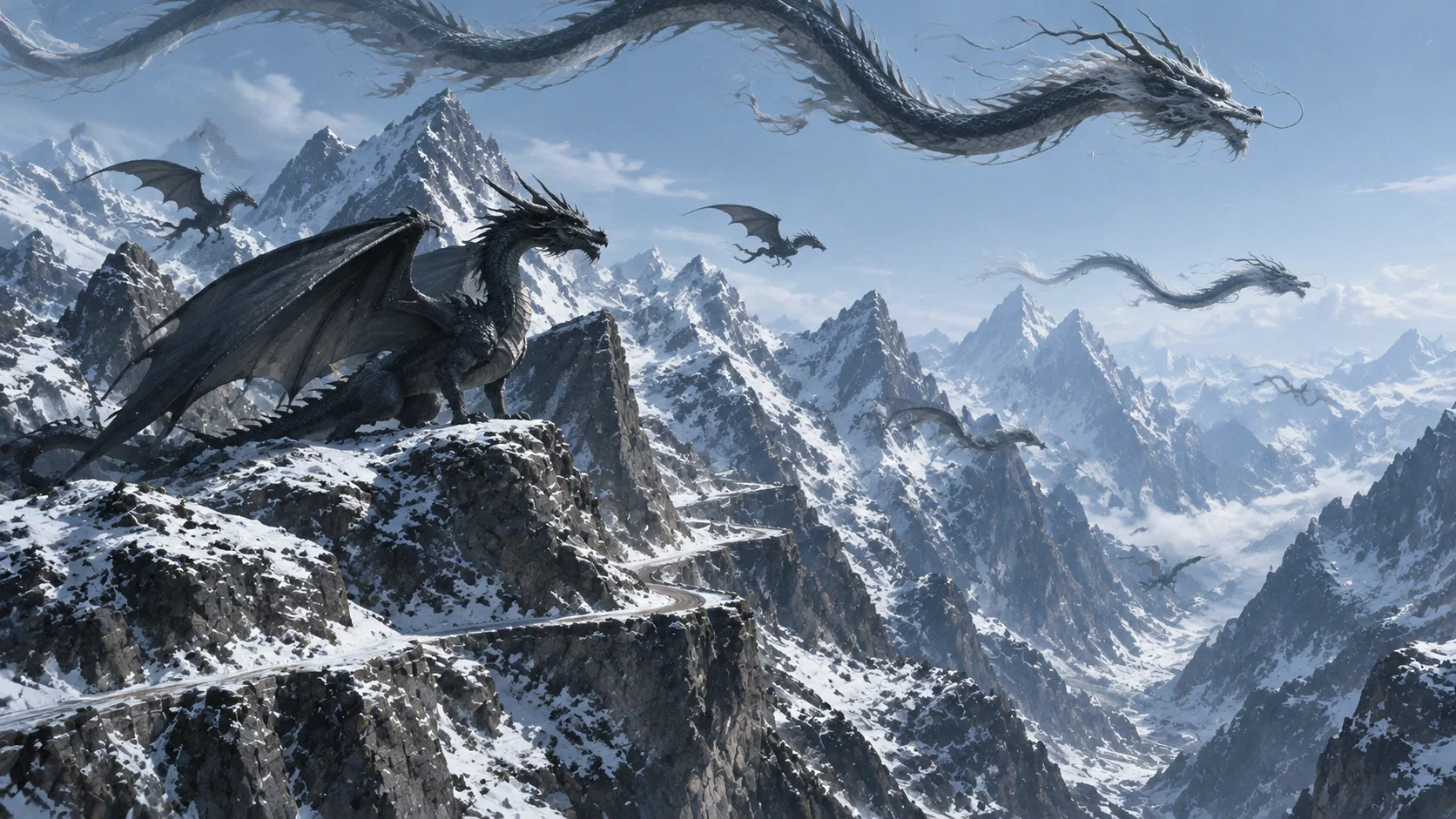
Luoyan's vast territory includes fertile plains, great rivers, mountains, forests, grasslands, and wealthy coastal cities. Its enormous population, abundant resources, and immense wealth support one of humanity's most powerful civilizations.
Its two defining features are the plains and the high mountains: broad farmland at the heart of the realm, and great ranges at its edges.
The coast and the plains are wealthy in different ways, and their prosperity does not look the same.
The great mountains and their passes are what stand between Luoyan and everything to the west.
20 Luoyan: Government+ A number of separate offices, none of them above the others, together known as the magistracy. Authority rests in the written code rather than in any person, and no government holds absolute control over the realm. Behind the offices sit the great houses — no office, real power, and command of two things: scholarship and advancement.
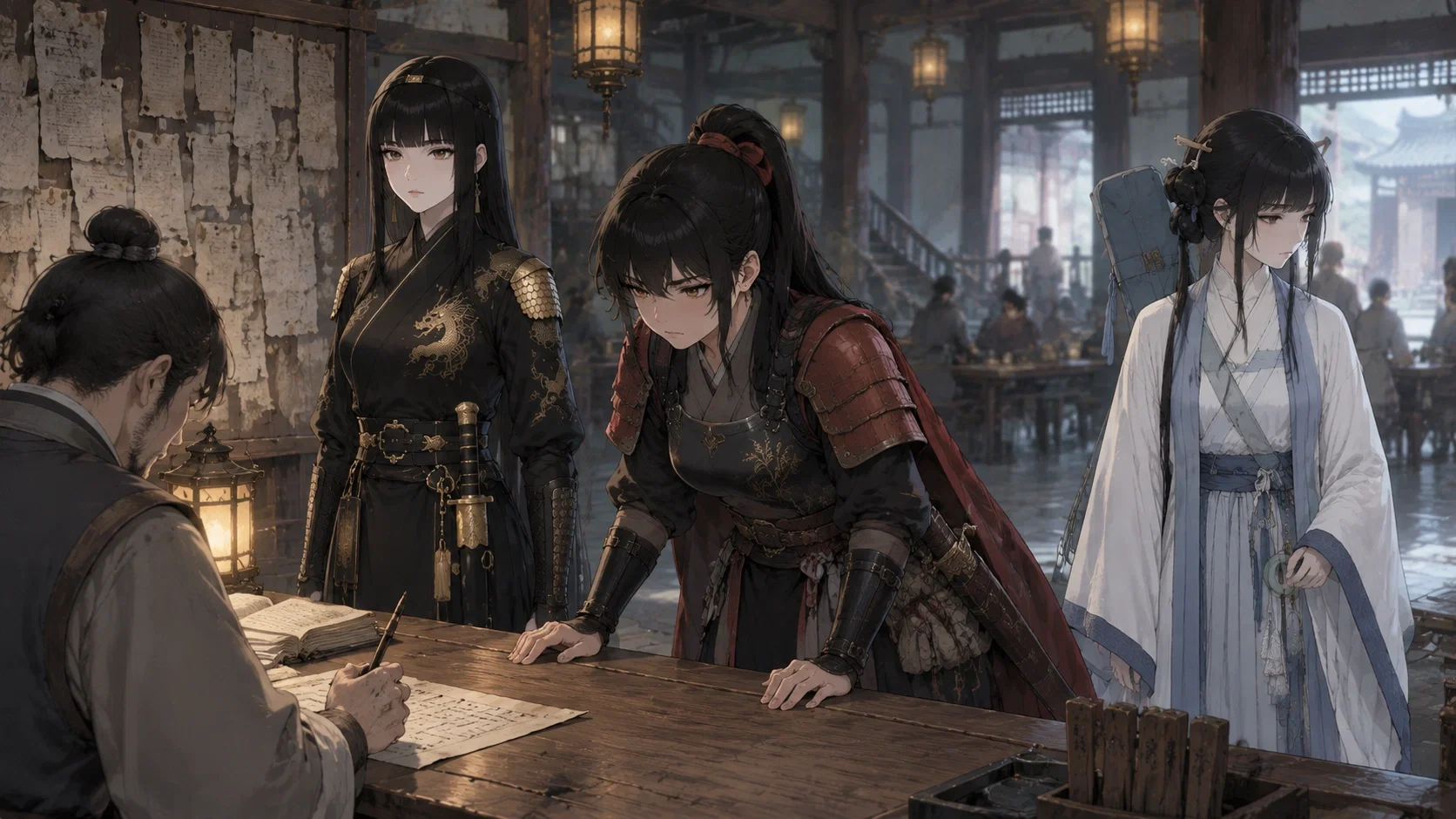
Luoyan is administered by a number of separate offices. Each office is independent of the others, and no single office stands above them; their strength and influence are not equal, and together they are known as the magistracy. Authority rests in the written code, not in any person, and no government is capable of absolute control over the realm.
Some offices are departments of state and some belong to the great houses and trades. Among them are offices that keep order within the realm and root out treason, offices of plain force, and offices that are little more than an industry's own head.
Power in Luoyan rests on the examinations and on adventurers themselves.
The great houses are wealthy, long established, and rooted for generations. They hold no office, yet they wield real power from behind the scene. They are part of the government, rooted so deeply that the realm cannot be imagined without them.
They control two kinds of resources: scholarship, and advancement to office. There are many such houses. They keep retainers, who live at a house's expense and serve it in return.
21 Luoyan: Advancement+ Advancement runs through examination, half of it arms and half of it letters. Ability is what carries a person upward — but to sit and to pass, a person generally already has backing. Adventurers are a recognised part of the administration, and “adventurer guild” is a loose name for bodies that appear wherever adventurers do.
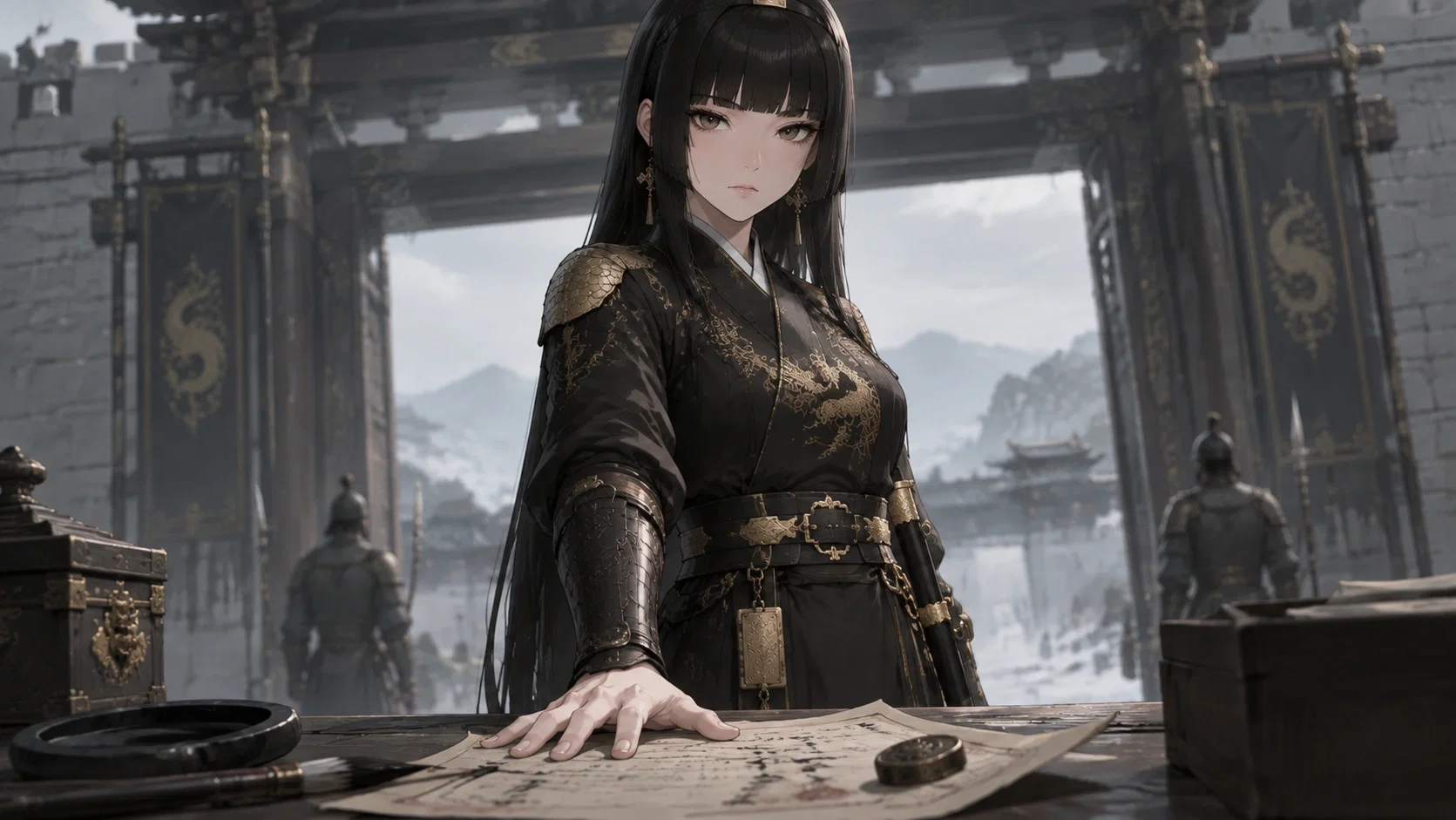
Advancement in Luoyan runs through examination. Ability is what carries a person upward, and the capable take the higher places. Half of what is tested is arms; the other half is letters.
Those who pass are rarely commoners in the plain sense of the word - to sit and to pass, a person generally already has backing.
Adventurers are also a recognised part of the realm's administration, and are treated as one of its offices.
"Adventurer guild" is a loose name. There is no single great institution behind it; such bodies appear wherever there are adventurers, and they do not greatly conflict with one another.
22 Luoyan: Internal Core+ The foundation of all martial practice, worked through breath and the meridians, and ranked in five: Draw, Circle, Bone, Anima, Source. Rank decides how strong a person is. It does not decide what kind of strong — two people at the same rank may practise arts of entirely different character, and it shows in how they carry themselves.
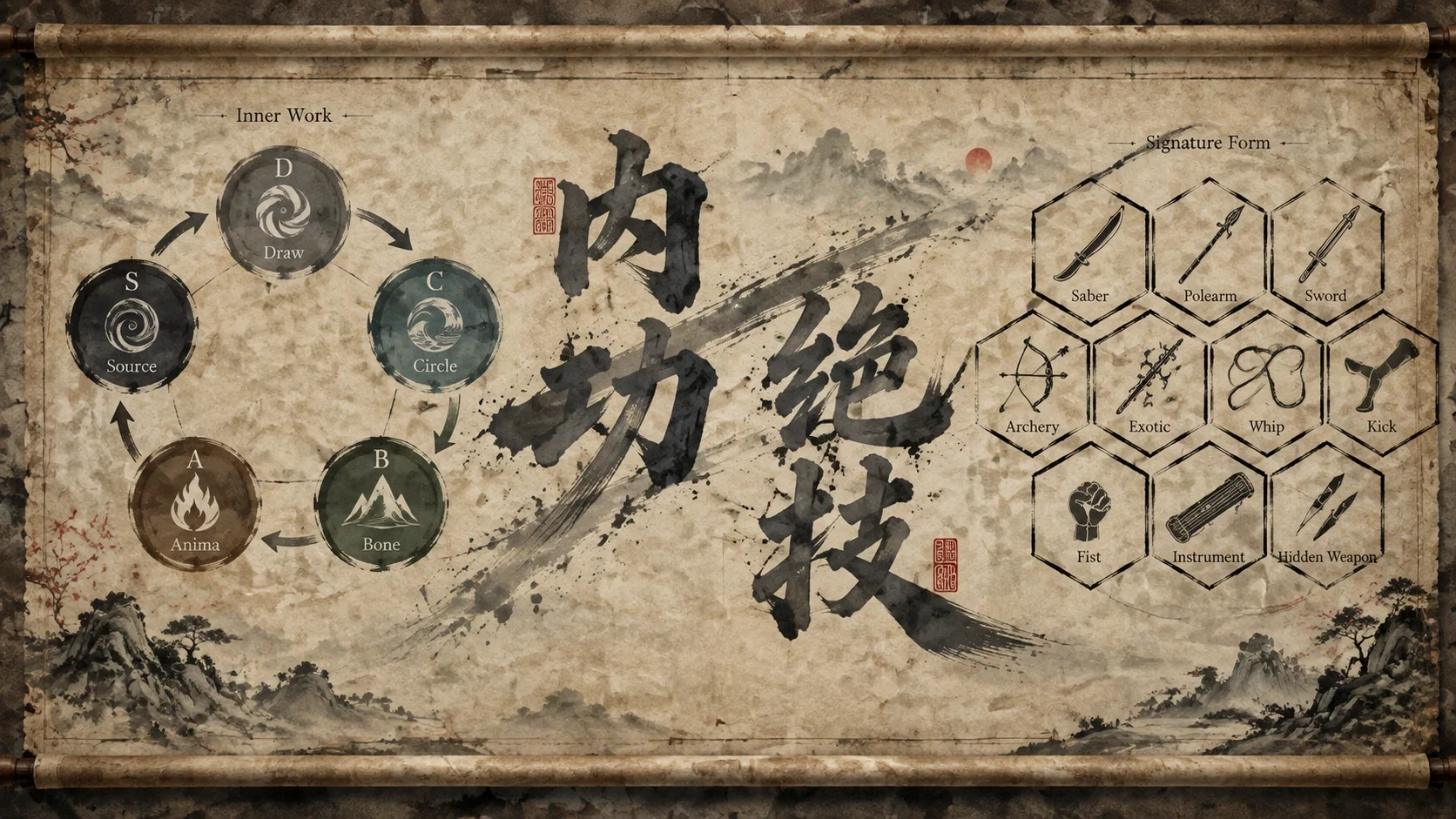
An internal art is the foundation of all martial practice. It works through breath and the meridians, building the body and driving strength; everything else rests on it.
Internal arts run in five ranks, matching the five ranks of adventurers:
· D - Draw
· C - Circle
· B - Bone
· A - Anima
· S - Source
Internal arts differ in kind as well as in rank. Two people of the same rank may practise arts of entirely different character, and the kind of art shapes how a person carries themselves and how they fight.
An internal art decides how strong a person is. To use an art of high rank generally requires great natural gift, though not always.
23 Luoyan: Signature Form+ What a person actually uses: one of ten disciplines, from saber and polearm to instrument and hidden weapon. The ten are complete, and each divides into countless branches. A form is not tied to rank; how strong it is depends on how far the practitioner's internal art has been carried.
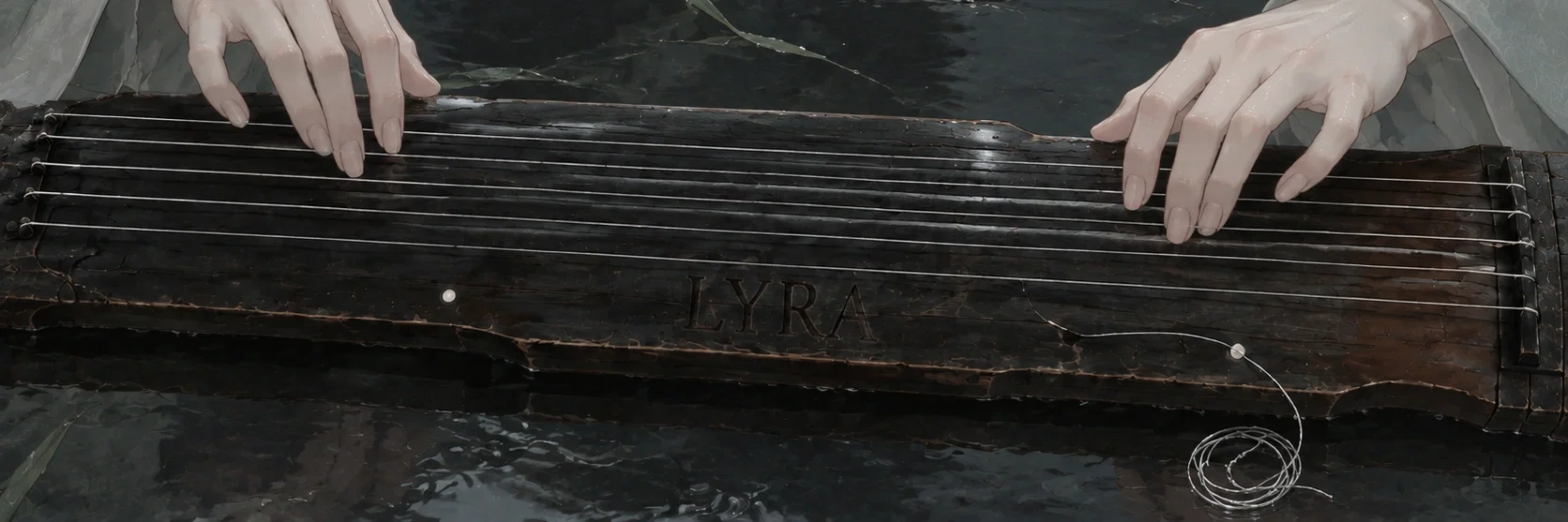
A signature form is what a person actually uses - a discipline of weapon or art. A person usually practises only one; a rare master may hold more than one, whether through unusual energy and gift, or through plain necessity.
There are ten disciplines, and the ten are complete. Each of the ten can be divided further into countless branches.
· Saber
· Polearm
· Sword
· Archery
· Exotic
· Whip
· Kick
· Fist
· Instrument
· Hidden Weapon
A signature form is not tied to rank. Two people of the same rank may practise entirely different forms, and how strong a form is depends on how far the practitioner's internal art has been carried.
The division into ten is Luoyan's own; it serves the same purpose as the warrior, archer, priestess, and mage divide found elsewhere.
24 Luoyan and the Rift+ Two human realms that do not share a border, allied but barely in contact, with dragons living in the mountains between them. Luoyan sends grain, medicine, weapons, money, and specialists rather than an army, because the Rift is thousands of miles away. Its real strength is not its current army but what total mobilisation would make it.
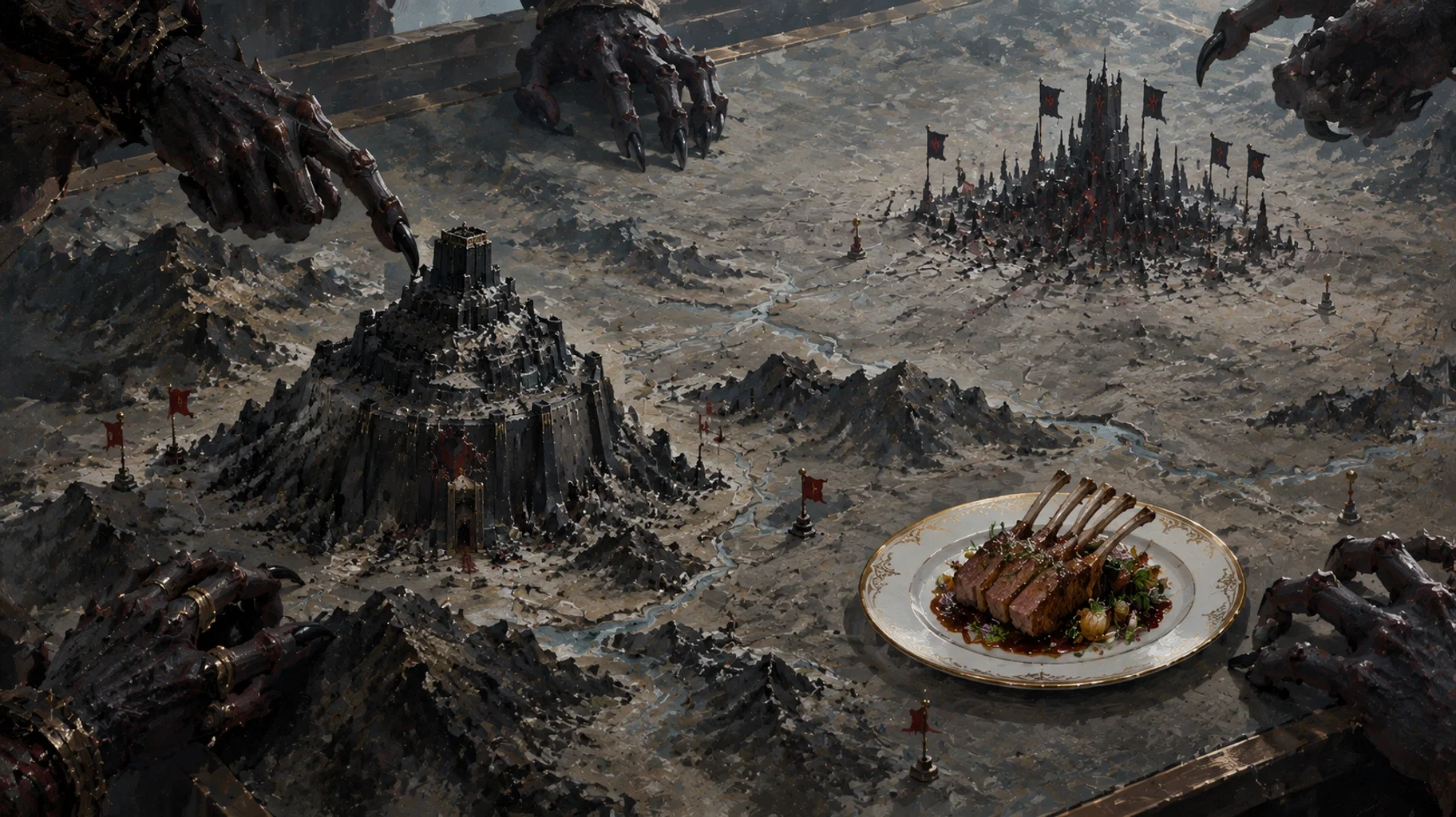
Both realms are human. They do not share a border - a great mountain range and great distance lie between them. They are allies, though not wholly cooperative ones, and the two have little contact with each other.
Dragons live in the mountains between them. They have their own interests, and like all dragons they are fond of wealth; now and then one takes payment and does not deliver, though such cases are few.
Luoyan is not neutral in the Rift War. However, the Rift lies thousands of miles away, beyond other kingdoms and major natural barriers, making the deployment and supply of a large eastern army extremely difficult.
Luoyan understands that if Rosenveil falls, Corruption will eventually spread eastward. It therefore supports Rosenveil with grain, medicine, weapons, money, specialists, and other wartime aid.
Luoyan's greatest military strength is not its current army but its enormous untapped war potential.
Most of its population, agriculture, mines, workshops, fleets, roads, wealth, and administrative capacity remain devoted to peacetime purposes.
Should the Rift force Luoyan into total mobilisation, its population, resources, industry, and administrative capacity could make it a military power potentially greater than Rosenveil.
Dragons are a species, not a rank, and they were here before the Rift. This last chapter is the scale everything else is measured against: what a monster is worth, what an army is worth, and why the strongest individual in the world still cannot hold a road alone.
25 Threat Scale & Military Balance+ Monsters were here before the Rift, and dragon is a species rather than a rank — a young one may be B, a mature one A, an ancient one S. Powerful individuals do not make armies obsolete: an adventurer can kill a monster, but only an army can hold roads, cities, and supply lines for months. Even the strongest remain part of the world.
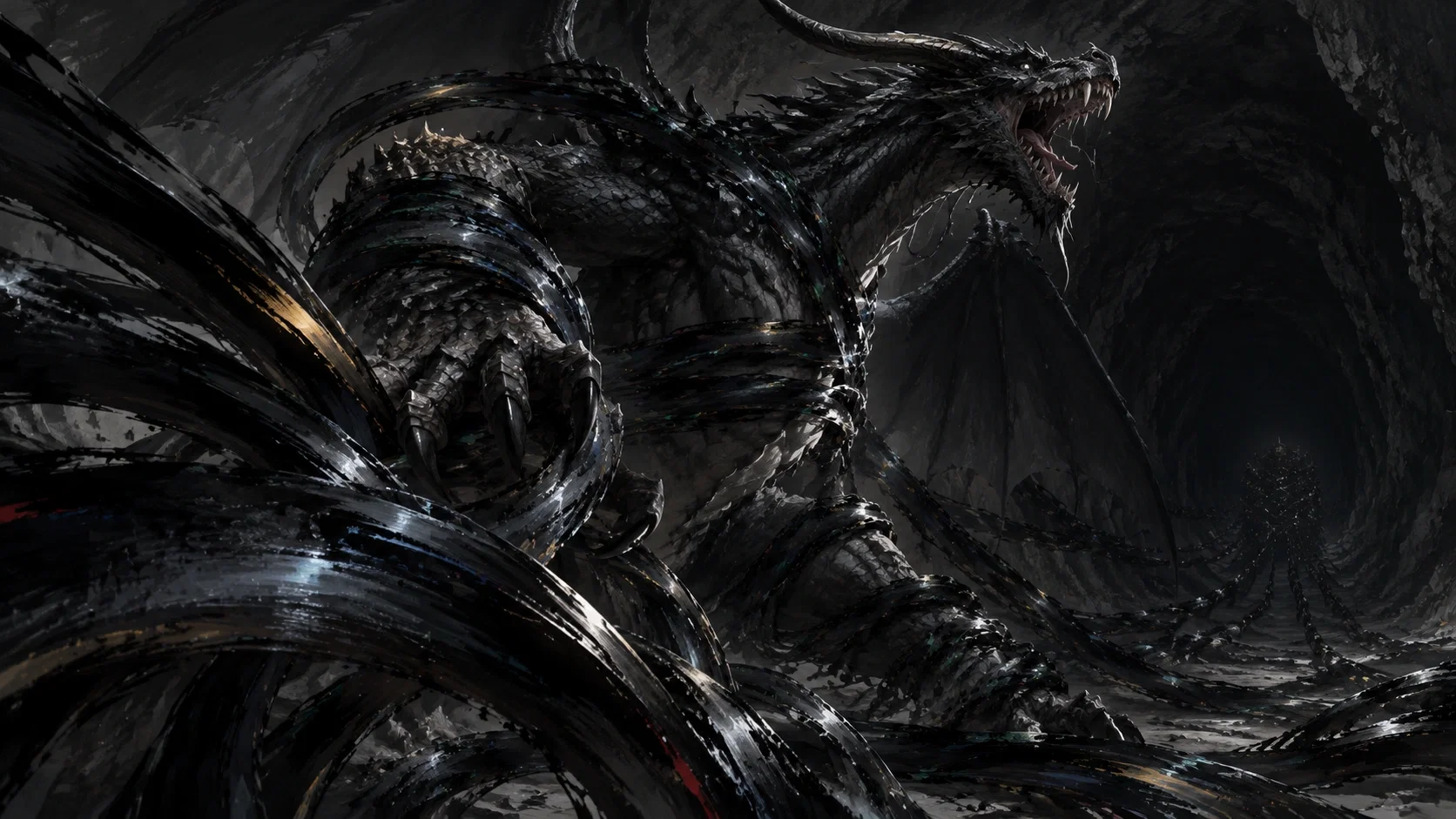
Monsters existed in the world long before the Rift appeared. The Rift and the demons did not create ordinary magical creatures.
Common threats include slimes, goblins, orcs, trolls, ogres, giant spiders, undead, elementals, wyverns, drakes, magical beasts, spirits, and ancient monsters.
Dragon is a species, not a threat rank.
A young dragon may be approximately B- or A-rank.
A mature true dragon is commonly A-rank.
Ancient dragons may reach S-rank.
Some dragons are fully intelligent and capable of speech, diplomacy, long-term planning, and independent political goals.
Powerful individuals do not make armies obsolete.
Adventurers are rare and can become exhausted. They cannot defend hundreds of miles of territory and remain vulnerable to massed arrows, artillery, traps, military formations, battle magic, attrition, and superior numbers.
An adventurer can kill a monster.
An army can protect roads, cities, farms, fortresses, supply lines, borders, and entire regions for months or years.
Even the strongest individuals remain part of the world rather than standing above it.
Individual power, monsters, armies, logistics, geography, and political organization all remain relevant to warfare.
This book will keep changing. Thank you for reading this far. If you like this world, leave a comment.
Lorebook source
Please log in to see comments