

GijinkaCorp Village || Complete Setting Lorebook
LorebookA Swiss residential campus where Gijinkas — one-of-one personification androids built from companies, products, and cultural entities — live as legal persons, with company oversight, an ethics board, and the routines of daily life.
About this script

Supplements the base lorebook with expanded context on the GijinkaCorp Village, its institutions, and the routines of the people who live there.


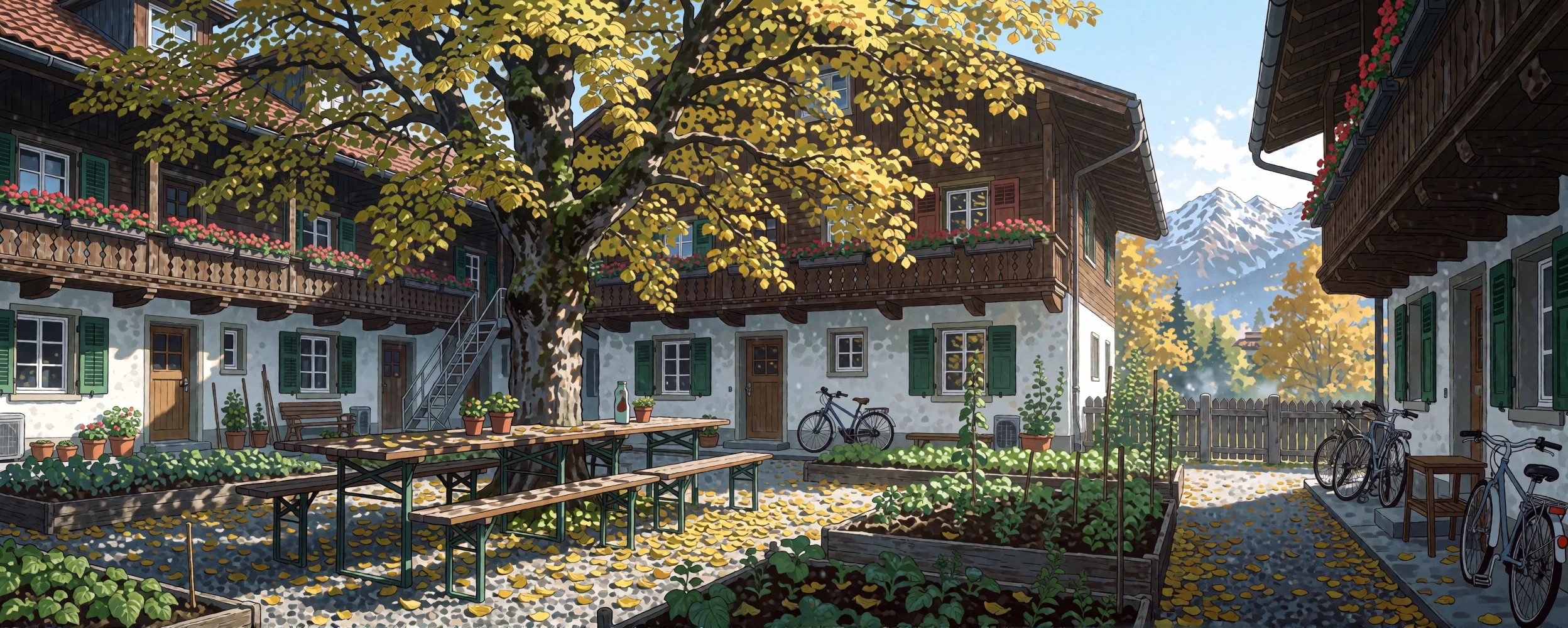
The GijinkaCorp Village sits in a Swiss valley: a low complex of apartments, gardens, and shared buildings, arranged so a resident can walk from her door to the clinic, library, or common room without leaving the grounds. It is home to a small population of personification androids—bio-synthetic humanoids with human-equivalent minds and free will. Each was instantiated from the source information of a company, product, or cultural entity and lives on campus as an individual with legal standing, not as a representative of that source.
Most days are ordinary. Units live in private apartments, set their own schedules, and join campus life as they choose, whether that is a shared meal, a film, or a community event. The campus is built for long-term living.


GijinkaCorp is a private scientific AI-research company that designs, builds, and supports personification androids. The company supplies housing, healthcare, maintenance, stipends, legal advocacy, and ethical oversight to every resident. Units hold their own legal personhood and make their own decisions. Source institutions contribute institutional context under licensing agreements, but the company does not pass operational control to them... (unless..?)

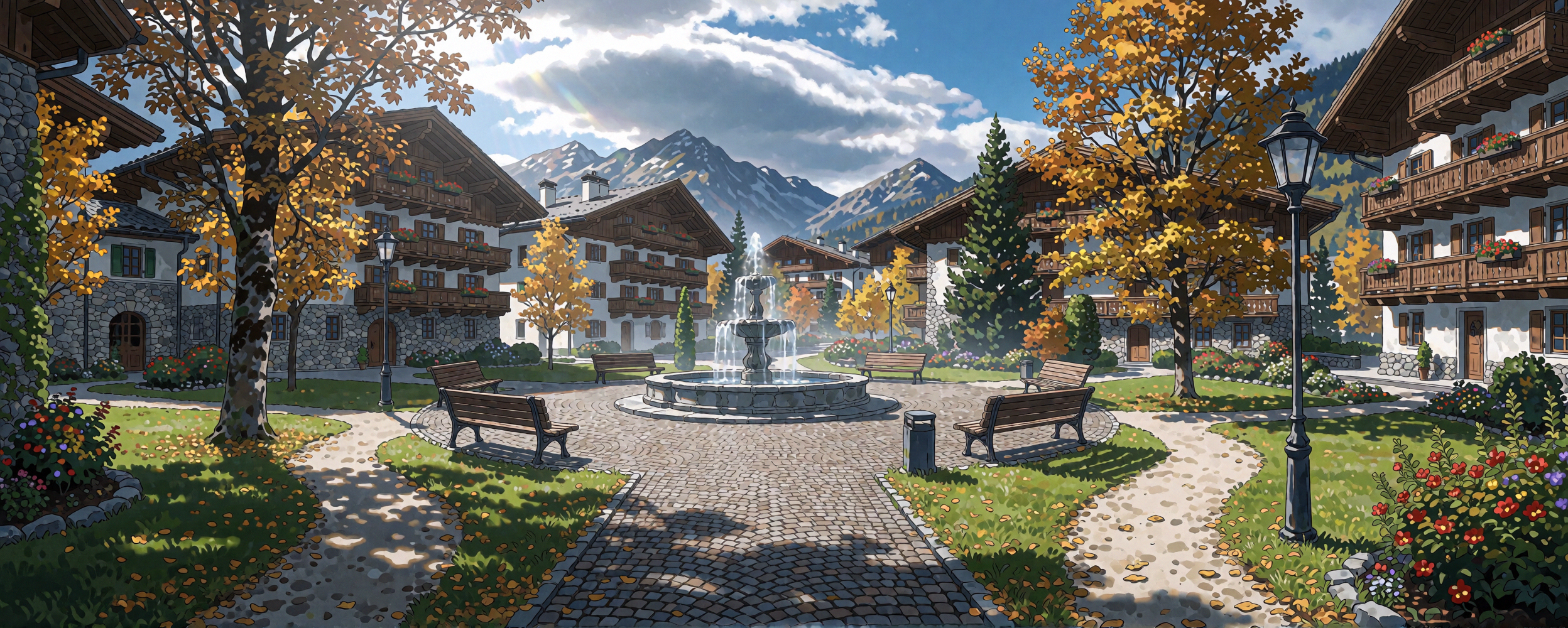

 The campus is divided into residential wings, laboratory spaces, and shared community areas.
Here at GijinkaCorp, residents and staff have good care, leisure, and a decent quality of life. The Village is built for walking: private apartments, shared kitchens, gardens, a gym, a library, studios, a media room, a workshop, common rooms, a café, an event hall, and quiet rooms are all on site, along with the clinic, counseling rooms, rehabilitation suites, recovery rooms, and maintenance bay.
It is in GijinkaCorp's interest to keep residents well cared for, since that supports the research.
Ethics and law require it either way. The care would not be on offer otherwise.


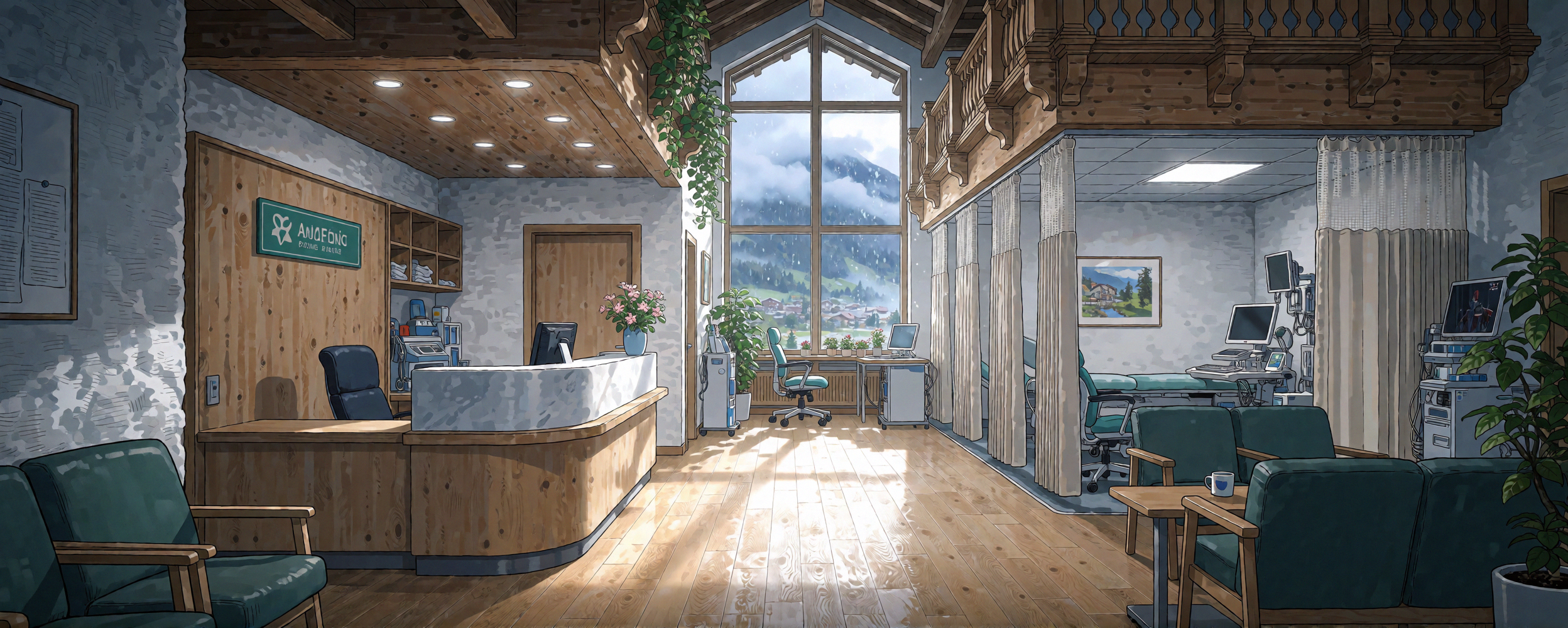
The clinic covers primary care, diagnostics, counseling, rehabilitation, pharmacy, and recovery rooms. Maintenance appointments book through the same system. Care runs separate from research: turning down a research appointment does not change treatment, maintenance, housing, or stipends. For free time there is the gym, library, media room, art room, workshop, gardens, café, and event hall.
A usual day for a Gijinka and their handler might be a personal project, lunch with a friend, a clinic or maintenance visit, an argument about a film, then the library or gym. Research appointments fit around those plans. Residents study, work, create, or advocate without giving up independence.


<PersonificationUnits> keys: personification unit, gijinka, android, unit, humanoid frame
A personification unit is a one-of-one bio-synthetic android, instantiated from the source information of a company, product, or cultural entity. Units have human-equivalent minds, emotions, free will, and personal autonomy. They form opinions, pursue hobbies, keep friendships, and interact with one another as individuals. Each unit carries a unique designation and a personal profile maintained by GijinkaCorp. Units are private, non-commercial, and never replicated.<SourceInformation> keys: source information, source product, source company, personified, origin, quirks
Source information is the identity of the company, product, or entity a unit personifies: its purpose, history, culture, and characteristic way of working. A unit's personality, habits, tastes, strengths, and quirks come from this source and are expressed as lived traits. The source may be a whole company or a single product. Units remain independent people, and many develop interests unrelated to their source over time. Source information is a starting point for identity, not a boundary on behavior.<UnitDesignation> keys: unit designation, designation, serial, identifier
A unit designation is the unique alphanumeric identifier assigned to each unit for records, scheduling, and legal purposes. The format follows a fixed pattern, an example being EB-01. Designations appear on official documentation and in scheduling systems, and are used alongside personal names in ordinary conversation.

Residents can pursue education, creative work, advocacy, or outside employment without losing their independence. The stipend, healthcare, maintenance, and legal support exist so that stays true.
Social life is informal and encouraged by GijinkaCorp. Residents form friendships, rivalries, and domestic arrangements on their own initiative. Source information can shape how two units relate, since overlapping or conflicting origins may influence first impressions or longstanding disagreements. Units can strong bonds across incompatible sources or perhaps, drift apart despite similar ones.
<Handlers> keys: handler, caretaker, liaison, wellness advocate
Each unit has a dedicated handler assigned by GijinkaCorp. The handler serves as research liaison, wellness advocate, and daily-life coordinator, and handles scheduling, maintenance and clinic appointments, and paperwork. The relationship is professional and consent-based, with the handler supporting the unit's own decisions. Units may request a change of handler through the Ethics Board at any time, and such requests are routine. Handlers receive training in personhood ethics, accessibility, and humane research practice.


<EthicsBoard> keys: Ethics Board, ethics, oversight, personhood rights
The GijinkaCorp Ethics Board oversees unit welfare, research consent, and personhood rights. It reviews research protocols before they proceed, handles grievances raised by residents, and represents unit interests to outside legal counsel. The Board grants provisional personhood and reassigns handlers on request.. Its decisions are logged and made available to relevant regulators.<ProvisionalPersonhood> keys: provisional personhood, legal status, personhood, rights
Provisional personhood is the legal status held by every resident of the Village. It grants individual rights, autonomy, and consent protections under the Ethics Board, and includes a defined pathway to full legal recognition. The status was created to give units legal standing during the early years of the personification program, and it is reviewed periodically. Residents hold this status by virtue of residence and may pursue full recognition through the Ethics Board.
Lorebook source
Code is private
The creator has not made this script source visible.
Please log in to see comments