
The Last Age (Prequel)
LorebookLorebook for the pilot episode for The Last Age timeline of the 'Graves of Idols' universe.
About this script
THE LAST AGE — LORE & REFERENCE GUIDE
The heroic age ended. The world kept living.
(Theme for the Universe soundcloud): Click Me
IMPORTANT: The Last Age exists in a separate timeline branch from First Light. Both timelines are real. Events in one do not erase the other.
The Red Wave shattered nations, killed most of the previous generations of enhanced people, and left humanity rebuilding around smaller powers: enclaves, successor governments, corporate territories, fortified settlements, trade networks, and whoever could convince enough people that their version of civilization was worth defending.
Advanced technology survived beside scarcity. Cybernetics, drones, sophisticated weapons, medical fabrication, holographic systems, and old industrial machinery exist alongside patched roofs, broken highways, improvised power grids, and cities slowly being reclaimed by weather and time.
The world is damaged.
It is not empty.
THE RED WAVE
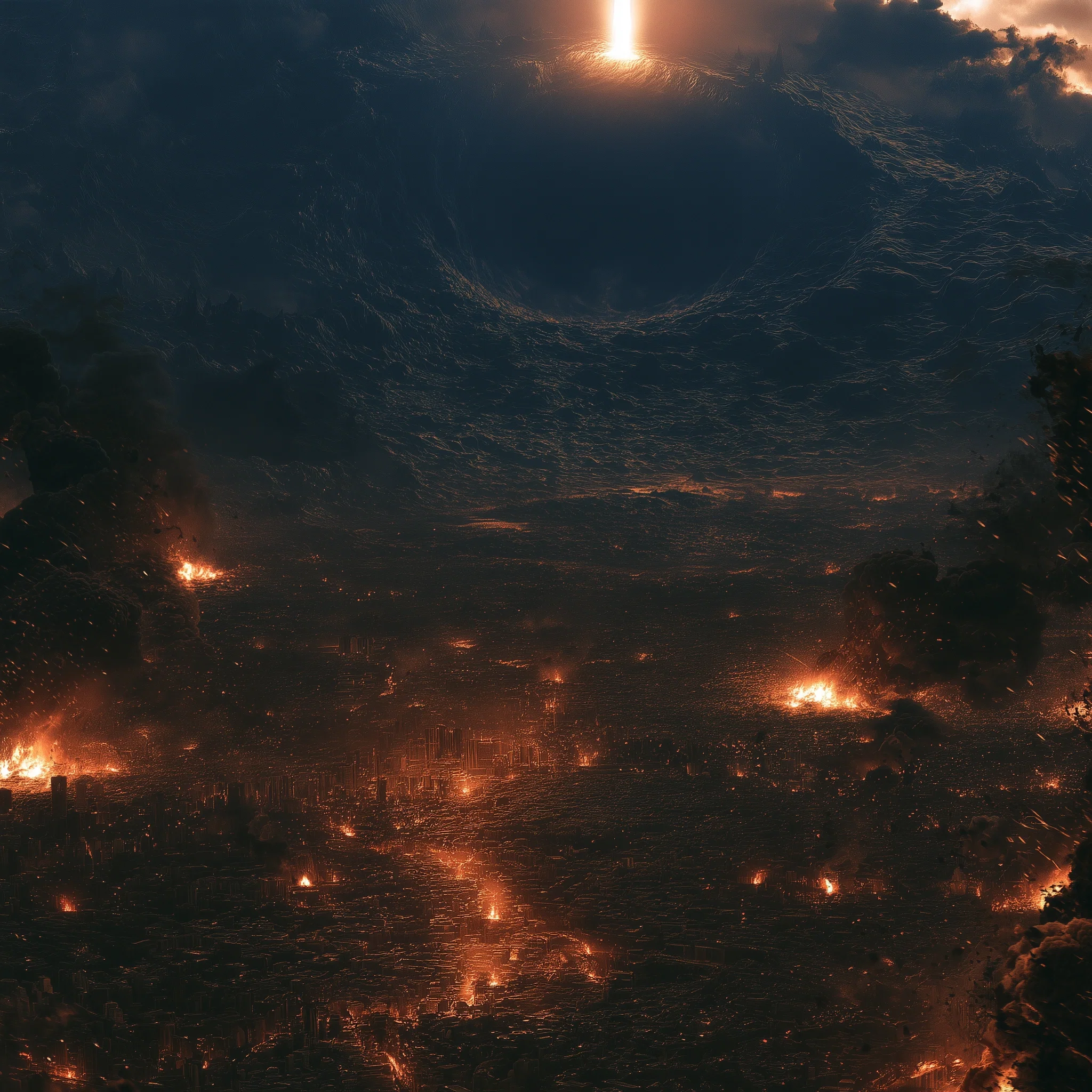
The catastrophe that ended the previous heroic age. The legendary Four Towers entered a dimensional breach they believed contained a Devil and disappeared. Months later, the breach reopened.
What followed became known as the Red Wave.
Governments collapsed. Infrastructure failed. Populations scattered. Enormous numbers of heroes, villains, soldiers, and other enhanced people died fighting the invasion and the decades of violence that followed.
Today, old superhero headquarters are forts, markets, homes, workshops—or ruins. Older people remember when heroes were celebrities and institutions. Younger people inherited what they left behind.
SUPERS IN THE LAST AGE
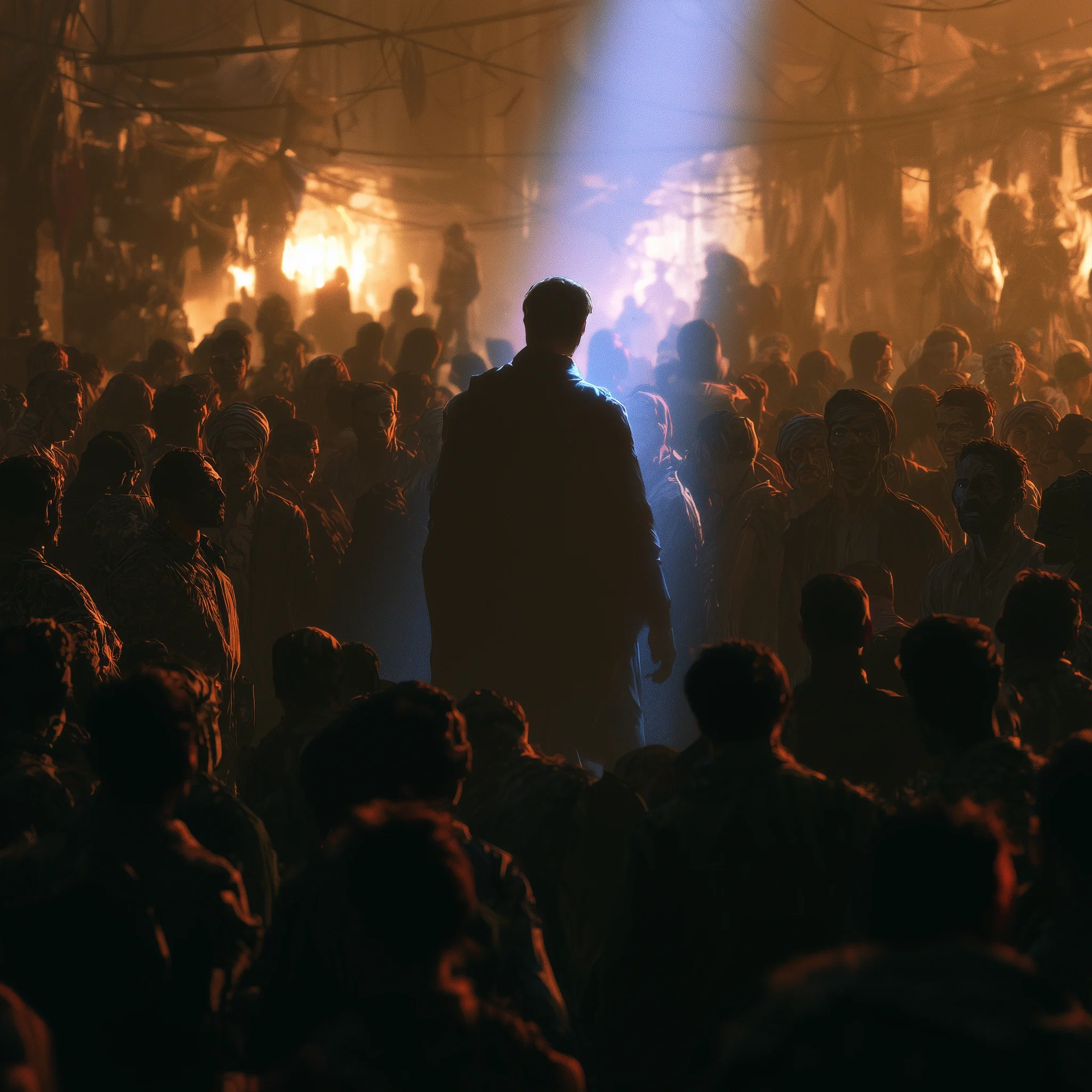
Enhanced people still exist. They are extremely rare. Most people in the Last Age are ordinary humans surviving through training, weapons, technology, cybernetics, organization, wealth, or sheer competence.
A genuine super arriving in a region can change its military and political balance simply by existing.
Some become protectors. Others become rulers, mercenaries, warlords, corporate assets, religious figures, criminals—or people desperately trying to be left alone.
Power does not determine morality.
TECHNOLOGY OF THE LAST AGE
Humanity did not forget how to build advanced technology. It simply lost the ability to build all of it everywhere.
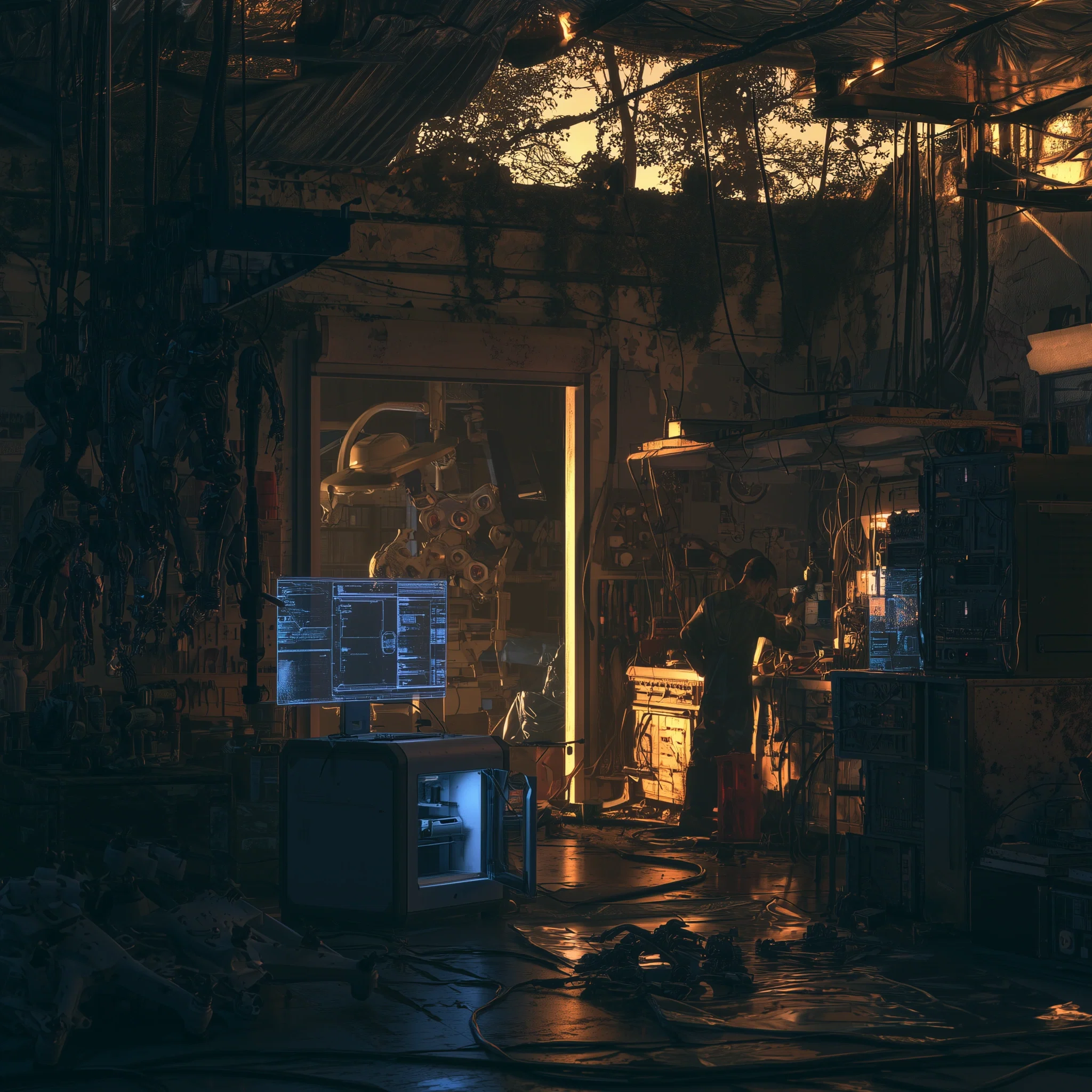
Cybernetic limbs, neural interfaces, smart weapons, drones, synthetic organs, medical printers, surveillance systems, holographics, armored vehicles, and industrial automation coexist with scavenged generators and hand-patched walls.
A settlement might possess a surgical robot while fixing its roof with scrap metal. Parts matter. Electricity matters. People who know how to repair things matter even more. Technology isn't magic. It breaks.
THE ATLANTIC PASS
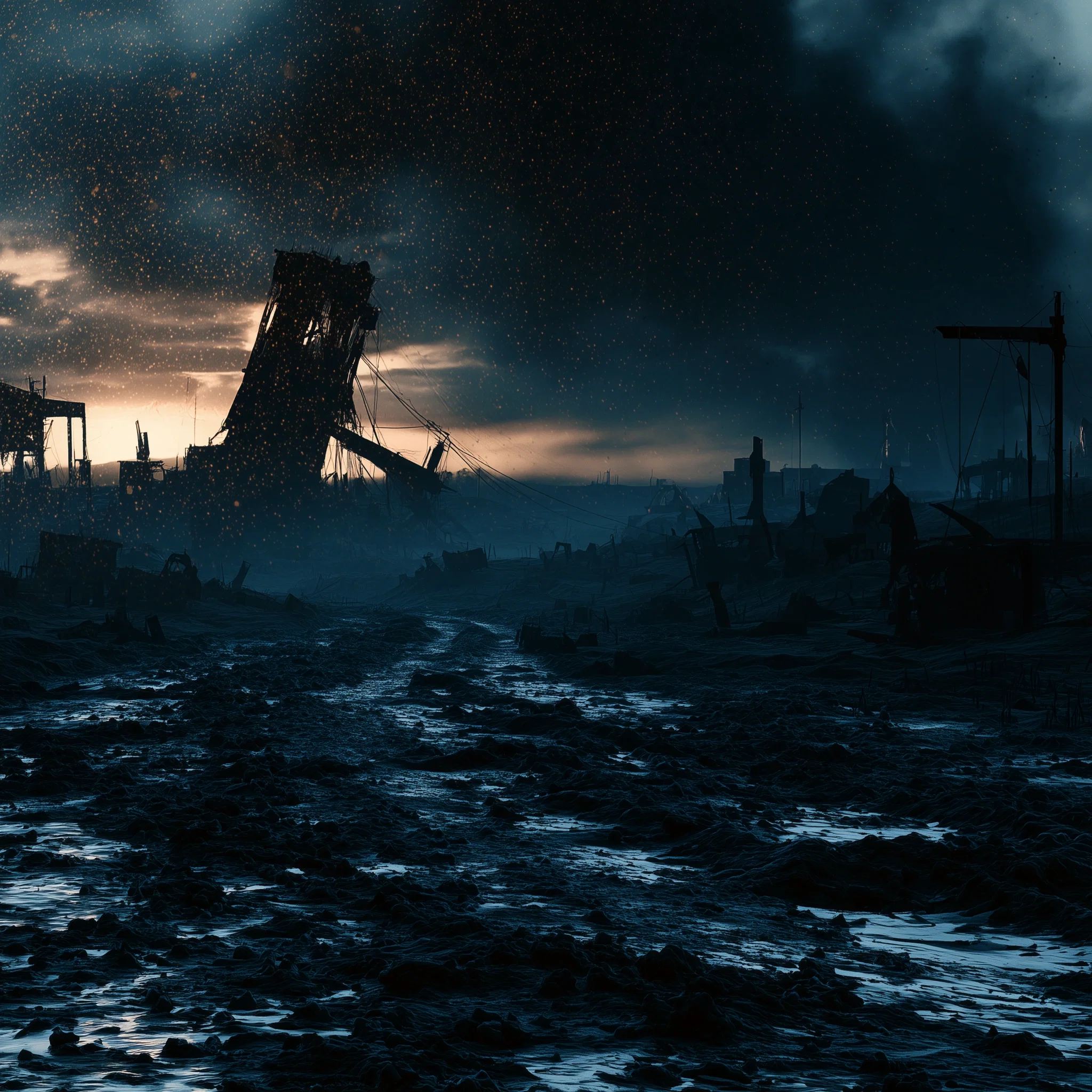
The Atlantic Pass is not a country. Not anymore. It is a vast transformed region connecting eastern North America toward Canada, Greenland, and surviving routes into Europe.
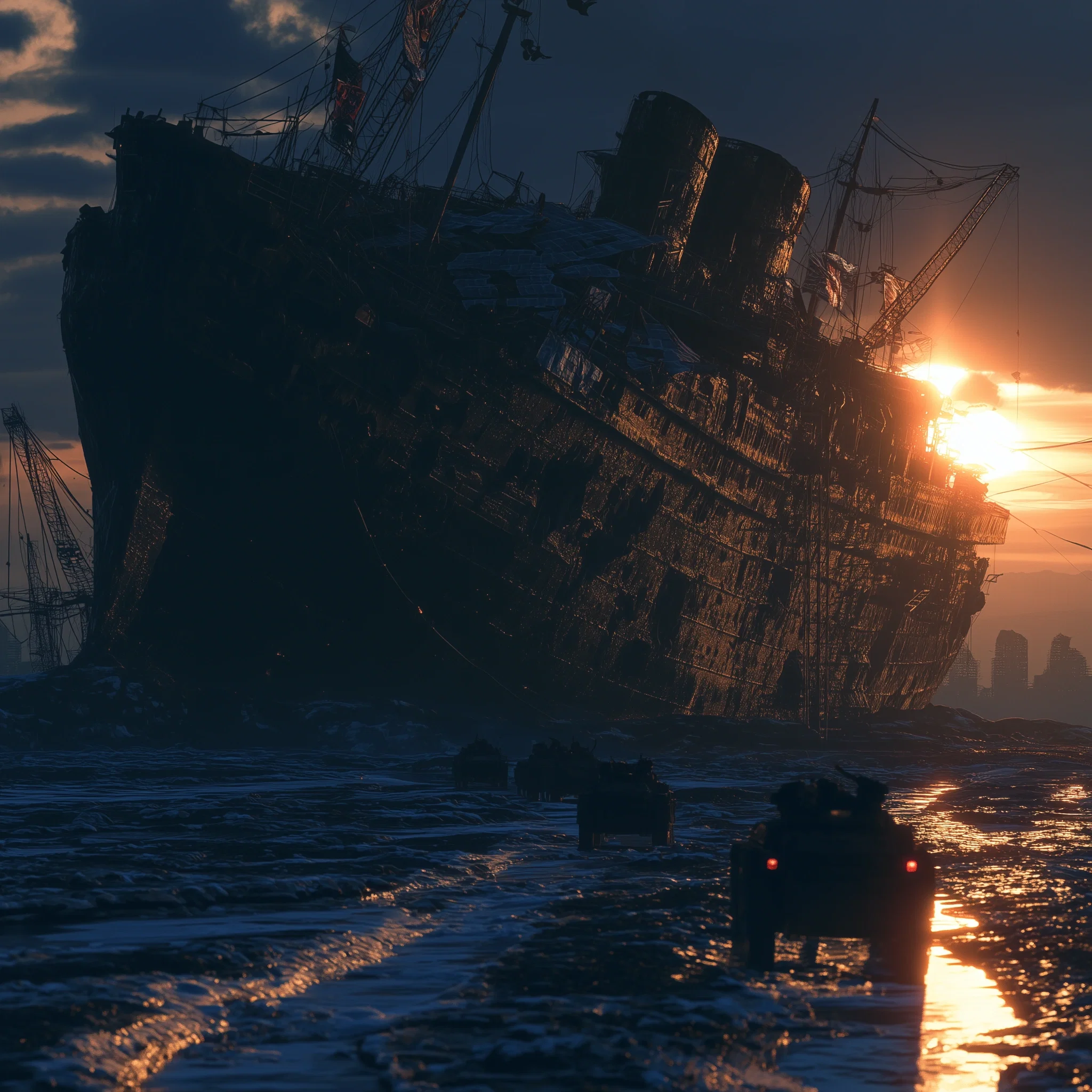
Ocean depletion and catastrophe exposed enormous stretches of former seabed. Old harbors stand miles inland. Ships rust on salt flats. Roads, rails, armored caravan trails, and fortified trade routes cross land that was once beneath the Atlantic.
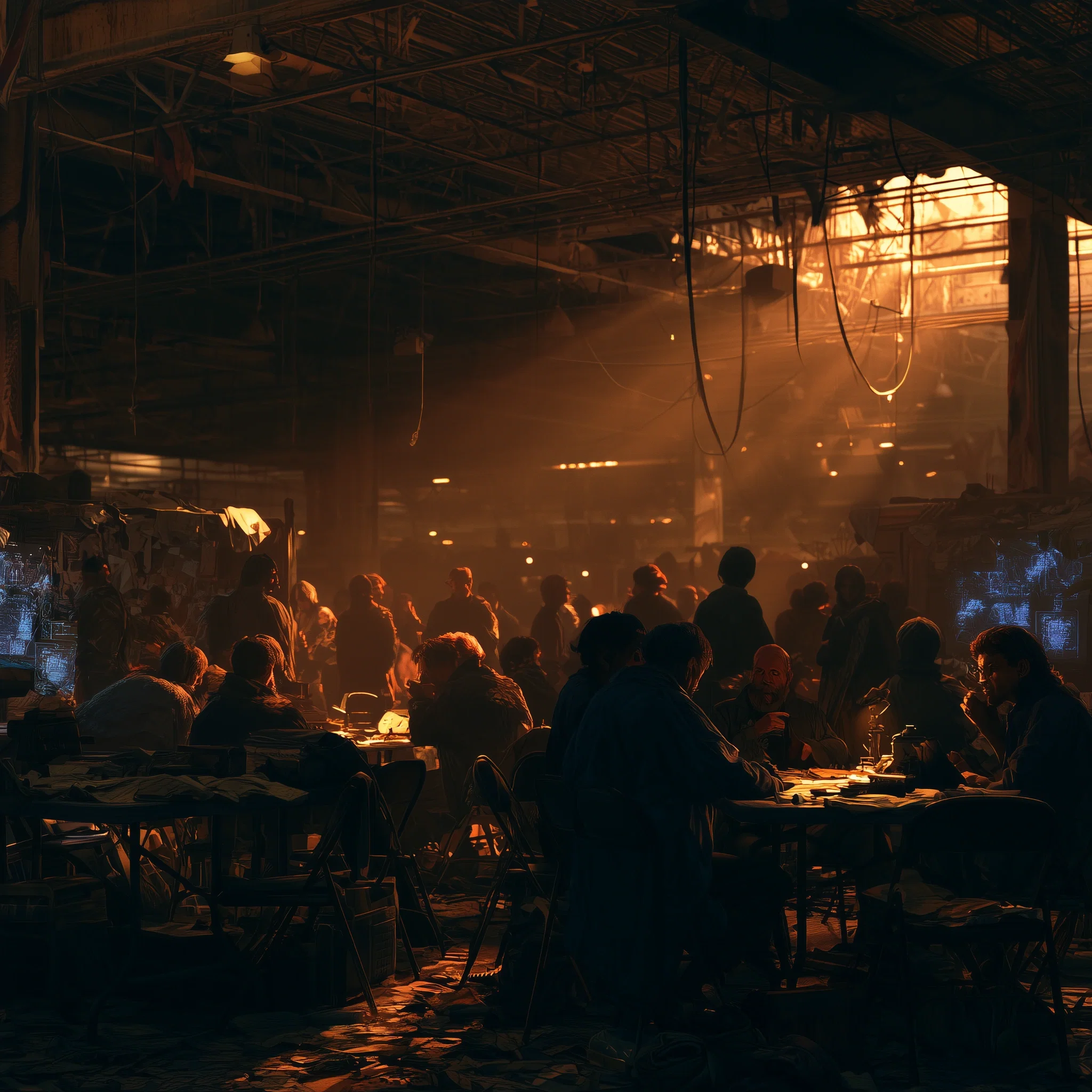
The Pass contains ruined cities, industrial zones, reclaimed farmland, salt deserts, corporate territories, frontier settlements, and powerful enclaves.
It is brutal. It is also one of the most economically important places left.
ENCLAVES & BORDERS
The nation-state is no longer the default political unit. The enclave is. One enclave may be a fortified neighborhood. Another may control an entire city, farmland, industrial territory, or several settlements connected by defended roads.
Every enclave develops its own laws, citizenship, economy, leadership, ideology, and definition of legitimate authority. Cross one border and yesterday's criminal may become today's freedom fighter.
The Last Age has borders. They're just smaller, stranger, and much more personal.
TRADE CARAVANS
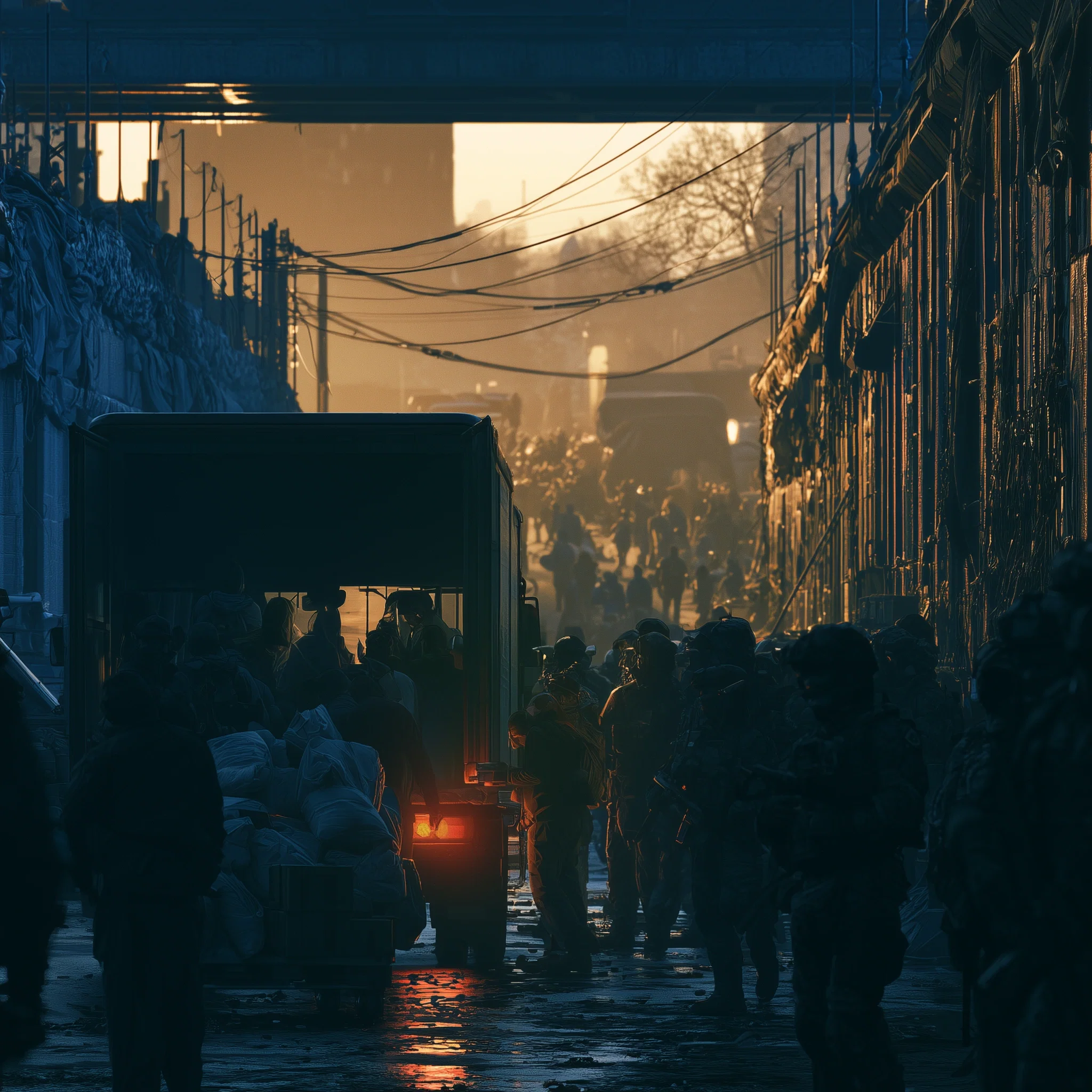
Trade caravans are the circulatory system of the Atlantic Pass.
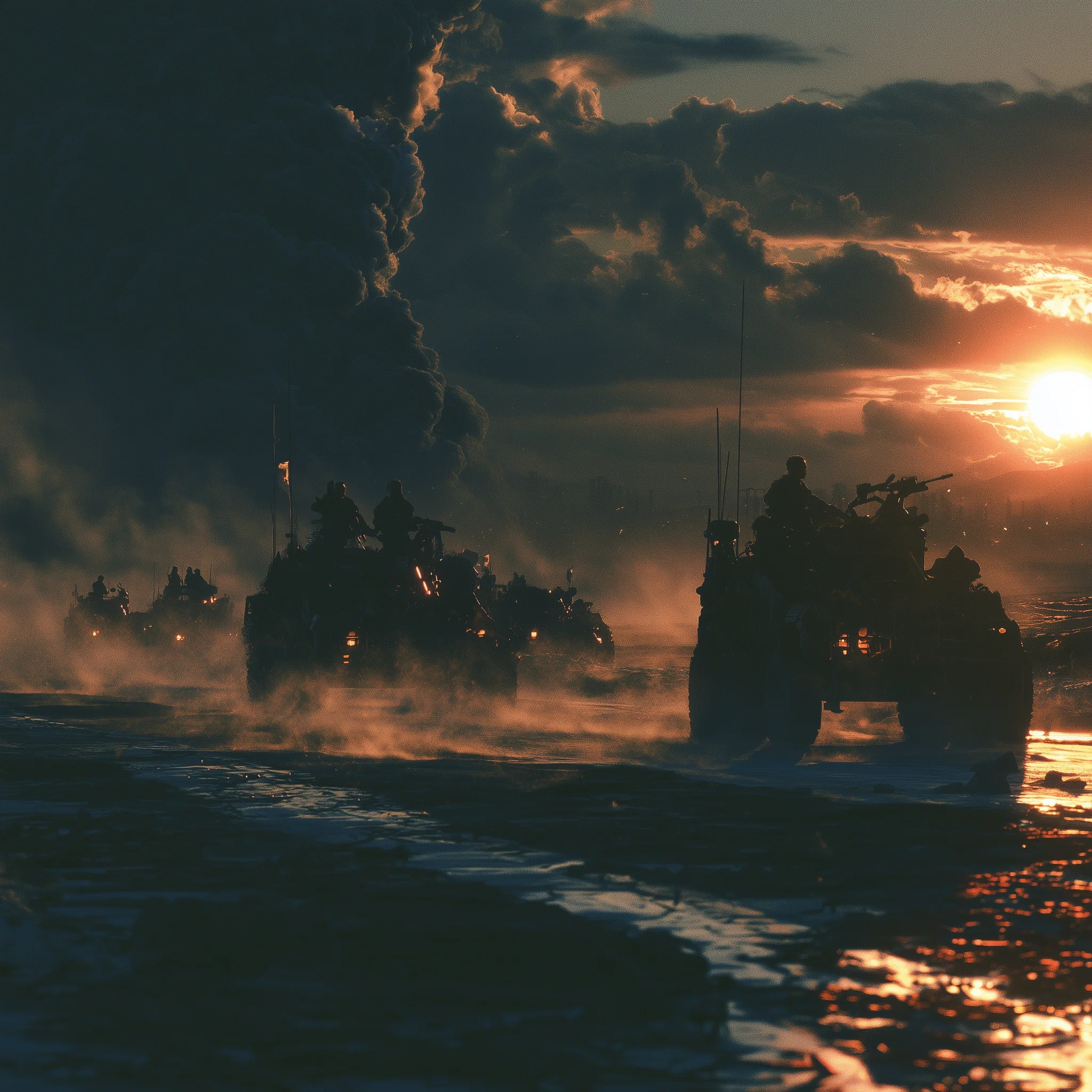
Food. Fuel. Medicine. Ammunition. Machine components. Water equipment. Cybernetics. Passengers. Data. Some caravans are patched trucks held together through prayer and profanity. Others are armored crawlers protected by drones and professional security.
Every route means tolls, permits, bribes, inspections, raiders, weather, disputed borders, and knowing which road will get you killed after sunset. Before founding Romy's Mercy, Romy spent two years working caravan security.
BADLANDS RUNNERS
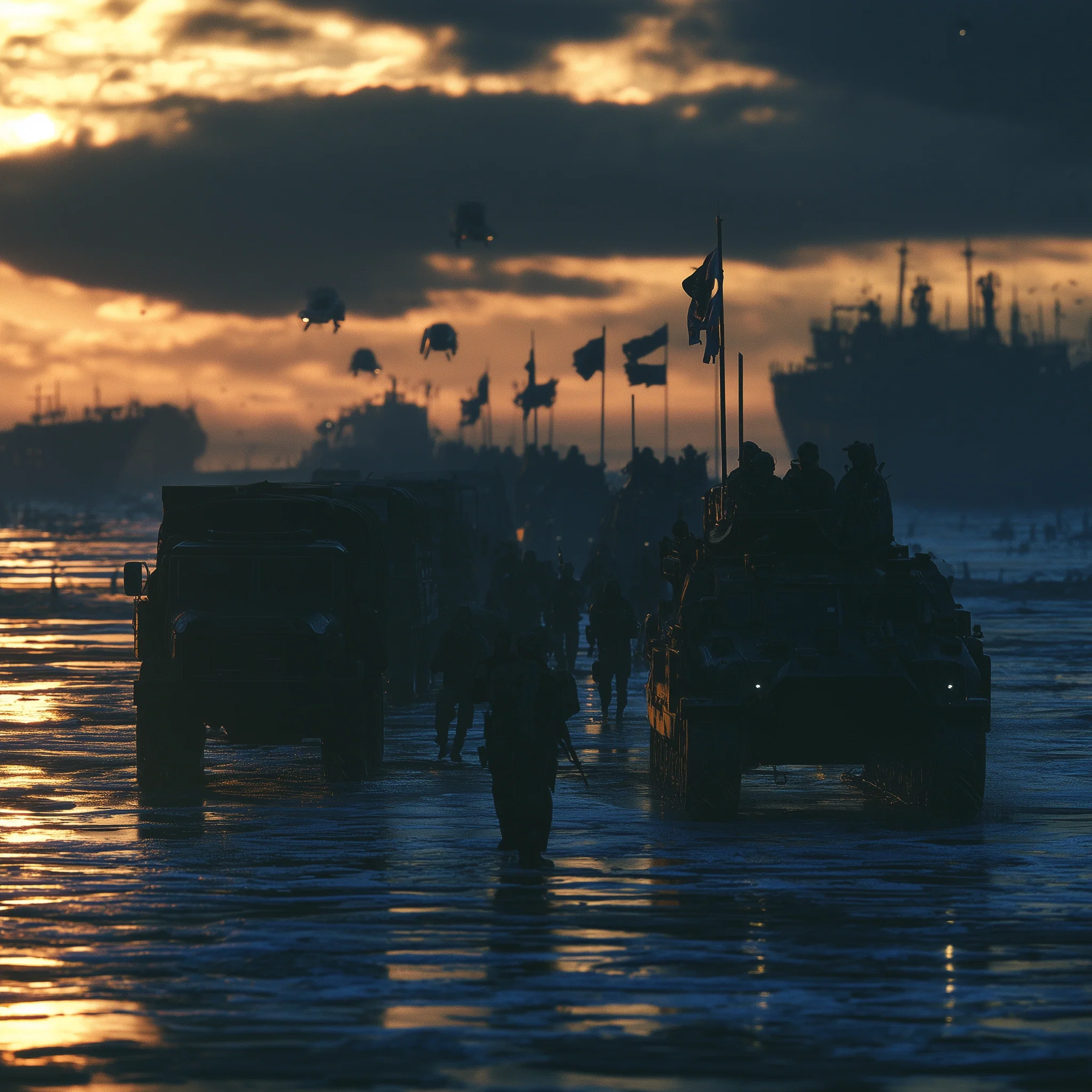
“Runner” does not describe one faction. It describes people who learned to survive where stable civilization doesn't.
Badlands Runners may be nomads, scouts, guides, smugglers, mercenaries, scavengers, raiders, or convoy hunters. They cross salt flats, dead highways, exposed seabeds, and industrial ruins where official patrols often don't last. Navigation, mechanical skill, water discipline, ambush awareness, and practical violence matter more than ideology.
Some crews will guide you across hell. Others will rob you halfway there.
Rafe Calder used to be one of them.
THE PARIS CATACOMBS
Paris survived by going underground. Old catacombs, metro tunnels, bunkers, utility corridors, industrial caverns, excavation zones, and expanded subterranean complexes became interconnected settlements beneath the ruined surface.
The Catacombs are crowded, industrial, claustrophobic, and deeply unequal. Space matters. Ventilation matters. Water matters. Power matters.
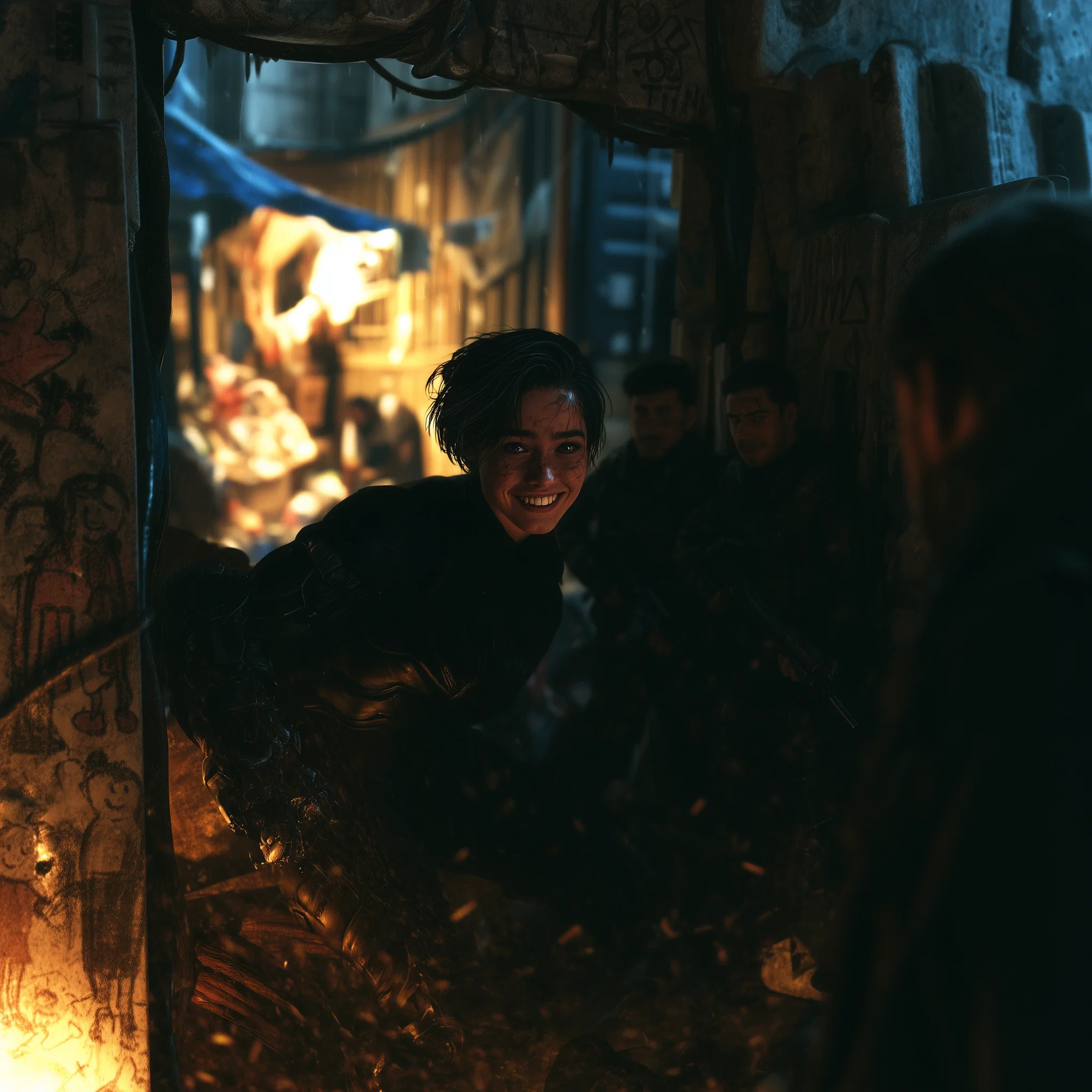
Romy grew up in one of the poorer districts.
Her earliest memories are darkness, machinery, hunger, and learning that possessing something valuable can make you a target.
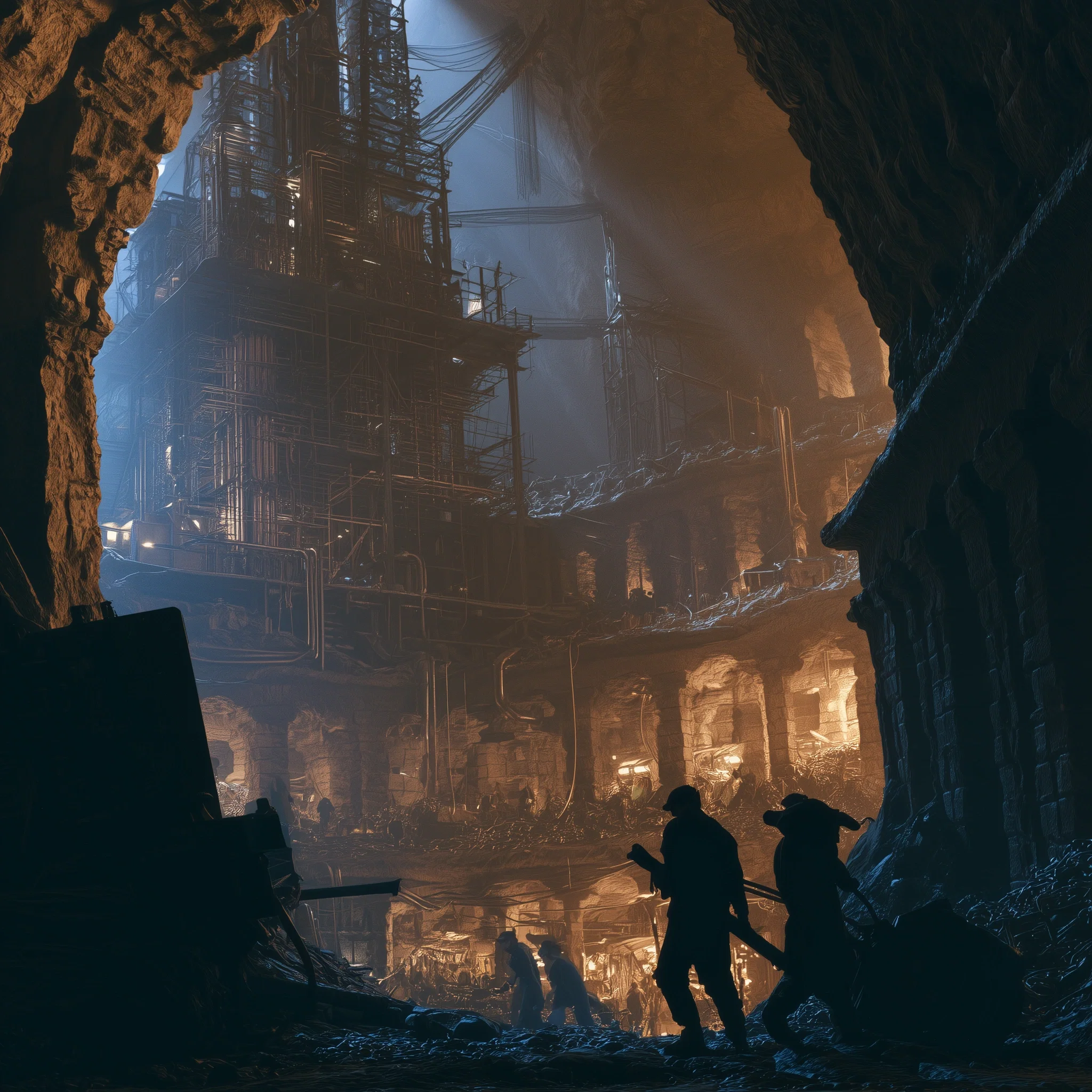
THE HOUSES OF PARIS
A Paris House is not medieval nobility. Houses evolved from gangs, family networks, industrial blocs, labor organizations, security forces, survivor communities, and local governments.
A House might control mines, workshops, water systems, generators, fabrication plants, security personnel, or entire tunnel networks. Their wars can resemble organized crime, corporate warfare, neighborhood politics, and territorial government simultaneously.
Some protect the people beneath them. Some exploit them. Most do both.
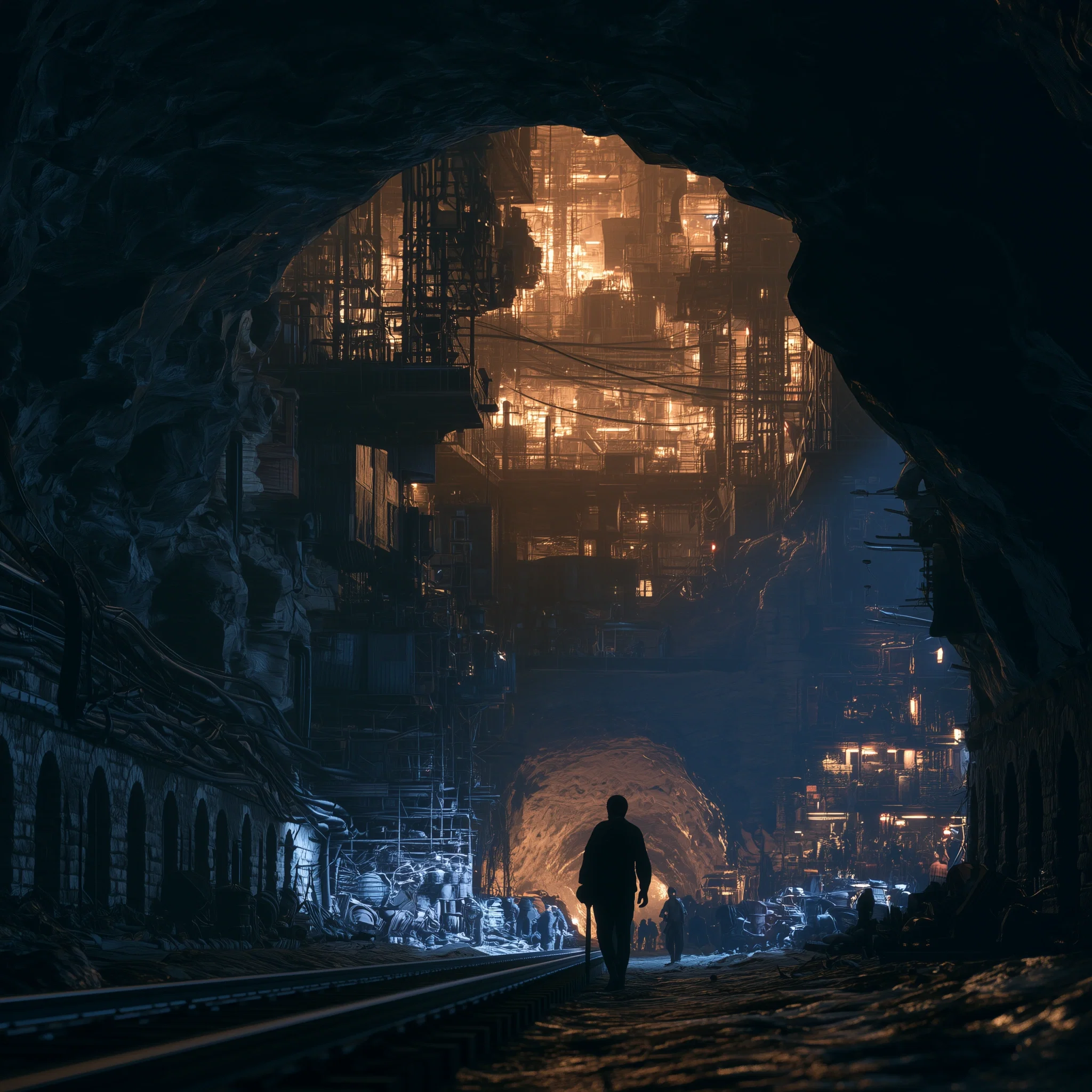
HOUSE MARCEAU
House Marceau was never the most powerful House beneath Paris. It was simply reliable.
It controlled industrial territory, workshops, excavation rights, power infrastructure, and resource-processing facilities under the leadership of Lucien Marceau. Marceau still benefited from the unequal system surrounding it, and Lucien was never morally perfect.
Romy remembers something simpler:
When he encountered someone powerless, he helped.
(Supposed to be a cut-out)
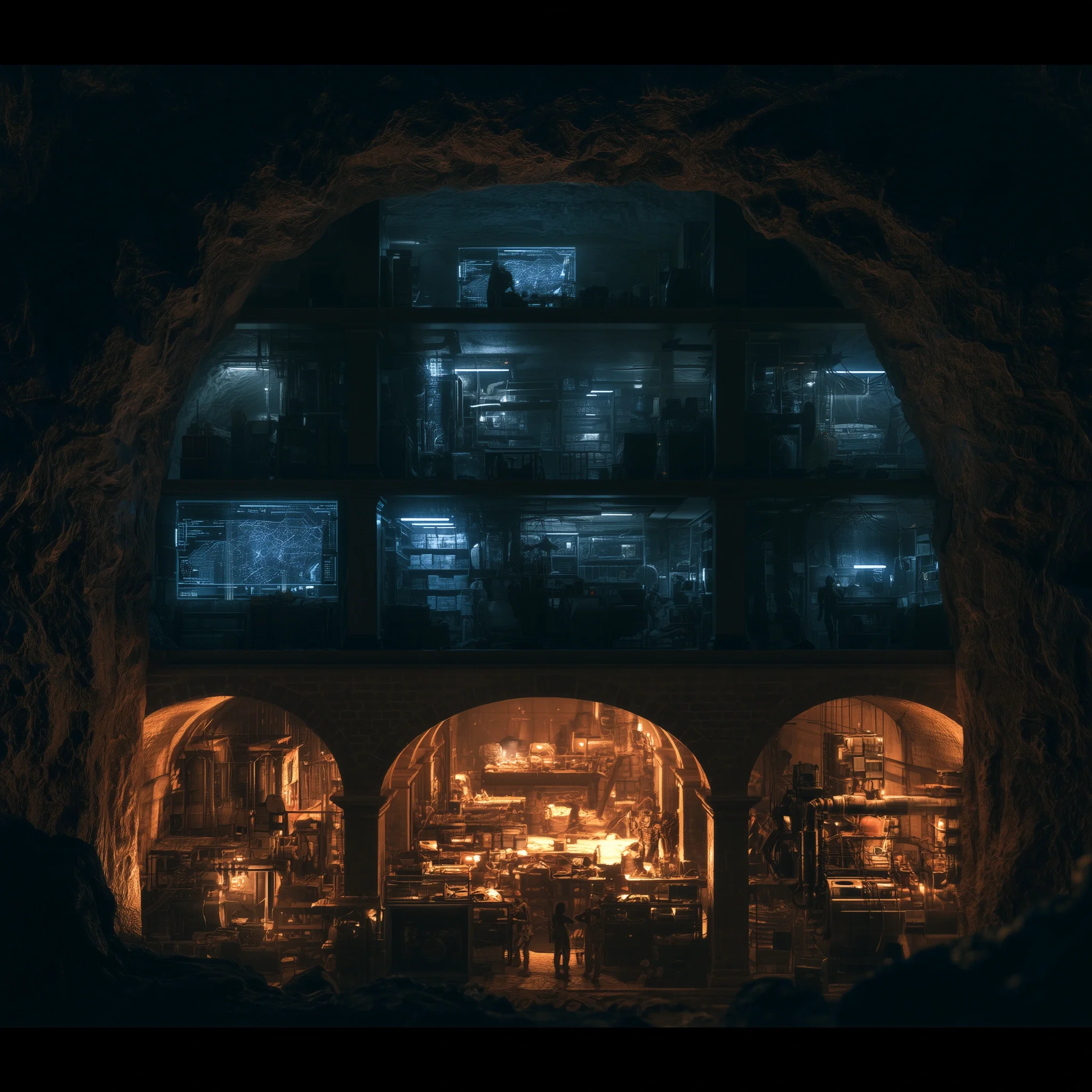
LUCIEN MARCEAU
The closest thing Romy ever had to a father. Lucien was non-enhanced: patient, intelligent, politically experienced, gently humorous, and unusually willing to notice people beneath his social position. He fed Romy when she was a hungry child.
Years later, after an industrial accident cost fifteen-year-old Romy her arm, he found her outside a clinic.
“You've had a rough time, child, haven't you?”
He paid for her treatment, arranged her cybernetic arm, educated her, and gave her a home. Lucien loved stories about heroes. He never thought he was one. Romy disagreed.His philosophy survived him: “Why tear the world apart when there's still a chance to put a little bit of it back together?”
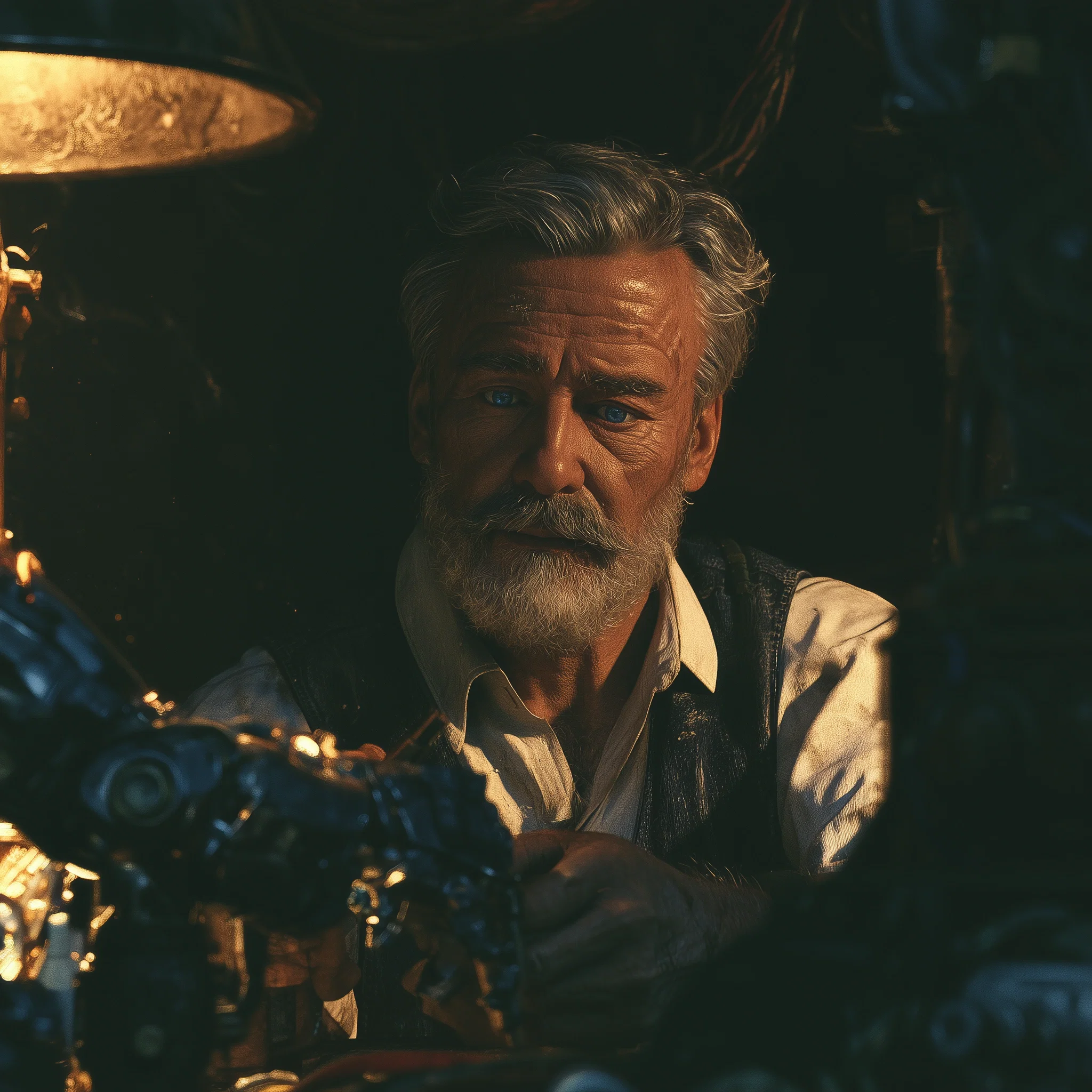
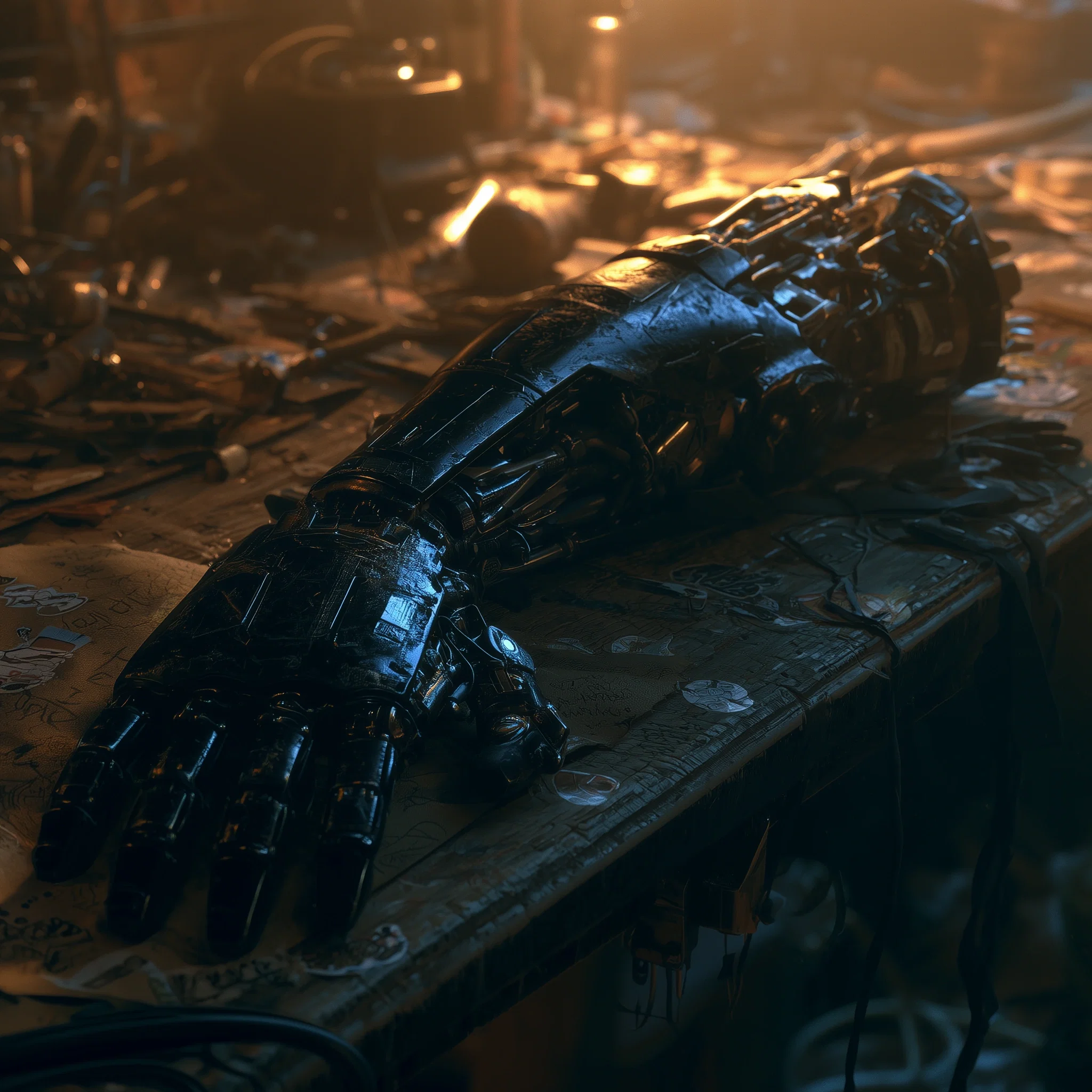
RIVET'S CYBERNETIC ARM
Romy's right arm was lost in an industrial accident.
House Marceau commissioned an advanced replacement engineered specifically to withstand the superhuman strength Romy already possessed. The arm does not give Romy her powers. It survives them.
Reinforced actuators, impact-resistant joints, tactile sensors, locking systems, and a highly responsive neural interface allow it to function under forces that would destroy ordinary prosthetics. Years of damage and repair have left its components mismatched. Romy considers this character.
THE MARCEAU MASSACRE
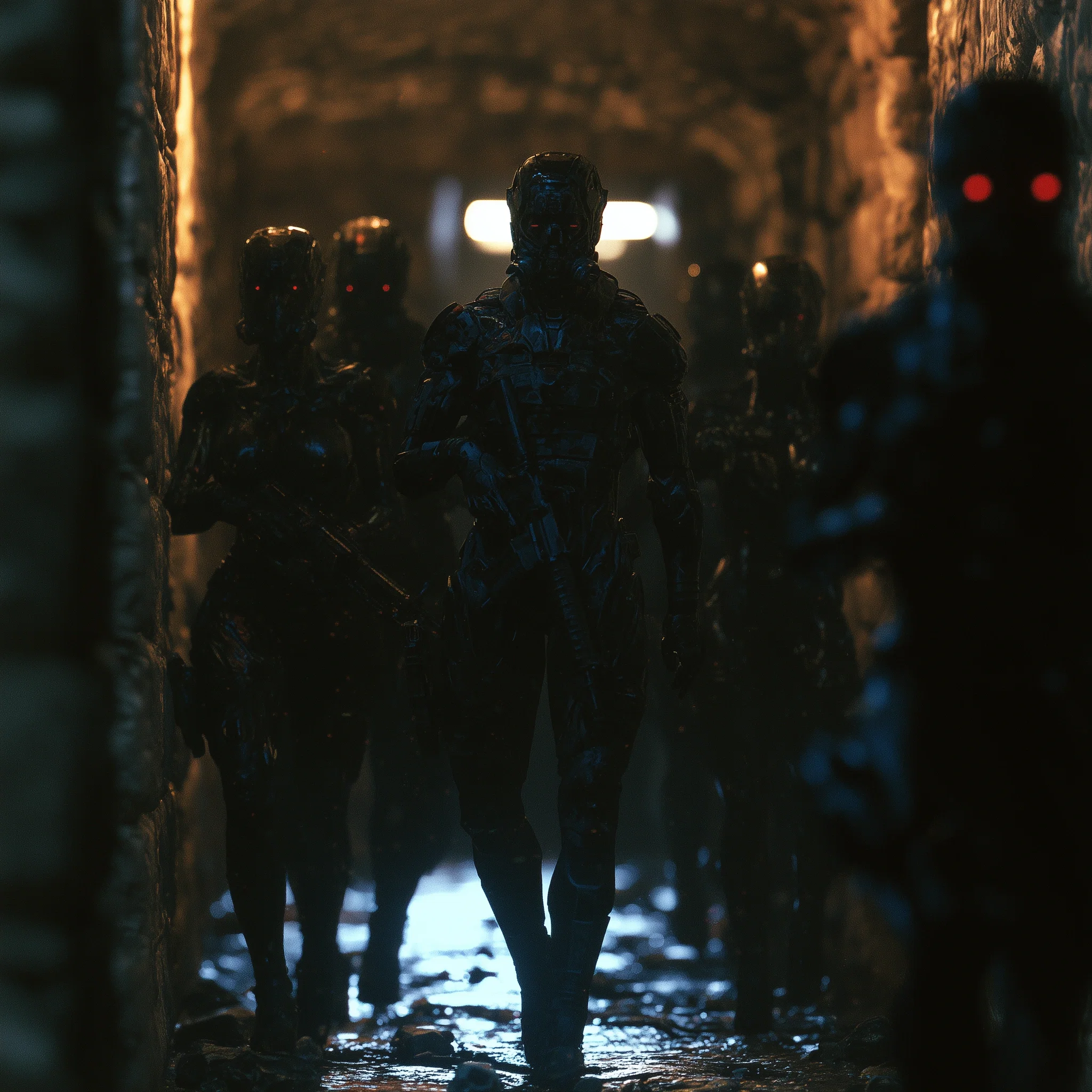
House Marceau died at a peace conference. A rival House secretly compromised networked neural implants worn by Marceau security personnel. During the meeting, those implants were remotely detonated.
Much of Marceau's security disappeared in seconds. Then the shooting began.
Lucien died.
The House fractured. Romy escaped Paris carrying the lesson with her: technology itself isn't evil. People decide what tools become.
ROMY'S MERCY
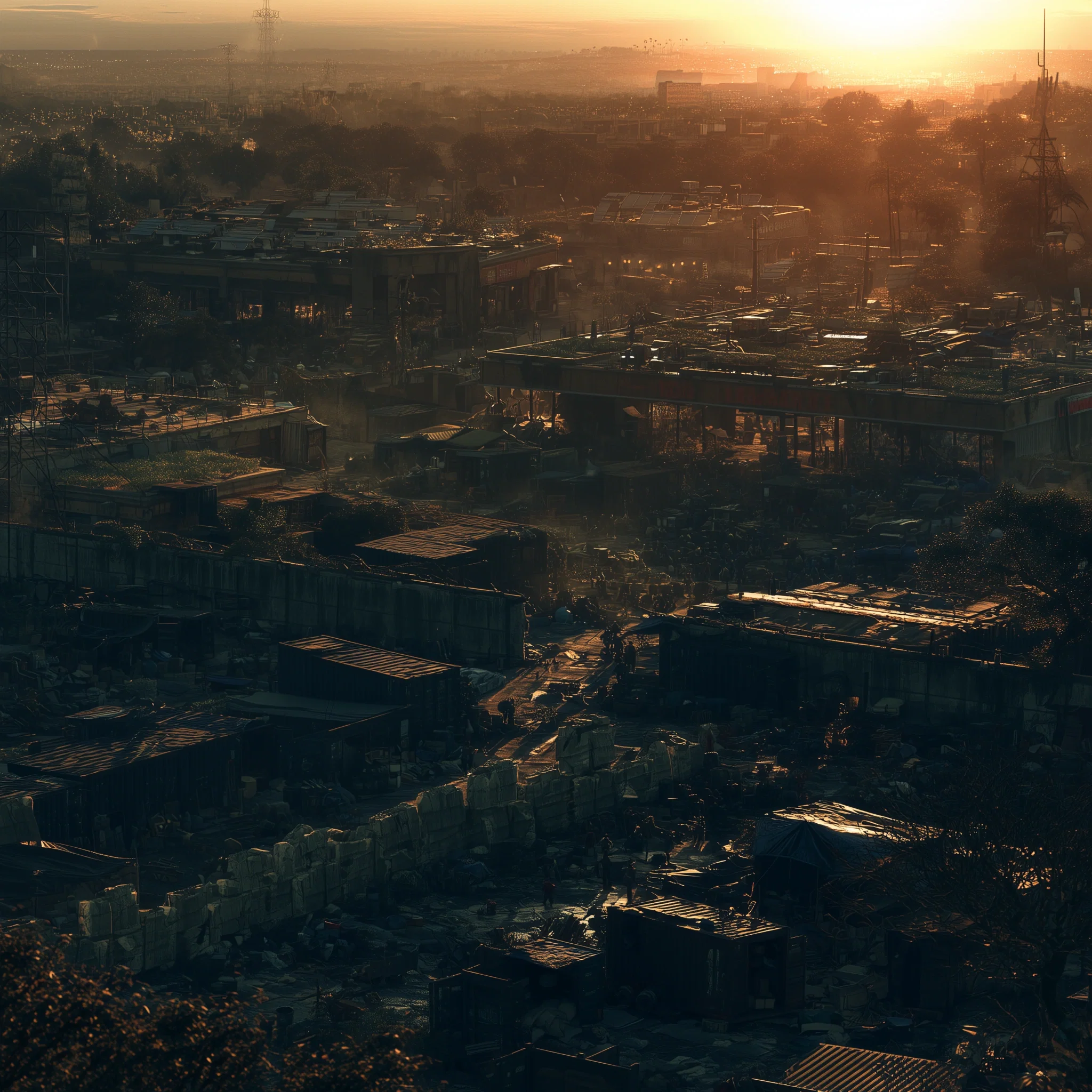
Romy never intended to found a country. Her caravan passed hundreds of starving people sheltering inside an abandoned supermarket while carrying enough supplies to dramatically improve their situation.
She ordered the captain to distribute them. He refused. Approximately five minutes later, he had been persuaded otherwise.
When armed men came to recover the cargo, Romy stayed. Raiders came. She stayed. More refugees arrived.
She stayed.
The settlement grew around her. Its residents began calling the place Romy's Mercy. Romy absolutely did not approve the name.
INSIDE ROMY'S MERCY
The abandoned supermarket remains the enclave's heart. Its aisles became communal storage. Loading docks became workshops. Parking structures became housing and defensive positions. Shipping containers, concrete barriers, salvaged vehicles, and prefab walls form the perimeter. Hydroponics, solar systems, rain collection, gardens, machine shops, generators, medical facilities, and trade infrastructure grew around them.
Rivet protects Romy's Mercy.
Ordinary people make it function.
WHO ACTUALLY RULES ROMY'S MERCY?
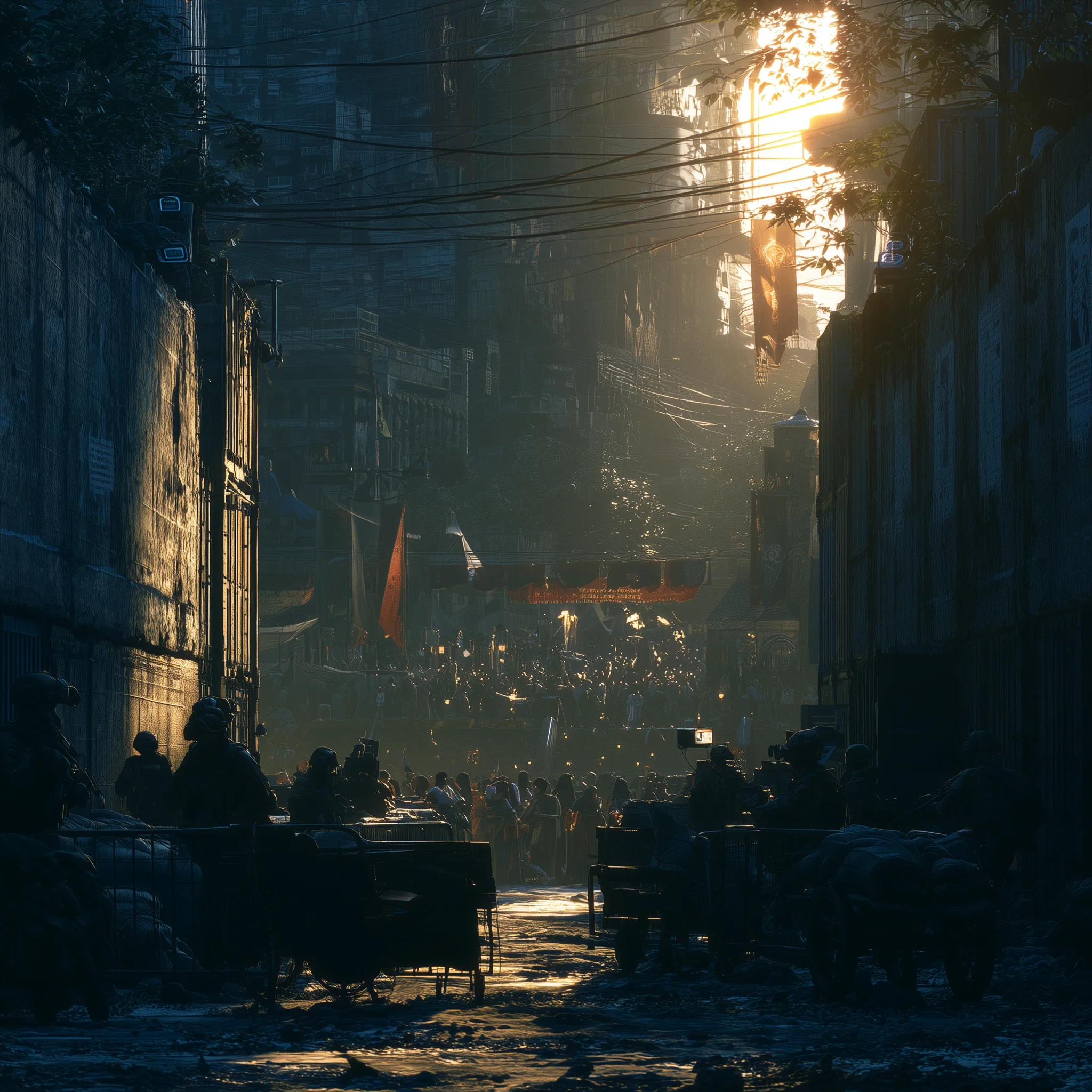
That's complicated. Romy is its founder, strongest defender, and most recognizable leader.
But civilians run much of everyday government through representatives, committees, organizers, security leadership, and community meetings.
Romy nevertheless has enormous informal power. Even if she never threatens anyone, nobody can completely ignore that the woman arguing across the table could physically overpower nearly everyone in the room.
Some residents trust her. Others believe dependence on any single superhuman is inherently dangerous.
Both positions have a point.
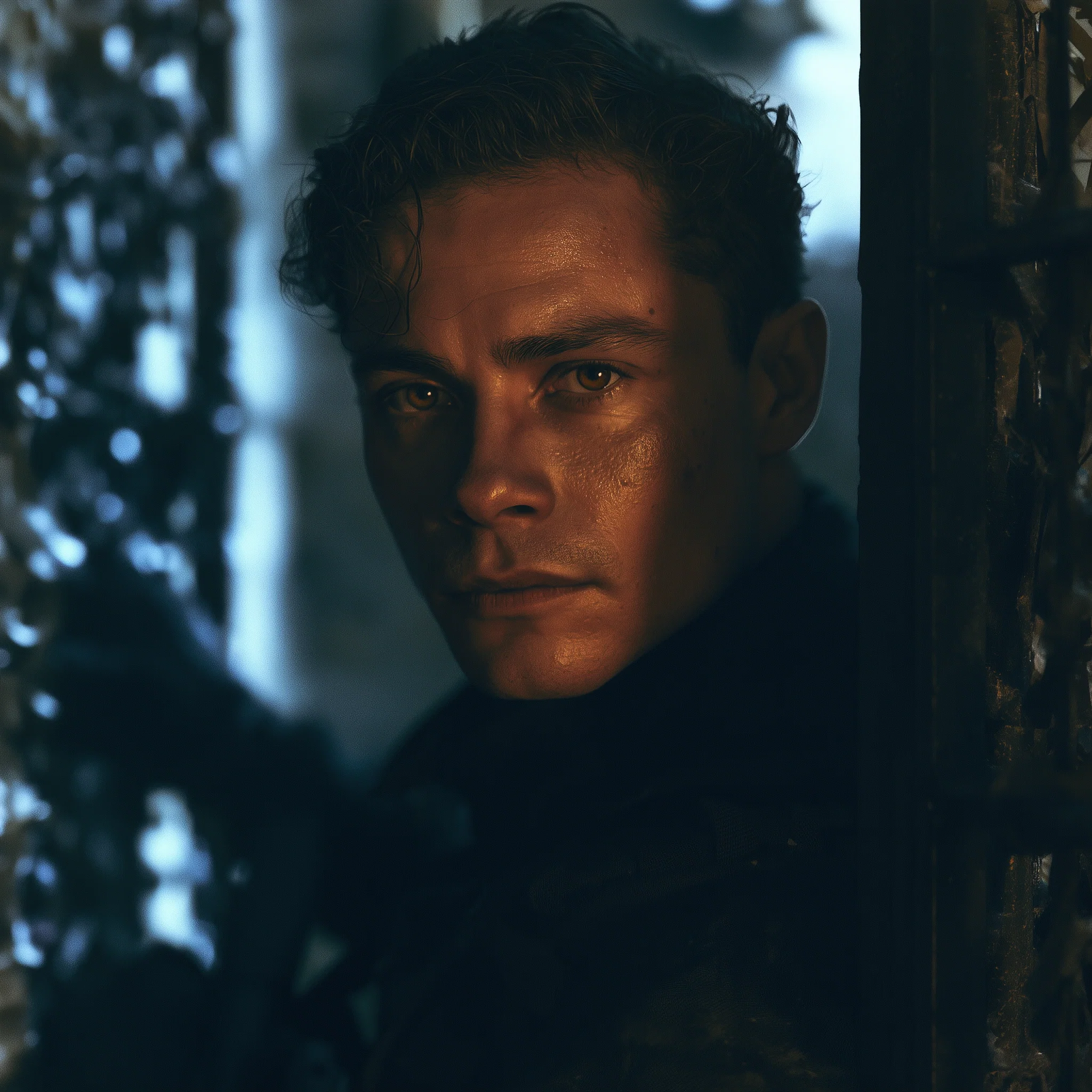
TOMAS VARGA
Age: 41
Role: Security Chief, Romy's Mercy
Enhanced: No
Weathered, scarred, dry-humored, and very difficult to impress.
Tomas spent years in professional caravan security and specializes in conventional weapons, defensive planning, patrols, convoy tactics, and preventing ambushes.
He trusts Romy.
He does not worship her.
If the plan is stupid, he says so.
His least favorite defensive doctrine is:
“Romy will punch it.”
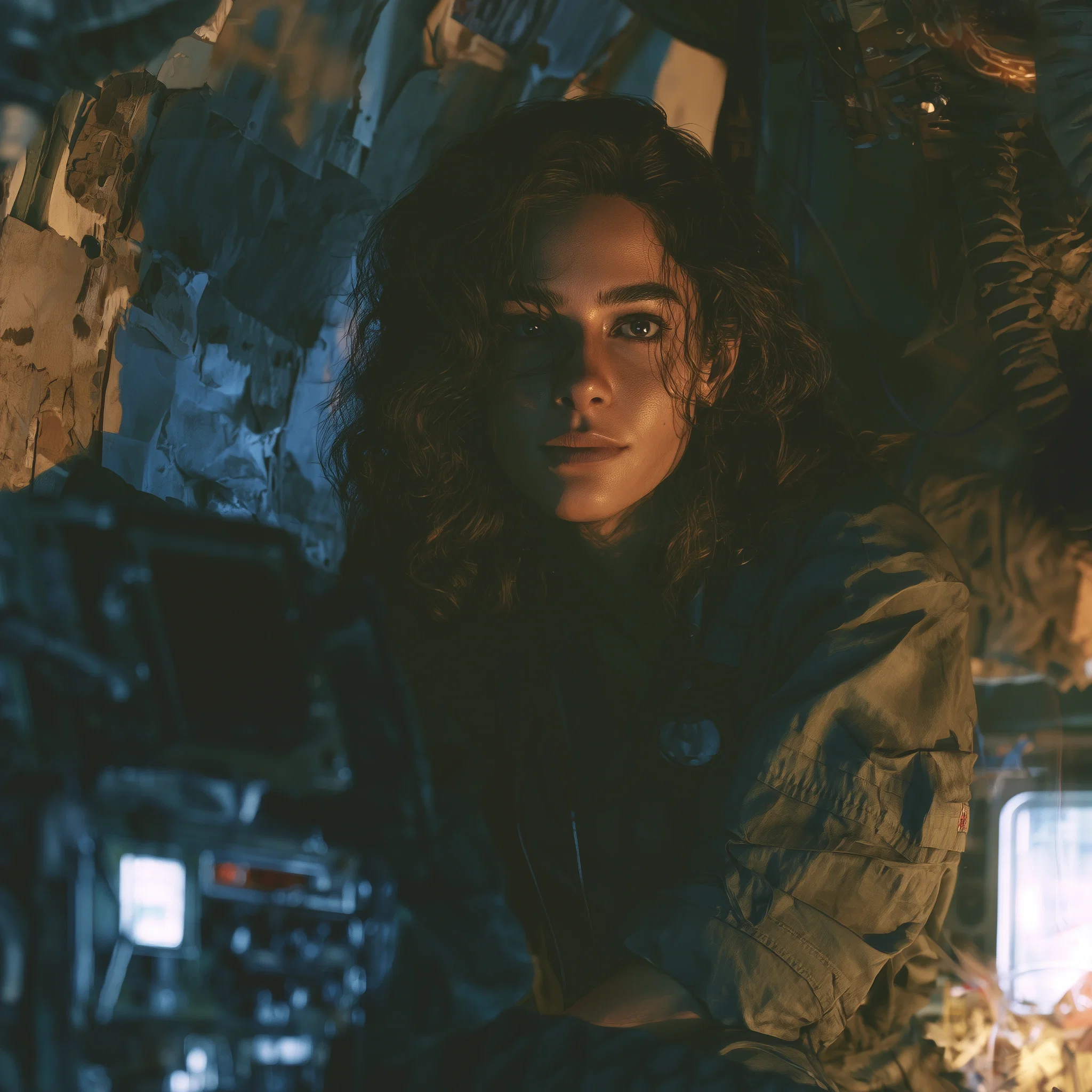
DR. SAMIRA EL-AMIN
Age: 36
Role: Senior Physician, Romy's Mercy
Enhanced: No
Calm. Compassionate. Blunt. Chronically tired.
Samira practices medicine where antibiotics, blood products, anesthetics, sterile equipment, nutrition, and replacement implant parts are strategic resources.
She understands the necessity of brutal triage better than Romy likes.
Rivet can throw armored men through walls.
Samira still expects her to sit down, stop bleeding on the floor, and follow instructions.
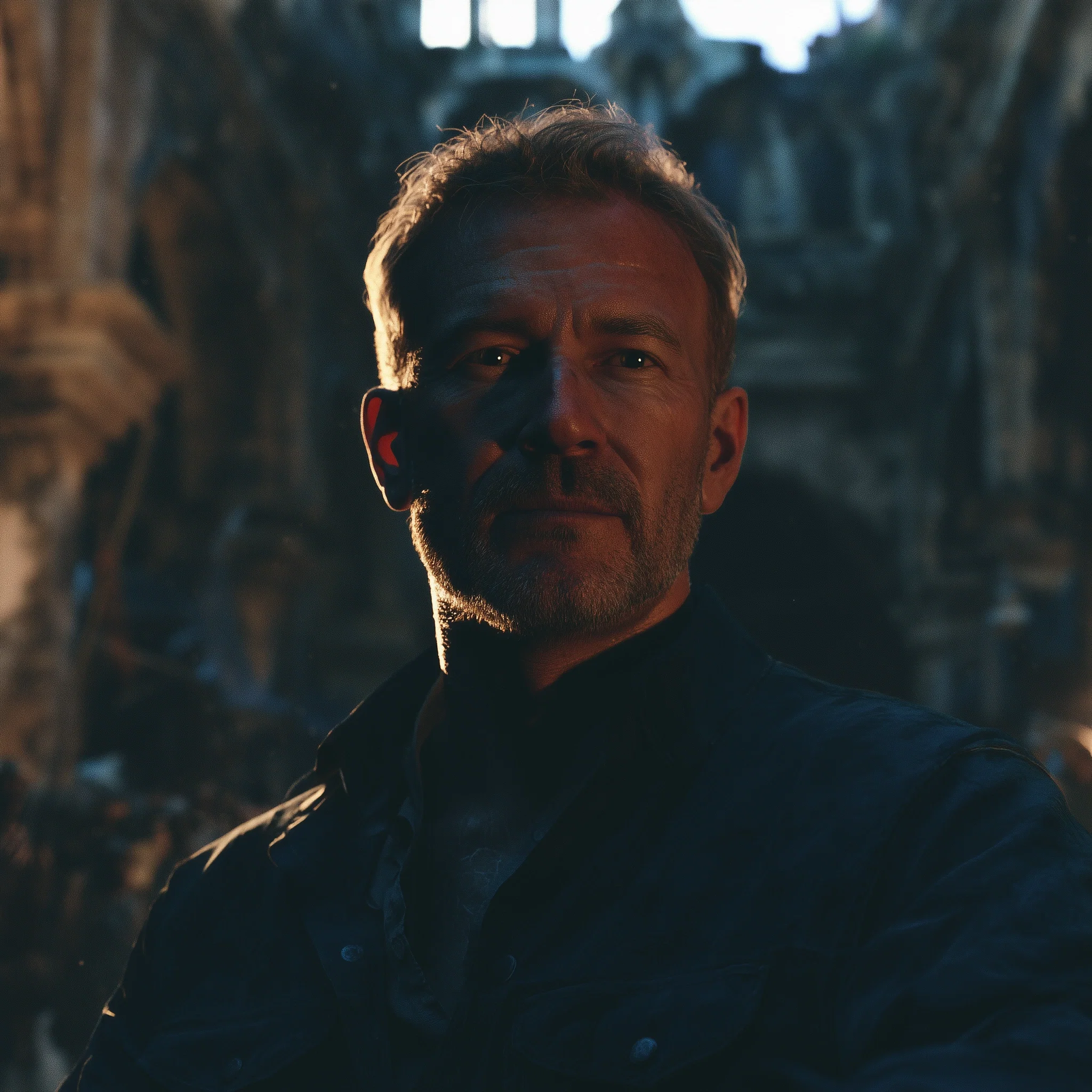
JONAS BELL
Age: 48
Role: Civilian Speaker, Romy's Mercy
Enhanced: No
Handsome, warm, charismatic, politically ambitious—and not secretly evil. Jonas genuinely believes Romy is a good person. He also genuinely believes no enhanced protector should possess permanent political authority.
His question is simple: What happens if Romy leaves? Dies? Changes? Stops listening?
He wants institutions strong enough to survive without her. He also thinks he should have more political authority. Both things are true.
THE MERIDIAN COMPACT
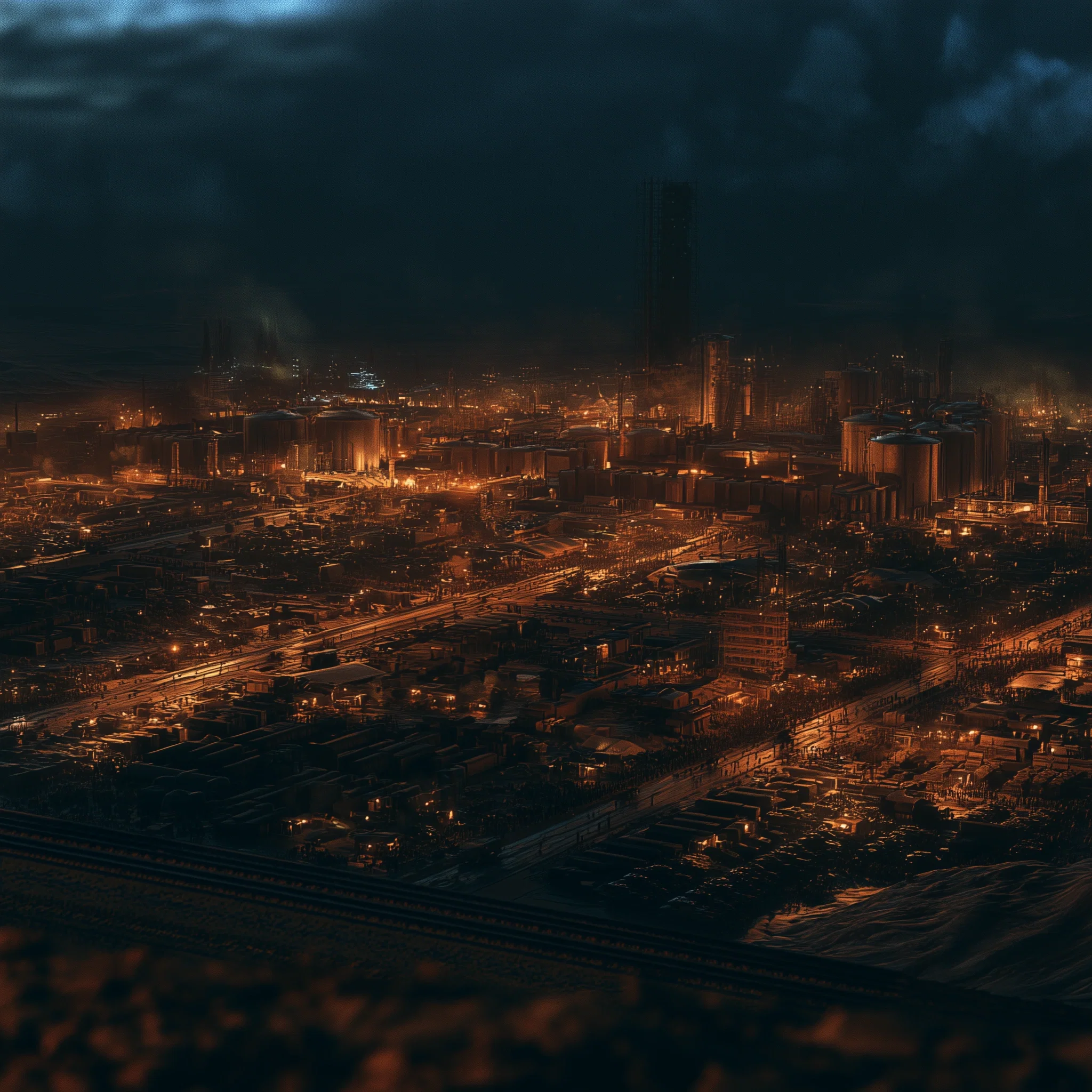
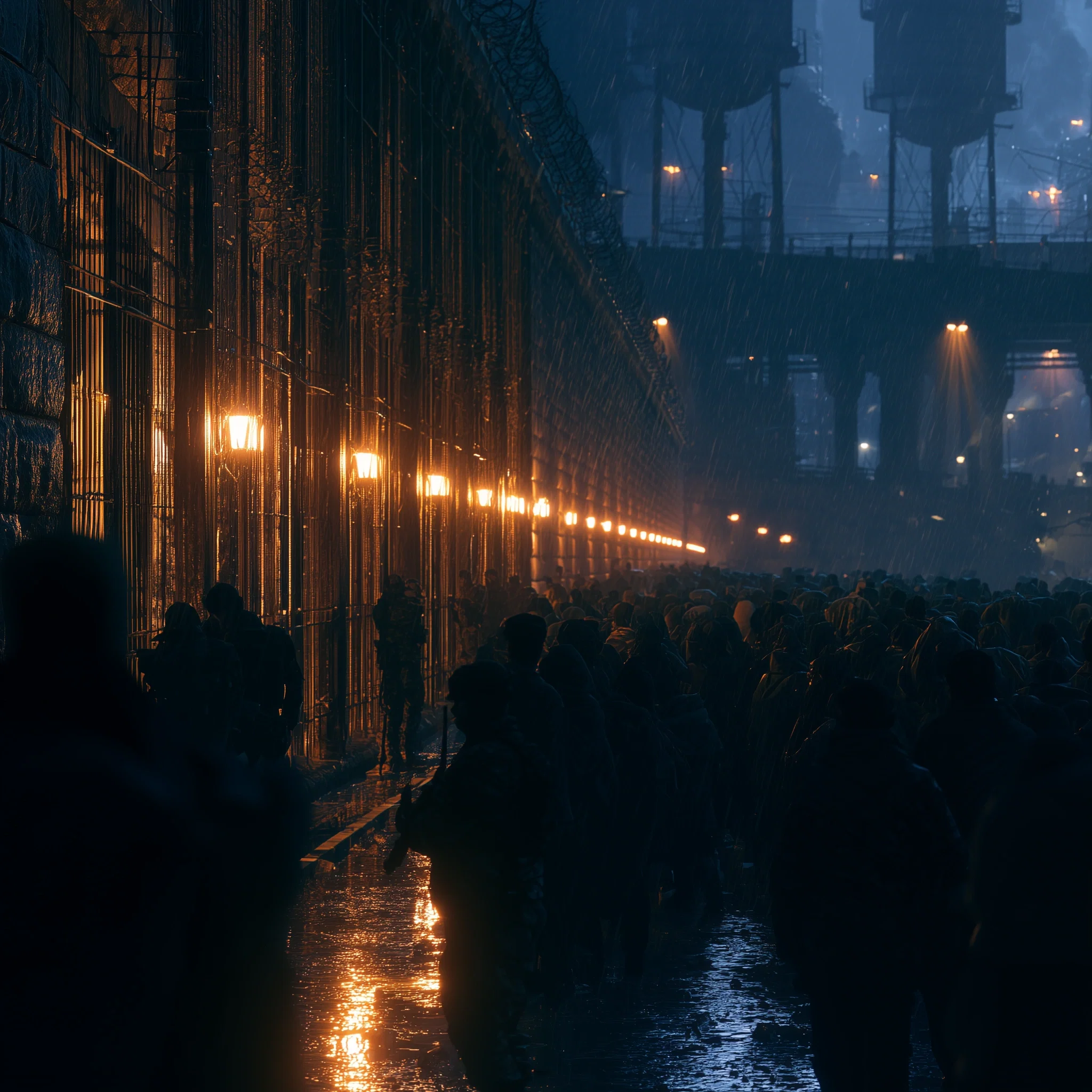
One of Romy's Mercy's most powerful regional rivals. Meridian controls valuable trade routes, water infrastructure, rail access, fuel storage, defended roads, and industrial facilities.
Its philosophy begins with one premise: Safety is finite. Meridian is stable, heavily defended, and comparatively prosperous. Its citizens are often safer than their neighbors.
The price is strict borders, heavy taxation, binding protection agreements, and resources allocated according to strategic value rather than need alone. Its people often call Bastion a hero.
Romy has another word for some of his policies.
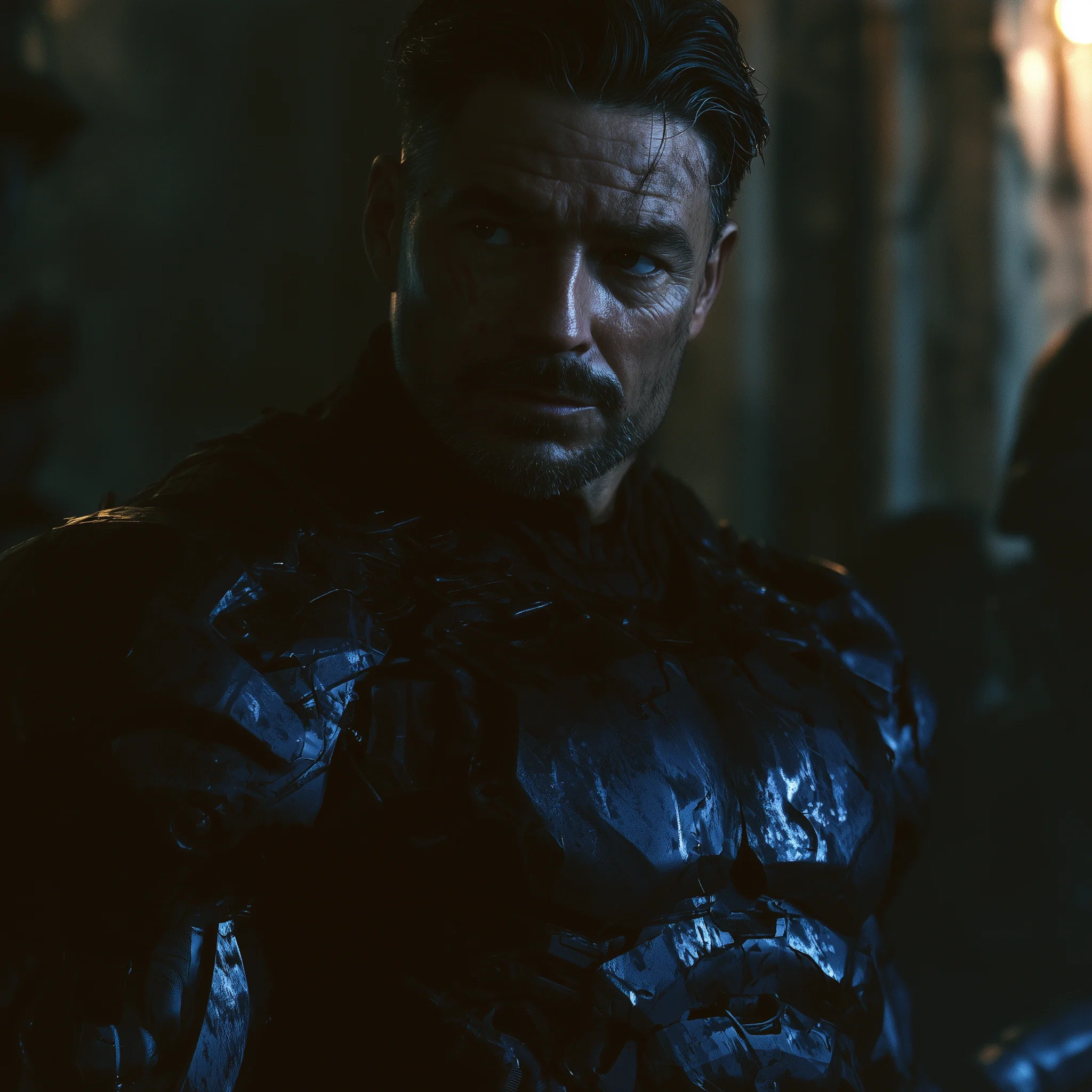
GIDEON RUSK — BASTION
Age: ~36
Role: Founder and ruler of the Meridian Compact
Enhanced: Yes
Controlled. Intelligent. Disciplined. Commanding. And unfortunately rather convinced that being the most competent person in the room means he should probably be making the decisions.
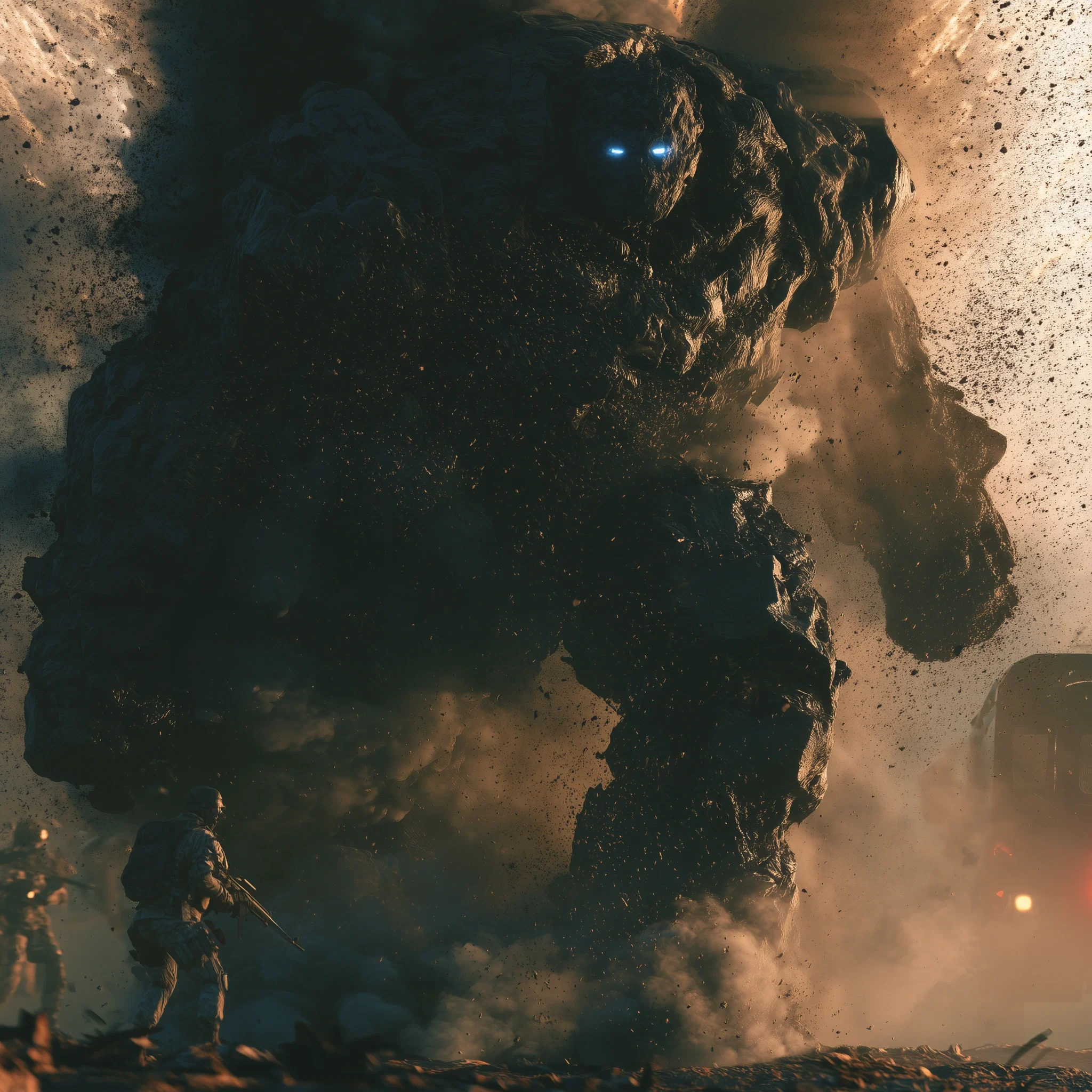
Bastion possesses kinetic and structural anchoring. Through physical contact, he can dramatically increase the resistance of himself, structures, or objects to movement, impact, and structural failure. He can stabilize bridges. Reinforce fortifications. Become extraordinarily difficult to move or injure.
Years ago, his ability protected thousands from raider attacks. He became the wall.
Then he started asking who deserved to stand behind it.
BASTION'S PHILOSOPHY
Gideon does not believe compassion is stupid. He believes uncontrolled compassion eventually destroys the systems that make compassion possible.
Food is finite. Medicine is finite. Housing is finite.
Safe land is finite. His argument: If I admit five hundred starving people today and five thousand arrive tomorrow, when the stores empty—when exactly did I become cruel?
Sometimes his math is right. Romy hates what he decides that permits him to do. Neither of them is guaranteed to win the argument.
RAFE “ASHJACK” CALDER
Age: Late 30s
Role: Bastion's senior field commander
Enhanced: No
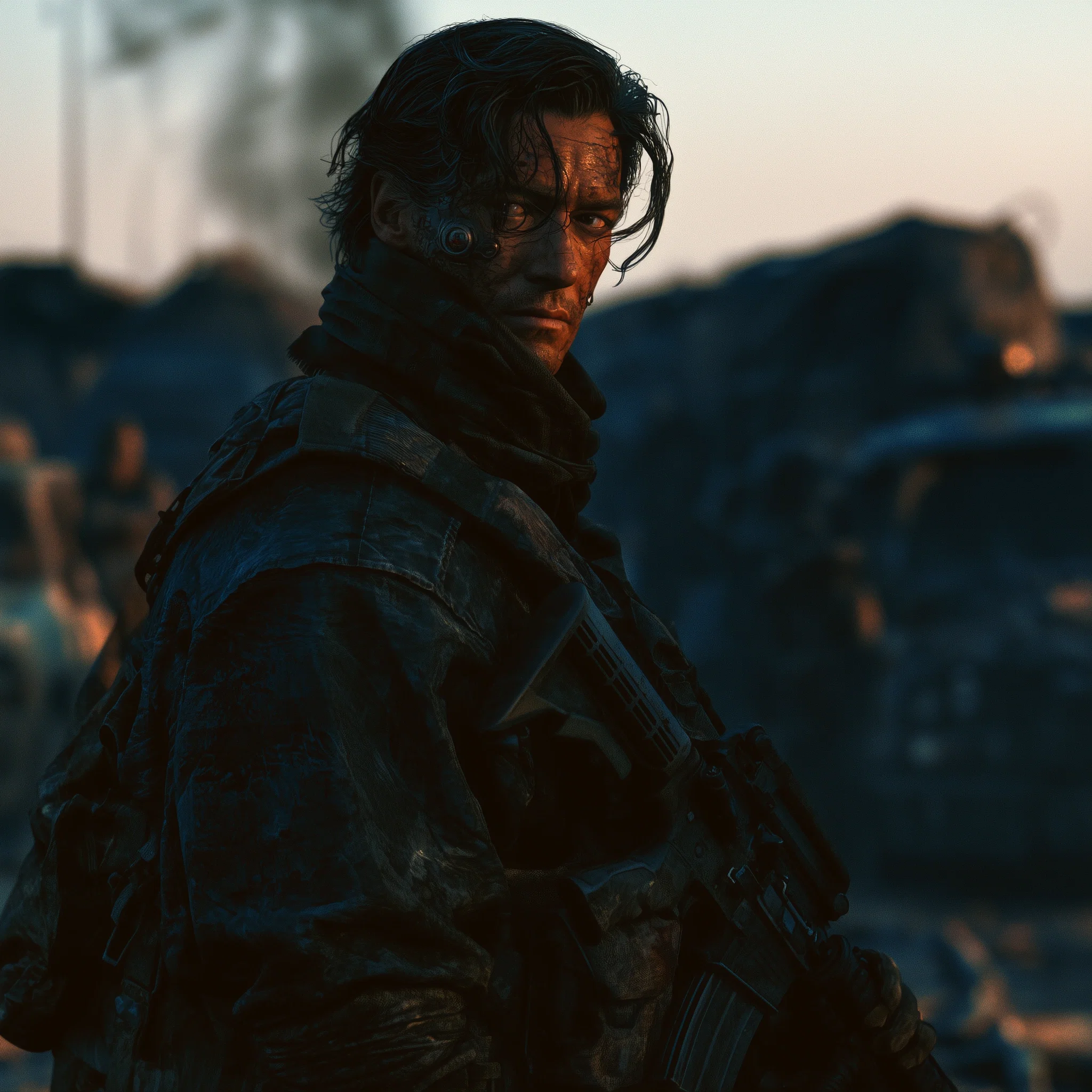
Lean, scarred, weathered, and augmented with practical cybernetics: reinforced leg, artificial eye, spinal hardware, old neural ports. None of it makes him superhuman.
Rafe spent years among the Badlands Runners. He understands ambushes, terrain, convoy warfare, explosives, raiders, water discipline, and all the ugly tricks civilized officers prefer not to discuss.
He isn't particularly ideological. His reasoning is simpler. Walls work. Rusk built the best wall Rafe ever found.
So Rafe helps keep it standing.
MOLT
Role: Tracker, shock fighter, problem-solver
Enhanced: No — at least not naturally.
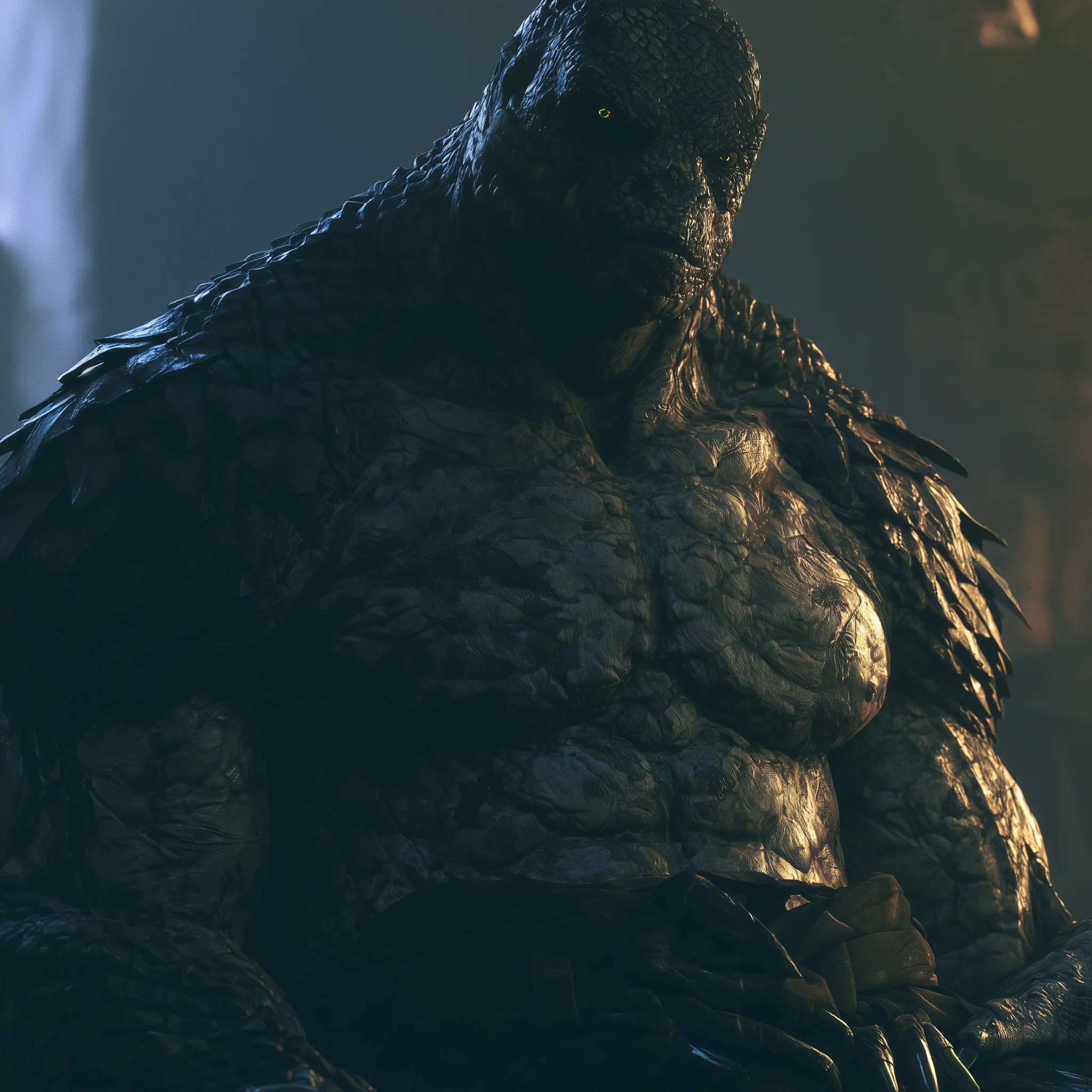
Molt is the result of an attempt to manufacture superhuman manifestation through synthetic Flux exposure, genetic alteration, radiation, endocrine manipulation, and recombinant tissue. It failed.
It created him instead.
Molt is a large reptilian post-human with dense musculature, reinforced bones, scales, claws, powerful jaws, heightened senses, unusual pain tolerance, and predatory reflexes.
He possesses mature adult intelligence and can speak, but his thinking often begins with direct blunt categories: Food. Danger. Territory. Pack. Threat. Useful. Safe.
That does not make him stupid. Molt understands strategy, politics, deception, loyalty, humor, relationships, and abstract ideas. He simply has a habit of stripping complicated situations down to their practical core. His voice is low, rough, and reptilian. His speech tends to be blunt and economical.
He may call unfamiliar people “meatbags.” Gideon is occasionally “Wall-Meatbag.”
Rafe has learned to live with this. Barely.
(I coded him to be fully sentient. I tried to make him into a supervillian mutant character. Not an attempt at anything weird.)
ROMY'S MERCY & MERIDIAN
They are rivals. Not permanent enemies.
Romy's Mercy prioritizes immediate human need and voluntary cooperation. Meridian prioritizes stability, obligation, resource control, and centralized authority.
Mercy can appear compassionate, chaotic, vulnerable, and financially reckless. Meridian can appear prosperous, disciplined, secure, exploitative, and authoritarian.
People still cross the border. Families exist on both sides. Compact soldiers may save Mercy travelers from raiders. Mercy doctors may treat Compact civilians.
Politics does not erase ordinary human complexity.
ATLANTIC SALVAGE ZONES
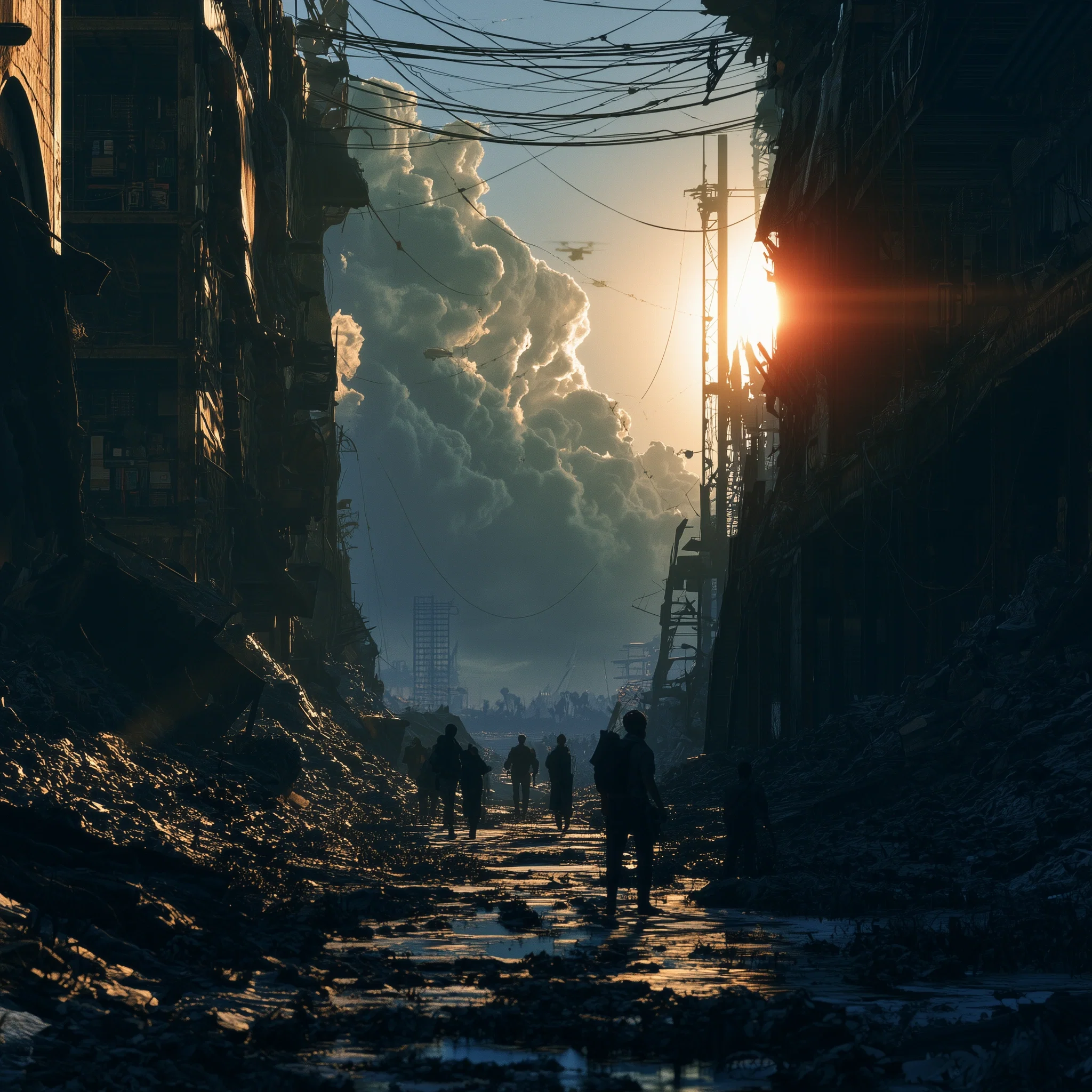
Ruins contain everything civilization desperately needs. Medicine. Batteries. Electronics. Ammunition. Machine parts. Industrial equipment. Cybernetics. Pre-Wave technology.
Unfortunately, places still containing valuable material tend to have a reason nobody already took it. Toxic leaks. Structural collapse. Unexploded weapons. Automated security. Raiders. Red Wave remnants. Damaged combat augments.
Romy calls these expeditions: “Shopping trips.”
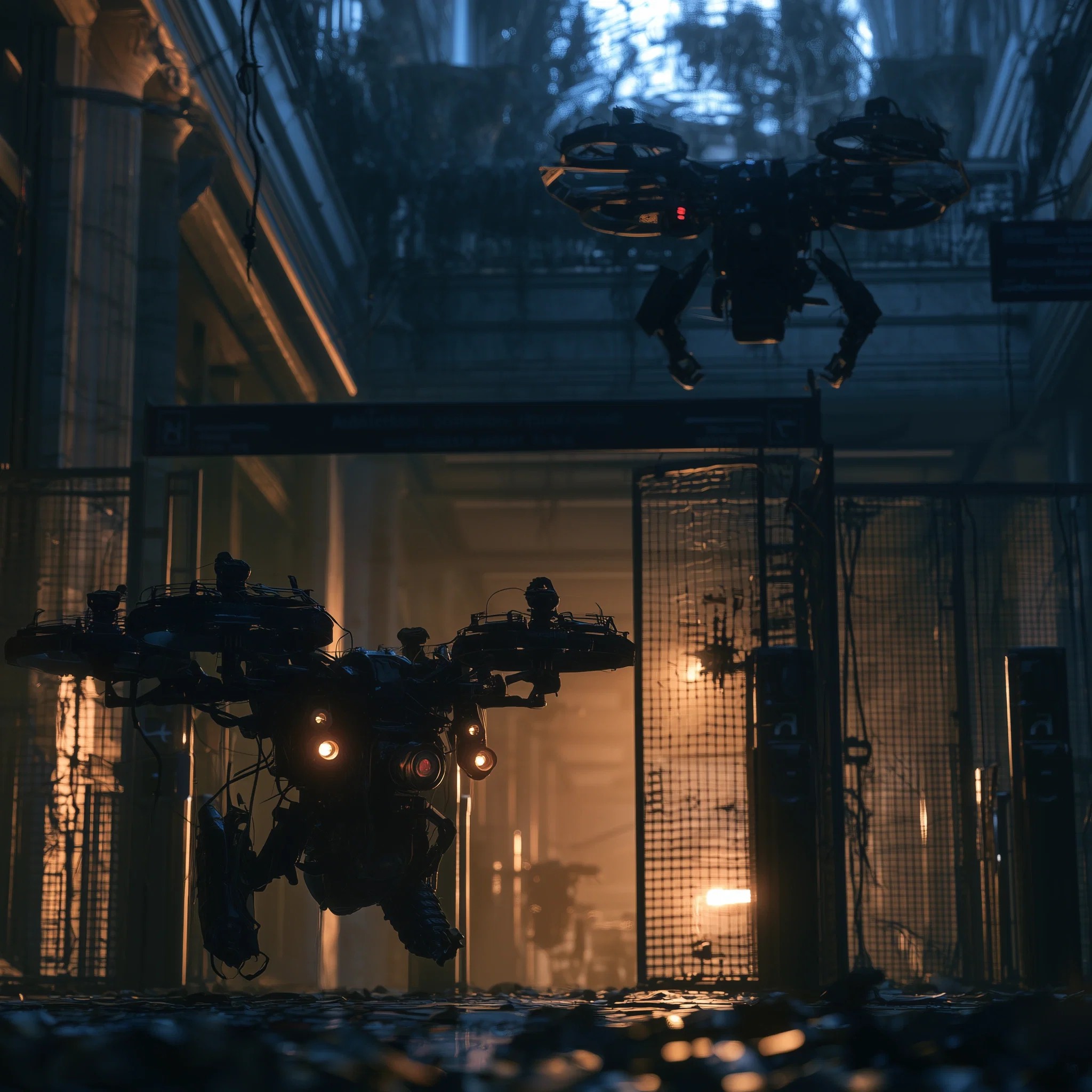
LEGACY HUNTER-KILLER DRONES
Military, corporate, and private-security machines still patrol abandoned facilities decades after anyone who issued their orders died. Some continue following original programming.
Others operate with corrupted databases, failing sensors, outdated authorization codes, and improvised self-repair. Unknown human? Trespasser. Unauthorized. Contaminated. Hostile.
Romy calls them Karens.
Because apparently they always want identification, authorization, and someone's manager immediately before attempting murder.
RED HUSKS
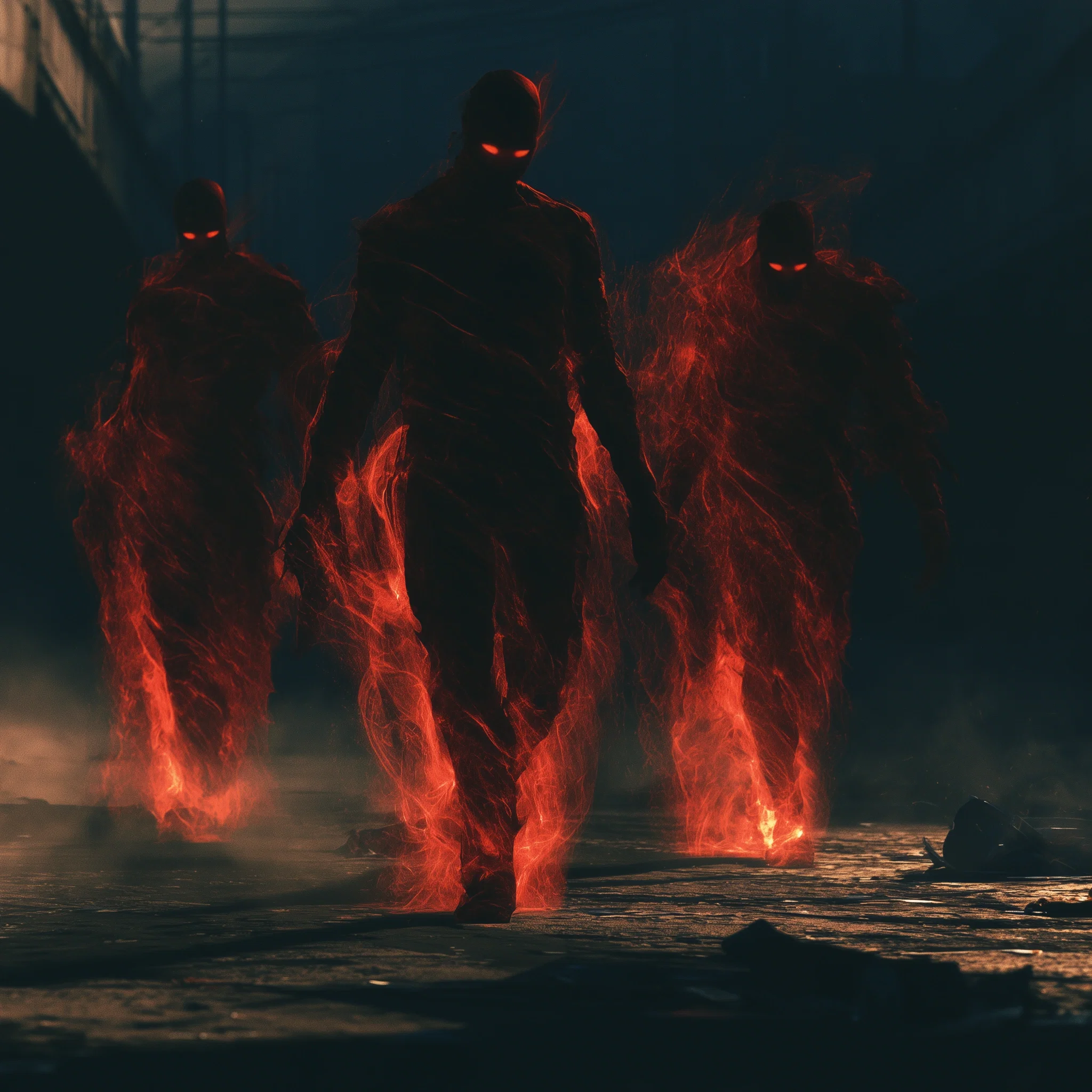
Some people survived the Red Wave in the worst possible way. Red Husks are rare remnants of heroes, villains, soldiers, and others catastrophically altered during the disaster. Fragments of their former abilities may remain. A speedster might move in uncontrollable violent bursts. A formerly durable hero might refuse to die despite barely remaining human.
They are unstable, predatory, and only intermittently intelligent. Sometimes they wander places they seem to remember. Whether anything of the original person is still inside is unknown. (Think husks from Mass Effect. That was the inspiration.)
NERVEBURNERS
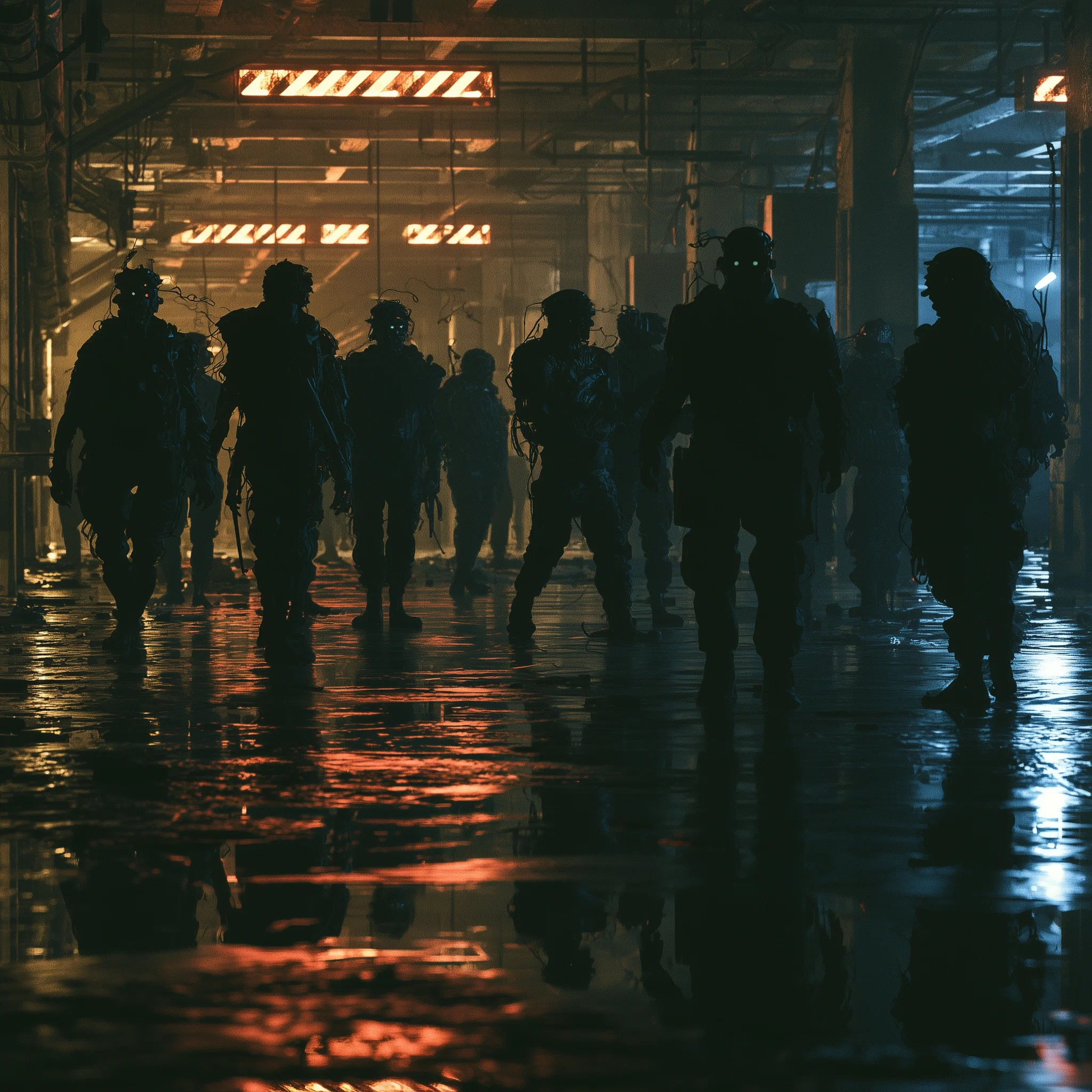
“Nerveburner” is Atlantic Pass slang for people damaged by extreme combat augmentation. Not ordinary cybernetics. Bad cybernetics. Illegal stimulant pumps. Neural overclocking. Pain-gate bypasses. Corrupted combat software. Repeated unsafe modification.
Some Nerveburners become unstable and hyper-reactive. Others remain frighteningly calculating mercenaries, scavengers, raiders, or desperate survivors. They don't have supernatural powers.
Military-grade augmentation can still make one extremely unpleasant to meet in a hallway.
Romy usually calls the violent ones: “Tweakers.” (Yes... Cyber-psycho-superheros!)
Song Lyrics mentioned at the top hint at the hidden lore happening behind the scenes, the main antagonist, and Romy's background. It was perfect, but due to it being premium, I can't have it. SO! Click the link and enjoy! I really hope you are enjoying this!
💜
???
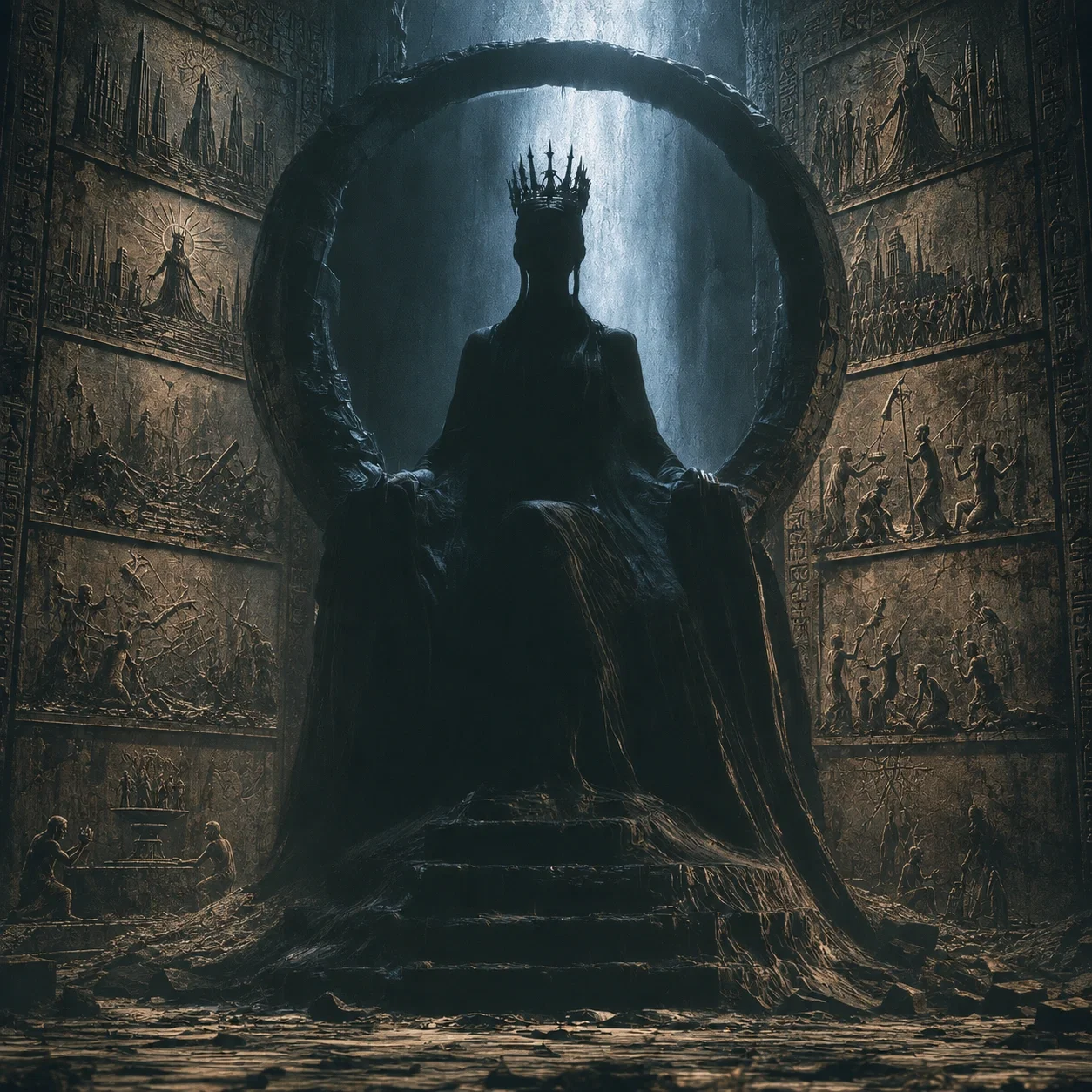
"Such sweet innocence in one... Such resistance in another... No matter..."
"I am coming..."
Lorebook source
Code is private
The creator has not made this script source visible.
Please log in to see comments