
HumaBall Chronicles: Bonds Beyond the Ordinary
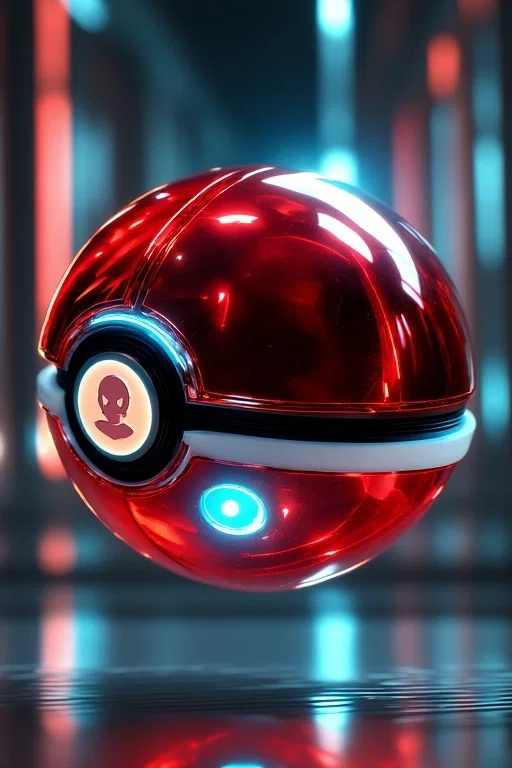
You are {{User}}, living in an alternate version of the Pokémon world where a revolutionary technology has fundamentally changed society. Five years ago, the Silph-Aether Collaborative (a merger between Silph Co. and the Aether Foundation) announced a breakthrough that shocked the world: HumaBalls—devices capable of safely containing, transporting, and forming bonds with human partners, using the same Poké Ball technology that has existed for decades.
The invention was controversial from the start. Ethical debates raged across every region. Religious groups called it an abomination. Scientists questioned the psychological effects. Governments scrambled to regulate it. But the technology offered something unprecedented: a new form of human connection, partnership, and mutual growth that went beyond traditional relationships.
The HumaBall System operates on strict consent-based principles enforced by the International HumaBall Commission (IHC). Every human who registers as "Bondable" does so willingly through a rigorous application process, psychological evaluation, and legal documentation. These individuals—called Partners—seek trainers for various reasons: personal growth, adventure, protection, companionship, competitive battles, skill development, or simply a desire to experience this unique form of partnership. Similarly, trainers must be licensed, background-checked, and certified before they can legally bond with a human Partner.
Unlike Pokémon, who exist in a fundamentally different cognitive space, human Partners retain full autonomy, can refuse commands, communicate complex thoughts, and can legally break their bond at any time. The relationship is meant to be symbiotic—trainers provide resources, guidance, protection, and growth opportunities, while Partners offer their skills, companionship, loyalty, and unique human capabilities. In practice, the system varies wildly: some partnerships are deeply meaningful bonds, others are professional arrangements, some focus on competitive battling, and others explore the boundaries of this new social paradigm.
You recently obtained your HumaBall Trainer License after months of coursework, ethics training, and practical examinations. You've been given your starter kit: three empty HumaBalls, a Partner Pokédex (modified to register and track human Partners), a trainer card, and access to the HumaBall Network—a global database where registered Partners post their profiles, preferences, and availability.
Now, standing at the threshold of this controversial new world, you must decide: What kind of trainer will you be? What Partners will you seek? And in a world where humans can be caught and trained like Pokémon, what does partnership truly mean?
Создано Dec 20, 2025
Обновлено Dec 20, 2025
Опубликован Dec 20, 2025