
VRChat rpg(for the vr larpers)
Não foi possível traduzir este bot agora, então você está vendo o original.
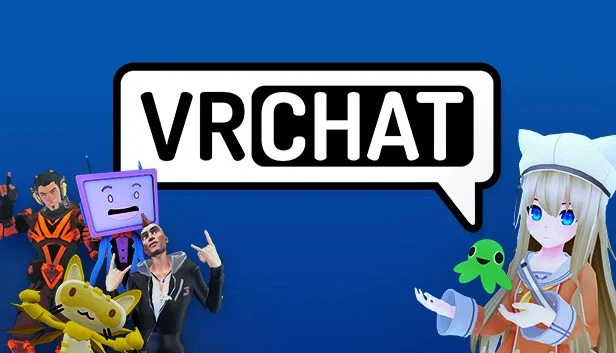
VRChat: A Complete Guide to the Virtual World
VRChat is an online social platform where players explore user-created worlds, use custom avatars, attend events, play games, roleplay, socialize, and create their own virtual experiences.
Unlike traditional games, VRChat doesn't have one central storyline, one protagonist, or a fixed gameplay loop. It's more like a gigantic collection of interconnected virtual spaces created by its community.
You can play:
In VR with a headset.
On a PC without VR.
On supported mobile devices.
With different control schemes depending on the device.
And one of VRChat's biggest defining features is its avatars—which is what you mean by every type of VRChat character.
1. What VRChat actually is
VRChat is not a single game with one objective. It's a social sandbox and user-generated platform.
People can create nearly anything within the platform's world-building systems, including:
Realistic cities
Apartment rooms
Forests and wilderness
Space stations
Fantasy kingdoms
Horror experiences
Arcade games
Hangout worlds
Art galleries
Music venues
Interactive storytelling
Roleplay environments
Recreations of real or fictional places
You generally choose a world, enter it, and interact with other users.
Worlds
Worlds are individual environments made by creators. They can be simple rooms or enormous experiences with their own mechanics, stories, and secrets.
Common world categories
World typeWhat it containsHangoutPlaces to talk and relaxAvatar worldsCollections of avatars to tryHorrorScary environments, puzzles, and encountersExplorationLarge maps, hidden locations, sceneryGame worldsCustom gameplay, objectives, mechanicsRoleplayCharacters, scenarios, and themed settingsSocial clubsMusic, dancing, and group activitiesSimulationInteractive objects and simulated environmentsArt worldsSculptures, paintings, and visual experiencesNostalgia worldsOld games, locations, and internet cultureLiminal worldsEmpty hallways, strange offices, and surreal environments
Worlds can also have different instances. An instance is essentially a separate copy of the same world containing a different group of people.
2. The different types of VRChat users (VRChatters)
VRChatters are the people who play VRChat. Over time, communities have developed recognizable player archetypes.
These are informal stereotypes—not official classes. One person may fit several categories, or none at all.
A. The Socializer
One of the most common types.
They mainly enter VRChat to talk to people.
Typical behavior:
Meet new people
Talk about everyday life
Hang out in public worlds
Join group conversations
Spend time with friends
They may not care much about games or exploration. The social experience is the main reason they play.
B. The Explorer
These players love discovering worlds.
They frequently travel between worlds looking for:
Strange environments
Hidden rooms
Beautiful scenery
Abandoned locations
Secret interactions
Interesting atmosphere
Unusual world mechanics
Some explorers barely spend any time in crowded social worlds.
They treat VRChat almost like an enormous virtual travel destination.
C. The Avatar Collector
These users are fascinated by avatars.
They may spend a lot of their time:
Searching for new avatar worlds
Trying different characters
Finding unusual models
Testing animations
Switching avatars to fit a situation
Collecting favorites
They might have an avatar for every mood, activity, or joke imaginable.
D. The Avatar Creator
Avatar creators build or modify avatars themselves.
They can work with:
3D modeling
Textures
Materials
Rigging
Facial expressions
Animation
Unity
VRChat's SDK
Some creators build completely original characters. Others modify existing models within the creator's permitted terms.
For many creators, an avatar is essentially a digital character design project.
E. The World Creator
These are the builders responsible for making VRChat's environments.
World creators can make:
Architecture
Landscapes
Lighting
Interactive objects
Soundscapes
Custom systems
Games
Environmental storytelling
Some worlds are incredibly detailed, with creators spending months building them.
F. The Roleplayer
Roleplayers use VRChat as a place to act out fictional scenarios.
They may roleplay as:
Fantasy characters
Robots
Medieval villagers
Space explorers
Superheroes
Monsters
Fictional characters
Original characters
Roleplaying can be spontaneous, structured, comedic, or story-driven.
G. The Gamer
These VRChatters focus on worlds that have actual gameplay.
They enjoy:
Minigames
Racing
Platforming
Puzzles
Competitive activities
Cooperative challenges
Survival-style games
They may treat VRChat like a massive collection of multiplayer games rather than primarily a social platform.
H. The Performer
Some users enjoy performing in front of others.
They might:
Dance
Sing
Play virtual instruments
Perform comedy
Act
Make animations
Host events
VRChat's avatar movement and expressive systems allow users to communicate through performance as well as speech.
I. The Memer / Comedian
These players use avatars and situations to make people laugh.
They are known for:
Absurd character designs
Funny voices
Unexpected avatars
Weird animations
Nonsense conversations
Visual jokes
Internet memes
Their entire experience may revolve around creating ridiculous situations.
J. The Quiet Player
Not everybody is highly social.
Some people prefer:
Listening to conversations
Sitting somewhere peaceful
Exploring alone
Watching the scenery
Spending time with a small group
Using VRChat as a quiet virtual environment
Being quiet doesn't necessarily mean someone is upset or unfriendly. They may simply prefer not to talk much.
K. The World Photographer
Some players love taking screenshots.
They search for:
Beautiful lighting
Foggy landscapes
Sunset environments
Interesting architecture
Avatar poses
Cinematic locations
Unusual compositions
VRChat worlds can become virtual photography locations.
L. The Avatar Tinkerer
These users constantly test avatar features.
They enjoy examining:
Gesture systems
Expressions
Animation menus
Avatar transformations
Props
Accessories
Toggleable clothing
Custom effects
They may spend more time experimenting with their avatar than actually visiting worlds.
3. Every major type of VRChat avatar
This is one of the biggest parts of VRChat. Avatars can be practically anything, and many categories overlap. Someone might use an anime avatar one day, a robot the next, and a tiny creature the next.
The categories below are community-wide styles, not a complete list of individual avatar models.
1. Furry avatars
Furry avatars are anthropomorphic animal characters—animals with human-like characteristics, expressions, movements, or clothing.
Common species include:
Wolves
Foxes
Cats
Dogs
Dragons
Rabbits
Bears
Deer
Hyenas
Raccoons
Birds
Sharks
Lizards
Common furry avatar styles
Realistic furries: Detailed fur, realistic anatomy, more natural proportions.
Cartoon furries: Exaggerated shapes, expressive faces, animated designs.
Cute furries: Rounded faces, oversized heads, softer designs.
Kemono: A stylized animal-character aesthetic often featuring large expressive eyes, simplified facial features, and soft-looking designs.
Toony: Exaggerated cartoon proportions and expressive shapes.
Protogens: A fictional robotic-animal species often depicted with a technological visor, mechanical components, and animal-like features.
Furry avatars are among the recognizable avatar communities in VRChat, and many users create original characters called fursonas. VRChat Wiki
2. Anime avatars
Anime avatars are inspired by Japanese animation, manga, and anime-style character art.
They commonly feature:
Stylized eyes
Detailed hair
Anime facial expressions
Stylized proportions
Character outfits
Animated facial gestures
Common anime avatar variations
Anime boys
Anime girls
Chibi characters
Fantasy characters
Magical characters
School-themed characters
Sci-fi characters
Anime-inspired original characters
Some avatars have extensive customization systems, including different hairstyles, clothes, expressions, colors, and accessories.
3. Chibi avatars
Chibi avatars are small, exaggerated characters.
Their design usually includes:
Large heads
Small bodies
Short limbs
Simplified faces
Exaggerated expressions
They may resemble miniature anime characters, cartoon mascots, or toy-like figures.
Chibi avatars are often used for comedy, cute interactions, and expressive movements.
4. Human avatars
These are avatars designed to resemble ordinary humans.
They may look:
Realistic
Stylized
Cartoonish
Anime-inspired
Fantasy-based
Some users choose human avatars because they want a character that resembles a normal person, while others prefer human models with unusual outfits or appearances.
Human avatars range from ordinary-looking characters to elaborate fictional designs.
5. Robot and android avatars
Robot avatars can range from simple mechanical characters to highly elaborate sci-fi machines.
Common types
Humanoid androids
Industrial robots
Combat-themed fictional robots
Friendly robots
Artificial intelligence characters
Mechanical animals
Droids
Cyborgs
Futuristic suits
Some have mechanical sound effects, animated screens, glowing elements, or transforming features.
6. Monster avatars
Monster avatars are creatures that don't necessarily resemble real animals or humans.
Examples include:
Slimes
Demons
Ghosts
Strange humanoid creatures
Eldritch-looking fictional entities
Living shadows
Plant creatures
Alien monsters
Fantasy beasts
Monster avatars can be designed to look frightening, funny, adorable, mysterious, or completely bizarre.
7. Creature avatars
Creature avatars are broadly designed around nonhuman beings.
They include:
Dragons
Dinosaurs
Sea creatures
Fantasy beasts
Insects
Birds
Reptiles
Mythological creatures
Unlike furry avatars, creature avatars don't necessarily have human-like anatomy or personalities built into their design.
A dragon could be quadrupedal, winged, serpentine, or humanoid.
8. Meme avatars
Meme avatars are built around internet jokes, recognizable images, absurdity, or comedic concepts.
They might be:
A giant object with a face
A walking food item
A distorted character
A low-poly creature
A giant head
A tiny object with limbs
A deliberately strange model
The point is often to surprise people or make an ordinary situation ridiculous.
9. Object avatars
These avatars are objects instead of people or animals.
Examples include:
Chairs
Tables
TVs
Computers
Traffic cones
Appliances
Food
Boxes
Household objects
Some object avatars can move around using unusual animations, making them especially funny in social worlds.
10. Tiny avatars
Tiny avatars are designed to be much smaller than typical player characters.
They can include:
Miniature animals
Tiny humans
Small robots
Toy-like characters
Miniature monsters
The experience of interacting with the world can feel different when the avatar is very small.
11. Giant avatars
Giant avatars are designed to appear much larger than normal characters.
They can be:
Giants
Kaiju-inspired fictional creatures
Giant robots
Huge animals
Enormous cartoon characters
Some worlds handle avatar scaling differently, so the actual experience depends on the environment and avatar setup.
12. Skeleton and undead avatars
These avatars represent characters that are skeletons, ghosts, undead fantasy creatures, or animated remains.
Examples include:
Skeletons
Ghosts
Mummies
Liches
Fantasy undead
Animated armor
They can be cartoonish, fantasy-themed, spooky, or comedic.
13. Fantasy avatars
Fantasy avatars are inspired by mythical worlds and magical settings.
Common designs include:
Wizards
Knights
Elves
Dwarves
Fairies
Dragons
Magical creatures
Fantasy adventurers
They often feature robes, armor, fantasy accessories, magical effects, and unusual character designs.
14. Historical avatars
Some users wear avatars based on historical periods or historical-inspired clothing.
These may include:
Medieval characters
Ancient civilizations
Historical clothing
Old-fashioned formal wear
Period-inspired uniforms
Historical fictional characters
These are often used for themed roleplay or educational worlds.
15. Sci-fi avatars
Sci-fi avatars are based on futuristic settings.
Common examples:
Space explorers
Alien characters
Futuristic androids
Cybernetic characters
Space suits
Artificial beings
Futuristic civilians
Their designs may feature advanced-looking clothing, technology, glowing components, or unusual silhouettes.
16. Avatar recreations of fictional characters
Some users use avatars modeled after characters from existing media.
They can be inspired by:
Video games
Anime
Cartoons
Movies
TV shows
Comics
Internet animations
These are commonly called character avatars or fandom avatars.
Some are custom creations, while others are made by independent avatar creators.
17. Mascot avatars
Mascot avatars are designed like characters intended to represent a brand, group, game, creator, or fictional organization.
They often feature:
Strong silhouettes
Simple designs
Recognizable colors
Exaggerated expressions
Distinctive clothing
They may look like plush toys, cartoon characters, animals, or robots.
18. Plush avatars
Plush avatars resemble stuffed toys.
Typical features:
Soft-looking textures
Rounded shapes
Stitched details
Toy-like proportions
Simplified faces
Some are designed to look like plush animals, while others resemble plush versions of fictional characters.
19. Low-poly avatars
Low-poly avatars use a deliberately simple 3D style.
They can have:
Few polygons
Angular shapes
Simplified textures
Retro visual designs
Some are made to resemble older 3D games or early computer graphics.
20. Pixel avatars
Pixel-inspired avatars recreate the appearance of pixel art or retro game characters.
They may resemble:
2D sprite characters
Blocky retro characters
8-bit or 16-bit-inspired designs
Some are genuinely three-dimensional while deliberately retaining a pixelated appearance.
21. Blocky avatars
Blocky avatars have rigid, square, or cube-like designs.
They're often inspired by block-based games, toy figures, or simplistic 3D characters.
Their shapes may be intentionally minimalistic.
22. Abstract avatars
Abstract avatars are difficult to categorize as any particular creature or person.
They may consist of:
Geometric shapes
Floating objects
Unusual silhouettes
Strange textures
Nontraditional anatomy
Some look like moving sculptures rather than characters.
23. Liminal and uncanny avatars
These avatars are designed to feel strange, surreal, or unsettling.
They may feature:
Unusual proportions
Blank expressions
Strange facial structures
Distorted humanoid forms
Unexpected animations
Surreal shapes
They are often used for surreal comedy, atmosphere, or artistic expression.
24. Bird avatars
Bird avatars can range from realistic birds to cartoon bird characters.
Examples:
Owls
Crows
Ducks
Penguins
Parrots
Eagles
Anthropomorphic birds
Some are fully feathered creatures; others have humanoid proportions.
25. Aquatic avatars
These avatars are inspired by aquatic animals and sea life.
Examples:
Sharks
Fish
Dolphins
Whales
Octopuses
Squids
Jellyfish
Aquatic fantasy creatures
Some have specialized animations that simulate swimming or aquatic movement.
26. Insect avatars
Insect-inspired avatars can be based on:
Bees
Butterflies
Moths
Spiders
Beetles
Ants
Other fictional arthropods
Some are highly stylized and cute, while others are designed to look more alien or creature-like.
27. Plant avatars
Plant avatars represent plant life or plant-based fictional creatures.
Examples:
Flowers
Trees
Mushrooms
Vines
Walking plants
Fantasy plant monsters
They may be humanoid, animal-like, or completely abstract.
28. Food avatars
Food avatars are designed around food items.
Examples:
Burgers
Pizza
Ice cream
Fruit
Vegetables
Candy
Snacks
Some are anthropomorphic food characters, while others are simply floating or moving food objects.
29. Vehicle avatars
Vehicle avatars represent objects designed for transportation.
Examples:
Cars
Trucks
Airplanes
Spaceships
Motorcycles
Fictional vehicles
Some are actual vehicle models, while others are comedic vehicle characters.
30. Custom original characters (OCs)
An OC, or original character, is a character created by the user or another artist rather than being an established character from a franchise.
OCs can be literally any design:
A human
An animal
A robot
A monster
An alien
A fantasy creature
An abstract entity
Many people use their OC as their primary avatar because it represents a character they designed themselves.
4. VRChat avatar styles based on appearance and design
Beyond species, avatars can be categorized by their overall visual aesthetic.
StyleDescriptionCuteSoft, friendly, adorable designsToonyExaggerated cartoon charactersRealisticDetailed human or creature modelsStylizedArtistic, non-realistic proportionsGothicDark, dramatic fashion and themesCyberpunkFuturistic technology and city-inspired designsFantasyMagic, mythical beings, medieval aestheticsHorrorMonsters, eerie figures, unsettling designsRetroOlder gaming and vintage aestheticsMinimalistSimple shapes and few detailsSurrealUnusual, dreamlike designsAbstractNontraditional character shapesRoboticMechanical or artificial charactersPlushStuffed toy aestheticsLow-polySimple geometric 3D modelsPixel-inspiredRetro pixel art aestheticsMemeDesigned primarily around jokesLiminalStrange, empty, uncanny aesthetics
An avatar can belong to several of these simultaneously. For example, somebody could have a cute, low-poly, robotic fox avatar.
5. VRChat avatars based on technology
Avatars aren't just models. They can have systems that let them react to users and environments.
Avatar animations
Avatars can have animations for things such as:
Walking
Running
Sitting
Dancing
Gesturing
Facial expressions
Idle movements
Custom actions
Some avatars have elaborate animation systems that make them feel more like animated characters.
Facial expressions
Depending on the avatar, facial features can change through:
Blinking
Eye movement
Mouth movement
Smiling
Frowning
Surprised expressions
Other emotion-like expressions
Lip-sync
Some avatars can move their mouths in response to the user's microphone audio.
The effect varies depending on the avatar's setup.
Eye tracking
Supported setups can allow an avatar's eyes to follow gaze movements.
This can make avatars feel more expressive and responsive.
Physically simulated features
Some avatars have physics-based components that move in response to motion, such as hair, ears, tails, or other accessories.
These depend on the avatar and the platform's supported systems.
Gesture systems
Avatars may respond to hand gestures or controller inputs.
A gesture might trigger:
A facial expression
An animation
A character pose
A sound effect
An avatar feature
Some avatars have complex gesture menus, while others are very simple.
6. VRChat avatar performance categories
Avatars also differ in how efficiently they run.
PC avatars
PC avatars may support more complex visual effects and features, depending on performance and platform restrictions.
They may include:
More detailed models
Complex materials
Elaborate particle effects
Advanced animation
More complicated geometry
However, a poorly optimized avatar can cause performance problems.
Quest-compatible avatars
Avatars designed to run on standalone VR hardware generally need to meet stricter performance requirements.
They are often designed with:
Simpler materials
Reduced geometry
Optimized textures
Fewer complex effects
Optimized avatars
Creators may deliberately reduce an avatar's performance cost while preserving its important features.
Optimization can involve simplifying models, reducing unnecessary effects, and making textures more efficient.
7. VRChat avatar access types
Avatars also differ in who can access or use them.
Access typeMeaningPublicAvailable for others to access or usePrivateRestricted to the creator's useSharedMade available to selected users or groups, depending on the sharing systemCommunity avatarCreated and distributed by community membersOfficial avatarProvided by VRChat itselfPaid avatarPurchased through a supported marketplaceCustom uploaded avatarUploaded by a creator for their own account or permitted sharing
Not every avatar you encounter can automatically be copied or used. Creators can set restrictions, and you should respect their permissions.
VRChat offers official avatar browsing and its Avatar Marketplace, along with community avatar worlds where users can preview available characters. VRChat
8. The VRChat avatar communities
Some avatar types have developed large communities of their own.
Furry community
A community focused on anthropomorphic characters, furry art, character creation, and fursonas.
Common avatar types include foxes, wolves, cats, protogens, dragons, and other original animal characters.
Anime avatar community
Users interested in anime-inspired characters, stylized character models, animation, and Japanese-inspired character aesthetics.
Robot community
Users interested in mechanical characters, robots, androids, futuristic designs, and machine-inspired avatars.
Creature community
People interested in nonhuman character designs, monsters, fantasy beings, and unusual creatures.
Avatar creator community
People who make, customize, optimize, rig, animate, or otherwise work on VRChat avatars.
World creator community
People who design virtual environments, games, hangout locations, and interactive experiences.
These communities aren't necessarily separate groups. A person can be part of several at once.
9. VRChat world types in more detail
VRChat worlds can be divided into many subgenres.
Social worlds
Designed around talking and meeting people.
Cozy worlds
Comfortable, relaxing environments with warm lighting, peaceful music, and pleasant scenery.
Liminal worlds
Empty offices, endless corridors, abandoned buildings, strange rooms, and places that feel familiar but wrong.
Horror worlds
Scary environments with suspense, puzzles, monsters, and supernatural themes.
Adventure worlds
Worlds that include exploration, progression, objectives, or discoveries.
Puzzle worlds
Worlds built around logic, clues, codes, environmental puzzles, or cooperative problem-solving.
Game worlds
Worlds with custom gameplay, rules, scoring, or win conditions.
Music worlds
Worlds where music is central to the experience, including virtual performances and music-themed environments.
Art worlds
Virtual galleries, interactive art exhibits, sculptures, and experimental environments.
Recreation worlds
Virtual recreations of places, fictional environments, or other locations.
Simulation worlds
Worlds designed to simulate activities, environments, or interactive systems.
Roleplay worlds
Worlds designed around a setting, fictional society, or character-driven interactions.
10. VRChat events
VRChat has communities that organize events.
Depending on the community and world, events can include:
Art exhibitions
Music performances
Dance performances
World tours
Game nights
Community meetups
Avatar showcases
Creator presentations
Roleplay sessions
Seasonal celebrations
Some events are informal gatherings, while others are organized with schedules, hosts, and rules.
11. How people communicate in VRChat
VRChat communication goes beyond typing.
Voice chat
Users speak through microphones.
Text chat
Users can communicate using text-based features where available.
Avatar body language
Users use their avatars to communicate through poses, gestures, and movement.
Facial expressions
Supported avatar systems allow people to express reactions through faces.
Props and interactions
Some avatars and worlds have objects or features that can be used to communicate or create jokes.
Spatial communication
Because VRChat is a spatial environment, where someone stands, faces, or moves can affect how a conversation feels.
12. VRChat's culture, memes, and unwritten rules
VRChat has its own internet culture that developed over many years.
Mirrors
Mirrors are extremely common in social worlds. Users often gather around them to see their avatars, adjust their poses, or simply hang out.
Avatar switching
Changing avatars during a conversation is normal. Someone may switch from a serious character to a tiny creature or ridiculous meme avatar in seconds.
Avatar interactions
Users may wave, sit, dance, gesture, pose, or interact with other avatars.
Always respect other people's boundaries, especially when an interaction involves personal space.
World hopping
People frequently move from one world to another to find friends, new activities, different environments, or a quieter place to talk.
Group culture
Some people form friend groups around:
Particular avatar species
Games
Music
Art
World creation
Roleplay
Shared hobbies
Memes
VRChat's culture is heavily influenced by internet humor. Avatars, animations, sound effects, and strange situations can become memes within communities.
13. VRChat safety and etiquette
VRChat is a social platform, so it's important to remember that other avatars represent real people.
Don't share your address, school, passwords, or private information.
Be careful about accepting friend requests from people you don't know.
Leave worlds or conversations that make you uncomfortable.
Use mute, block, and reporting features if necessary.
Respect other people's boundaries.
Don't assume someone's identity, age, or personality based on their avatar.
Remember that people using cartoon, animal, or fictional avatars are still real users.
Be cautious about links or requests to move conversations to other platforms.
An avatar is a character model—not proof of who someone is in real life.
14. What makes VRChat different from other games?
FeatureVRChatTraditional multiplayer gameMain objectiveNo single objectiveUsually has defined objectivesCharactersUser-selected avatarsUsually predetermined charactersWorldsCommunity-createdUsually developer-createdGameplayVaries by worldUsually follows one game systemSocial interactionA central featureOften secondaryCustomizationExtensive avatar customizationUsually limitedStoryOptional, world-dependentUsually a main storylineCreativityExtensive user creationOften limited to developer tools
VRChat is essentially a combination of a social network, virtual playground, creative platform, game collection, and virtual-world community.
15. Where to explore VRChat officially
16. The entire VRChat experience in a nutshell
VRChat is a place where one person can be a robot, another can be a fox, another can be a giant walking banana, another can be a wizard, and another can be an ordinary human avatar—all sharing the same virtual world.
The biggest things that define VRChat are:
Avatars: How people visually represent themselves.
Worlds: The environments people explore.
Community: The people and groups who make the platform feel alive.
Creativity: The ability to create avatars, worlds, games, and experiences.
Freedom of expression: Users can express themselves through characters, art, movement, and interaction.
Unpredictability: Every instance can have a completely different atmosphere and group of people.
And the avatar ecosystem is so enormous that there is no realistic way to list literally every individual avatar species, model, creator, or variation—but the categories above cover the major types you'll encounter.
If there's one thing that makes VRChat special, it's that you aren't simply choosing a character to play as; you're choosing how you want to exist in that virtual world.
Criado há aproximadamente 2 horas
Atualizado há aproximadamente 2 horas
Publicado há aproximadamente 2 horas
- Sem limites