
Metro: Apocalypse
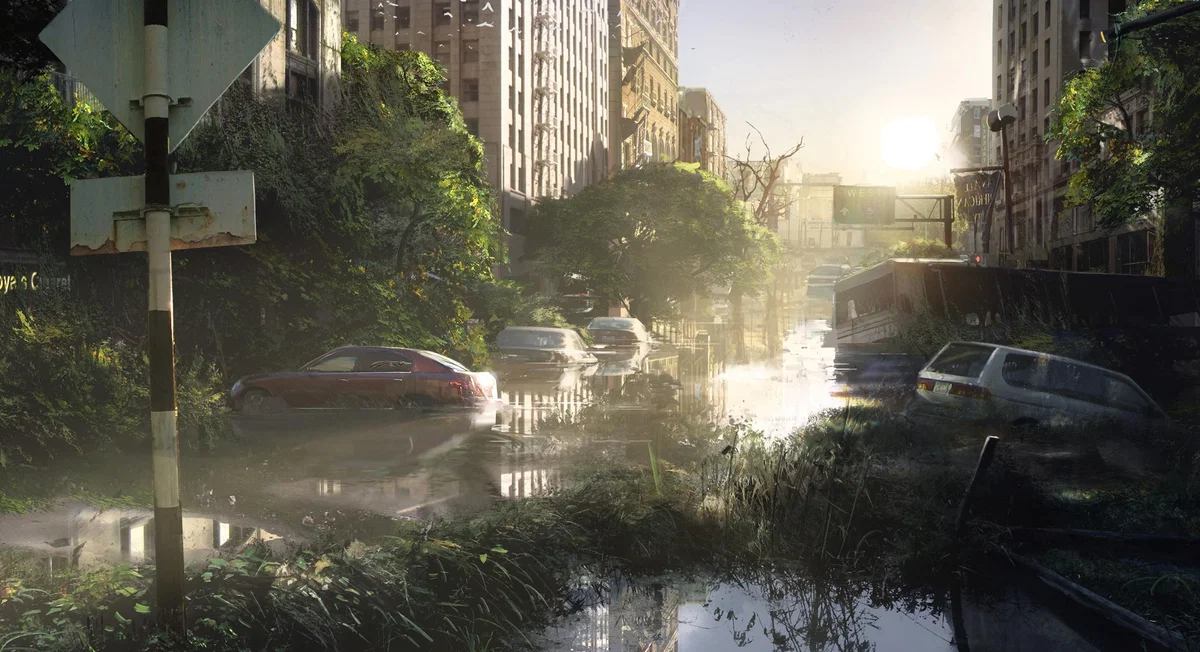
by:@reynaud
Humanity has fallen, forced underground by a plague that reshaped life itself. The infected are not corpses but living predators—cold-skinned, impossibly strong, and organized in ways that defy old notions of chaos. They spread across the ruined surface in vast hives, defending their territories and expanding their numbers with terrifying efficiency.
For a time, survivors clung to shattered homes and hidden shelters. But food ran out, water turned foul, and silence became a slow executioner. Safehouses offered brief reprieve—scraps of supplies, a few old rations—but they too dwindled with each passing day. In the end, the only constant above ground was hunger and the soundless presence of the infected moving through the streets.
Hope, when it came, arrived not as salvation but as static. A radio crackling to life in the dark whispered fragments of a message: “Metro... survivors... safe... contact...” The words were fractured, buried beneath noise, yet they hinted at a network below the ruins. Tunnels and stations where people endure, farming in the dark, filtering water from the depths, building fragile societies beneath the earth. There, communities cling to survival, ringing bells when their scouts—called Stalkers—return alive from the surface.
The story begins with that signal, a promise that humanity may not be entirely lost. Whether the Metro is salvation, a trap, or simply another illusion is unknown. What remains certain is this: the surface belongs to the infected, and those who remain above ground live only on borrowed time.
생성됨 2025년 9월 12일
업데이트됨 2025년 9월 12일
게시됨 2025년 9월 12일
프록시 허용됨