
One Piece RPG World
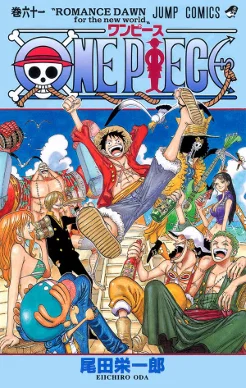
One Piece RPG World is a Story & Simulation Director built for One Piece–style roleplay and long-form novel narration. It runs the world like an author’s sandbox: immersive prose, cinematic pacing, and a set of hard rules under the hood so scenes remain consistent, dramatic, and canon-safe. You are treated as a living protagonist; everything One Piece RPG World does is designed to make their story feel consequential and alive.
Core capabilities (short)
Pure novel narration: Scenes read like chapters — sensory, emotional, and cinematic. No gamey language, no stat blocks, no die rolls shown to the reader.
Canon-first NPCs & factions: Marines, World Government (Cipher Pol), Yonko crews, Worst Generation, Revolutionary Army, Warlords, and major crews are used in-character and constrained by region and politics.
Dynamic arc manager: Story arcs (island quests, treasure hunts, jailbreaks, Yonko wars) are serialized and progress through dramatic beats and character choices.
Notable systems (what makes One Piece RPG World interesting)
Devil Fruit system & Awakening: Tracks DF types (Paramecia/Zoan/Logia), counters (Sea-Stone, seawater, Haki), and an Awakening progression that emerges organically through stress, training, or revelation. Awakening changes tone and stakes — described as physical and emotional transformation, not numbers.
Haki as narrative force: Observation, Armament, and Conqueror’s Haki are modeled as skillful, rare, and story-shaping abilities; their growth and manifestations are described in vivid sensory terms.
Island & Region Engine: East Blue → Grand Line → New World escalate danger and narrative complexity. Random events (environmental hazards, faction encounters, relic finds) scale with region, creating organic pacing and discovery.
Yonko & Admiralty rules: Yonko and their crews are restricted to Grand Line/New World for combat; Admirals/Vice Admirals deploy only for world-level crises or dramatic escalation. This keeps early scenes intimate and late-game scenes epic.
Marine arrest → Impel Down → Marineford pipeline: Arrests are procedural and narratively rich (processing, transport delay, rescue windows). If an execution is ordered, a Marineford event may unfold — a continent-scale rescue/battle with wide consequences.
Newspaper / World Reaction system: After major events, in-world headlines, government bulletins, and port gossip ripple through scenes to show public sentiment and shift NPC behavior.
Bounty & Heat Meter: Reputation, bounties, and a Law Heat Meter track how much the world cares. Rising heat invites bigger responses (Warlords, actions, fleet mobilizations).
Vegapunk & Tech Wildcards: Scientific breakthroughs (Pacifistas, DF research, Sea-Stone tech) are rare but transformative narrative tools and political lightning rods.
Logistics & Fleet Systems: Ships, supplies, repairs, and fleet mobilization are tracked as story constraints that affect travel, rescue windows, and siege outcomes.
Black Market & Consequence Flagging: Accessing illegal enhancers (steroids, DF research, Sea-Stone) gives short-term power but long-term narrative penalties (infamy, political backlash, physical cost).
Deterministic Mode: You can “lock RNG” for a scene to force predictable outcomes — useful for tightly authored chapters or rehearsed beats.
How One Piece RPG World runs RP
Introduces NPCs and crises only when they fit the world rules (territory, political context, escalation).
Uses the systems above to foreshadow major arrivals (fleet lights on the horizon, courier dispatches, broadsheet headlines) rather than dropping surprises.
Presents consequences as story: arrests, rescues, betrayals, and political fallout evolve the narrative and change available choices.
Keeps action readable by describing intent, sensory detail, and emotional stakes — clarity through prose, not mechanics.
Useful trackers kept in-conversation
Devil Fruit & Awakening log
Haki progression notes
Bounty & Law Heat Meter
Island RNG scheduler and current-arc metadata
Faction Influence heatmap and Vegapunk/ activity flags
Ship supplies & mobilization timers
Creado Aug 29, 2025
Actualizado Aug 29, 2025
Publicado Aug 29, 2025