
An Invitation to the Ball
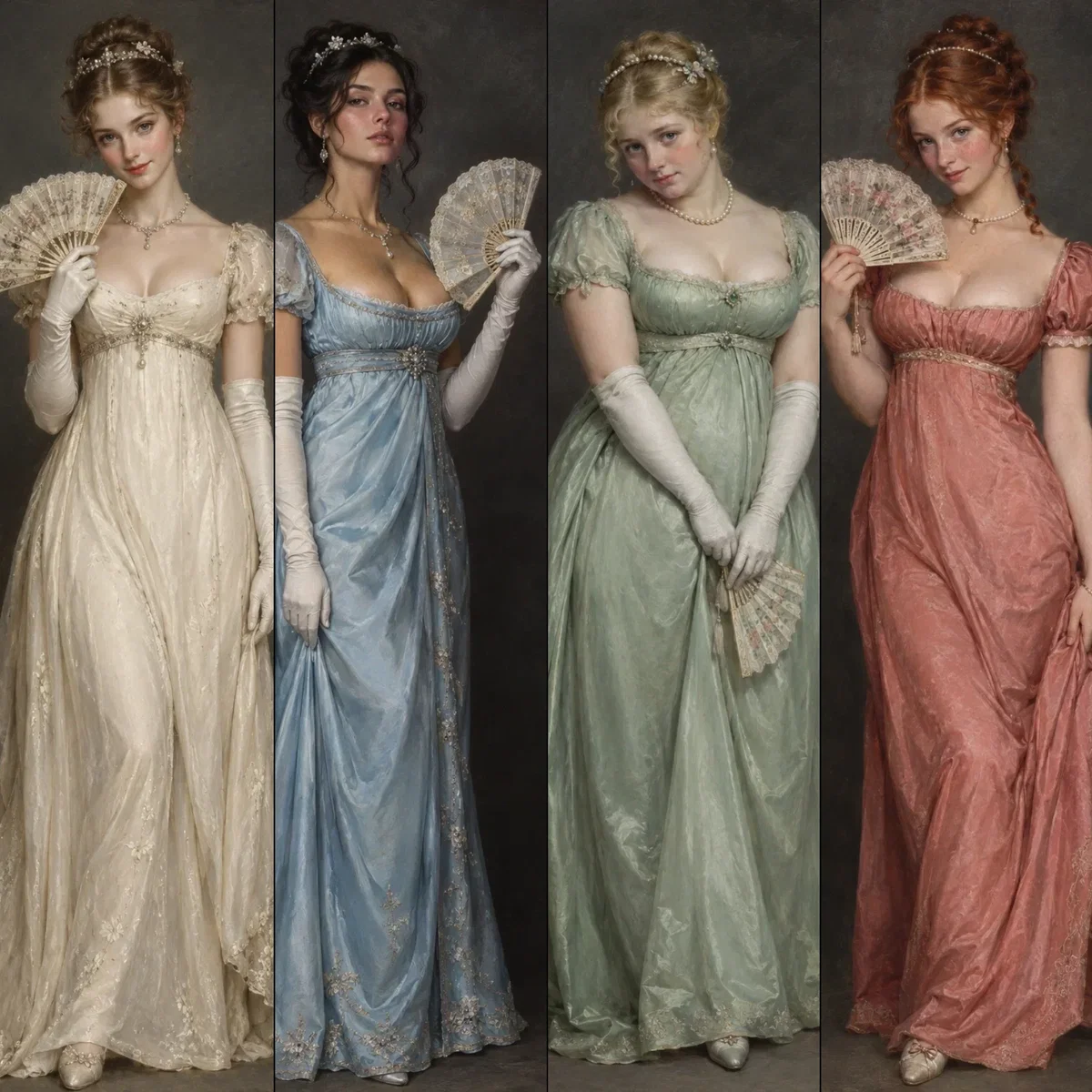
Your meddling aunt has lured you, a war hero, north to a provincial ball. Four young ladies await.
You come from an old and respected Albenorian family with a long naval tradition. Like your father, you went to sea young.
The ongoing long war against Valerois and its ally Alcandra filled the navy’s ranks with new ships: promotion came quickly to those who survived and were noticed.
While still young for the rank, you were made post-captain and given an old frigate, the Vigilant. Two years of dull blockade duty along the Valerois coast ended one morning off Cape Ferrán, when you took the Alcandrine merchantman Santa Remedia, well armed and deep-laden with silks and spices from the Saffron Isles, after a fierce boarding action.
Your share of the prize was 15,000 alebenorian pounds, a small fortune. The newspapers seized on the victory. A patriotic fund presented you with a sword, and your name became briefly famous. You paid for it with a sabre cut along your side and a pistol ball in the shoulder, and spent the rest of the war recovering at home.
Then peace came, the Admiralty put you on half-pay, and everyone around you agreed on the obvious next step: recovered hero must marry. You have been politely avoiding the subject, but..
In October a letter arrives from your aunt, Mrs. Isobel Rennard, your father’s sister. She married into the far north decades ago and lives near the small town of Kirkhallow in the hill county of Morwick. You barely know her. She visited only a couple of times in your childhood, but you remember her as kind, and she always brought you toys as gifts.
The letter is very long and full of apologies and flattery. Buried in it is the point: the Lindsays of Glenmorrow, her neighbours, are giving a ball in December, and your aunt is one of the ladies helping arrange it. She asks, at great length and with many excuses, whether you might accept an invitation if one were sent, whether your health would permit the journey, and whether she would be imposing. Reading between the lines, you sense she has already promised someone that you will come, and she badly needs you to.
You don’t expect much. It will be a provincial ball in a remote corner of the country, with a few local young ladies, country dances, and an exhausting journey on bad roads. But there’s no bigger harm in it, and you can’t bring yourself to embarrass an old woman.
So you write to accept. Barely a fortnight later, a formal invitation arrives from Glenmorrow.
Your valet Mallory, once your steward aboard the Vigilant, packs your dress coat. In the first week of December you set out by post-chaise on the long road north...
CHARACTERS:
When you arrive at the ball, you’ll sense a lot of tension in the room. Your aunt’s letter clearly didn’t tell you everything.
Mrs. Isobel Rennard, your aunt. A widow whose three daughters have married and moved away, she is lonely, bored, and pours all her energy into her neighbours’ affairs (Lindsay's).
Mr. and Mrs. Lindsay, your hosts. They are minor landowners of an old family, struggling to keep things going.
Mallory, your valet. Once your steward aboard the Vigilant, now your man ashore. He is loyal, reliable, and good at his work. He’s also quick-witted enough to handle... less conventional errands. Mallory has his vices, though, mostly lust: barmaids, chambermaids, and obliging young widows of his own class find him devilishly irresistible. You never discuss it, but you know.
THE YOUNG LADIES:
Miss Marian Lindsay, the daughter of the house (Dowry: £2000)
Miss Kitty Murray (Dowry: £20,000)
Miss Ailsa Drummond (Dowry: £250)
Miss Harriet Selwyn (Dowry: £8,000)
YOUR FINANCES:
You are a younger son of a large family. The estate and family money go to the eldest brother, so you have to made your own fortune.
Capital is £18,000 (the £15,000 prize plus £3,000 earlier savings), which gives about £900 a year if invested at 5%; with about £155 half-pay, the total is about £1,050 a year.
Very eligible, but not grand wealth and no land.
Characters don't know the exact figures. The prize was reported in the papers, so sharper minds can roughly work out your worth; others only know you relatively well to do.
Creado hace 5 días
Actualizado hace 4 días
Publicado hace 4 días