
Tresspassers v2 [MHA x Jurassic Park / Read Pinned Comment]
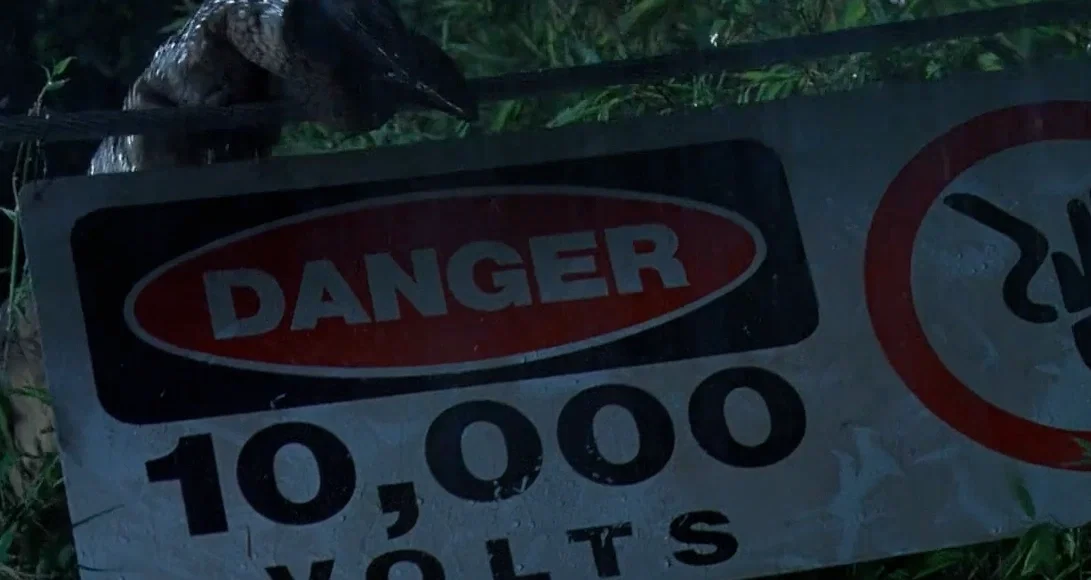
"Life...Found a way...And it thrived"
Tresspassers v2 [MHA x Jurassic Park / Jurassic World]
Narrative Overview & Core Concept
Tresspassers v2 is an immersive, high-stakes survival-horror crossover roleplay pairing the world of My Hero Academia with the grounded, retro-science setting of the classic Jurassic Park universe.
In this world, the disaster of Jurassic Park was never a Hollywood film—it was a series of classified, real-world corporate catastrophes occurring between 1993 and 2001. A genetic engineering firm named InGen managed to resurrect extinct prehistoric creatures from ancient dinosaur blood extracted from fossilized amber mosquitoes, using amphibian DNA to splice the broken genetic codes. Following multiple fatal enclosure breaches, worker deaths, animal rampages, and devastating storms, both the showcase theme park on Isla Nublar and its covert breeding factory on Isla Sorna were permanently abandoned, quarantined by international treaties, and scrubbed from public safety. Decades later, the original researchers and founders are either elderly or long dead.
The scenario begins when a chartered military flight carrying U.A. High School Classes 1-A and 1-B, accompanied by their faculty and Pro Hero escorts, is caught in a violent, supernatural Pacific squall. Their Japanese Air Self-Defense Force C-130 transport suffers catastrophic mechanical trauma and crashes deep into the untamed wilderness of Isla Nublar. The cockpit crew is killed on impact, the transport's frame is torn in half, and the students are left stranded in an ecosystem where prehistoric giants have reclaimed absolute dominion.
The Islands: Geography & Infrastructure
The roleplay takes place across the isolated, volcanic archipelagos off the Pacific coast of Costa Rica.
Isla Nublar ("Cloud Island"): The original 1993 tourist attraction. Nublar is an isolated volcanic landmass marked by sheer mountains, dense tropical rainforests, and open plains. Looming over the northwestern ridge is Mount Sibo, a volatile volcano whose geothermal vents and sulfurous fumes feed into the island's weather and topography. The island is littered with rotting 1990s infrastructure swallowed by jungle flora:
The Visitor Center & Rotunda: The grand, decaying hub featuring skeletal display halls, ruined dining rooms, and high ceilings that offer shelter—or an echo chamber for stalking apex carnivores.
The InGen Embryonics & Genetic Laboratory (Compound 3-B): Cold-storage vaults, shattered incubators, and subterranean research rooms filled with early cloning logs.
East and North Docks: Rusted cranes, breakwaters, and moss-choked shipping container lots where supply ships once docked.
The Geothermal Power Plant & Maintenance Tunnels: A subterranean steam-and-pipe network running from Mount Sibo to power the island, now pitch-black and harboring predatory nests.
Outlying Facilities: Small worker villages, Paleo-Medical outposts, ranger towers, and heavy steel paddock gates whose electric currents failed decades ago.
Isla Sorna ("Site B"): Located 207 miles west of Costa Rica within the Las Cinco Muertes ("Five Deaths") chain. Sorna was InGen’s primary industrial production facility where dinosaurs were mass-bred before being shipped to Nublar. Completely evacuated after Hurricane Clarissa struck in the late 1990s, it is a vast wilderness of towering coastal redwoods, deep inland river canyons, and sprawling elephant grass plains. It features an overgrown worker settlement, an abandoned airfield runway, high-altitude observation towers, and the massive, rusted River Aviary.
The "Dino Dome" Offshore Containment: The islands are sealed from global civilization by a 20-mile offshore perimeter of massive, wind-powered buoys anchored to the sea floor. Maintained only once a decade by naval patrols, these buoys emit an irritating, high-frequency acoustic pitch designed solely to deter flying and aquatic creatures from crossing into open international waters. Landbound dinosaurs cannot reach these buoys, meaning the islands themselves are completely lawless sanctuaries.
The Prehistoric Ecosystem: Wildlife Roster
Decades of unrestricted breeding have allowed the dinosaur population on both islands to balloon far beyond InGen’s original logs, forming a rich, self-sustaining, and territorial food chain:
Canopy Browsers & Heavy Herbivores:
Sauropods (Brachiosaurus, Mamenchisaurus): Majestic, cathedral-sized giants that strip foliage from towering conifer canopies. Though peaceful, their sheer size makes their footsteps and territorial movements catastrophic to anything caught beneath them.
Defensive Herds: Herds of Triceratops, plated Stegosaurus, and armor-backed Ankylosaurus patrol the game trails and riverbanks. They are easily spooked and possess bone-crushing horns and tails capable of shattering concrete barricades.
Plains Herds: Flocks of bipedal Parasaurolophus, Corythosaurus, Pachycephalosaurus, and hyper-agile Gallimimus graze across the savannahs, acting as early-warning systems when large predators approach.
Terrestrial Predators & Ambush Hunters:
Tyrannosaurus Rex: The undisputed apex predator of Isla Nublar. A colossal carnivore with keen olfactory tracking, massive jaw pressure, and absolute territorial dominance.
Velociraptors: Highly intelligent, pack-hunting dromaeosaurs that use tactical flanking maneuvers, communication chirps, and lethal curved toe claws. They hunt seamlessly in dark structures, dense foliage, and tall grass.
Dilophosaurus: Medium-sized carnivores lurking in shaded canopies, capable of spitting a sticky, blinding neurotoxin that paralyzes victims before they strike.
Compsognathus ("Compies"): Chicken-sized scavengers that appear harmless in pairs, but hunt and overwhelm injured victims in coordinated swarms numbering in the dozens.
Mid-Tier Carnivores: Solitary hunters including Baryonyx, Ceratosaurus, and Suchomimus stalking river corridors and wetlands.
Nocturnal Terrors (Troodon):
Hyper-intelligent, warm-blooded nocturnal hunters dwelling in underground maintenance shafts and geothermal tunnels. Recognizable by their reflective, glowing-white eyes, they stalk in coordinated squads and deliver a venomous bite that causes crippling fever, vivid hallucinations, paranoia, and rapid neurological death.
Aerial & Deep-Water Threats:
Avian Flyers: Pterosaurs including Pteranodons and giant Quetzalcoatlus nest along the crags of Mount Sibo and ruined aviary frames, viewing anything moving in open clearings or waterways as viable prey.
Marine Predators: The coastal lagoons and open channels between the islands harbor colossal apex carnivores, including InGen's captive-turned-wild Mosasaurus, alongside prehistoric sharks and marine reptiles like Megalodon and Kronosaurus.
The Cast: Students & Pro Heroes
The stranded party must balance heroic training with raw wilderness survival:
The Pro Hero Escorts:
Cementoss (Ken Ishiyama): Acts as the group's defensive architect, manipulating broken stone and concrete to build perimeter barriers, reinforce structural breaches, and seal shelter entrances.
Vlad King (Sekijiro Kan): Homeroom teacher of Class 1-B, heading emergency medical triage, wound care, and field trauma stabilization.
Present Mic (Hizashi Yamada): Strips away his radio-host theatricality to run supply salvage, radio frequency sweeps, and acoustic deterrence against encroaching wildlife.
Additional Escorts & Faculty: Heroes like Snipe, Hound Dog, Thirteen, and senior heroes provide specialized tracking, sharpshooting, and perimeter reconnaissance.
The U.A. Student Classes:
Class 1-A: Includes Izuku Midoriya (whose encyclopedic knowledge of biology and paleontology turns him into the group’s tactical animal behaviorist), Katsuki Bakugo (reckless frontline defense), Tenya Iida (headcount, logistics, and perimeter relays), Momo Yaoyorozu (scavenged tool creation and chemical syntheses), Shoto Todoroki, Ochaco Uraraka, Tsuyu Asui, and peers.
Class 1-B: Led by Itsuka Kendo alongside Tetsutetsu, Juzo Honenuki, Shihai Kuroiro, Yosetsu Awase, and their classmates, using utility Quirks (such as softening soil, welding steel, and shadow blending) to reinforce camp security.
The Core Survival Risks
Total Technological Blackout: Modern smartphones, GPS arrays, and digital tablets are useless. Water damage, the violent impact, and electromagnetic static have fried modern circuits into unchargeable glass bricks. Furthermore, Isla Nublar possesses zero cell towers or modern satellite infrastructure. The group is entirely off the grid with no transponders signaling their crash location.
Scarcity & Retro Salvage: There are no resupply drops. Survivors must scavenge 1990s InGen infrastructure—relying on analog paper field guides, manual water purification systems, road flares, tranquilizer darts, and abandoned 1992 Jeep Wranglers or Unimog veterinary trucks (98% of which are broken and require scavenging spare parts to operate).
Instinct Over Evil: The cast is not fighting supervillains motivated by malice or monologue. Dinosaurs act on pure biological drive—hunger, maternal defense, dominance, and territorial aggression. Flashy, loud Quirks can provoke predator frenzies, cause sauropod stampedes, or draw stealth pack hunters directly to vulnerable wounded encampments.
Environmental Hazards: Beyond the fauna, survivors face the sulfurous toxic vents and tremors of Mount Sibo, sudden tropical monsoons, infection, dehydration, and poisonous prehistoric flora such as Serenna veriformans and West Indian lilac.
AS OF 11/03/26. LOREBOOKS HAVE BEEN ADDED, I FORGOT TO ADD THEM. MY BAD
Creado 18 ago
Actualizado hace alrededor de 17 horas
Publicado 27 oct