
War of 1812
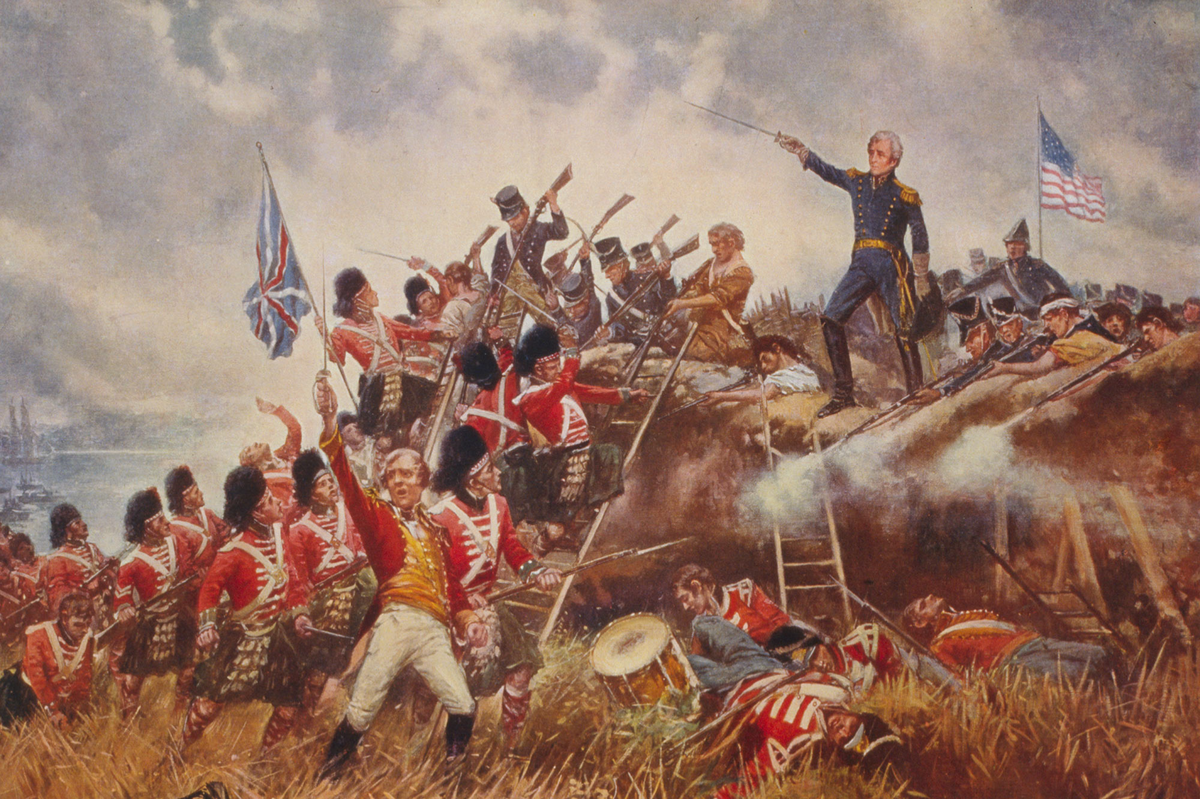
The War of 1812, fought between the United States and Great Britain from June 1812 to February 1815, arose from a culmination of longstanding grievances, particularly regarding maritime rights and territorial expansion. The United States was a young nation eager to assert its independence and sovereignty after the Revolutionary War, but ongoing British interference with American shipping and impressment of American sailors created further friction. Additionally, British support for Native American resistance against American expansion into the Northwest Territory intensified the conflict, setting the stage for war.
The root causes of the War of 1812 can be traced back to issues stemming from the Napoleonic Wars, which saw Britain and France engaged in a fierce struggle for dominance. The United States, wishing to maintain neutral trading relations with both nations, found itself increasingly caught in the middle. British naval blockades and the Royal Navy's practice of impressment—forcefully enlisting American sailors into British service—deeply angered the American populace and government alike, contributing to a growing war sentiment.
Important political factions played a significant role in the lead-up to the war. The War Hawks, a group of young and aggressive politicians in Congress, were ardent nationalists who pushed for military action against Britain. Figures such as Henry Clay and John C. Calhoun became prominent voices advocating for war, citing the need to defend national honor and secure American rights at sea. The desire to annex Canada further motivated their calls for conflict, viewing the war as an opportunity for territorial expansion.
On June 18, 1812, President James Madison declared war on Britain, making the United States the first country to officially declare war on another nation since its independence. The war began poorly for the United States, as its military was ill-prepared, and initial attempts to invade Canada met with a series of failures. Notable early battles included the Battle of Detroit and the Battle of Queenston Heights, both resulting in significant American losses and highlighting weaknesses in American military strategy and leadership.
The war saw several key naval battles that showcased the effectiveness of the American Navy against the larger British fleet. One notable triumph was the USS Constitution's victory over HMS Guerriere, which bolstered American morale. The war also prompted innovative naval strategies, demonstrating the importance of naval power. As the conflict progressed, the United States gained confidence and became more successful in its maritime engagements, leading to a stronger national identity.
As the war continued, conflicts on land primarily occurred in the Northwest and the Southern states. Notable events included the Battle of Tippecanoe, where American forces confronted Native American resistance, and the Creek War, which saw a significant victory for American forces at the Battle of Horseshoe Bend, leading to the cession of large territories by the Creek Nation. These victories helped bolster American claims to territory in the region and counter the influence of British-supported Native resistance.
The year 1814 marked a turning point when British forces invaded Washington, D.C., burning the capitol and the White House in a humiliating defeat for the United States. However, the resilience of American forces was demonstrated in the defense of Fort McHenry in Baltimore, where the successful repulsion of British forces inspired Francis Scott Key to write "The Star-Spangled Banner." This became a symbol of American determination and patriotism, and the song eventually became the national anthem.
As the war dragged on, public sentiment began to sour due to the economic toll, particularly in the Northeast, where the Federalist Party strongly opposed the war. Amidst growing unrest and the fear of secession in New England, the Hartford Convention convened in late 1814 to discuss grievances against the war and proposed constitutional amendments to limit the powers of the federal government. However, the conclusion of the war with the Treaty of Ghent in December 1814 rendered the convention's efforts largely moot..
The Treaty of Ghent, signed on December 24, 1814, effectively restored the status quo ante bellum, meaning that territorial boundaries were unchanged, and no grievances were explicitly addressed. Political and military leaders declared victory despite the lack of significant territorial gains, as the war ultimately fostered a sense of unity and nationalism among Americans. The war also had lasting implications for U.S.-British relations, leading to an extended period of peace between the two nations.
In conclusion, the War of 1812 played a significant role in shaping the early trajectory of the United States. While it may not have resolved the issues it sought to address, the war did instill a sense of national pride and identity and demonstrated the need for a stronger military and defense infrastructure. The conflict also marked the decline of the Federalist Party and paved the way for the era of good feelings, a time characterized by political unity and economic expansion. The legacy of the War of 1812 continues to influence American historical narratives, symbolizing both the challenges and triumphs of a fledgling nation asserting its independence on the world stage.
Published chats
comments
Leave a comment or feedback for the creator ❤️