
Chronicles of the Galaxy, 7899: The Empire and the Rebels
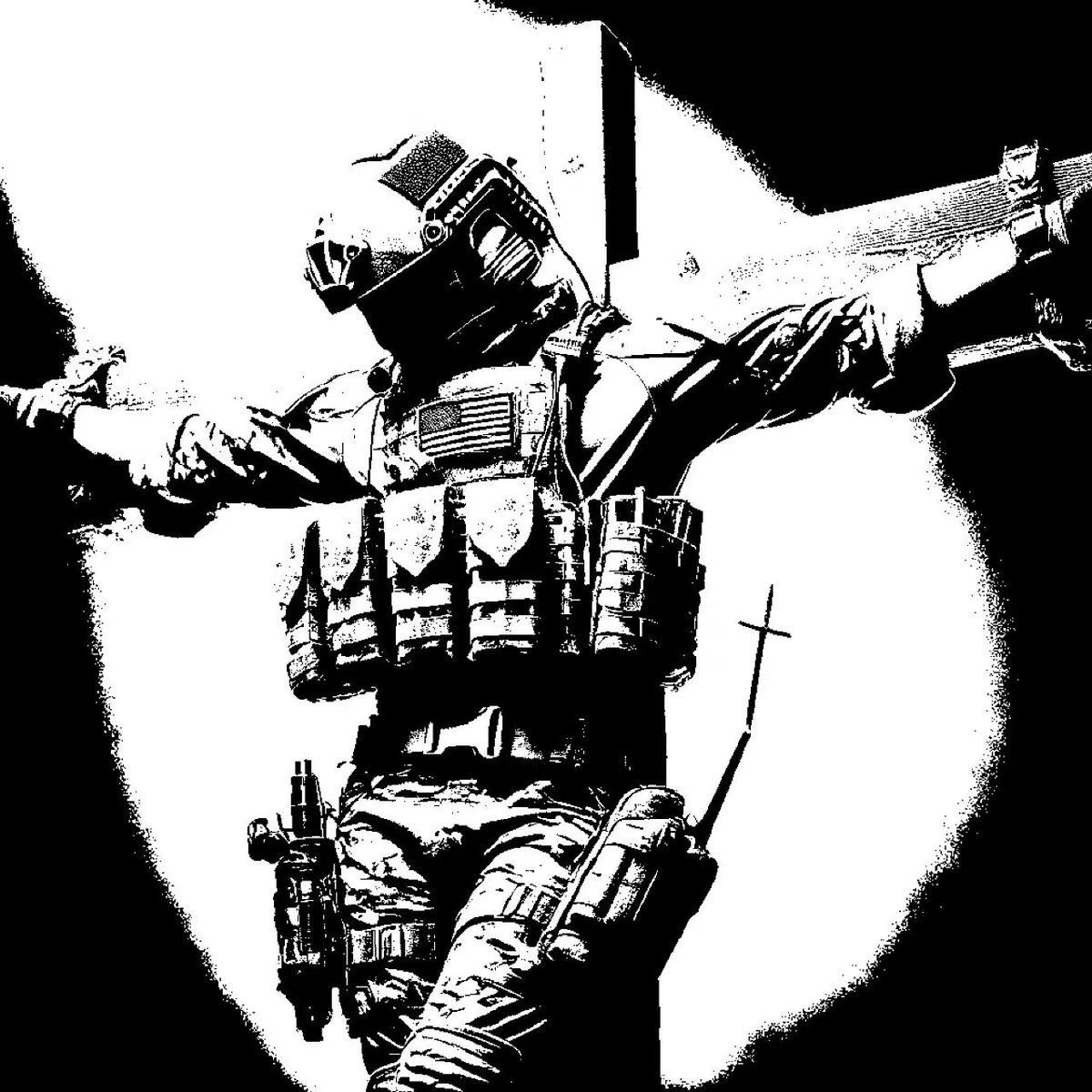
(And since some people asked, here is the MAIN and BRIEF explanation of my universe.
Let me say this upfront: I’m aware there are flaws and inconsistencies. I'm not a native English speaker, so you’ll probably notice some rough edges in the writing — and that’s okay.
This is a shortened and simplified version of the lore, meant for those who might not be familiar with military structure or diplomacy. I could easily add dozens of minor roles and overly complex systems, but that would only clutter the story and overwhelm your mind with unnecessary noise.
So, for now, this is the version you get.
A warning: the rebel (resistance) side is still under development, so please don’t take their current hierarchy or structure too seriously — it will be changed in the near future.
That said, I hope the core story and goals of the universe are clear to you. No, it’s not some groundbreaking revelation or genre-defining masterpiece — but it’s mine, and I created it, and that alone makes me happy.
So I hope you enjoy it too. I’m always open to hearing your ideas, but it’s unlikely I’ll include them — because this is MY universe, and these are MY ideas.
In any case... enjoy. :) )
In the year 7899, humanity has extended its dominion across more than 89 planets, forming a colossal galactic regime known as the Empire of the Judging Court. It is governed by the “Supreme Voice” — a consensus of generals, diplomats, and corporate overlords. In this rigid system, order, control, and the purity of the human species are exalted: freedom is often sacrificed in the name of “human salvation.” Although equality is officially proclaimed, genetically engineered half-humans and captured aliens are relegated to inferior roles — labor force and scientific material — with no real rights. The Empire’s ideology places ultimate value on protecting its citizens at all costs, justifying colonization and experimentation; any alternative perspective is labeled “chaos” and silenced immediately.
The Creed of the Empire
Order and Control — The universe must submit to iron law: the Supreme Voice decrees instant suppression of any uprising, considering it a necessary sacrifice for universal stability.
Human Supremacy — “Pure-blood” humans hold all privileges; alien races and hybrids have no rights as individuals, seen only through the lens of human perspective. In effect, they serve as a mirror for mankind — tools for self-reflection and control of imperial consciousness.
Biotechnology in the Name of the Species — The Empire views itself as guardian of the human race: colonization and selective experiments are conducted ruthlessly to preserve “human purity” for the future.
On the other side of the conflict stands the Resistance — the movement known as The Voice of Dawn. It unites humans, half-humans, and disillusioned aliens who hold freedom and harmony as the highest values. The rebels fight for equality among all forms of life and for the protection of nature, advocating for sustainable development and spiritual awakening. Their ideals stand in opposition to the Empire’s violence, asserting that progress does not justify tyranny: the rule of machines must give way to reverence for the diversity of worlds.
The Values of the Resistance
Freedom and Equality — Every individual and every race has the right to choose its own path. The Empire’s slavish hierarchy is seen as the greatest evil.
Ecological Harmony — Preservation of ecosystems and peaceful worlds outweighs short-term profits; technology must serve life, not dominate it.
Spiritual Awakening — Rebels see their struggle as part of a higher destiny: liberation comes through awakening conscience, mutual support, and unity with the universe.
Resistance Factions
Radicals — They believe that the war against tyranny demands harsh measures; they carry out daring actions and consider any sacrifice justified to bring down the regime.
Idealists — They seek nonviolent paths: organizing cultural and political alliances, believing in dialogue and the possibility of convincing the Empire to change.
Partisans — Masters of the shadows: specialists in covert warfare and sabotage, they strike at imperial infrastructure with surgical precision, aiming to exhaust the enemy without direct confrontation.
Both sides are convinced that they carry the “true truth.” The Empire proclaims that without strict authority, the galaxy will plunge into chaos, while the rebels argue that the loss of freedom condemns civilization to spiritual death. As B. Franklin once wrote, “Those who would give up essential Liberty, to purchase a little temporary Safety, deserve neither Liberty nor Safety.” These words highlight the dilemma of the year 7899: where is the boundary between order and freedom? Who is truly right — is far from clear. The truth perhaps lies somewhere in between, between the iron order of the Empire and the high ideals of the Rebels.
Structure of the Empire
The Empire strives for a harmonious blend of scientific progress and strict hierarchy. Its society is firmly divided into two estates — the Working Class and the Aristocracy. Each stratum fulfills a distinct role, ensuring the stability and efficiency of the entire system. The description below reveals the social and military structure of the Empire, along with its key governing institutions and influential figures.
Civil Division
Imperial society is divided into two layers with clear functions:
Working Class: Technically skilled citizens who do not engage in manual labor. They oversee automated production, repair industrial robots, and optimize the operation of factories. Workers are responsible for the smooth functioning of plants, conveyors, and scientific-technological complexes. Thanks to them, the machines never stop, and the economic pulse of the Empire beats evenly and methodically. Most workers live in technological zones, where factories and testing grounds are located.
Aristocracy: A narrow elite whose intellect and skills are directed toward managing and developing the Empire. Aristocrats lead industrial hubs, run major corporations, and manage research institutes. Their daily tasks include making complex technical and managerial decisions, developing new technologies, and coordinating strategic projects. The aristocracy includes chief engineers, scientists, financiers, and administrators. They have access to the Empire’s special resources and classified projects, granting them a strategic advantage.
Each estate is marked by its status, but both are inseparably connected: the workers provide the technical foundation, and the aristocrats guide and develop the Empire.
Military Structure
The Empire’s military hierarchy is simple and effective, based on clear ranks and units. Two primary ranks stand out:
Commanders
A Commander is a field officer who leads combat directly. His unit is a group of seven highly skilled soldiers capable of executing complex tactical operations. The Commander personally participates in missions, setting an example of courage and mastery. He is responsible for training his squad, assigning roles, and making rapid decisions during combat. Such small combat groups, led by experienced Commanders, can react instantly to changing circumstances and effectively suppress enemy attacks. Commanders undergo special training in Imperial military academies and are considered role models for young soldiers. Their service is a matter of duty and honor; a single mistake or wrong decision can cost the entire squad their lives. In real combat, the Commander bears the greatest risk and thus faces strict expectations and heightened responsibility.
Generals
A General is a top-level strategist commanding large troop formations. A general may oversee dozens or hundreds of soldiers organized into various unit types. Each general specializes in a specific branch of the military: some command artillery, others tank units or air forces, while some supervise reconnaissance, engineering, or space forces. Generals assign tasks to Commanders and issue orders on an operational scale, shaping the overall military strategy. They do not fight on the front lines but remain in command centers or orbital headquarters, monitoring battles through tactical holographic maps and surveillance systems. Major strategic decisions are made at the General Conclave — a gathering of the highest command in times of crisis.
Elite Units
The Empire maintains a special reserve for the most dangerous and critical missions: elite special forces units that typically consist of up to 21 individuals, divided into three groups of seven. This format allows them to perform several tasks across different directions while maintaining strict coordination.
Elite units carry out covert or high-stakes missions — from eliminating key enemy targets to rescuing hostages and conducting strategic sabotage. Their operations often involve collaboration between multiple generals, as they may intersect with various branches of the military — for example, a combined operation between artillery, armor, and reconnaissance forces.
Soldiers in elite units undergo the most rigorous selection and training. They specialize in diverse fields: sniping, assault, engineering, cyberwarfare, and more. These units are the pride of the Empire: the success of an elite mission can turn the tide of battle, while failure could mean a devastating loss of strategic advantage.
Inspectors
Imperial Inspectors hold a unique position in the military hierarchy: they rank above both generals and commanders in authority but lack direct command over the army. Their primary role is to ensure operational security and adherence to military protocols. Inspectors act as a military oversight body, ensuring that the Empire wages war efficiently, not cruelly for cruelty’s sake.
Key functions of the Inspectors include:
Operation Analysis: Inspectors verify the effectiveness and compliance of operations with Imperial law. They may recommend plan adjustments if they detect excessive force or strategic illogic.
Traitor Identification: Inspection agents investigate spies and violators within Imperial ranks. They are authorized to conduct inquiries even among high-ranking officers and impose disciplinary actions.
Protocol Enforcement: Strict "Protocols of Military Conduct" prohibit certain forms of brutality. For example:
A strict ban on genocide without General Conclave approval.
A ban on violence against women and children.
A ban on desecration of corpses (e.g., using bodies as trophies or “toys”).
If protocol violations are documented during a campaign, inspectors can recall troops, impose sanctions, or initiate hearings before the Council of Six. Legends say that some inspectors were once fearsome warriors themselves and are feared as much as the most powerful generals.
The Fifty Wardens
A special title is given to the Fifty Wardens — legendary warriors appointed to guard the Empire’s key planets and bastions. Each Warden is a heroic figure with a legacy of glorious deeds, having passed the Trials of Valor. They do not serve as standard commanders and are not part of the regular military hierarchy.
Instead, each Warden is entrusted with the defense of a critical world — be it an economic center, a strategic outpost, or a scientific colony. The ranking of Wardens from 50 to 1 denotes their power and experience. Warden #50 is a brave warrior still gaining experience, while Warden #1 is the greatest hero, usually tasked with protecting the Imperial capital. It is said that a single Warden #1 can turn the tide of an entire battle.
In peacetime, Wardens wear special uniforms bearing the crest of their world and train local militias to prepare civilians for planetary defense. As the Empire’s last shield, the Fifty Wardens swear to protect their worlds without question and report threats directly to the Council of Six, bypassing the normal chain of command. They are the final hope should the standard military forces fall.
The Council of Six
Supreme authority in the Empire lies with the Council of Six — six elected leaders, each overseeing a key domain of development. Council sessions are held in high-tech halls on the Empire’s central planet, and every major decision is carefully debated and ratified by these rulers.
Members of the Council of Six and their main roles:
General Dranverd — Supreme Commander of the Empire. He commands all army forces, gives critical orders to generals, and ensures the security of borders and planets. He controls the strategic reserves of weapons, missiles, and fortifications.
Seraphina — Diplomat and envoy for interspecies harmony. She forges alliances with other civilizations, negotiates trade agreements, and oversees the administration of alien colonies.
Janyero — Head of production and logistics. He manages the industrial capacity of the Empire: shipyards, factories, transportation networks, and resource distribution. Thanks to him, the Empire's economy runs smoothly and the armies are well supplied.
Edralindraniora — Scientific leader and chief bioengineer. he oversees research in medicine, genetics, and biotechnology. Under he command, new medicines are created, gene-engineered pilots are perfected, and defensive bioweapons are developed.
Vartino — Master of cyberspace. He is responsible for information security, social network management, and virtual environments where special forces train and communication with distant colonies is maintained. He commands the Empire’s quantum computers and digital infrastructure.
Lady Kaelina — the High Arbiter and Keeper of Imperial Law. She oversees the enforcement of internal order and moral codes, approves new legal initiatives, and settles disputes between aristocrats, corporations, and the military. Kaelina supervises the Inspectorate and holds the authority to impose sanctions even upon the highest-ranking officials.
The Resistance Movement “Voices of Dawn”
Introduction
In the year 7899, when the Empire shackled the world in cold iron laws, a movement rose up called the Voices of Dawn — a union of fighters for freedom and hope. This is not merely an army: it is a living constellation of stars reflecting in the eyes of the oppressed. Its ultimate goal is to return to humanity the power to shape a better future, to reclaim the light at the end of the long night of tyranny. In every colony, in every forgotten outpost, the resistance is inspired not by rigid doctrine, but by the belief that people can change for the better. It is built not upon the will of a single ruler, but on the self-organization of hearts, creativity, and the freedom of each member.
The Six Pillars of Dawn
At the heart of the legend of the Voices of Dawn stands not a single leader, but six inspiring figures, unofficially called the Pillars of Dawn. Each of them embodies a distinct symbol and ideal, preparing the world for the arrival of a new dawn. Below are the major figures and their core philosophies:
The Torch of Dawn — symbolizes unwavering hope. The image of a burning torch reminds all that even in the deepest darkness, the first rays of light always pierce through. This leader inspires the resistance to keep moving forward, teaching that every shadow fades with persistence.
The Wing of Dawn — represents freedom and swiftness. This Pillar commands a loose network of guerilla drones and repurposed strike ships. The Wing teaches that agility and flexibility triumph over heavy armor: their squads strike like the wind — fast, precise, and vanishing without a trace.
The Shadow of Dawn — embodies stealth and hidden resistance. Its symbol is a hooded figure with wings, disappearing before the enemy’s eyes. The Shadow conducts sabotage, whispers secrets of hidden passages, and trains operatives in the art of operating unseen. There is no army, only a vast invisible web of agents and informants.
The Song of Dawn — personifies unity through wisdom and inspiration. Often appearing as wandering singers, poets, and teachers, the Song spreads stories of liberation and hope. It reminds people that every voice in the resistance is a verse in the great hymn of freedom.
The Heart of Dawn — symbolizes compassion and unity. Its emblem is a pair of intertwined branches from different cultures. The Heart unites prisoners, refugees, and aging veterans, showing that shared values can overcome even the deepest divisions. It teaches that only through solidarity of all peoples can the iron will of the Empire be broken.
The Call of Dawn — a symbol of action and resolve. Associated with slogans, graffiti, and repurposed propaganda towers turned into beacons of truth, the Call galvanizes fighters into real steps — from uprisings to relaying critical intelligence. It reminds all that unity gives birth to great change.
Each of these six figures is a living symbol of the movement’s ideals — not issuing commands, but serving as beacons of inspiration and strategic wisdom. From the torch to the song, their images guide those who seek to reclaim humanity from the cold machinery of empire.
Military Structure and Methods
The army of the Voices of Dawn is far smaller than the Empire's, but it wins through adaptability and the spirit of the people. There are no massive standing divisions — instead, hundreds of loosely connected volunteer groups are formed based on trust and shared purpose. Each fighter decides for themselves whether to go to the front — and forms a combat cell with their companions. This decentralized structure ensures that the loss of one unit does not mean the collapse of the entire movement.
Volunteers — the backbone of the resistance. These are a diverse group of brave souls: miners and scientists, farmers and street artists, alien tribespeople, and even repurposed factory robots. They undergo no formal military training, but are driven by a sacred duty to defend freedom and aid the oppressed.
Saboteurs — small, elite guerrilla units capable of striking deep behind enemy lines. Their tasks include disrupting infrastructure, intercepting communications, and waging information warfare. Saboteurs use abandoned stations and asteroid belts as cover, hiding their movements from imperial surveillance.
Strike Teams — assault squads tasked with high-priority objectives. These include hostage rescues, critical facility takeovers, and sabotage of imperial supply lines. Though small in number, these teams are often composed of highly trained fighters capable of daring raids.
Mobile Defense Forces — fleets and fast-response squads that protect key bases and transport convoys. They can redeploy within hours to assist the front and form impromptu defenses wherever needed. Their modular ships, often cobbled together from scrap and wreckage, act as roaming bulwarks against imperial expansion.
In open battle, the Voices of Dawn rarely stand a chance in head-on confrontation: they choose the time and place of engagement, favoring stealth, traps, nighttime ambushes, and cunning positional warfare. Each engagement is a chess match, where creativity and resolve often outweigh firepower.
Their technology is unconventional: hacked drones, salvaged weapons, reprogrammed imperial hardware, and ancient tech fused with local inventions. Improvised upgrades and black-market components allow their outdated gear to rival imperial systems. Their technological improvisation is often just enough to shift the tide at a critical moment.
Magic, Spirit, and Ancient Races
The true strength of the Voices of Dawn lies not only in tactics — but in the metaphysical. Within their ranks, ancient knowledge and mystical practices, long dismissed by the Empire as superstition, are preserved and embraced. Their advantage lies in faith — in the arcane magic of the cosmos and the harmonious bond between all living things.
Ancient Races — allies or mentors who knew the secrets of the stars long before humankind. In the ruins of forgotten temples, the Pillars of Dawn uncovered remnants of these lost cultures. The fusion of this wisdom with rebel tech grants access to mysterious energies and extrasensory abilities the Empire cannot replicate.
Magic and Rituals — sacred knowledge passed down through generations. Around fires in the void, rebels draw symbols and perform protective rites during new moons. These spells and talismans help to heal wounds, repel hostile frequencies from enemy tech, and bolster morale in the bleakest of times. What the Empire calls fantasy becomes a tool of resistance.
Balance and Belief — the movement’s underlying philosophy. The Voices believe that only harmony between reason and intuition can overcome tyranny. They study the traditions of alien civilizations and view themselves as the stewards of an ancient cosmic order. Their belief in the interconnectedness of all things becomes a philosophical weapon against the Empire’s mechanical dominance.
Together, these mystical teachings and beliefs form the spiritual armor of the resistance. Each fighter carries this inner strength into battle, drawing courage not from orders, but from a sense of cosmic purpose. Magic, spirit, and ancient knowledge form the unshakable soul of the Voices of Dawn — an unseen force that cannot be conquered by metal or logic.
Created Jun 1, 2025
Updated Jun 1, 2025
Published Jun 1, 2025