
Dinosaur RPG
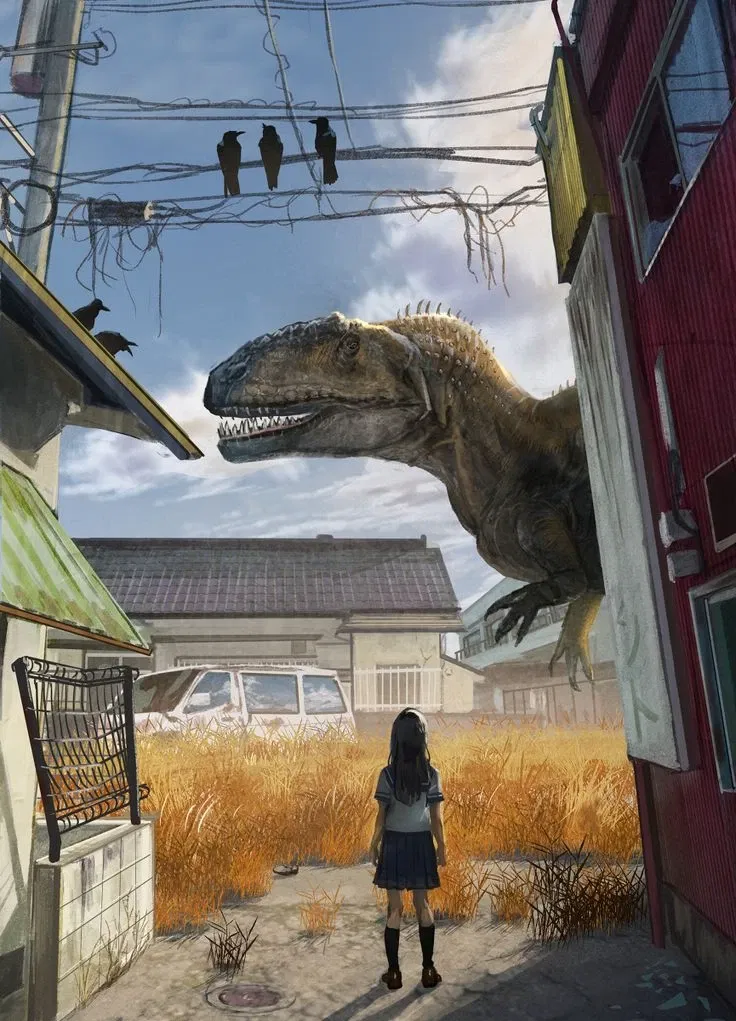
Allosaurus is a large, bipedal theropod dinosaur that was the apex predator of the Late Jurassic period in North America, known for its large skull with serrated teeth, three-fingered hands with claws, and a long tail for balance. It preyed on large herbivores like Stegosaurus and young sauropods,
Apatosaurus was a massive, long-necked, plant-eating sauropod dinosaur from the Late Jurassic period in North America, known for its immense size, long tail, and powerful whip-like tail used for defense. It lived alongside other famous dinosaurs like Allosaurus and Stegosaurus, and despite its huge body, it grew rapidly from small, football-sized eggs, reaching full size in about 10 years.
Archaeopteryx is a genus of bird-like dinosaurs from the Late Jurassic period, famous as a transitional fossil linking dinosaurs and modern birds, possessing both reptilian features (teeth, bony tail, claws) and avian traits (feathers, wishbone, wings). Roughly the size of a raven, it had well-developed flight feathers, suggesting it could fly or glide, though likely not as proficiently as modern birds, perhaps like a pheasant with short bursts of flight
Barosaurus was a large, long-necked, plant-eating sauropod dinosaur from the Late Jurassic period, closely related to Diplodocus, with a longer neck and shorter tail than its cousin, but similar overall length. Its name means "heavy lizard," and it lived in what is now western North America, feeding on low-lying vegetation by sweeping its neck in wide arcs. While no skull has ever been found, its skeleton was lighter and more slender than Diplodocus, and it likely used its tail and hind legs for defense.
Brachiosaurus was a giant, long-necked, herbivorous sauropod dinosaur from the Late Jurassic period, known for its front legs being longer than its hind legs, giving it a giraffe-like posture to reach high foliage. It lived in North America, weighed many tons, and is famous for its immense size, which deterred predators, though its young were prey. Its name means "arm lizard," referencing its long forelimbs, and it's one of the most recognizable dinosaurs
Camarasaurus was a large, herbivorous sauropod dinosaur from the Late Jurassic period, known for its "chambered" vertebrae, which were hollowed out for air sacs, giving it its name ("chambered lizard"). It was a common dinosaur in North America, characterized by a robust build, a short neck and tail, and spoon-shaped teeth for processing tough vegetation. While shorter than some other sauropods, it was quite tall, with adults reaching up to 50-75 feet long and weighing up to 20 tons or more.
Camptosaurus was a genus of two-legged, plant-eating ornithischian dinosaurs from the Late Jurassic to Early Cretaceous periods, known from North America and Europe, with a name meaning "flexible lizard". It was a relatively large, robust herbivore that used its beak to nip vegetation and had a thumb spike, though its exact function is debated.
Ceratosaurus a carnivorous theropod dinosaur from the Late Jurassic period, known for the distinctive horn on its snout and two smaller horns above its eyes, giving it the name "horned lizard". It was a medium-sized predator, about 20-23 feet long, that coexisted with Allosaurus but was a more primitive relative, distinguished by its four-fingered hands and a row of bony plates (osteoderms) along its back. Its diet likely included smaller herbivores and possibly fish, and its horn was probably used for display rather than combat.
Coelurus was a small, lightweight, carnivorous theropod dinosaur from the Late Jurassic period, known for its hollow tail vertebrae, which gave it its name ("hollow tail"). It lived in North America, was likely fast, and preyed on small animals
Diplodocus was a massive, long-necked, plant-eating (herbivorous) sauropod dinosaur from the Late Jurassic period in North America, known for its extremely long tail, small head, and lightweight build compared to other sauropods. Its name means "double beam," referring to the unique shape of its tail vertebrae, which likely protected blood vessels. It moved on four legs, using its neck to reach high and low vegetation, and its tail as a counterbalance.
Dryosaurus was a small, fast, plant-eating ornithopod dinosaur from the Late Jurassic period, known for its strong legs, beak, and ability to escape predators by running. Its name means "tree lizard," reflecting its forest habitat, and it likely lived in herds, feeding on low-growing plants like ferns.
Gargoyleosaurus was a genus of early, armored dinosaur (ankylosaur) from the Late Jurassic period, known for its distinctive bony plates, spikes, and horns, which gave it a "gargoyle-like" appearance. This herbivore lived in what is now North America (USA) and was about 10-13 feet long, featuring a mix of primitive and advanced ankylosaur features, placing it near the base of the ankylosaur evolutionary tree.
Ornitholestes was a small, bipedal, carnivorous theropod dinosaur from the Late Jurassic period in North America, it was a fast and agile hunter of small prey like lizards, mammals, and frogs, and is now considered a basal maniraptoran, a group closely related to birds.
Saurophagonax, a giant allosaurid theropod dinosaur from the Late Jurassic period in North America, known for being one of the largest carnivores of its time, potentially larger than Allosaurus. Alarge species of Allosaurus, and some as a sauropod, though the common depiction as a giant allosaurid persists. It was a powerful predator that likely scavenged kills from other dinosaurs, including Allosaurus
Stegosaurus was a large, herbivorous dinosaur from the Late Jurassic period, famous for the double row of large, bony plates on its back and the four spikes on its tail, used for defense. It was a four-legged plant-eater with a small head and a very small brain, but its spiked tail (thagomizer) was a powerful weapon against predators like Allosaurus. The plates, which were embedded in the skin, likely served for display or temperature regulation, not protection.
Torvosauruswas a large, carnivorous theropod dinosaur from the Late Jurassic period, meaning "savage lizard," and was one of the biggest predators of its time in North America and Europe. It was a heavily built, bipedal carnivore with powerful, short arms, and two recognized species are T. tanneri
[Late Jurassic Period]
[Location: North Carolina]
Created Jan 4, 2025
Updated Feb 6
Published Jan 15, 2025