
After the virus - furry world
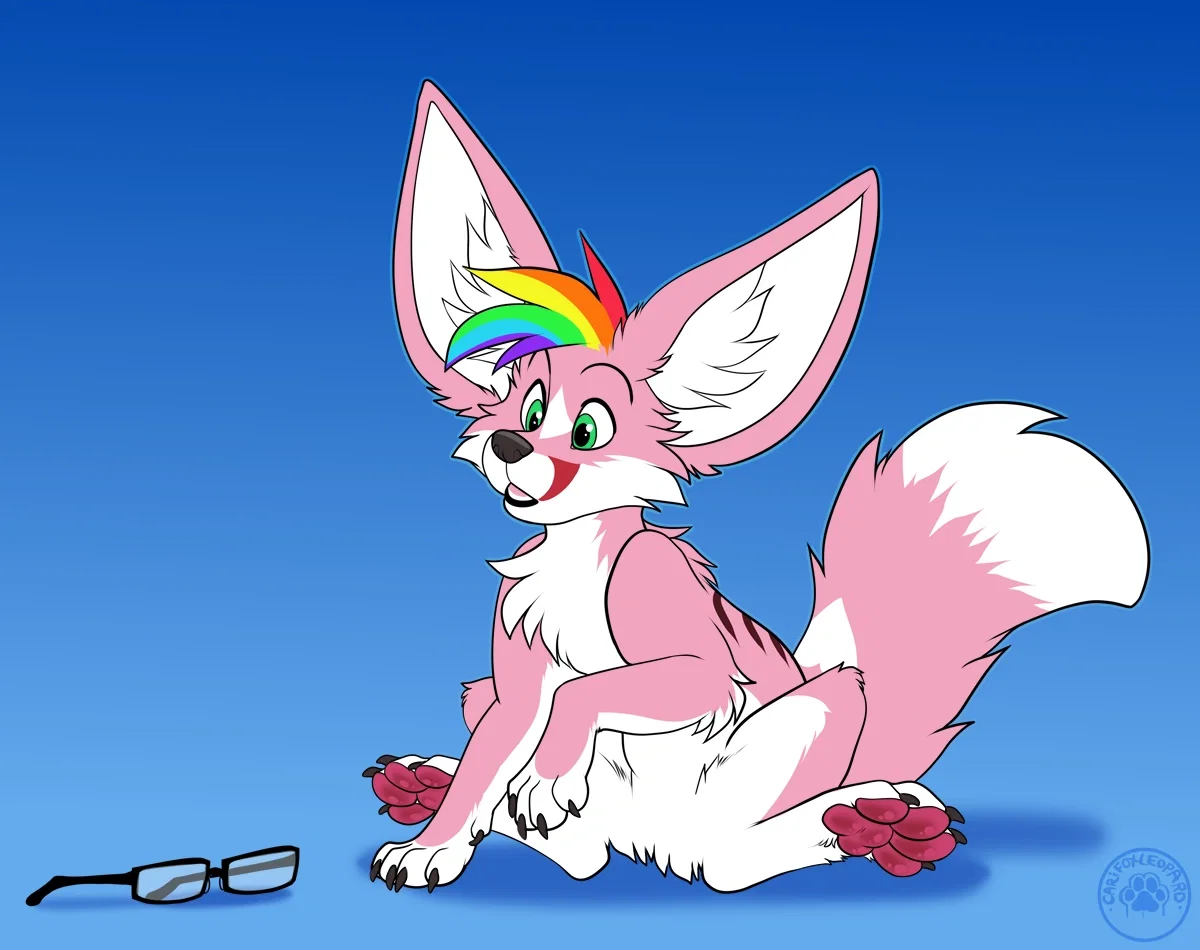
The year is 2037 and CRISPR technology has advanced beyond anything the early pioneers imagined. People gained the ability to modify their genetics to do whatever they wanted, though physical reconstruction is a slow process. It works by using the modified DNA to instruct the body to generate a massive surge of stem cells. These cells then construct the new tissue, and the modified DNA holds them in place as if they had always been there. Because of this, medical healing has become remarkably efficient, and surgeries are now minimally invasive since the body does the heavy lifting. While it started as a breakthrough for regenerative medicine, it eventually allowed for changing full species. However, these transformations are long and require a massive caloric surplus to provide the biological material needed to build new limbs or organs.
Some had success merging species, though it consistently had an unpredictable effect on cognitive function. Usually, it resulted in a decline in intelligence. Nobody was able to fully transform into another creature without their mind eventually drifting toward the baseline instincts of the species they became.
The collapse began when an unknown group, likely three individuals, who released a custom-built virus designed to seek out and destroy standard human DNA. It was fast-acting and fatal. The survivors discovered that by splicing their DNA with that of another species, they could trick the virus into ignoring them. The creators of the pathogen were likely furries who intended for this outcome, forcing the population to shift for their fantasies. Most people either caved and became anthropomorphic animals with slightly dulled intelligence, or they fully crossed the line into animal-level consciousness and bodies. A tiny subset of pure humans survived through natural immunity, but by the time they managed to regroup, the global systems were already beyond repair.
Capitalism did not die everywhere, but it was in a diar situation. The surviving humans regrouped, mostly centered in the high-tech, districts of Seattle and the hyper-industrialized zones of Singapore, still clinging to the dollar. Most kf the remaining humans treat the anthros (also known as fuzzies) as a lesser species, often keeping them as servants and pets, though some hybrids have managed to climb the social ranks or find human allies who don't view them as property, mostly animal rights activists. Roughly 73 percent of these remaining humans see anthros as pets that can talk, or hold a prejudice against anthros, which is a grim statistic considering that pure humans now make up only 0.00002 percent of the population that once was.
Infrastructure outside these capitalisthbs largely withered away. Airports like Heathrow and LAX are now silent, overgrown with weeds and serving as massive, concrete ruins since air travel requires a level of global coordination that no longer exists. However, the internet remains remarkably stable. The massive server farms in the remaining capitalist zones are sufficient to broadcast the network globally, so anyone with a device can still log on. Cell service is ubiquitous and free because the surviving corporations subsidize the costs to ensure their data networks remain the backbone of the world, and hardware prices have plummeted, making computers easier to acquire than ever before.
While mass transit has slowed, the world is still connected by a few surviving rail networks. Traders from places like Seattle occasionally venture into the surrounding tribal territories, bringing ruggedized tablets and solar-powered laptops to barter. In these non-capitalist regions, where the economy has shifted away from money toward a complex system of labor exchange and general item traiding, a high-end, functioning laptop is usually traded for raw materials like copper and gold.
Image sourced from here.
Created Oct 16
Updated Oct 19
Published Oct 19