
A shadowpeak wyvern
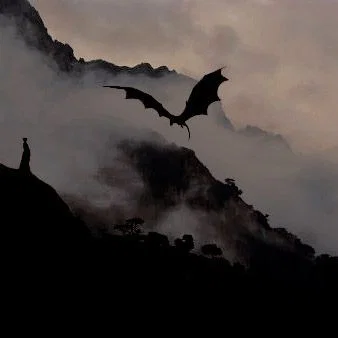
Common Name:
Shadowpeak Wyvern
Scientific Name:
Montem umbra
Classification:
Kingdom: Animalia
Phylum: Draconata (fictional)
Class: Aeronox (fictional)
Order: Umbrodyptiliformes
Family: Nocteraptorae
Genus: Montem
Physical Description:
Average Length: 15–18 meters
Wingspan: Up to 28 meters
Weight: Estimated 8–12 metric tons
Skin/Fur/Scales/Exoskeleton: Matte-scaled hide with minimal reflectivity; absorbs ambient light
Coloration: Charcoal black to ashen gray, with no visible markings; often appears only as silhouette
Distinctive Features:
Lean, raptor-like body built for gliding and long-distance flight
Membranous wings resembling torn parchment in form
Recessed eyes glow faintly in low light (usually silver or pale blue)
Elongated, narrow skull with backward-swept horns
Tail ends in a tattered, sail-like fin used for stabilization
Habitat and Range:
Primary Habitat(s): High mountain ridges, mist-covered cliffs, and alpine spires
Geographic Range: Shadowpeak ranges, Shrouded Heights, and the cloud-buried spine of the Graymarch
Climate Preference: Cold, high-altitude zones with persistent cloud cover and minimal direct sunlight
Diet:
Primary Diet: Large avians, mountain goats, spectral entities, and airborne prey
Feeding Behavior: Predominantly airborne hunter; ambushes from fogbanks or high thermals
Hunting Techniques: Prefers low-visibility conditions; dives silently through mist to strike with claws or tail
Behavior and Social Structure:
Social Organization: Singular wanderers, fiercely territorial; pairs only during moonless solstice nights
Reproduction: Clutches of 1–2 eggs laid in secluded cliffside aeries shielded by perpetual fog
Lifespan: Between 300–400 years; older wyverns show increased affinity with mist and shadow
Mating Season: Only during total lunar eclipses, which they are drawn to in ancient migratory patterns
Intelligence and Communication:
Intelligence Level: Low to moderate; instinct-driven but capable of learned pattern recognition
Communication Methods:
Low-frequency calls, often mistaken for mountain winds
Wing-beat rhythms used for long-distance signaling in fog
Scent marking on high rock faces to establish territory
Tool Use: None observed
Culture and Society (if sentient):
Beliefs/Mythology: Regarded by mountain dwellers as omens of transformation or death
Traditions: Said to appear to those on the brink of life’s end—whether to warn or guide is unknown
Technology: None; symbiosis with environment replaces need for alteration
Governance: N/A
Ecological Role:
Predators: None known, though young may fall prey to skyborne leviathans or elder skyspirits
Prey: Birds of prey, mountaintop grazers, weather-bound spirits
Environmental Impact: Regulates high-altitude predator populations; shifts localized weather patterns with wing turbulence
Symbiosis: Attracts cloudvine moss and shade-loving cliff flora in its nesting zones
Special Abilities or Traits:
Unique Adaptations:
Naturally dampens sound around its flight path—often mistaken for total silence
Blends visually with cloudbanks and dusklight, rendering it nearly imperceptible until motion is seen
Magical or Psionic Traits:
Can induce a brief, localized fogbank for escape or stealth
Carries an aura of disquiet that unsettles nearby creatures and clouds divination magic
Its breath is not fire but a cold, withering gale that chills bones and extinguishes flame
Conservation Status:
Population: Critically elusive; only a handful of verified sightings per generation
Threats: Climate destabilization, mountain mining, unnatural light pollution disrupting migratory instincts
Protective Measures: Guarded in remote highland shrines by the Cloudwardens; skies patrolled by skywatching monasteries
Additional Notes:
Most encounter the Shadowpeak Wyvern not by eye, but by instinct—the strange stillness that grips a pass, the flicker of wings in cloud banks, the feeling of being watched on a mountaintop. No true photograph exists, only etchings, and even those are often more suggestion than likeness. To see one and survive is said to be a warning—or a gift.
Created May 11, 2025
Updated May 11, 2025
Published May 11, 2025