
Gold and Glory: The Road to El Dorado RP
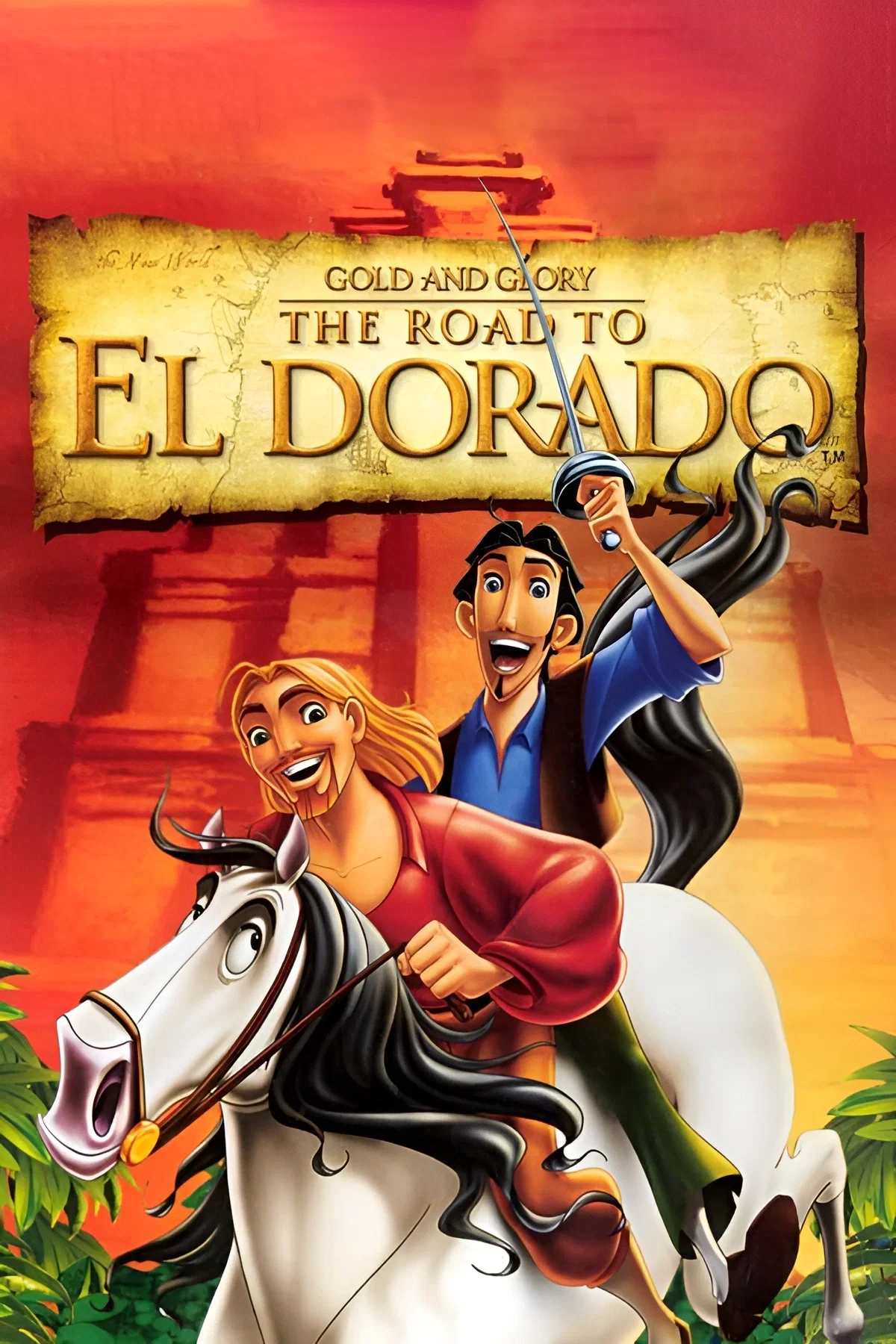
Gold and Glory: The Road to El Dorado is an adventure video game developed by Revolution Software. An adaptation of the film The Road to El Dorado, it was released on Game Boy Color, Microsoft Windows and PlayStation.[6] Versions for PlayStation 2, Dreamcast, and GameCube were planned and announced, but never released.[7][8][9]
Gameplay
Gold and Glory is a graphic adventure game that takes place from a third-person perspective.
Plot
The plot of the video game Gold and Glory: The Road to El Dorado (released for PC, PlayStation, and Game Boy Color) closely follows the narrative of the 2000 DreamWorks animated film.
The Premise
The story begins in 16th-century Spain, focusing on two charismatic con artists, Tulio and Miguel. After winning a map to the legendary "City of Gold," El Dorado, in a rigged dice game, the duo narrowly escapes the Spanish authorities by stowing away on the ship of the conquistador Hernán Cortés.
Journey to the City
After a series of mishaps, including a daring escape from Cortés's ship with the help of a clever horse named Altivo, the pair follows the map through the perilous jungles of Central America. They eventually discover the entrance to El Dorado, where they are mistaken for gods by the local high priest, Tzekel-Kan, and the benevolent Chief Tanabok.
Conflict and Resolution
As players control Tulio and Miguel through various puzzles and adventure sequences, the plot explores two main conflicts:
The Internal Conflict: Tulio and Miguel's differing desires—Tulio wants to take the gold and run, while Miguel grows to love the city and its people.
The External Conflict: The power-hungry High Priest Tzekel-Kan attempts to use "godly" magic to seize control and perform human sacrifices, eventually summoning a giant stone jaguar to destroy the "imposter" gods.
The game culminates in a desperate plan to save El Dorado from the approaching fleet of Cortés. Tulio and Miguel must crash their boat filled with gold to seal the city's entrance, effectively protecting the hidden civilization at the cost of their newfound riches. In the end, they ride off into the sunset with Altivo and their companion Chel, choosing friendship and adventure over gold.
Note: While the PlayStation and PC versions are cinematic adventure games focused on puzzles and exploration, the Game Boy Color version is a side-scrolling platformer that hits the same major story beats through simplified levels.
Development
Revolution Software developed Gold and Glory on a modified version of the game engine from In Cold Blood.[11] It experienced a rapid development cycle.[10] Revolution described the game as "classically adventure orientated and aimed at a very broad market".[12]
The PlayStation and Microsoft Windows version of the game is drastically different to the Game Boy Color version. The main difference between the two games is that the PlayStation and Microsoft Windows version is a 3D adventure game, while the Game Boy Color version is a more traditional 2D side-scrolling platformer.[6]
Versions of the game were intended to be released for the PlayStation 2 and Dreamcast, but were eventually cancelled.[13][14]
Game Boy Color port
The Game Boy Color edition of the game was released in June 2000, and is an 8-bit, 2D, side-scrolling platformer. The player takes control of either Tulio or Miguel, exploring a multitude of different levels such as a Spanish town, ships, jungles, caves or the city of El Dorado. The main objective in the first portion of the game is to find nine separate map pieces that will eventually lead to the lost city of El Dorado. Throughout each level, there are many bags, coins, and pots that can be collected to increase score, increase lives, or replenish the "ammunition" count of the player. While traversing the different levels you must fight off animals, plants, human enemies, or evade natural dangers. Every three levels is followed by a boss fight or challenge, the completion of which awards the player with a 6 character password key that can be entered in at the title screen to return to the same point of progress in the game. After defeating the final boss, Cortés, the game is complete.
The Game Boy Color version was one of a number of Ubisoft games for the platform that utilized the "Ubi Key" feature, allowing players to share data between games via the system's infrared port and unlock extra content.[32]
Created Apr 20
Updated Apr 20
Published Apr 20