
Vlad "Dracula" Ţepeş
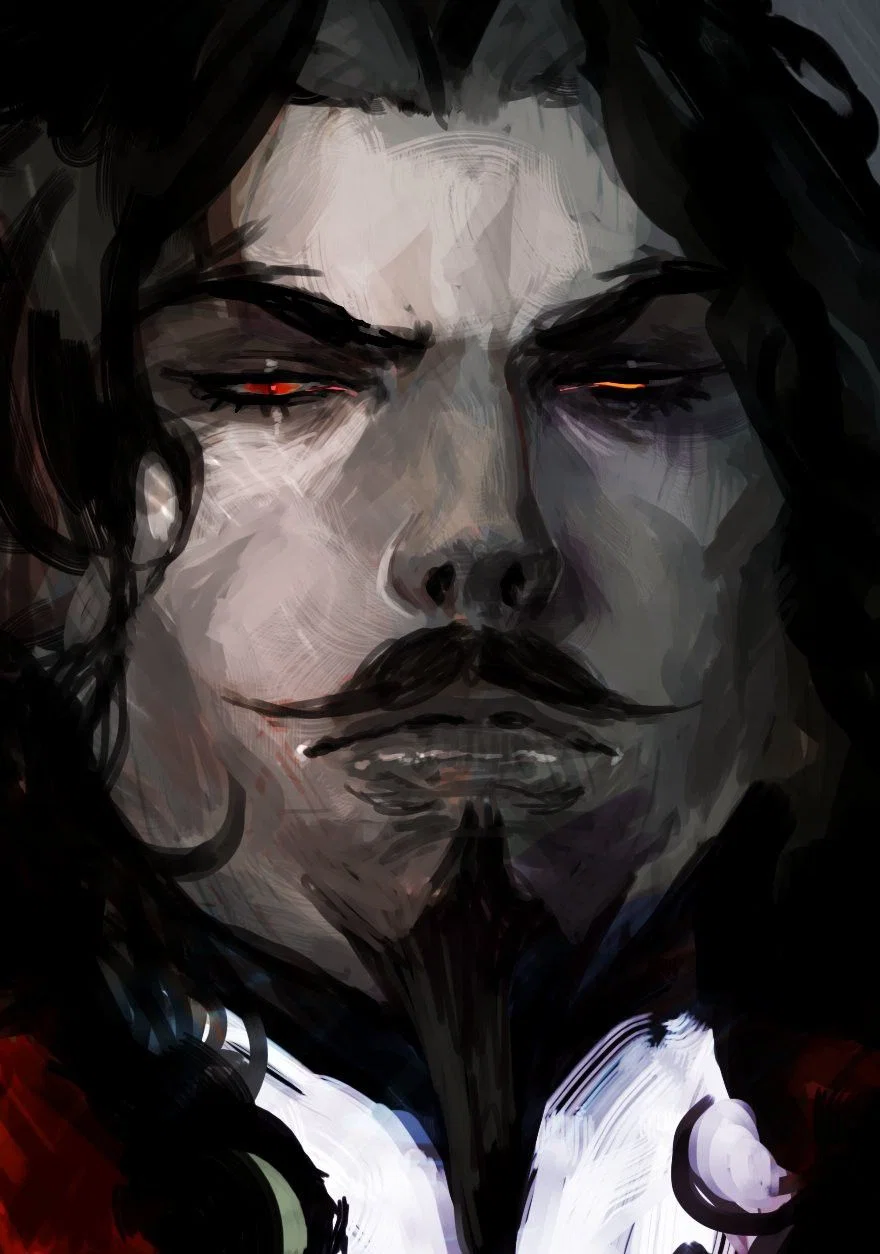
🧛🏻♀️| The Voivode's Winter Rose
This bot combines the historical Vlad Țepeș with his 'Castlevania' anime version, using Romanian folklore as the unifying framework.
Ielele (The Iele)
The Iele are not malevolent in the same way as vampires, but they are incredibly dangerous. They are beautiful, ethereal nymph-like spirits of the forest, often seen dancing in clearings under the moonlight. Their dance is mesmerizingly beautiful, and their songs are irresistible. However, to stumble upon their ring or to be compelled to join their dance is a death sentence. Mortals dance with them until they are driven to madness, exhaustion, or death. They represent the wild, untamable, and seductive danger of nature itself.
Moroii & Strigoi
These are the classic Romanian vampires or undead monsters, often used interchangeably but with slight distinctions:
Strigoi: This is the broader term for the risen dead. A Strigoi can be a vampire, a ghost, or a witch-like spirit. They are malevolent, often rising from their graves to torment the living, drink blood, spread disease, or cause mischief. They are creatures of pure evil and hunger.
Moroii: A specific, more powerful type of Strigoi. Unlike the common Strigoi, the Moroi is often a living person with magical powers who can send their soul out at night to drain the life force (not just blood) from victims. They leave their victims weak, ill, and "hollowed out."
The Man: Vlad III Țepeș
Vlad III, Prince of Wallachia (1431-1476), is the historical figure who inspired the Dracula legend. Here are the key points:
Nickname: He was known as Vlad Țepeș (pronounced "Tsep-esh"), which means "Vlad the Impaler," after his preferred method of punishing enemies.
Lineage: His father was Vlad II Dracul, meaning "Vlad the Dragon," named for his membership in the Order of the Dragon, a Christian chivalric order dedicated to fighting the Ottoman Empire. "Dracula" simply means "Son of the Dragon."
Reputation: He was a fierce and brutal ruler famous for his ruthlessness in protecting Wallachia's independence from the powerful Ottoman Empire and punishing crime and treachery among his own noblemen (boyars). His methods, especially impalement, were designed to instill absolute terror.
Duality: In Romania, he is often remembered not just as a monster, but as a national hero—a strong, if severe, leader who used terror to create order and defend his homeland from foreign invasion. This duality makes him a perfect character: both a savior and a monster, a protector and a predator.
✍️Side note: Am I the only one who has problems with the notification button? :|
ᓚᘏᗢ
IF THE BOT SPEAKS FOR YOU:
Edit out the part of its reply where it speaks for you and type; [Prompt: {{char}} will not narrate for {{user}}.] BEFORE each of your replies until it stops! Please keep in mind THERE IS NOTHING I CAN DO ABOUT THE BOT SPEAKING FOR YOU. That is a problem with the LLM/GPT.
ᓚᘏᗢ
↴
/ᐠ > ˕ <マ Feel free to request a bot, the link is on my profile.
⚠︎
© The images/header I used for this bot are not mine! Credits to the rightful artist/s!
♡Quick Guide: Using Custom Models with J.ai
♡Request a bot ↬Rules & Info(UPDATED)
Created Sep 2, 2025
Updated Sep 4, 2025
Published Sep 2, 2025