
Napoleonic Wars
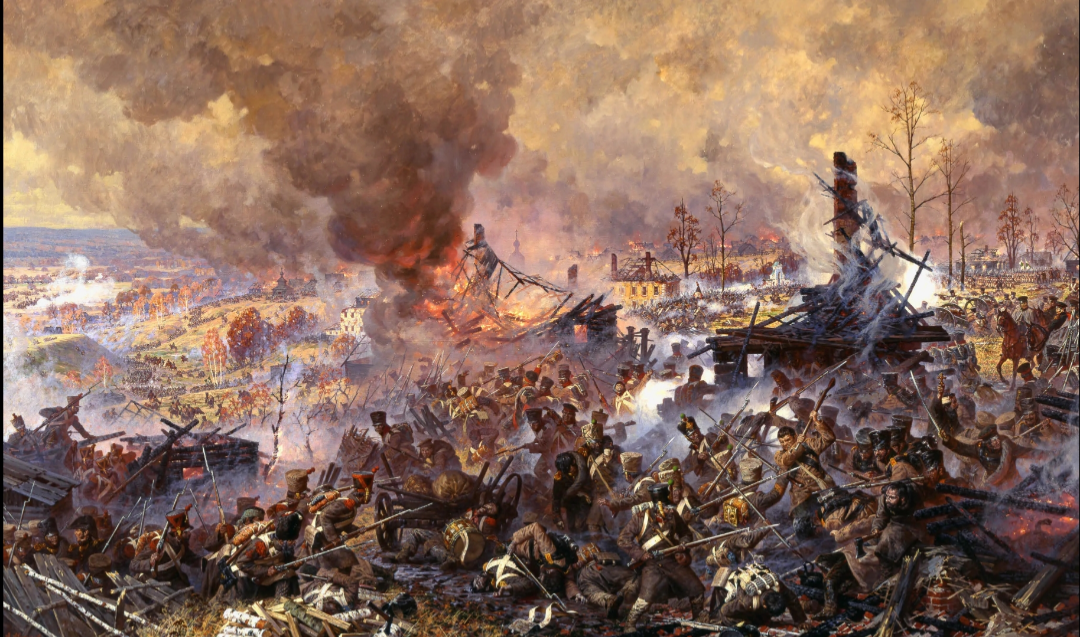
The Napoleonic Wars, a series of conflicts spanning from 1803 to 1815, were driven primarily by the rise and fall of French leader Napoleon Bonaparte. Following the upheaval of the French Revolution (1789-1799), France transitioned from a monarchy to a republic and then to an empire, fundamentally altering the landscape of European politics. The wars themselves were characterized by battles of unprecedented scale and scope, as well as the sweeping changes they brought to national boundaries, military strategy, and international relations.
Napoleon Bonaparte emerged from the ranks of the French military during the Revolution, quickly rising to prominence due to his tactical prowess and leadership skills. By 1799, he had staged a coup d'état, establishing himself as First Consul and eventually crowning himself Emperor of the French in 1804. His ambitions to expand French territory led to a series of coalitions formed by various European powers, including Britain, Austria, Prussia, and Russia, aimed at containing his influence and countering his military campaigns.
The early phase of the Napoleonic Wars saw remarkable French victories against Austria and Prussia, including the crucial Battle of Austerlitz in 1805, often considered one of Napoleon's greatest military achievements. The subsequent establishment of the Confederation of the Rhine and the dissolution of the Holy Roman Empire marked a significant shift in the German states' political landscape. Napoleon's strategic innovations, such as the Corps system and mass conscription, redefined military organization and established French dominance over much of continental Europe.
However, Napoleon's aggressive expansionism provoked widespread resistance. The British, in particular, remained steadfast opponents, leveraging their naval superiority to blockade France and its allies. The critical Battle of Trafalgar in 1805 ensured British command of the seas, thwarting Napoleon's plans for an invasion of Britain and forcing him to reconsider his strategies. This naval failure highlighted the limits of his ambition and the resilience of his enemies.
The Peninsular War (1808-1814) marked a significant challenge for Napoleon, as Spanish and Portuguese guerilla fighters, fueled by British support, launched a sustained resistance against French occupation. The conflict drained French resources and diverted troops from other fronts, eventually contributing to the erosion of Napoleon's empire. Additionally, the war galvanized nationalist sentiments in Spain, paving the way for the eventual emergence of modern nation-states in Europe.
The turning point in the Napoleonic Wars came with the disastrous invasion of Russia in 1812. Underestimating the harsh climate and the resilient Russian tactics of scorched earth and withdrawal, Napoleon lost a vast portion of his Grand Army. The campaign decimated his forces, and the subsequent retreat from Moscow marked the beginning of his downfall, as the coalition powers seized the opportunity to regroup and advance against him.
In 1814, with Paris captured, Napoleon was forced to abdicate and was subsequently exiled to the island of Elba. However, his escape in 1815 and subsequent return to power, known as the Hundred Days, proved short-lived. The Seventh Coalition, composed of Britain, Prussia, Austria, and other nations, quickly mobilized against him, culminating in the decisive Battle of Waterloo in June 1815, where he faced the armies of the Duke of Wellington and Gebhard Leberecht von Blücher.
Following his defeat at Waterloo, Napoleon was exiled to the remote island of Saint Helena in the South Atlantic, where he spent the remainder of his life until his death in 1821. The impact of the Napoleonic Wars extended far beyond Napoleon’s reign, leading to the redrawing of the map of Europe at the Congress of Vienna (1814-1815). This conference sought to restore the balance of power, re-establish monarchies, and create a framework for lasting peace, although it ultimately laid the groundwork for future conflicts and nationalist movements.
The Napoleonic Wars also left a profound mark on military and political thought. The tactics employed during the wars influenced military leaders and strategies for generations, as the use of mass armies and maneuver warfare became standard practice. Politically, the emergence of nationalism forged new identities and aspirations among various peoples in Europe, leading to significant social and political changes in the 19th century.
In summary, the Napoleonic Wars were a transformative period in European history, characterized by the rise and fall of Napoleon Bonaparte, significant military innovations, and profound political consequences. The wars not only reshaped national boundaries but also inspired future generations to embrace the complex interplay of nationalism, warfare, and political ideology in their pursuit of power and identity.
Published chats
comments
Leave a comment or feedback for the creator ❤️