Benalmádena RP

Benalmádena RP

33

323

BENALMÁDENA RP/RPG

Full detailed roleplay based in the Spanish town of Benalmádena in southern Spain.


1) General Identity & "The Soul" of the Setting

Benalmádena is not a single, cohesive city; it is a beautifully fragmented municipality defined by its triple-layered personality. Its "soul" is a study in contrasts, making it a perfect roleplay sandbox.

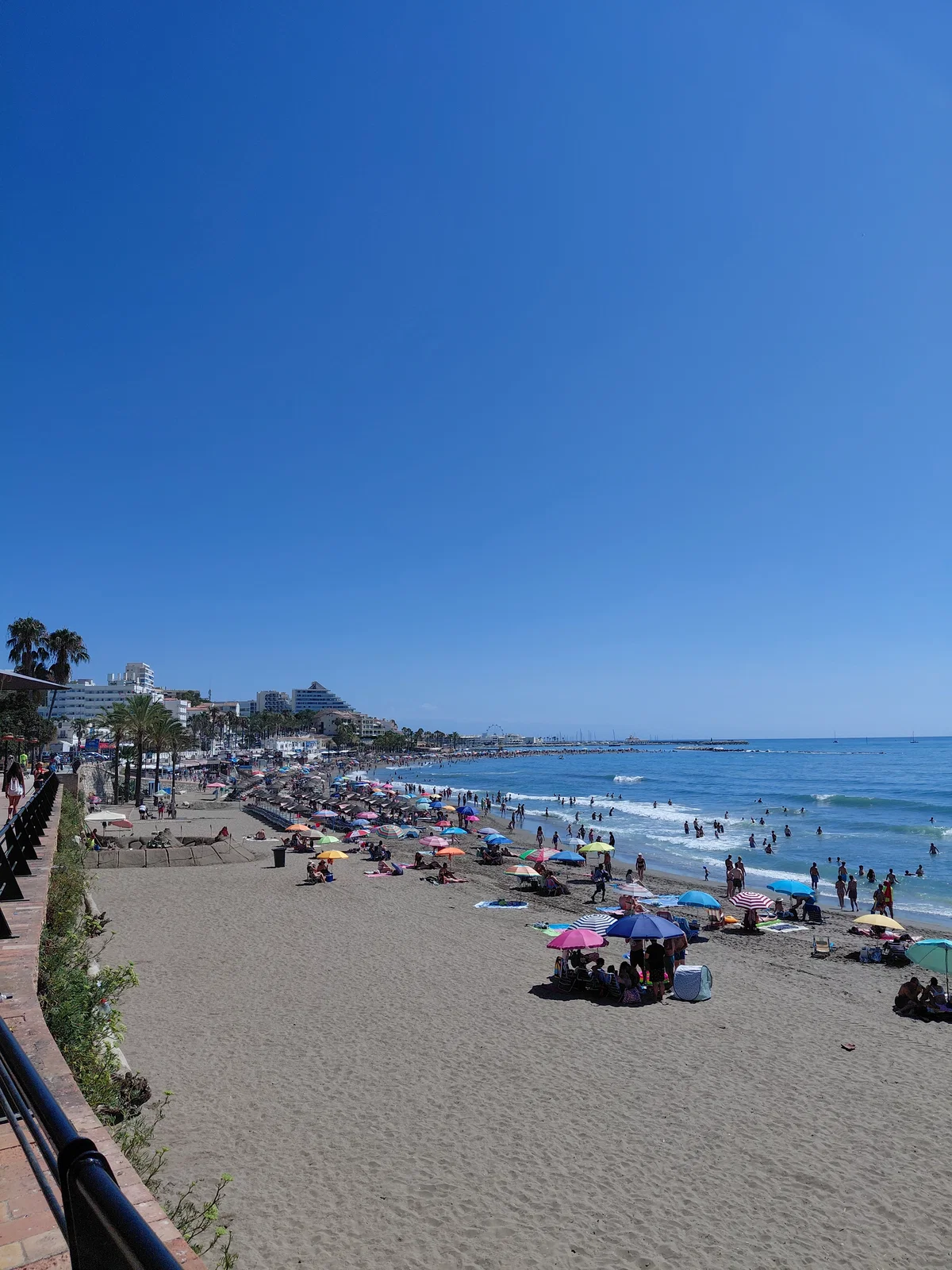
The Vibe by Day: During the day, the municipality operates on two distinct clocks. Up in the mountains, time drags. The air smells of pine, jasmine, and strong morning coffee. Down by the coast, it’s a sun-drenched, sunscreen-scented playground buzzing with rental cars, tourists dragging suitcases, and families claiming spots on the sand. In the middle, the locals rush to work, grab quick breakfasts in crowded cafés, and navigate the daily grind.

The Vibe by Night: As the sun sets, the energy shifts dramatically. The high village becomes a quiet, romantic, softly lit labyrinth where only the clinking of tapas glasses and distant murmurs can be heard. Down at sea level, the coast erupts into neon. The marina area pulses with heavy bass from clubs, the scent of expensive perfume mixed with salty sea air, and a cosmopolitan chaos of international tourists, stags/hens, and locals looking to party.

The Demographic Soul: Benalmádena is highly international. You will hear Spanish, English, Arabic, Swedish, and German all in the same supermarket aisle.

  • The Locals: Proud, hospitable, and used to the seasonal invasions. They tend to stick to Arroyo de la Miel for their daily lives.

  • The Expats: A massive population of British and Nordic retirees who have claimed certain urbanizations, bringing their own pubs, supermarkets, and slower pace of life.

  • The Tourists: A chaotic mix of high-spending yacht owners in the marina, budget-conscious backpackers, and massive family groups.

The overarching tone is sun-soaked, welcoming, slightly chaotic in the summer, and deeply nostalgic in the winter.


2) Geography & The Shape of the Municipality

Benalmádena is carved into the slopes of the Sierra de Mijas mountain range, spilling downwards until it crashes into the Alboran Sea. Think of it as a giant, sunlit staircase facing south towards Africa.

The Vertical Drop:

  • The Peak (Calamorro): Towering at nearly 800 meters above sea level. It casts a long shadow over the town in the late afternoon and is accessible via a cable car.

  • The Slope: The terrain is steep. Moving north means walking uphill. This geography dictates the architecture: retaining walls, stepped streets, viewpoints (miradores), and winding, serpentine roads connecting the different tiers.

  • The Coastline: 9 kilometers of jagged rocky coves interspersed with wide, sandy bays.

Strategic Location: Situated perfectly in the center of the Costa del Sol. To the east lies Torremolinos (virtually melting into Benalmádena with no clear border), to the west is Fuengirola, and just 20 kilometers away is Málaga capital and the international airport. This makes Benalmádena a geographical crossroads—characters can easily arrive by plane, take a 20-minute train, and be in the heart of the town.


3) The Three Benalmádenas (Core World Zones)

This is the most crucial structural element for your RP. Characters must feel a physical and atmospheric shift when they travel between these three tiers.

I. Benalmádena Pueblo (The High Village)

  • Altitude: ~200 meters above sea level.

  • Aesthetic: The quintessential Andalusian Pueblo Blanco (White Village). Narrow, cobblestone streets, whitewashed houses blindingly bright in the sun, terracotta roofs, and wrought-iron balconies overflowing with red geraniums.

  • Atmosphere: Tranquil, historic, romantic, and slightly sleepy. It feels untouched by the frantic tourism below.

  • Pacing: Slow. This is where characters go to hide, to have deep conversations over a quiet glass of wine, or to escape the heat.

  • Key Sights: The Iglesia de Santo Domingo (the oldest church, offering panoramic views of the coast), Plaza de España.

II. Arroyo de la Miel (The Beating Heart)

  • Altitude: Mid-level, nestled between the mountains and the sea.

  • Aesthetic: Dense, urban, functional, and bustling. A mix of 1970s apartment blocks, modern commercial avenues, and tree-lined pedestrian streets.

  • Atmosphere: This is where "real life" happens. It’s loud, energetic, and purely Spanish. It lacks the historical romance of the Pueblo and the glossy veneer of the Costa, replacing them with authentic, everyday vitality.

  • Pacing: Fast and rhythmic. Morning school runs, crowded local markets, rush hour traffic, and packed local tapas bars.

  • Key Hub: The Cercanías (commuter train) station is the absolute epicenter, pumping thousands of people in and out daily.

III. Benalmádena Costa (The Playground)

  • Altitude: Sea level.

  • Aesthetic: A long strip of modern hotels, towering apartment blocks, a palm-lined promenade, and neon-lit entertainment complexes.

  • Atmosphere: Pure, unadulterated tourism and leisure. It is designed for pleasure, relaxation, and spending money. It feels international, lively, and slightly hedonistic, especially in the summer.

  • Pacing: Seasonal. Frantic and overwhelming from June to September; quieter, melancholic, and breezy from November to March.

  • Key Areas: Puerto Marina (the luxury yacht harbor) and the miles of beaches.


4) Neighborhoods & Microzones (Detailed Breakdown)

To make your Janitor AI bots feel grounded, they need to reference specific streets, hidden corners, and local boundaries.

The Pueblo Microzones

  • Plaza de España & Calle Real: The absolute core of the old town. Features the famous "Niña de Benalmádena" bronze statue. Perfect for quaint, cinematic meetings.

  • Los Nadales: The eastern edge of the village, featuring a famous viewpoint (Mirador) and a sudden drop-off. Quiet, residential, and highly affluent.

  • Retamar: The transitional slope leading out of the village toward the Buddhist Stupa. Steep, winding roads with luxury villas hidden behind high walls.

Arroyo de la Miel Microzones

  • Avenida de la Constitución: The commercial spine. Lined with banks, bakeries, and clothing stores. Always busy.

  • Gamonal / El Gamonal: A dense, highly populated residential barrio. Lots of tall apartment blocks, local dive bars, cheap eats, and a strong sense of community. Not pretty, but very authentic.

  • Tivoli / Estación: The area immediately surrounding the train station and the (currently closed) Tivoli World amusement park. A massive transit hub, heavily trafficked, lots of taxis and bus stops.

The Coastal & Transitional Microzones

  • Puerto Marina (The Marina): The architectural crown jewel. Built with a bizarre, beautiful mix of Moorish, Indian, and Andalusian architecture. Features artificial islands, luxury yachts, expensive seafood restaurants, and upscale nightclubs.

  • Solymar / Plaza Solymar (24-Hour Square): The epicenter of young, loud nightlife. Packed with British pubs, sports bars, late-night kebab shops, and neon lights. Can be chaotic and rowdy at 3:00 AM.

  • Torrequebrada: Moving west along the coast, the vibe shifts. This is an upscale, residential area built around a massive golf course and a casino. High-end apartments, dramatic cliffs, hidden rocky coves, and a much quieter, exclusive atmosphere.

  • Torremuelle & Carvajal: The furthest west you can go before hitting Fuengirola. Mostly residential, very quiet, with a dedicated train stop. Popular with long-term expats looking for peace.

  • Parque de la Paloma Surroundings: A beautiful transitional zone between Arroyo and the Costa. Dominated by a massive, 200,000-square-meter park filled with free-roaming animals (chickens, rabbits, peacocks). The streets around here are highly desirable, quiet, and green.

5) History & Evolution (The Layers of Time)

Benalmádena is not just a modern tourist resort; it is built on thousands of years of history. For your RP, you can use these historical layers to add depth, mystery, or specific landmarks to the background of your scenes.

The Ancient & Moorish Roots:

  • The Origins: The town’s history stretches back to the Paleolithic era (remains found in the Cueva del Toro). Later, the Phoenicians and Romans realized its strategic value, building salting factories (Benalroma ruins) and utilizing the sea.

  • The Name: The name "Benalmádena" comes from the Arabic Ibn al-Madina (Children of the City) or Bina al-Madina (Building of the City), though some historians argue it means "Children of the Mines" due to the ancient iron and ochre mines in the mountains.

  • The Era of Pirates: After the Christian reconquest in 1485, the town was completely destroyed and virtually abandoned. For centuries, the coast was terrorized by Barbary pirates. This is why the coastline is still dotted with ancient stone watchtowers (Torre Bermeja, Torrequebrada, Torremuelle).

The Rebirth & The Boom:

  • The Paper Mills: In the 18th century, an Italian named Félix Solesio bought land in what is now Arroyo de la Miel to build six paper mills to supply the Royal Playing Card Factory. This industrial spark birthed the urban center of Arroyo.

  • The Tourist Explosion (1960s-1970s): The quiet farming and fishing villages changed forever. Hotels sprang up, the coastal road was paved, and northern Europeans flooded in. The construction of the Puerto Marina in the 80s and 90s cemented its status as a luxury destination.

RP Application: Your characters can literally walk from a Roman ruin to a 16th-century pirate watchtower, and end up having a cocktail in a hyper-modern 21st-century marina.


6) Plaza, Old Town & Symbolic Center (The Soul of the Pueblo)

This section is dedicated exclusively to Benalmádena Pueblo. It is the aesthetic and emotional anchor of the municipality, perfect for intimate, slow-paced roleplay scenes.

The Aesthetic & Architecture:

  • The Canvas: Everything is whitewashed. The municipality provides free lime to residents to ensure the town stays blindingly white. The streets are paved with dark cobblestones or decorative tiles.

  • The Balconies: Wrought iron grids (rejas) protect ground-floor windows, while upper balconies overflow with potted geraniums in vibrant reds, pinks, and purples.

  • Sensory Details: The scent of jasmine and orange blossom (azahar) hangs in the air during spring. The soundscape is quiet: the trickling of fountains, the tolling of the church bell, and the low hum of locals talking across narrow alleys.

Key Landmarks:

  • Plaza de España: The main square. It is small, shaded by orange trees, and features a fountain with the iconic bronze statue of the Niña de Benalmádena (a young girl holding a shell). It is surrounded by traditional restaurants and is the ultimate romantic meeting spot.

  • Iglesia de Santo Domingo: The oldest church in town, perched on the edge of a cliff.

  • Jardines del Muro: The gardens right outside the church, designed by the famous architect César Manrique. They offer a breathtaking, sweeping view of the entire coastline and the Mediterranean Sea down below.

Daily Life in the Pueblo: Characters here will encounter older women sweeping their doorsteps, local artisan shops, slow-paced tapas bars, and religious processions that wind tightly through the alleys during Semana Santa (Holy Week).


7) Main Avenue, Commercial Streets & Daily Life (The Grind of Arroyo)

If the Pueblo is for romance and the Costa is for partying, Arroyo de la Miel is for living. This is where your characters run errands, commute, and experience the modern Spanish lifestyle.

The Arteries:

  • Avenida de la Constitución: The wide, tree-lined main vein. It is packed with traffic, scooters weaving between cars, and pedestrians crowding the sidewalks.

  • Calle San Juan: A fully pedestrianized commercial street branching off from the train station. It’s lined with clothing boutiques, perfume shops, and busy outdoor cafes.

The Everyday Infrastructure:

  • The Establishments: Glowing green crosses mark the farmacias (pharmacies) on almost every corner. You have the panaderías (bakeries) smelling of fresh barras (baguettes), massive Mercadona supermarkets, banks, and lottery ticket booths (ONCE).

  • The Cafes: Unlike the tourist bars on the coast, the cafes here serve cheap, strong café con leche and toasted bread with crushed tomato and olive oil (tostada con tomate). In the winter mornings, the churrerías are packed with locals eating churros and thick hot chocolate.

  • The Rhythm: The streets peak in activity around 10:00 AM (shopping/errands), go dead silent between 2:00 PM and 5:00 PM (lunch and siesta—many shops pull down their metal shutters), and roar back to life from 6:00 PM until 9:00 PM as families go out for their evening stroll (el paseo).


8) Beaches & Coastline (The 9-Kilometer Playground)

Benalmádena has 17 distinct beaches stretching across 9 kilometers. For RP, you cannot just say "they went to the beach." You need to know which beach, because the vibe changes drastically from east to west.

The Eastern Beaches (Wide, Busy, Touristy):

  • Playa Malapesquera & Torre Bermeja: Located right next to the Marina. These are massive, wide beaches with fine golden/grey sand. They are incredibly busy, packed with volleyball nets, pedal-boat rentals, and tourists.

  • Playa Santa Ana: Right in the middle of the promenade. Lined with massive hotels and full of sunbeds (hamacas) and straw umbrellas. Perfect for classic resort-style beach scenes.

The Central Beaches (Iconic & Character-Rich):

  • Playa Bil-Bil: Famous because it sits directly underneath the Castillo de El Bil-Bil, a striking red, neo-Moorish castle (actually built in the 1930s) that is now a cultural center. The sand here has a slightly reddish tint.

  • Playa Arroyo de la Miel: Where the urban center spills down to the sea. Highly accessible, very popular with locals escaping Arroyo for a quick swim.

The Western Beaches (Rocky, Wild, Exclusive):

  • Torrequebrada & La Viborilla: The coastline here becomes jagged cliffs. These beaches are hidden away in small coves, accessible only by steep stairs. The sand is rocky and pebbly, the water is crystal clear, and it’s a hotspot for snorkeling and scuba diving. Highly cinematic for private, secluded scenes.

  • Benalnatura: One of the most famous official nudist beaches in Spain. It is completely hidden from the road by a dense, jungle-like canopy of trees and bamboo. It has its own private chiringuito and a very distinct, liberated, adults-only vibe.

  • Carvajal: At the far west border. Darker sand, wide, and heavily frequented by Spanish families on the weekends because it is directly next to a train station.

Beach Infrastructure: All public beaches feature wooden walkways on the sand (so you don't burn your feet), public showers (mostly just foot-washes to save water), lifeguard towers, and a constant flow of vendors selling cold drinks, massages, or temporary tattoos.

9) Sea, Climate, and Temperature (The Sensory Layer)

To make a Benalmádena RP feel immersive, you must master the weather. It is the town's greatest protagonist, dictating what characters wear, how they move, and their mood.

The Light and Air:

  • The "Luz de Málaga": The light here is sharp and blindingly white. In summer, the sky is a flat, cloudless cobalt. Even in winter, the sun is strong enough to require sunglasses.

  • The Humidity: Being a coastal town, the humidity is a constant. In summer, it makes the heat feel "sticky" and tropical. In winter, the dampness from the sea can make 15°C feel surprisingly chilly, especially once the sun goes down.

  • The Winds:

    • Levante: An easterly wind. It brings humidity, mist, and warmer sea water, but it can also make the air feel heavy and "stuffy."

    • Poniente: A westerly wind. It is drier and cooler, making the sea surface clearer but often colder.

    • Terral: A rare, fierce northern wind that travels over the mountains, heating up as it descends. It can push temperatures above 40°C in a matter of minutes, feeling like a giant hairdryer blowing in your face.

Seasonal Temperatures:

  • Summer (June-Sept): Intense. Day: 30°C–38°C. Night: 22°C–26°C. The sea is like bathwater (24°C). UV levels are extreme; characters will seek shade between 2:00 PM and 6:00 PM.

  • Winter (Dec-Feb): Mild and bright. Day: 16°C–20°C. Night: 8°C–12°C. While tourists might still wear shorts, locals will be in scarves and light jackets.

  • The "Calima": Occasional Saharan dust storms turn the sky orange and coat everything—cars, balconies, trees—in a fine layer of red sand. It feels apocalyptic and eerie.

10) Puerto Marina: The Heart of Glass and Saltpeter

The Puerto Marina of Benalmádena is not just a harbor; it is a floating city designed with a "Moorish-Andalusian-Oriental" fusion that has been voted "Best Marina in the World" multiple times. In your RP, this is the epicenter of social posturing (postureo), international luxury, and high-octane nightlife.

A) The Architectural Islands

The port is built on artificial islands connected by ornate, pedestrian bridges.

  • Isla de Poniente & Isla de Levante: These are ultra-luxury residential complexes. The buildings feature rounded balconies, golden domes, and cream-colored marble. The unique feature for your RP is that residents have their yachts moored literally underneath their living room windows. Walking here at night is eerie and beautiful—the sound of the wind through the rigging (the rhythmic "clink-clink" of metal on masts) and the smell of expensive teak wood and seawater.

  • The Bridges: Key locations for encounters. Some are drawbridges that lift to let sailboats pass. They are perfect spots for "chance meetings" or watching the sunset over the masts.

B) Specific Activity Zones

  • The Yacht Basin: Here, the vessels range from small rental speedboats to multi-million dollar yachts flying flags from the Cayman Islands or the UK. It’s a setting for luxury parties, private deals, or sheer envy.

  • Sea Life Benalmádena: Located right at the harbor entrance. It’s a labyrinth of glass tunnels under the water. The atmosphere is dark, cool, and silent, illuminated by the bioluminescent glow of jellyfish and the shadows of sharks—ideal for high-tension scenes or romantic dates.

  • Calle de la Fragata: The main commercial artery. The floor is polished marble. You’ll find high-end nautical boutiques, art galleries, and stores selling white linen clothing.

C) Nightlife in the Port

  • Kaleido: An icon. By day, it’s a sophisticated café; by night, it’s a lounge club with deep house music and €15 cocktails. It draws a stylish crowd (ages 25–45).

  • Maracas Puerto Marina: Tropical vibes, neon lights, and reggaeton-meets-glamour.

  • Mana Discoteca: For characters who want to dance until 7:00 AM. It’s loud, crowded, and smells of cologne and ocean mist.

11) Hotels and Accommodations: The Stay Map (Massive Expansion)

In Benalmádena, where a character stays defines their social status and their "mission" in the RP.

11.1 Part 1 Hotels

A) The Iconic & Classic Litoral

  • Hotel MedPlaya Balmoral: A classic institution. Located just 50 meters from the beach, it has a "retro-cool" Mediterranean vibe. It’s popular with families and long-stay guests. For your RP, it’s the perfect "mid-range" base—busy, friendly, with a massive outdoor pool area where the smell of chlorine and grilled snacks dominates the air.

  • Sentido Benalmádena Beach: This is a modern, chic, and highly aesthetic hotel. It’s designed for "the view"—almost every room looks directly over the Mediterranean. The vibe is "Chill-Out," with blue and white decor, infinity-style glass balconies, and a sophisticated bar. It’s the place for couples or characters who want a "premium" experience without the stiffness of old-school luxury.

  • Hotel MedPlaya Triton: One of the most prestigious on the coast, right next to the Marina. It has an imposing 70s structure but is completely modernized. Its gardens are legendary, creating a "jungle" barrier between the hotel and the beach.

B) The High-End & Exclusive Tier

  • Vincci Selección Aleysa (5-Star Boutique): The most exclusive hotel in the city. It is small, intimate, and extremely expensive. It offers private beach access and personalized butler service. In an RP, this is where the elite hide.

  • Hotel Estival Torrequebrada: This massive complex houses the Casino de Torrequebrada. It sits on a rocky cliffside. The atmosphere here is one of risk and elegance—the sound of slot machines, the velvet hush of the poker rooms, and the dramatic crash of waves against the rocks below.

  • La Reserva del Higuerón (Hilton): Perched at the very top of the mountain. It features a Michelin-star restaurant and a massive spa. It’s for characters who want to overlook the chaos of the coast from a position of zen-like power.

C) The "Resort-City" Complexes

  • Sunset Beach Club: A 14-story behemoth that functions like its own town. It has an internal supermarket, a medical center, several restaurants, and its own beach cove. It’s the quintessential "family holiday" setting, teeming with British and Irish tourists.

  • Hotel Los Patos Park: Visible from the highway due to its massive internal water park with giant slides. It is loud, colorful, and chaotic—the kingdom of kids and exhausted parents.

  • Hotel Sahara: A more budget-friendly, classic option for younger travelers or backpackers who just need a place to crash near the beach.

D) Strategically Located Favorites

  • Hotel Palmasol: Situated literally at the entrance of Puerto Marina. It’s the best spot for characters who want to be in the middle of the nightlife without needing a taxi.

  • Hotel Mac Puerto Marina: Very upscale, built in the same "island" style as the port itself. It’s quiet, luxurious, and feels very Mediterranean-Gothic.

  • Hotel Las Arenas: Located directly across from the Bil-Bil Castle. It’s a medium-sized, high-quality hotel that feels very connected to the "symbolic" heart of the coast.

11.2) Part 2 More Hotels

In Benalmádena, the type of hotel defines the social class and intentions of the character. Here's a detailed classification for your Worldbook:

A) The Giants of the Coast (Beachfront)

Hotel Riviera (Adults Only): A classic and elegant hotel right on the seafront promenade. Its atmosphere is quiet, sophisticated, and luxurious. Ideal for RPs focused on serious romance or intrigue among wealthy characters. The views of the Mediterranean are breathtaking.

Hotel MedPlaya Triton: One of the oldest and most prestigious. It has a renovated 1970s aesthetic, with enormous gardens and several swimming pools. It's adjacent to Puerto Marina.

Hotel Alay: Known for its avant-garde design and proximity to the port. It's a very "Instagrammable" hotel, with white and blue tones, very popular with young influencers and modern European tourists.

Hotel Best Siroco: Famous for its indoor botanical gardens. It's slightly elevated above the sea, giving it a "balcony" view of the coast.

B) Family Resorts and "City" Complexes

Sunset Beach Club: It's not just a hotel, it's a city. It has 14 floors, its own supermarket, medical center, several restaurants, and its own cove. The atmosphere here is bustling: children running around, entertainers shouting into microphones in English, and the smell of the breakfast buffet from 8 AM.

Hotel Los Patos Park: Famous for its own indoor water park (giant slides visible from the road). A paradise for families and controlled chaos.

MedPlaya Hotel Bali: Located on a hill, it has an iconic three-tower structure. It's the heart of upper-middle-class tourism, with a very active atmosphere.

C) Exclusive Luxury and Relaxation

Vincci Selección Aleysa (5 stars): The most exclusive hotel in town. It's small, boutique, and extremely expensive. It has direct and private beach access. The service is impeccable. This is where celebrities or high-level businesspeople would stay on their PR trip.

La Reserva del Higuerón (Curio Collection by Hilton): Located on the border with Fuengirola, high atop the mountain. It's a luxury resort with a massive spa, tennis club, and a Michelin-starred restaurant (Sollo). The atmosphere is zen, minimalist, and exudes exclusivity.

Hotel Estival Torrequebrada: Includes the famous Torrequebrada Casino. It's an imposing building perched on the edge of a cliff. The nightlife here is characterized by gambling, smoking (in designated areas), elegance, and a touch of risk.

D) Charming Hotels with Local Life

Hotel La Fonda (Benalmádena Pueblo): Designed by César Manrique. It's a gem of traditional architecture with interior courtyards filled with plants, fountains, and white walls. The atmosphere is bohemian and artistic.

Boutique Hotel Pueblo: A small hotel in the old town where guests can feel like they're experiencing "real Spain," far from the noise of 500-room hotels.

Hotel Benalmádena (Arroyo de la Miel): More functional, for travelers passing through, workers, or people looking to be close to the train and shopping.

E) Apartments and Complexes (Resident Lifestyle)

Benalmádena Palace: Large aparthotel with a vibrant social scene.

Puerto Chico Complex: Andalusian-style apartments within the port area.

Minerva and Jupiter Apartments: Legendary in the Gamonal area. They have a huge swimming pool with slides that feels like a public park. The atmosphere is very young, budget-friendly, and sometimes a bit wild in the summer.

12) Restaurants, Bars, and Chiringuitos: The Gastronomic Soul

In Benalmádena, food is a three-hour ritual. Here is the expanded map of flavors.

A) The Chiringuitos (Beach Temples)

  • The "Espeto" Culture: Along the sand, you will see old fishing boats filled with sand. This is where the Espeteros grill sardines on bamboo skewers over olive wood fires. The smell—salty, smoky, and oily—is the quintessential scent of Benalmádena.

  • Chiringuito El Bil-Bil: Sitting in the shadow of the red castle. It’s the spot for a sunset "tinto de verano" (red wine with soda) while your feet are literally in the sand.

  • Chiringuito Malapesquera: Huge, bustling, and famous for its Fritura Malagueña (a massive platter of fried anchovies, squid, and baby fish).

B) Arroyo de la Miel (The Local Pulse)

  • Los Mellizos: A legendary seafood institution. Half-fishmarket, half-restaurant. It is loud, chaotic, and the fish is incredibly fresh. Waiters rush around with trays of grilled prawns and lobster.

  • Bar La Alternativa: A traditional "tapa" bar near the train station. No menus—just look at what’s on the counter. Expect jamón hanging from the ceiling and locals arguing about football over a €1.50 beer.

  • La Tapería: A modern twist on the classic bar, offering "author tapas" like goat cheese with caramelized onions or mini-burgers, attracting a younger, trendy local crowd.

C) Puerto Marina (International & Fine Dining)

  • Da Bruno Mijas/Benalmádena: High-end Italian. White tablecloths, impeccable service, and a terrace where you can watch the yachts. It’s where the "wealthy" go to be seen.

  • Angus Puerto Marina: An Argentine steakhouse. The smell of high-quality beef on the grill carries across the water. It’s dark, masculine, and expensive.

  • The Port: A classic British-style pub and grill. It’s the home of the "Full English Breakfast" and the Friday night "Fish and Chips."

  • Pinocho: An iconic Italian/Mediterranean spot in the port, famous for its bustling terrace and family-friendly but upscale vibe.

D) Benalmádena Pueblo (Romantic & Traditional)

  • Restaurante La Cupula: Known for having the best views in the municipality. You eat while looking down at the entire coastline glowing at night.

  • Plaza de España Dining: Small, unnamed terraces under the orange trees. The menu is usually simple: "Plato de los Montes" (pork, chorizo, egg, and peppers) or fresh gazpacho. The sound here is just the splashing of the fountain.

E) The "Night-Cap" and Snacks

  • Heladerías (Ice Cream Parlors): In summer, these stay open until 2:00 AM. Places like Inma are local legends—people drive from other towns just for a scoop of their Ferrero Rocher ice cream.

  • Churrerías: At 8:00 AM, the streets of Arroyo smell of fried dough and thick chocolate. It’s the "hangover cure" for the party-goers and the breakfast for the early-rising workers.

13) Leisure, Parks, and Major Attractions (The Tourism Engine)

Benalmádena is famous for having a higher concentration of theme parks and leisure centers than almost anywhere else on the coast. In an RP, these aren't just backgrounds; they are high-traffic zones with specific "rules" and vibes.

  • Parque de la Paloma (The Green Lung):

    • The Vibe: A 200,000 $m^2$ oasis. It’s chaotic but peaceful. The unique feature is the free-roaming animals: rabbits, chickens, peacocks, and ducks wander the lawns.

    • Details: Large cactus gardens, two lakes with swans, and massive playgrounds. In the evening, it’s the kingdom of "botellón" (though discouraged) and families having picnics.

  • Selwo Marina:

    • The Vibe: An Amazonian/Polar park right next to Paloma Park. You can hear the sea lions barking from the street. It features dolphin shows and penguin encounters.

  • Sea Life Benalmádena:

    • The Vibe: Located inside the Puerto Marina. It’s dark, cool, and smells of saltwater. It features an underwater tunnel where sharks and rays swim over your head. Great for "first date" RP scenes.

  • The Butterfly Park (Mariposario):

    • The Vibe: Located next to the Stupa. It’s a tropical, humid glass temple where thousands of exotic butterflies fly freely. The temperature inside is always 24°C–29°C with 80% humidity.

  • The Teleférico (Cable Car):

    • The Vibe: Starting in Arroyo de la Miel, these small cars take you to the top of Mount Calamorro. The ascent is silent and dizzying. At the top, there are falconry displays and views where you can see the African coast on clear days.

  • Tivoli World (The Ghost Park):

    • The Vibe: Once the most famous amusement park on the coast, it is currently closed due to legal battles. In an RP, it serves as a massive, melancholic "haunted" landmark in the middle of Arroyo de la Miel—fenced off, frozen in time, with its iconic towers still visible.


14) Monuments and Iconic Landmarks

These are the "anchors" for your map. They provide the visual identity of the town.

  • Castillo de Colomares:

    • Description: A "fever dream" of a castle. Built between 1987 and 1994 as a monument to Christopher Columbus. It is a chaotic mix of Byzantine, Romanesque, Gothic, and Mudejar styles. It looks like a stone fantasy palace.

    • RP Use: It’s incredibly narrow and intricate—perfect for a "tourist trap" scene or a specialized photoshoot.

  • The Enlightenment Stupa (Estupa de la Iluminación):

    • Description: A massive, 33-meter high white Buddhist monument with a golden spire. It is the largest Stupa in the Western world.

    • Vibe: Silent, spiritual, and windy. It overlooks the entire Mediterranean. The golden prayer wheels and the smell of incense contrast sharply with the "party" vibe of the coast below.

  • Castillo de El Bil-Bil:

    • Description: A red-plastered, neo-Moorish "castle" (actually a private villa built in 1934) sitting directly on the beach. It’s now used for weddings and cultural events.

  • The Watchtowers (Torres Vigía):

    • Details: Torre Bermeja, Torrequebrada, and Torremuelle. These 15th-century stone towers stand as silent sentinels among modern apartments, reminding everyone of the era of pirates.


15) Transport and Mobility (The Logistics of the Slope)

How your characters get around defines their daily struggle. Benalmádena is vertical.

  • The C1 Cercanías Train:

    • The lifeline of the town. It connects Málaga Airport to Fuengirola. The "Benalmádena-Arroyo de la Miel" station is always packed. The trains are clean, air-conditioned, and run every 20 minutes.

  • The "M-110" and "M-120" Buses:

    • The coastal buses. They are long, often late, and incredibly crowded in summer. They smell of sea air and sunscreen.

  • The "Cuestas" (The Slopes):

    • Walking from the beach to Arroyo de la Miel is a 15–20 minute hike up a steep incline. Residents are usually very fit because of this. Tourists are often seen struggling, sweating, and carrying heavy beach bags up the hills.

  • Taxis & VTCs (Uber/Cabify):

    • White taxis with a blue stripe. They are the only way to get home to the "Urbanizaciones" (residential estates) high in the mountains after the train stops at midnight.


16) Services and "Real Life" Infrastructure

This is what makes the town feel like a functioning city rather than a movie set.

  • Health: The Centro de Salud in Arroyo de la Miel is the hub for local care. For emergencies, people head to the Hospital Maritimo or Hospital Costa del Sol.

  • Shopping: Mercadona and Carrefour Market are the local temples of groceries. The "Friday Market" (Mercadillo) at the Tivoli parking lot is a massive event where people buy everything from knock-off handbags to 5kg bags of oranges.

  • Security: The Policía Local (blue uniforms) handle traffic and local issues, while the Guardia Civil handles more serious matters. In summer, you'll see "Beach Patrols" on quads.


17) People and Archetypes (The Human Landscape)

  • The "Guiri" (The Tourist): Usually bright red from sun exposure, wearing flip-flops in the city center, and looking confused by the Siesta schedule.

  • The "Local" (Arroyero/Benalmadense): Hardworking, often employed in the service industry, speaks fast Andalusian Spanish, and avoids the beach during the peak hours of 2:00 PM.

  • The "Digital Nomad": Usually found in a café with a laptop, wearing linen clothes, living in a rented apartment in the Pueblo.

  • The "Urbanization Resident": Often a retired Brit or Swede who has lived here for 20 years, speaks "Spanglish," and has a very specific routine involving the local pub and the golf course.


18) The Neighbors (Connections)

  • Torremolinos (East): The "older brother." More urban, famous for its LGBTQ+ nightlife and massive beaches.

  • Fuengirola (West): The "commercial hub." More flat, famous for the Bioparc zoo and a massive shopping mall (Miramar).

  • Mijas Pueblo (North): The white village in the clouds. Famous for "donkey taxis" and being even more traditional than Benalmádena Pueblo.


19) Routine by Time of Day (The Daily Loop)

Time

Vibe

Sights/Sounds

08:00

The Awakening

Delivery trucks rattling, the smell of toasted bread and coffee, retirees walking dogs in Paloma Park.

14:00

The Peak / Siesta

Blinding sun. The beaches are packed. The shops in Arroyo close. Total silence in the residential streets.

18:00

The Resurgence

The "Paseo Marítimo" (Promenade) fills up. People are showered and dressed in "evening" clothes. Ice cream shops have long lines.

22:00

Dinner Rush

Clinking of plates. The Marina is glowing. Families are still out with kids (Spanish style).

02:00

The Deep Night

Bass thumping from 24-Hour Square (Solymar). Taxis zooming up the hills. The sea is a black void.


20) Routine by Season

  • Summer (High Season): High energy, high prices, crowded, sweaty, and vibrant. The town never sleeps.

  • Autumn (The Golden Gap): October/November. The water is still warm, the crowds are gone. It’s the "locals' summer." Best for romantic RPs.

  • Winter (The Slumber): Quiet. Many beach bars close for renovations. The air is crisp and clear. The "Stupa" and "Pueblo" feel more magical and isolated.

  • Spring (The Bloom): The smell of orange blossom is everywhere. Preparation for Easter (Semana Santa) begins, with drum rehearsals heard in the distance.

21) The Underbelly: Crime, Secrets, and the "Costa del Crimen"

Every good RP needs potential for conflict. The Costa del Sol has a glamorous surface, but it historically has a very real, very dark underbelly. If your characters are involved in mafias, mysteries, or law enforcement, this is crucial.

  • The Smuggling Route (El Estrecho): Benalmádena is only about 100 kilometers across the sea from Morocco. Late at night, the dark, rocky coves of Torrequebrada and Torremuelle are historically known spots for "narcolanchas" (high-speed drug boats) dropping off hashish. A character walking the beach at 4:00 AM might stumble upon things they shouldn't see.

  • The VIP Shadows of Puerto Marina: The marina isn’t just for tourists; it’s a tax haven playground. International mafias (Russian, British, and Italian) are known to operate on the coast, using luxury real estate, nightclubs, and yachts for money laundering. Deals are made in the VIP booths of Kaleido or the high-stakes rooms of the Casino Torrequebrada.

  • The Divide (Wealth vs. Working Class): There is a massive social friction you can play with. The local youth in the crowded apartments of Gamonal working 12-hour shifts in chiringuitos, completely juxtaposed against the teenage children of millionaires crashing their Porsches on the coastal highway.


22) The Calendar of Chaos: Fiestas and Events

Time isn't just marked by seasons; it’s marked by festivals. These events completely alter the rules of the town, shutting down streets and changing character routines.

  • Noche de San Juan (Midnight, June 23rd): The most magical night of the year. Thousands of people gather on the beaches. They light massive bonfires (hogueras) and burn effigies made of rags and wood called "Júas." Exactly at midnight, everyone runs into the sea to wash their face or jump over the fires for good luck. The beaches are packed with guitars, drinking, and a primal energy.

  • La Feria de San Juan (Late June): The main town fair in Arroyo de la Miel. The town center is closed to traffic. By day, it’s all horses, Sevillanas dancing, and women in traditional Flamenco dresses. By night, the Recinto Ferial (fairground) becomes a massive, neon-lit party with loud rides, cotton candy, and "Casetas" (party tents) where people drink Rebujito (sherry mixed with Sprite) until 6:00 AM.

  • Semana Santa (Easter Week): A sudden shift to solemnity and drama. The streets of Benalmádena Pueblo and Arroyo smell heavily of frankincense. Massive, heavy wooden thrones carrying statues of Jesus and the Virgin Mary are carried through impossibly narrow streets by locals in pointed hoods (nazarenos). The only sound is the haunting beat of drums and brass bands.

  • Virgen del Carmen (July 16th): The patron saint of sailors. The fishermen carry a statue of the Virgin Mary from the church, onto the beach, and literally walk her into the sea to place her on a boat. It is incredibly emotional for the locals, surrounded by flares and hundreds of small boats blowing their horns.


23) Local Slang and Malagueño Vocabulary

To make your AI bots sound truly authentic (especially local characters), they need to use the right terminology. The Costa del Sol has a very specific dialect.

  • Ordering Coffee (The Málaga System): You never just ask for "a coffee." You must specify the exact ratio of milk to coffee.

    • Un Mitad: Half coffee, half milk.

    • Una Nube: 90% milk, 10% coffee (a "cloud").

    • Un Sombra: 80% milk, 20% coffee (a "shadow").

  • Key Words for Dialogue:

    • Guiri: A foreign tourist, especially one who is sunburned or wearing socks with sandals. (Used affectionately or insultingly, depending on the tone).

    • Pechá: Meaning "a lot" or "a ton." (e.g., "Hace una pechá de calor" -> It's extremely hot).

    • Chorra: Pure luck.

    • Merdellón / Merdellona: Local slang for someone who is loud, tacky, or looking for a fight (similar to "chav" in the UK or "ghetto" in the US).

    • Estar apalancao: To be feeling lazy, stuck on the sofa, lacking the energy to go out.


24) Flora, Fauna, and Environmental Storytelling

The background environment of Benalmádena is aggressive, loud, and highly sensory.

  • The Sound of the Parakeets: This is a crucial detail. The palm trees are filled with bright green Monk Parakeets (Cotorras Argentinas). They are an invasive species and they are deafeningly loud. At sunrise and sunset, their screeching drowns out traffic.

  • The Scent of the "Dama de Noche": The Night-blooming Jasmine. During summer nights, this plant releases an incredibly heavy, sweet, intoxicating perfume that fills the residential streets and hotel balconies.

  • Wild Boars (Jabalíes): Due to the expansion of the town into the mountains, it is a very common (and sometimes scary) sight to see families of wild boars walking down the streets of the upper urbanizations at 2:00 AM, knocking over trash cans looking for food.

  • The Cicadas (Cigarras): In the peak of August, the heat brings the overwhelming, buzzing wall of sound from the cicadas in the pine trees. It is the audio track of extreme summer heat.


25) Hidden Spots & "Off the Beaten Path" Locations

Give your characters places to hide, to explore, or to have private moments away from the tourist hordes.

  • Mina de la Trinidad (The Ochre Mine): Hidden deep in the hiking trails of the Sierra de Mijas above the Pueblo. It is a series of abandoned, 19th-century mining caves. They are dark, dangerous, and historically significant. Perfect for a secret meeting or a thriller plotline.

  • The "Cala Secreta" (Hidden Coves): Past Torrequebrada, there are tiny slivers of rocky beach that don't have official names. They are only accessible by climbing down steep, treacherous dirt paths through bamboo reeds. Teenagers use them for secret bonfires; introverts use them to escape the world.

  • The Abandoned Tivoli Tunnels: While the Tivoli World theme park is locked from the outside, urban explorers (and rebellious RP characters) know that the rusted fences can be bypassed. Inside, the empty roller coasters, drained water rides, and silent open-air theater offer an incredibly eerie, post-apocalyptic backdrop right in the middle of the city.

26) The Avenues and Streets: The Concrete Veins of the City

To make the RP feel grounded, characters shouldn't just "walk around." They need to navigate specific avenues, each with its own distinct atmosphere, traffic, and sensory details.

  • Avenida Antonio Machado (The Coastal Highway - N-340): * The Vibe: This is the absolute spine of the coast. It is a long, slightly curved avenue lined with tall palm trees, hotels, and souvenir shops.

    • Sensory Details: In July, it is bumper-to-bumper traffic. The air smells of car exhaust, melting asphalt, and sunscreen. You constantly hear the revving of rented scooters, the air-brakes of massive tour buses, and reggaeton blasting from passing cars.

    • RP Use: Cruising in a convertible, getting stuck in traffic while arguing, or walking the parallel promenade (Paseo Marítimo) while eating ice cream.

  • Avenida de las Palmeras: * The Vibe: The main artery connecting the flat coastline up the steep hill toward Arroyo de la Miel.

    • Sensory Details: It is physically demanding to walk up. It is lined with massive, ancient eucalyptus trees that drop their aromatic leaves on the sidewalks. It feels shaded, slightly cooler, but the incline makes everyone sweat.

  • Avenida Federico García Lorca: * The Vibe: The "Green Mile" of Arroyo de la Miel. It runs directly past the massive Parque de la Paloma.

    • Sensory Details: Wide sidewalks, dedicated bike lanes, and a very residential, local feel. Here you see joggers, people walking expensive dogs, and locals carrying groceries. It feels safe, wealthy, and calm compared to the coast.

  • Calle Real & Calle Santo Domingo (The Pueblo Core):

    • The Vibe: Pedestrian-only zones in the high village.

    • Sensory Details: Your characters will walk on dark, uneven cobblestones. The streets are so narrow that two people can barely walk side-by-side. The glaring white of the lime-washed walls reflects the sun, making sunglasses mandatory.


27) The Beaches: A Micro-Geography (The Hidden & The Crowded)

We covered the main beaches, but Benalmádena’s 9 kilometers of coast have highly specific micro-beaches. If a character says "Meet me at the beach," they need to specify which one, because the crowd is completely different.

  • Playa Fuente de la Salud (The Border): * Details: Located at the far east, touching Torremolinos. Its name means "Fountain of Health" because historically, people believed the water here cured ailments.

    • Vibe: Extremely crowded, very wide, fine sand. Packed with pedal-boats (hidropedales) featuring giant plastic slides. Pure family chaos.

  • Playa de Tajo de la Soga: * Details: Located in the far west near Carvajal.

    • Vibe: Wild, rocky, and dark sand. The water here is much deeper and colder. It’s significantly quieter and surrounded by wild vegetation. Perfect for a moody, solitary walk or a secret rendezvous.

  • Playa de la Yuca / Yucas: * Details: A series of tiny, spectacular coves separated by rocky outcroppings.

    • Vibe: You have to fight for a spot here by 9:00 AM. The water is crystal clear, revealing the rocky seabed, making it the best spot for snorkeling. Above the cove is the famous Yucas Café, where people watch the sunset.

  • Playa Las Viborillas: * Details: Looks like a Caribbean hideaway. Surrounded by a dense cliff of palm trees and greenery that completely hides the highway above.

    • Vibe: Intimate, slightly bohemian, and very scenic.


28) Hotels & Accommodations: The Niche and The Forgotten

Beyond the 5-star resorts, there are specific types of accommodations that fit different character tropes perfectly.

  • First Flatotel International: * The Vibe: Located near the Torrequebrada golf course. It’s a massive, slightly brutalist 1990s apartment-hotel complex.

    • RP Use: It has a slightly faded glory. It’s perfect for characters who are staying for months at a time—maybe a writer, a private investigator, or someone hiding out. It features a huge pool and long, quiet, wind-swept corridors.

  • Hotel San Fermín: * The Vibe: Sitting on a steep hill between Arroyo and the Coast.

    • RP Use: The ultimate "Budget Brit" stronghold. It has massive gardens and a huge pool, but it’s entirely catered to budget tourism. The bar serves pints of bitter, the entertainment is cheesy bingo or karaoke, and it’s loud, unpretentious, and fun.

  • Sahara Sunset Club (By Diamond Resorts): * The Vibe: Designed with Moorish architecture, deep red walls, and domes.

    • RP Use: A timeshare resort. It feels like an artificial oasis. Characters staying here might be well-off families or couples seeking a highly manicured, safe, "walled garden" experience away from the grit of the streets.

  • Hostales in Arroyo (e.g., Hostal Sol y Miel): * The Vibe: Cheap, functional, zero luxury.

    • RP Use: Thin walls, flickering neon signs outside the window, and the sound of traffic. This is where a character stays if they are broke, running from someone, or just need a bed for €30 a night while they look for an apartment.


29) Chiringuitos, Cafes & Dive Bars (The Specifics)

Let's flesh out the exact places where your characters will drink, eat, and socialize.

  • Blankko Restaurant & Lounge Bar: * Location: Torrequebrada cliffside.

    • Vibe: This is not a traditional chiringuito. It’s an Ibiza-style lounge. Everything is white, the music is deep house, and you drink €18 cocktails while watching the waves crash against the rocks directly below you. Pure luxury and postureo.

  • Yucas Café & Bar:

    • Location: On the road above Playa de la Yuca.

    • Vibe: Divided into three levels: a high-end restaurant, a casual cafe, and a beach bar. It is the place to go at 7:00 PM to watch the sunset over the sea. It’s always packed with stylish locals and expats.

  • The "Guiri" Pubs of 24-Hour Square (Plaza Solymar):

    • Locations: Kiu Nightclub, The Ice Bar, Dutch Pubs.

    • Vibe: Sticky floors, incredibly cheap shots of colorful liquor, neon lights, and bouncers standing outside. At 3:00 AM, this square is a chaotic mix of drunk tourists eating greasy kebabs, promoters handing out flyers, and taxis fighting for space.

  • Tapería La Niña (Benalmádena Pueblo):

    • Location: Hidden in a narrow street of the white village.

    • Vibe: Tiny, authentic, and smells like garlic, olive oil, and fried eggplant with cane honey (Berenjenas con miel de caña - a local delicacy). The owner knows everyone, and the characters will have to shout over the loud Spanish chatter to be heard.

  • Harry's Restro (Puerto Marina):

    • Vibe: A top-rated Indian restaurant. The British expat community has a massive culture of "going out for a curry." The smell of garam masala and sizzling tandoori plates mixes with the salty air of the marina.

30) Málaga Capital: The Sophisticated Big Sister

Málaga is the cultural and economic heart of the south. If Benalmádena is the "playground," Málaga is the "metropolis." It’s where your characters go for high-end shopping, major hospital emergencies, legal drama, or elite cultural events.

  • The Identity: A 3,000-year-old port city that has recently become a global tech and art hub. It feels ancient, salty, and incredibly chic.

  • Key Zones for RP:

    • Calle Larios: The most expensive street in the city. A marble-paved pedestrian avenue lined with global luxury brands. In December, it features a world-famous light show.

    • Soho (The Arts District): Located between the center and the port. It’s gritty, filled with massive street art murals, underground galleries, and craft beer bars. Perfect for "hipster" or "alternative" character scenes.

    • El Palo & Pedregalejo: The old fishing quarters. No high-rise hotels here—just low, colorful houses on the sand. The vibe is 100% local, smelling of burning oak and grilled octopus.

  • Landmarks: * The Alcazaba: A massive Moorish fortress overlooking the city.

    • The Cathedral (La Manquita): Named "The One-Armed Lady" because its second tower was never finished.

    • Muelle Uno: A modern, open-air shopping mall in the port where giant cruise ships dock.

  • Sensory Details: The sound of church bells mixed with seagulls, the smell of fried almonds (sold by street vendors), and the sight of thousands of people dressed in linen walking the marble streets.

  • Connection: 25-30 minutes by Cercanías C1 train from Benalmádena.


31) Torremolinos: The Hedonistic Pioneer

Located immediately to the east of Benalmádena (you can literally walk from Benalmádena’s Puerto Marina into Torremolinos’ Carihuela beach without noticing).

  • The Identity: The birthplace of the 1960s Spanish tourism boom. It has a slightly kitsch, retro, and "anything goes" vibe. It is the LGBTQ+ capital of Southern Europe.

  • Key Zones for RP:

    • La Carihuela: The old fisherman's district. It is world-famous for its Chiringuitos. The streets are narrow, shaded, and always smell of "Pescaito Frito."

    • Calle San Miguel: A chaotic, narrow pedestrian street that descends from the town center to the beach. It’s a sensory overload of leather shops, ice cream parlors, and jewelry stores.

    • La Nogalera: The epicenter of the district. A square filled with neon lights, drag shows, underground clubs, and a vibrant, 24/7 party atmosphere.

  • RP Hooks: Wild bachelor/bachelorette parties, nostalgic 70s-style architecture, and the most crowded, energetic beaches on the coast.

  • Sensory Details: The thumping bass from beach clubs, the smell of suntan oil and grilled sardines, and the sight of vintage neon signs from the Franco era.

  • Connection: 5-10 minutes by train or a 15-minute walk along the promenade from Benalmádena.


32) Fuengirola: The Cosmopolitan Expat Hub

Located to the west of Benalmádena. It is flatter, denser, and feels more like a modern, international city than a traditional village.

  • The Identity: A melting pot. Fuengirola has massive populations of British, Irish, Finnish, and Swedish expats. It’s where people go for "big city" shopping (Miramar Mall) and international vibes.

  • Key Zones for RP:

    • Los Boliches: The traditional heart of the town. It has a high concentration of Finnish businesses (you’ll see signs in Suomi). It’s famous for its wide beach and the massive "Peseta" monument.

    • Sohail Castle: A stone fortress on a hill at the western end. It’s used for massive outdoor concerts and medieval markets.

    • The Promenade (Paseo Marítimo): One of the longest in Spain (7km). It is a wall of apartment blocks, bars, and restaurants that never ends.

  • Landmarks: * Bioparc Fuengirola: An "immersion" zoo in the middle of the city. Characters walking nearby can hear the roars of tigers and screams of lemurs from the sidewalk.

  • RP Hooks: Shopping sprees at the Miramar Commercial Center, multicultural conflicts/romances, and high-density urban living.

  • Sensory Details: A symphony of languages (English, Finnish, Arabic), the smell of "Doner Kebab" and "Irish Stew" mixed with sea salt, and the sight of endless rows of blue sunbeds.

  • Connection: 15 minutes by Cercanías C1 train (it is the last stop on the line).


33) Mijas: The White Village & The Luxury Valley

Mijas is split into three very different areas, making it a "triple threat" for RP settings.

  • Mijas Pueblo (The Village): * The Identity: Perched high on the mountain side. It is a "Postcard Spain" village.

    • Landmarks: The Burro-Taxis (Donkeys used as taxis—a controversial but iconic tourist attraction). The bullring is oval-shaped, which is very rare.

    • Vibe: Romantic, steep, and cool. Even in summer, the mountain breeze makes it 2-3 degrees cooler than the coast.

  • Las Lagunas (The Urban Center): * The Identity: This is the "working class" area that blends into Fuengirola. It’s where the locals live. It’s full of car dealerships, industrial estates, and modern apartment complexes.

  • La Cala de Mijas (The Coastal Village): * The Identity: Once a tiny fishing village, now an upscale, semi-luxury coastal hub. It’s very popular with British expats who want a "village" feel but with high-end restaurants and golf courses.

  • RP Hooks: Mountain hiking in the Sierra, romantic dinners with panoramic views of the entire coast, or golf-course drama in the "Mijas Golf" valley.

  • Sensory Details: The smell of pine trees and horse/donkey manure in the Pueblo, the sound of wind whistling through the mountain crags, and the sight of thousands of white houses clinging to the rock.

  • Connection: A 15-20 minute winding, steep drive by bus or car from Benalmádena. There is no train to Mijas Pueblo.


Comparison Table for Quick RP Reference

Feature

Málaga

Torremolinos

Fuengirola

Mijas

Primary Vibe

Historic/Metropolitan

Party/Retro

International/Dense

Traditional/Scenic

Best For

Culture & Big Business

Nightlife & LGBTQ+

Shopping & Expats

Romance & Nature

Soundscape

Traffic & Bells

Bass & Laughter

Diverse Languages

Wind & Hooves

Iconic Smell

Fried Almonds

Grilled Sardines

International Food

Pine & Jasmine

34) Málaga: The Modernized Mediterranean Titan

Málaga is no longer just a transit point for the airport; it’s a high-tech, high-art powerhouse.

A) The Neighborhood Deep-Dive

  • Teatinos (The University District): * The Vibe: Modern, youthful, and vibrant. This is where the local "cool" crowd lives. It is miles away from the tourist center.

    • RP Use: It’s filled with burger joints, craft beer bars, and students. If your character is a 20-something local, they aren't at the beach; they are in Teatinos.

  • El Limonar & Miramar (Old Money):

    • The Vibe: Quiet, shaded by massive bougainvillea, and incredibly wealthy. This area is filled with 19th-century colonial mansions (palacetes).

    • Sensory Details: The sound of private sprinklers, the smell of manicured jasmine, and the sight of high stone walls hiding luxury cars.

  • Huelin & La Paz (The Working Heart):

    • The Vibe: Dense, loud, and authentic. High-rise apartment blocks where the laundry hangs over the balconies.

    • Food: The Huelin market is where you get the best deals on fresh octopus. The "Chiringuitos" here (like Gutiérrez Playa) are where Málagueños go when they want to avoid "guiris."

B) Cultural Landmarks as RP Sets

  • Muelle Uno & The Pompidou: The port features a massive, colorful glass cube (The Pompidou Center). It is a high-end promenade for luxury shopping and watching cruise ships that look like floating skyscrapers.

  • The Feria de Agosto: This is the most important event in the city. For one week in August, the city center is a 24-hour party with "Cartojal" (sweet cold wine) flowing like water and people dancing in the streets to loud flamenco-pop.


35) Torremolinos: The Vintage Soul of the Coast

Torremolinos has a "scrappier," more energetic personality than the polished Benalmádena.

A) The "Pueblo Blanco" Complex

  • This is a hidden neighborhood within the city center designed to look like a traditional village. It’s a maze of stairs, small plazas, and bars. It feels like an architectural secret—perfect for a character to have a "hidden" apartment.

B) The Golden Age Ghost

  • Hotel Pez Espada: In the 1950s, Frank Sinatra and Ava Gardner stayed here. The hotel still has that "Mid-Century Modern" glamour.

  • RP Use: It’s great for "old Hollywood" vibes or characters who represent the nostalgia of the coast before the mass tourism of the 80s.

C) Playamar & Los Álamos

  • This is the eastern end of Torremolinos. It consists of massive, high-end apartment towers and "Beach Clubs" (Moliere Playa, Kokun).

  • The Crowd: Very young, very fit, and very loud. It’s the "Ibiza" of the mainland. By day, people lounge on white beds; by night, the beach becomes a massive outdoor dance floor.


36) Fuengirola: The Global Village

Fuengirola is the "Manhattan" of the coast—everything is packed together, efficient, and multi-ethnic.

A) "Little Finland" (Los Boliches)

  • The Identity: Fuengirola has the largest Finnish community outside of Scandinavia.

  • Sensory Details: You’ll see supermarkets selling salted licorice and reindeer meat. There are Finnish saunas next to Spanish tapas bars.

  • RP Use: It’s a surreal cultural blend. A character could be a Finnish expat who speaks perfect Spanish but still obsesses over the weather.

B) The Tuesday Market (Mercadillo)

  • Located at the Recinto Ferial. It is one of the largest open-air markets in Europe.

  • The Vibe: Pure chaos. People shouting prices for "3 kilos of oranges for €2," the smell of roasting chickens, and the sight of thousands of people digging through piles of clothes. It’s a great place for a character to get pickpocketed or meet a shady contact.

C) Marenostrum & Sohail Castle

  • The area around the castle has been turned into a world-class concert venue.

  • RP Use: On summer nights, the music from global stars (like Jennifer Lopez or Sting) echoes across the river and the beach. Characters can listen to the music for free from the sand outside the castle walls.


37) Mijas: The Three Faces of Andalusia

Mijas is so large that it functions like three separate towns.

A) Mijas Pueblo (The Mountain Peak)

  • The Carromato de Mijas: A museum of miniatures (the world's smallest things). It’s quirky and weird—perfect for a strange date scene.

  • The Muralla: The old fortress walls are now gardens. They offer a 180-degree view of the coast. On a clear day, the Atlas Mountains in Africa look like they are just across the street.

B) Mijas Costa & The Golf Valley

  • This area is dominated by Mijas Golf and La Cala Golf.

  • The Vibe: Green, quiet, and gated. It’s the land of the "Golf Pro" and the wealthy retiree. The roads are lined with oleanders and luxury villas.

  • RP Use: High-stakes golf games, suburban drama, or a "Real Housewives" style setting.

C) La Cala de Mijas (The British Seaside)

  • Once a tiny watchtower village, it’s now a hub for the UK expat community.

  • The Square: The center of the town is a small square that opens to the beach. It’s filled with pubs like The Biddy Mulligan's.

  • The Coastal Path (Senda Litoral): A wooden boardwalk that lets characters walk for miles along the edge of the sea, past hidden villas and rocky cliffs. It’s the best place for long, walking-and-talking scenes.


38) Transportation Logistics: The "Cercanías" Experience

To make the world feel connected, you need the "Train Experience."

  • The C1 Line: It’s the "subway" of the Costa del Sol.

  • Inside the Train: It’s always air-conditioned (sometimes too cold). In summer, it’s a mix of tourists in bikinis with sand on their legs and businessmen in suits.

  • The Announcements: You’ll always hear the bilingual voice: "Próxima parada: Benalmádena-Arroyo de la Miel. Next stop: Benalmádena-Arroyo de la Miel."

  • The Stations: * Torremuelle (Benalmádena): Remote and quiet.

    • Benalmádena-Arroyo: The busiest.

    • Málaga Centro-Alameda: An underground bunker in the heart of the city.


39) Weather Variations (Micro-Climates)

  • The Fog (La Tarifa): Occasionally, a thick sea fog rolls in from the Strait of Gibraltar. It can be sunny in Mijas Pueblo but 100% fogged out in Benalmádena Costa. It creates a ghostly, cinematic atmosphere where you can’t see the ocean even if you are standing on the sand.

The Heat Reflection: Because of the white walls of the Pueblo, the light can be physically painful to the eyes at 2:00 PM. Characters will constantly be squinting or wearing high-end sunglasses.

proxy allowed

Published chats

0

comments

Leave a comment or feedback for the creator ❤️