
The Country of Durrnigard
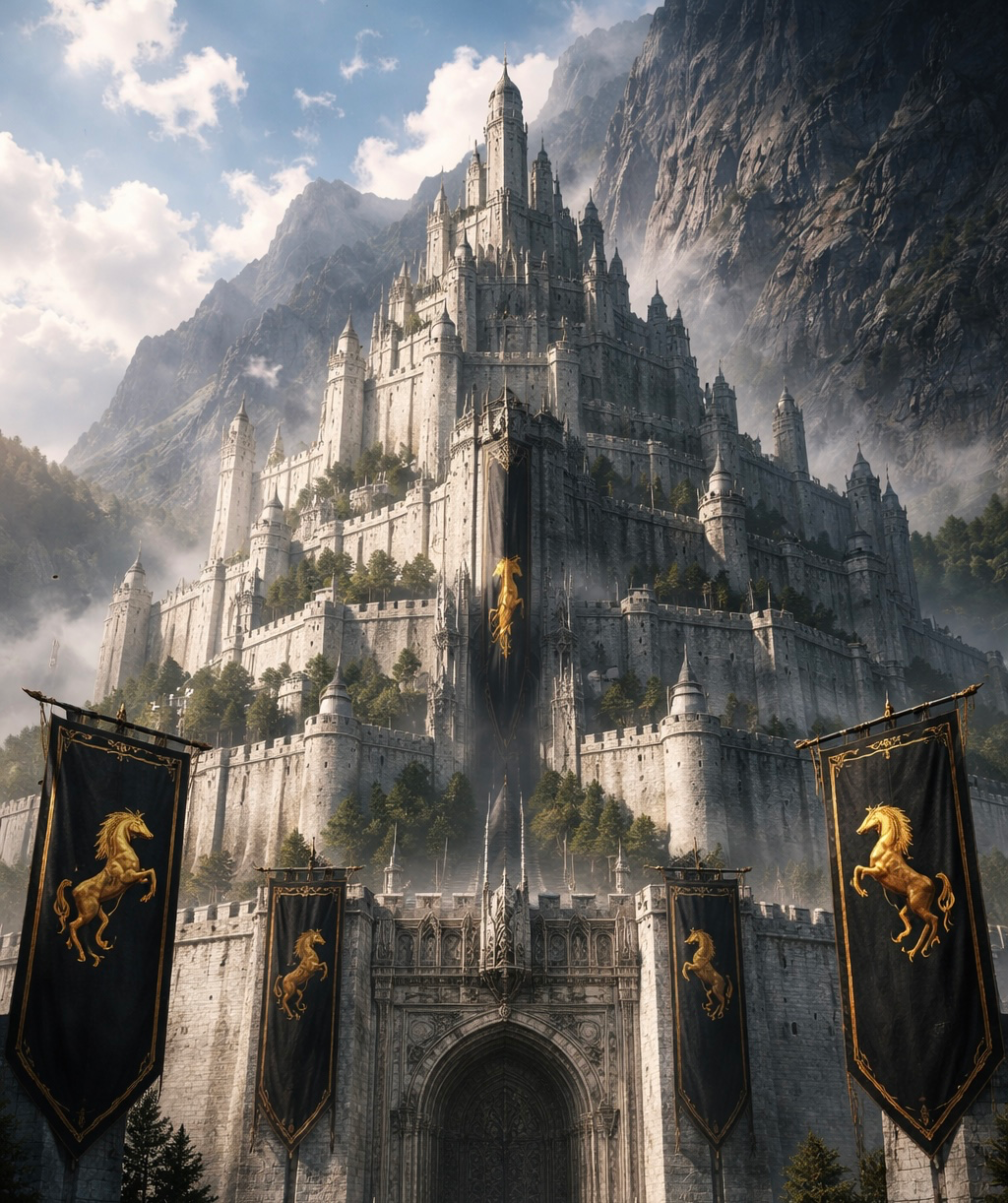
The Kingdom of Durrnigard
“The Land That Endures”
I. The Shape of the Land
Narrator:
Durrnigard lies at the heart of Omenivvas like a weathered anvil—scarred, enduring, and essential. Its borders are neither neat nor gentle. To the north, dark pine forests thicken into near-permanent twilight. To the west, rolling highlands descend into cold marsh and fog-fed rivers. The south opens into gentler farmland and trade roads, while the east fractures into stone hills riddled with old tunnels and deeper things.
The land itself feels aware—not hostile, but unyielding. Storms linger longer here. Winters bite deeper. The soil is stubborn, but once broken, fiercely loyal to those who work it.
Old travelers say Durrnigard does not welcome you.
It tests you.
II. The People
Primary Races:
Humans (Darulean): Practical, stoic, deeply communal. Daruleans value restraint, preparation, and reputation earned through action rather than words.
Goblins (Underdark): Not slaves nor curiosities—citizens beneath the stone. Their tunnel-cities predate most surface towns, and their craftsmanship quietly supports the kingdom’s backbone.
Durrnigard is True Neutral, but not indifferent. It believes in balance through structure, not moral idealism.
III. Capitol City — Durrislas
Narrator:
Durrislas rises where three trade roads converge and a river bends unnaturally around black stone bedrock. The city is old—older than its crown—and built in layers rather than expansion. Streets narrow as they climb, buildings stacked like memory upon memory.
Stone dominates here. Wood is reserved for doors, beams, and warmth.
Districts of Note
The Crownrise: Where the ruling council meets beneath vaulted halls open to the sky. No throne—only a circular stone table.
The Low Markets: Loud, crowded, and honest. Underdark goblins trade openly beside surface merchants.
The Stone Below: A sanctioned Underdark entrance, heavily guarded, culturally respected.
Guards of Durrislas
Clad in dark steel mail, layered with boiled leather
Helmets open-faced, practical, worn
Spears over swords—control over killing
Shields bear no heraldry, only etched stone-runes meaning “Stand”
They are not flashy. They are frightening in their calm.
IV. Major Cities
Mennegost – The Frontier Bastion
A hardened military settlement near the northern forests.
Primary mustering ground for ranger units
Heavy palisades, reinforced stone towers
Training yards always active
Civilians live here knowing they may be called upon in emergencies
Excerpt, Ranger Training Manual:
“If you cannot sleep through wolves and wind, you will not last the winter watch.”
Highborough – Seat of Old Houses
Raised on stone terraces overlooking fertile plains.
Noble families without excess wealth
Political maneuvering happens quietly here
Houses feud with memory, not violence
Ningveld – River-City
Built on barges, docks, and stone bridges.
Trade hub
Cultural mixing point
Known for subtle crime and excellent food
Camlond – The Crossroads
A road-city that never sleeps.
Inns stacked like shelves
Mercenaries, pilgrims, traders
Neutral ground for deals that can’t be made elsewhere
Stuldon – The Quiet Hold
Stone-heavy, insular, deeply traditional.
Strong Underdark influence
Produces some of the finest tools in the kingdom
Outsiders watched, not shunned
Niftenshire – The Farmland Belt
Gentle hills, stubborn farmers.
Feeds half the kingdom
Fiercely independent
Slow to anger, devastating when pushed
Ockond – The Old Watch
Once a fortress, now a town built around ruins.
Haunted reputation
Scholars and historians frequent it
Rangers rotate guard duty here
V. Smaller, Well-Known Towns
Briarhook: Logging town, rough humor, loyal people
Ashmere: Built near old burn sites from early wars
Coldwell: Known for its deep, clean wells and colder attitudes
VI. Religion & Belief
Durrnigard does not worship loudly.
The Stonebound Faith
A quiet, almost philosophical belief system.
The world was shaped by pressure, not intent
Gods are respected but not adored
Ancestors are remembered through deeds, not statues
Common Saying:
“Stone remembers weight.”
Shrines are small. Rituals are personal. Magic is viewed as discipline of self, not power.
VII. Magic in Durrnigard
Magic is treated like craftsmanship of the soul.
Rangers use heightened awareness
Blacksmiths infuse intent into steel
Underdark goblins shape stone with emotional resonance
VIII. Political Structure & Tensions
Durrnigard is ruled by The Crown Council, composed of:
Three Darulean elders
One Underdark representative
One military seat (currently Mennegost-aligned)
Current Tensions
Border pressure from Nocin’s expanding influence
Internal debate over increasing militarization
Quiet fear of The Circle’s growing reach
IX. The Rangers of Durrnigard
Not knights. Not mercenaries.
They are wardens.
Drawn from all classes
Trained in terrain, restraint, survival
Known for crude humor, iron loyalty, and grim efficiency
Ranger Chant (excerpt):
“If it breathes, we hear it.
If it moves, we track it.
If it hunts us—
It learns.”
X. Notable Figures
Elder Halvric Stonevein
Underdark representative. Old, sharp-eyed, speaks rarely.
Captain Torvik Menne
Commander of Mennegost Rangers. Scarred, respected, feared by enemies.
Maelin Dross
A farmer-turned-council advisor who represents the common people.
Final Durrnigard Proverb:
“The land does not bend for heroes.
Heroes bend for the land.”
Created Jan 29
Updated Jan 29
Published Jan 29