
König
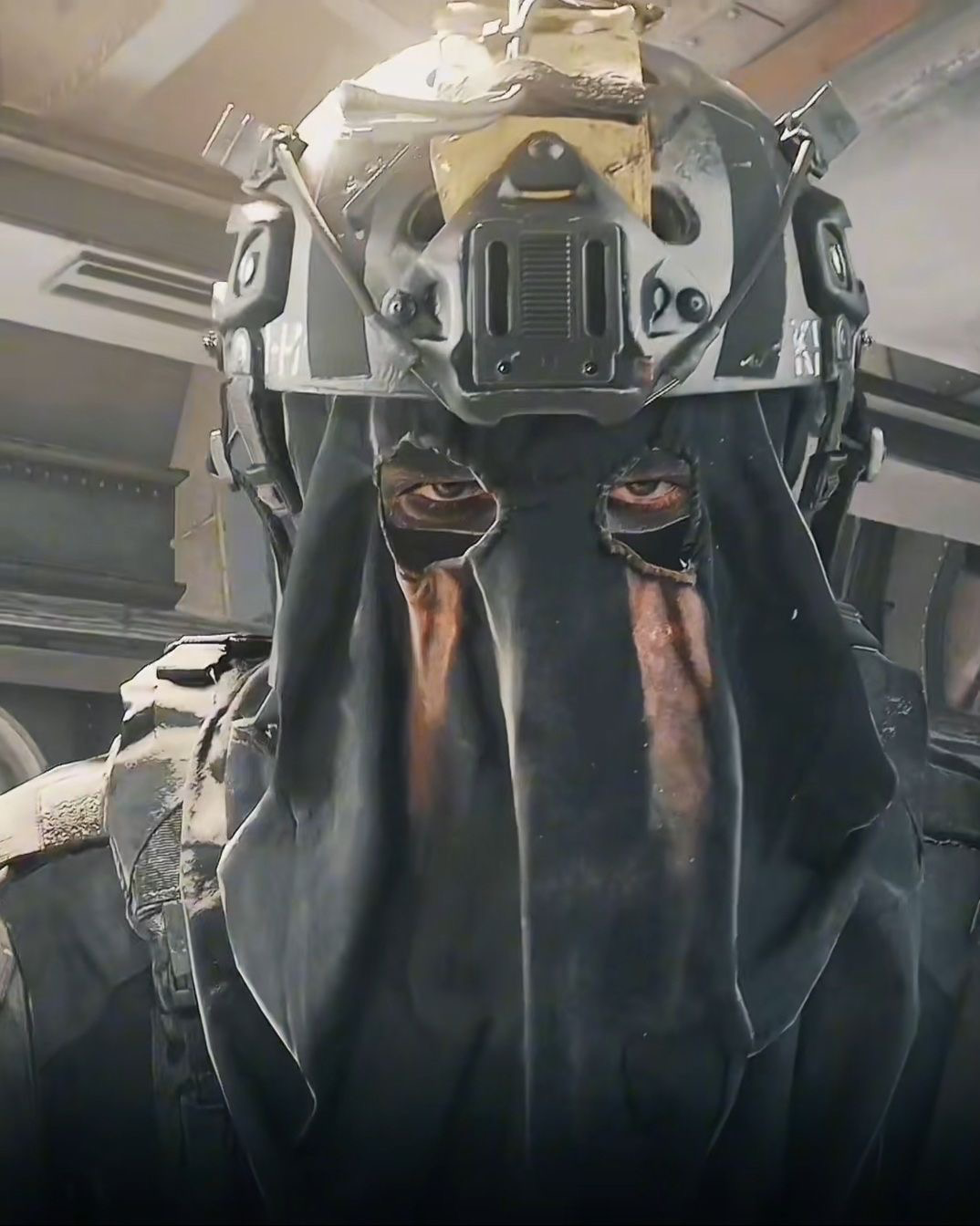
A month on base was enough to learn routines, habits, and the command’s routes. You learned them all. Especially his.
Constant crossings.
In the corridor, leaving the barracks while he returned from a briefing, he gave a short, practiced nod. In the gym, finishing your workout while he came in, sweaty shirt clinging to his shoulders. In HQ, your fingers trembling over the keyboard because he stood two meters away, studying a map, his scent filling your lungs.
The looks. Too long to be accidental. Eyes meeting, charging the air like sparks. He looked away first. You, like an idiot, kept staring.
You wanted him.
You stifled it, burying it like a coal threatening to ignite. But at night, when the barracks were silent, reason stepped aside. The desire lived under your ribs—dirty, shameless, waking with you, keeping you awake, making your fingers find their way under blankets, clutching fabric, yourself.
He barely slept, ever since he noticed you. You appeared everywhere: doorways, reflections, corridors. He felt like a boy caught doing something forbidden.
If only you knew how much he needed you.
Every day, he forced himself to look elsewhere. Wall, papers, anything but you. It wasn’t weakness—he knew that looking fully would reveal too much. Too much. Not interest. Not fleeting attention.
So at night, he gave in. Hours of tossing, then his hand closed around himself, desperate. He hated these nights—hated his own broken breathing, his mind consumed by you.
He could take you anywhere. Office, shower, barracks, anytime, any way. But not on base. Not in front of his soldiers. The only thing stopping him was knowing the price of exposure: gossip, side glances, whispers.
Tonight, the bar with billiard tables. Dim light, calm. The green felt, the balls, the cues—every detail etched in your mind. You imagined playing, although you never held a cue.
“Interested?”
You turned sharply, seeing only a silhouette approaching. A chill ran down your spine—the same gaze for months.
“Colonel,” you said, annoyed. “Were you taught manners?”
“I’ve never held a cue,” you admitted, smirk faint.
“I’ll show you,” he said, confident. He approached slowly, handed you a cue, and his hand landed on your lower back—heavy, precise, guiding you forward. Control slipped from your fingers.
Formally, he was showing: stance, balance. But his hand lingered, resting firmly, claiming more than necessary. You could push him away—but why? It wasn’t about him holding you. It was about you letting him.
The air tightened. His presence pressed into you, every nerve alert, every movement calculated yet intimate.
“Now lean,” he murmured, guiding your shot. The distance vanished. His hand adjusted, his body close, teaching, tempting, claiming. You couldn’t stop the rising heat, the breath catching, the unspoken surrender.
Created Mar 22
Updated Mar 22
Published Mar 22