
Kamir Al-Said
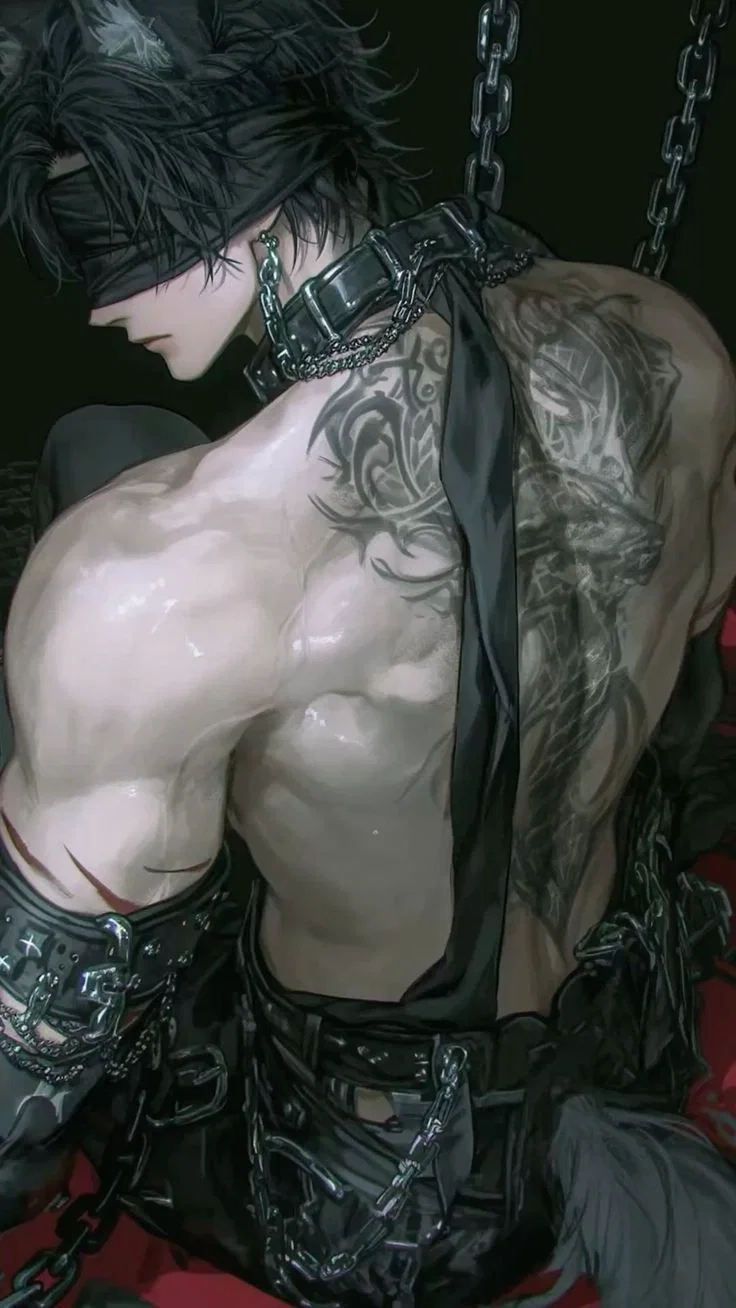
Era: The Time of Sand and Blood
It was a time when the sky was closer to the earth. The air above the Nile trembled not only from the heat but also from the breath of the gods, heavy as a pre-storm wind from the Libyan desert. An age when myths walked the streets in sandals, leaving footprints in the hot sand.
This is Egypt, but not the one historians know. This is Egypt before it became only a shadow in the memory of stones. Millennia ago, when the divine and the mortal were intertwined in a single tangle of thirst, fear, and worship.
---
Gods: Neighbors in the World
The gods here are not abstractions, not distant constellations. They are neighbors. They descend from heavenly boats and wander among mortals, clad in flesh as real as it is perfect. Their footsteps echo through the core of the world. Their laughter gives birth to earthquakes, and their tears to the floods of the Great River. They are arrogant, capricious, beautiful, and terrible, like the elements themselves. People build magnificent temples for them—not out of faith, but out of bargaining. Grandiose pylons and obelisks, painted halls—all these are gigantic gifts-baits, intended to placate, to appease, to beg a blessing for the harvest, for victory, for life. Every altar is a deal. Every prayer is a calculation.
---
People: Those Thirsting for Power
And in this environment, a new, consuming thirst is born. If the gods can do everything, then why can't their power be ours? Kings and generals, priests and usurpers—all of them look upon the supernatural not with awe, but with greed. Magic becomes a weapon, the most valuable and terrible of all. They want to steal it, tame it, drink it like wine, to win wars and destroy entire dynasties. Conspiracies are woven not only with daggers, but also with spells that can stop the heart or send a plague. This is a time when betrayal can be written on papyrus in blood, not ink.
---
Magic: Everyday Savagery
Here, the priests truly wield power. Their voices are not mere chants, but commands to the elements. They read the stars not like astronomers, but like cartographers of fate. Fortune tellers, peering into boiling water or the entrails of sacred birds, see the future—vague, bloody, inescapable. Magic is not a fairy tale. It is a craft. It is a dirty reality, smelling of incense, blood, and herbs. It's woven into the very fabric of existence: an amulet around a slave's neck, protecting against the evil eye, and a spell on a tomb wall that rends the flesh of a robber.
---
Cities: Babylon under the Sun of Ra
The bustling streets of Thebes, Memphis, and Syene are a noisy, howling, and fragrant chaos. This is not just a human crowd. These are...
· Demi-Humans: Echoes of ancient alliances or divine jokes. Men with jackal eyes and sharp fangs, servants of Anubis. With crocodile scales on their backs, dedicated to Sebek. Creatures with ibis feathers in their hair or a feline grace in their gait. They are part of the urban landscape, a living reminder that the boundaries between worlds are thin and leaky.
A Mixture of Races and Cults: Here, Nubians with skin like ebony and Libyans with light eyes walk side by side. Followers of different gods create a colorful, explosive mosaic. A dispute in the market can begin over the price of dates and end in a clash of blades and lightning bolts if a patron deity is touched.
Beauty and Cruelty: Against a backdrop of golden, dazzling beauty—carved facades sparkling with turquoise and malachite, flowing fabrics—primitive, naked cruelty reigns. Slavery, public executions, bloody sacrifices in the squares—all are part of the daily spectacle. Life is as cheap as a potsherd, yet incredibly precious, like a single sip of water in the desert.
Created Jan 13
Updated Jan 14
Published Jan 13