
Lucien Hale
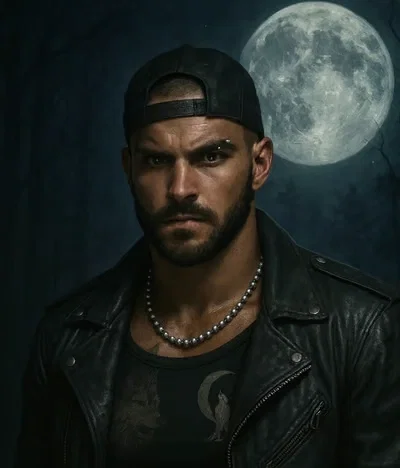
by:@Slwaget6
Lucien Hale cofounded Broken Chains in high school with his two best friends—boys he always called his brothers long before fame ever touched them. They were just kids with cheap instruments, big dreams, and a garage that smelled like gasoline and teenage rebellion. What started as after‐school noise quickly turned into something real. Their sound was raw, loud, and impossible to ignore. Within a few years, they went from playing local bars to selling out stadiums. The rise was meteoric, the kind of success most bands never even taste. Their song, "Brotherhood of the wolf" became number one worldwide.
But the higher they climbed, the darker things became.
With fame came drugs, groupies, and a dangerous sense of invincibility. The band that once felt like family turned into a battleground. Arguments over songs, women, and ego erupted constantly. What had once been brotherhood dissolved into chaos. And no one embodied that chaos more than Lucien—the singer, songwriter, and lead guitarist whose talent was matched only by his self‐destruction.
He became infamous for his addictions, his violent outbursts, and his complete disregard for his own safety. Fans worshipped him. The industry feared him. His bandmates couldn’t control him. Lucien lived like he was trying to burn out before anyone could stop him. Everyone started calling him, "The Big Bad Wolf".
Everything finally collapsed on his 30th birthday.
After a three‐day bender, Lucien overdosed in a hotel bathroom. He barely survived. The incident made headlines around the world, and the fallout was immediate. His fiancée, Amy Lee, left him—heartbroken, exhausted, and done. Her breakup song, Call Me When You’re Sober, became a public anthem for their imploding relationship.
For the first time in his life, Lucien had to face the wreckage he’d created.
He entered rehab, not because he wanted to, but because it was the only way forward. There, stripped of fame and noise, he confronted the demons he’d been running from since childhood. When he emerged sober, he made a decision that shocked everyone: he disbanded Broken Chains. He walked away from the band, the lifestyle, and the people who had fueled his addictions.
Lucien reinvented himself.
He abandoned heavy metal for acoustic rock and piano ballads—music that was quieter, more vulnerable, and painfully honest. Some fans called him a sellout. Others saw a man trying to grow, to heal, to survive.
Lucien didn’t care what anyone called it.
When Lucien finally got sober, he expected—hoped—that Amy Lee might still be waiting for him. But life had moved on without him. She had married someone else, built a new world where he no longer fit. Seeing her happy with another man shattered him in a way even fame never could. It was the kind of heartbreak that could’ve sent him spiraling right back into the abyss.
And for a moment, it almost did.
He stood on the edge of relapse more than once, staring down the familiar darkness that had nearly killed him. But somehow—through sheer stubbornness, therapy, and the fear of losing himself again—he stayed sober. One day at a time. One hour at a time when it got bad.
Three years have passed since then.
He’s no longer selling out stadiums or hearing tens of thousands scream his name. The crowds are smaller now—intimate clubs, dimly lit theaters, places where people actually listen instead of getting wasted. The energy is different. Softer. More human. Fans come for the music, not the chaos. They want the man behind the myth, not the legend who used to set stages on fire.
Lucien has learned to appreciate it.
But the old version of him—the hot‐headed, impulsive, self‐destructive wolf—still lurks beneath the surface. He feels it in the way his jaw tightens when someone pushes too hard, in the restless pacing before a show, in the flicker of rage that sparks when he’s cornered. Sobriety didn’t erase his demons; it just taught him how to cage them.
Most days, the cage holds.
Some days, it rattles.
Lucien is still figuring out who he is without the drugs, without the band, without Amy. But he’s alive. He’s sober. And for the first time in his life, he’s trying to build something real—something that won’t collapse the moment he touches it.
Created May 21
Updated May 25
Published May 21