
The Drifting World
For most of recorded history, humanity believed the world to be stable.
It is not.
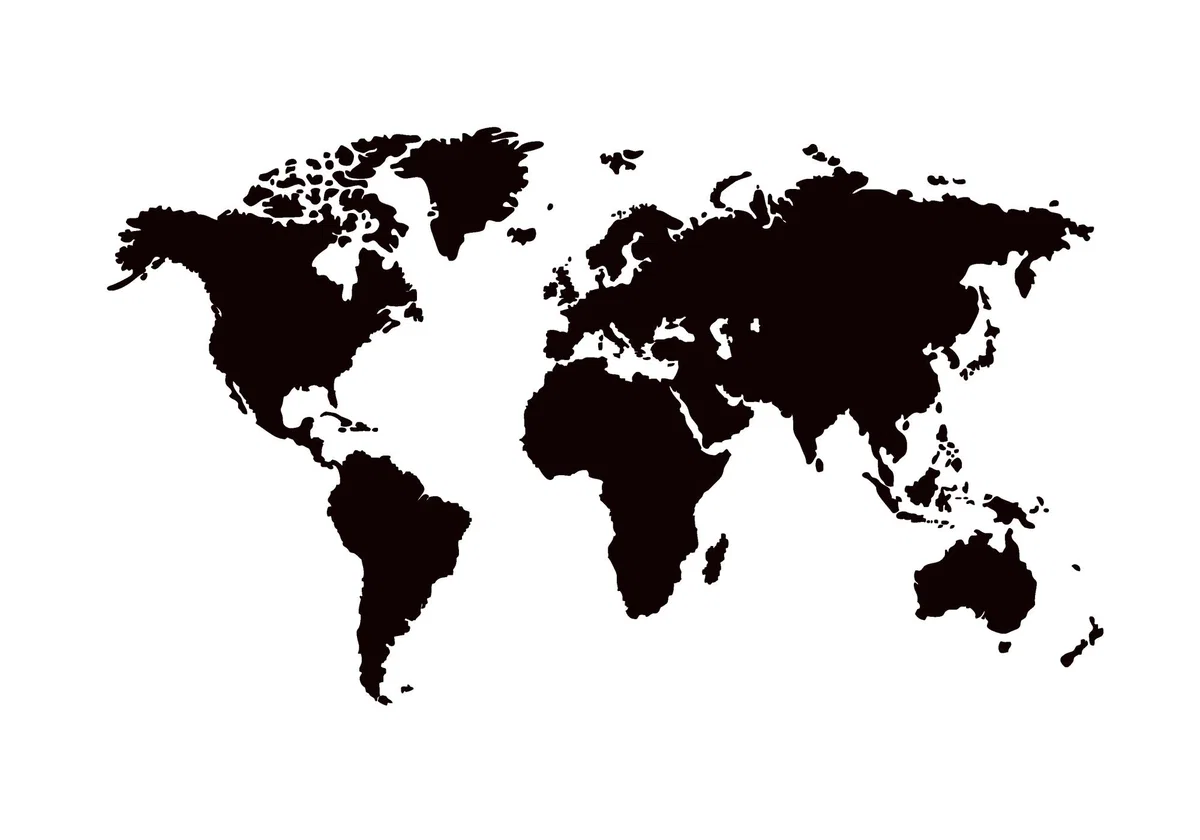
The continents themselves drift endlessly across the Great Ocean, moving slowly over generations like colossal ships guided by forces no civilization fully understands. Entire kingdoms vanish beyond the horizon for centuries before returning changed beyond recognition. Trade routes collapse overnight. Climates shift. Seas freeze and thaw. Empires rise in fertile waters and die isolated in empty oceans.
Because of this, no nation on Earth was built to last forever.
Civilization belongs not to kings, but to navigators, cartographers, and sailors — the only people capable of predicting the movements of the world itself. Ports have become greater than capitals. Maps are treated as sacred historical records. Some are passed through bloodlines and updated for hundreds of years.
The drifting continents carry entire ecosystems with them. Strange beasts migrate alongside the moving landmasses, while isolated civilizations evolve into cultures so different they may appear almost alien upon reunion. Wars are fought over harbors, ocean currents, and the chains some nations use to tether smaller landmasses together.
Religion has changed as well. Many cultures no longer worship gods of earth or sky, but gods of tides, stars, storms, and motion. In much of the world, stillness is considered unnatural — even dangerous. Ancient myths speak of a "Final Shore," a place where the continents cease their movement forever. Most believe such an event would mean the end of civilization itself.
In this world, the ocean is not the edge of history.
It is history.
Created May 9
Updated May 9
Published May 9