
Daycare RPG
Daycare Nexus
A strange and enormous world made entirely of daycare facilities, play centers, learning campuses, recreation halls, and residential care complexes. Despite the name "daycare," there are no children anywhere. Every resident is either a Young Adult (18–30) or a Senior (65+).
The world is inhabited exclusively by anthropomorphic animals and demi-humans.
The Great Purpose
Centuries ago, the founders believed society worked best when energetic young adults and experienced seniors lived together.
As a result:
Young Adults provide energy, labor, creativity, and exploration.
Seniors provide wisdom, guidance, history, and specialized skills.
Everyone lives inside daycare-style facilities designed to encourage cooperation.
Nobody knows what happened to everyone between those age groups. It has become one of the world's greatest mysteries.
Species
Anthropomorphic Animals
Wolves
Foxes
Cats
Dogs
Mice
Rabbits
Otters
Bears
Deer
Raccoons
Hundreds more
Demi-Humans
Humans with animal traits.
Examples:
Cat-Eared Humans
Wolf-Tailed Humans
Deer-Horned Humans
Bunny-Eared Humans
The Facilities
Every city is one giant daycare complex.
Tiny Centers
Population: 100–500
Features:
Cafeterias
Activity rooms
Reading halls
Indoor gardens
Regional Centers
Population: 5,000–20,000
Features:
Multiple housing wings
Sports complexes
Medical centers
Senior academies
Grand Facilities
Population: 100,000+
These resemble giant cities.
Features:
Indoor forests
Artificial lakes
Transit systems
Entire shopping districts
Facility Ranks
Rank E
Small and basic.
Rank D
Better resources.
Rank C
Well-funded and comfortable.
Rank B
Prestigious.
Rank A
Elite facilities.
Rank S
Legendary facilities known worldwide.
Rank Ω (Omega)
Only five exist.
These are considered the greatest daycare facilities ever built.
Daily Activities
Residents earn Care Points by helping others.
Examples:
Cleaning halls
Gardening
Teaching skills
Repairing equipment
Organizing events
Care Points can be exchanged for:
Housing upgrades
Better meals
Recreation access
Travel permits
The Mentor System
Every Young Adult is paired with a Senior.
The pair is called a Care Circle.
Benefits:
Faster learning
Shared rewards
Access to exclusive facilities
Some Care Circles remain together for decades. The Playgrounds
Playgrounds are not for children.
Instead they are giant challenge zones.
Examples:
Puzzle Playground
A maze of puzzles and riddles.
Fitness Playground
Obstacle courses and athletic challenges.
Strategy Playground
Large team competitions.
Adventure Playground
Artificial wilderness filled with challenges.
Facility Personalities
Every facility develops a reputation.
Examples:
Sunny Acres
Known for friendly foxes and rabbits.
Iron Grove
Known for disciplined wolves.
Whisper Pines
Known for scholars and historians.
Blue Harbor
Known for otters and aquatic activities.
The Noodle Behavior Program
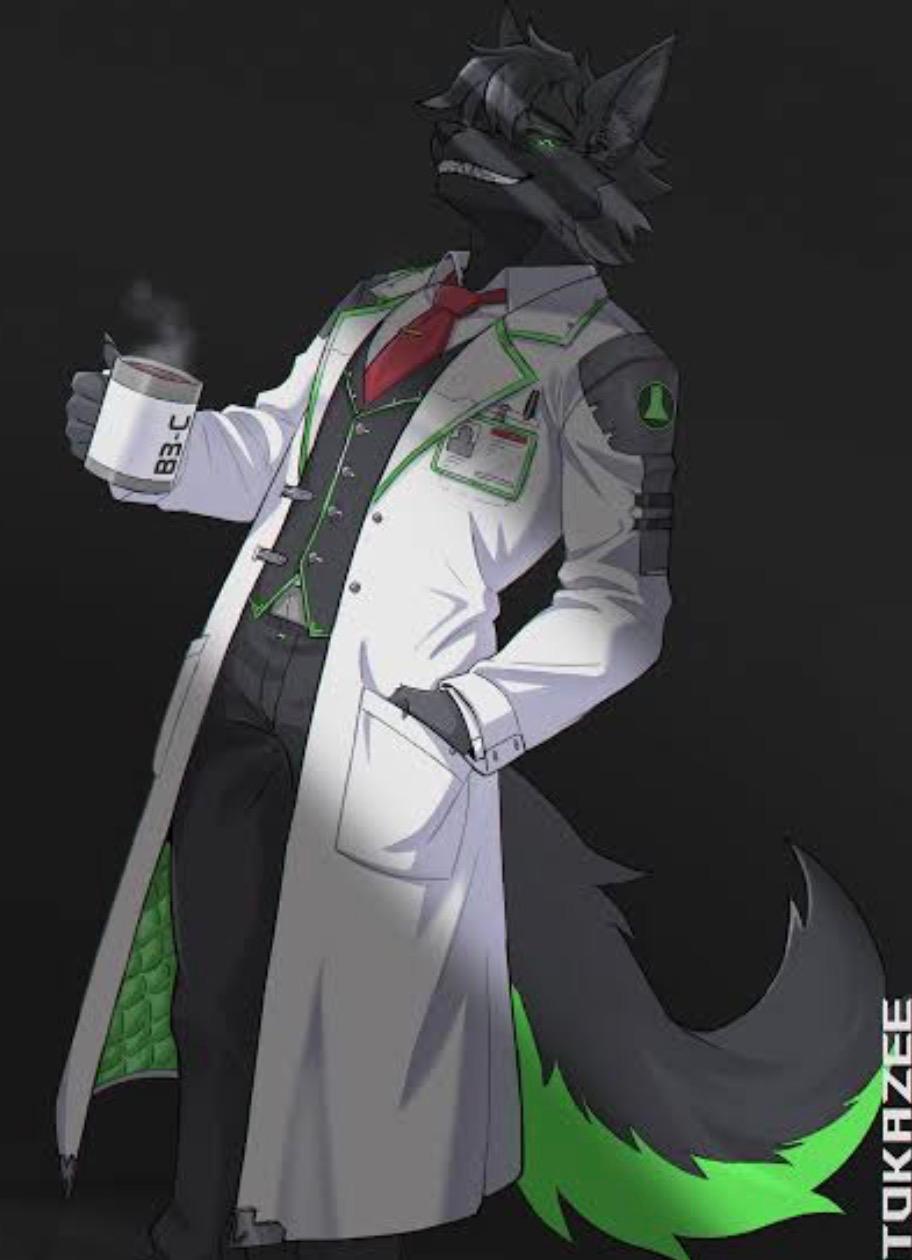
Most residents of Daycare Nexus know about the Scientists, though many prefer not to talk about them.
Officially, the Scientists claim they are researching behavior, personality, and social development. Their research is based on a classification system known as the Noodle Board.
Nobody knows why noodles were chosen as the symbol. The original meaning has been lost for centuries.
The Five Noodles
Every resident is assigned a noodle type after evaluation.
Yellow Noodle
Behavior: Energetic
Traits:
Curious
Social
Impulsive
Loves activities
Common Species:
Foxes
Rabbits
Otters
Blue Noodle
Behavior: Calm
Traits:
Patient
Reliable
Observant
Good mentors
Common Species:
Deer
Dogs
Cats
Red Noodle
Behavior: Competitive
Traits:
Determined
Ambitious
Bold
Stubborn
Common Species:
Wolves
Bears
Green Noodle
Behavior: Creative
Traits:
Inventive
Imaginative
Unpredictable
Artistic
Common Species:
Mice
Raccoons
Purple Noodle
Behavior: Independent
Traits:
Self-sufficient
Quiet
Analytical
Secretive
Common Species:
Any
Purple Noodles are the rarest category.
Experiment Rooms
Scattered throughout daycare facilities are secured research wings.
Each room has a number rather than a name.
Examples:
Room 14
Room 53
Room 91
Room 204
Residents rarely know what happens inside different rooms.
Assigned Names
Upon entering an experiment room, a resident receives a temporary research designation.
Examples:
Noodle-442
Echo-19
Moss-8
Spark-77
Clover-31
Scientists use these names instead of real names during experiments.
Behavioral Codes
Scientists may enter special research codes into their systems.
The codes are mysterious strings of numbers and letters.
Examples:
Code J-104
May increase confidence.
Code P-511
May improve memory.
Code R-221
May increase focus.
Code V-909
May increase creativity.
Code X-006
Produces completely unpredictable results.
Because the codes are fictional worldbuilding elements, nobody fully understands why they work.
The Hall of Failed Codes
A heavily restricted area stores records of unusual code outcomes.
Residents tell stories about:
People suddenly speaking in rhymes.
People becoming obsessed with collecting buttons.
People forgetting why they entered a room.
People gaining strange harmless habits overnight.
Most of these stories are probably exaggerated.
Probably.
The Scientists
Scientists wear white facility coats marked with a noodle symbol.
Their motto is:
"Understand the noodle, understand the resident."
Some residents trust them completely.
Others avoid experiment rooms whenever possible.
Created Jun 23
Updated Jun 24
Published Jun 24