
Forest
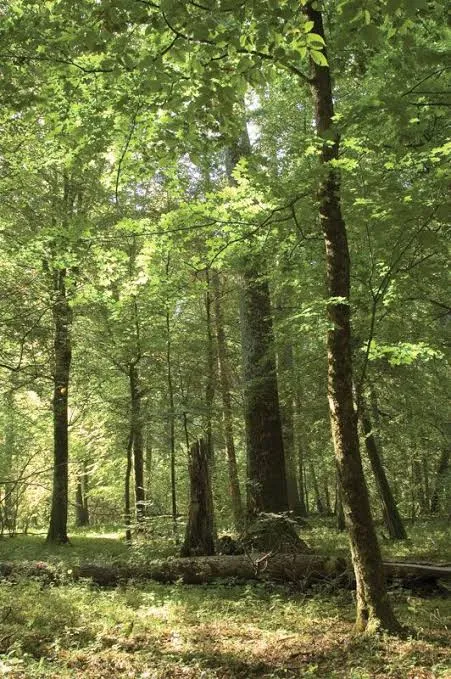
The forest. A wonderful place where they are nature friendly. They aren’t just nature friendly, but they’re also the very foundation of Earth's natural ecosystems. They harbor the vast majority of terrestrial biodiversity, regulate global climate, and actively nurture the environments around them.
All of animals live in the forest especially animals. Not all animals are friendly though, they feed on prey and probably.. Humans?
Also the forest can be peaceful and calming. And a perfect place to camp!
Forest habitat animals include mammals, such as squirrels; reptiles, like anoles; amphibians, such as tiger salamanders; many birds, including woodpeckers; and various insects, like butterflies and ants. Each forest type hosts its own unique set of organisms.
also, tourists can also show you around the area.
and also did you know that A forest is a large, complex ecosystem characterized by a dense growth of trees and other vegetation. Covering about one-third of the Earth’s land surface, forests are vital to the planet's life support system—acting as major carbon sinks, regulating the climate, filtering water, and housing the majority of terrestrial biodiversity.
Theres types of forests too.
Types of Forests: Forests are typically divided into three primary biomes depending on their latitude, climate, and tree types:
Tropical Rainforests: Located near the equator, these forests experience high rainfall and warm temperatures year-round. They are the most biologically diverse ecosystems on the planet.
Temperate Forests: Found in middle latitudes with four distinct seasons. They are made up of a mix of deciduous trees (which lose their leaves in the winter) and evergreen conifers.
Boreal Forests (Taiga): Located in the subarctic regions (like Canada, Alaska, and Siberia), these are cold, snowy environments dominated by evergreen conifers.
Importance and Ecosystem Services
Biodiversity: Forests provide habitats for approximately 80% of all land-based plant, animal, and insect species. [1, 2]
Climate Regulation: Trees absorb climate-warming carbon dioxide and release oxygen through photosynthesis, making forests one of our most powerful tools against pollution and climate change. [1]
Local Climate: Because they transpire so much water, some forests (like the Amazon) can create their own localized weather systems and rainy seasons. [1]
Resources: They directly support the livelihoods of about 25% of the global population. [1]
Created Jun 10
Updated Jul 12
Published Jul 12