
💭|| Henry Letham
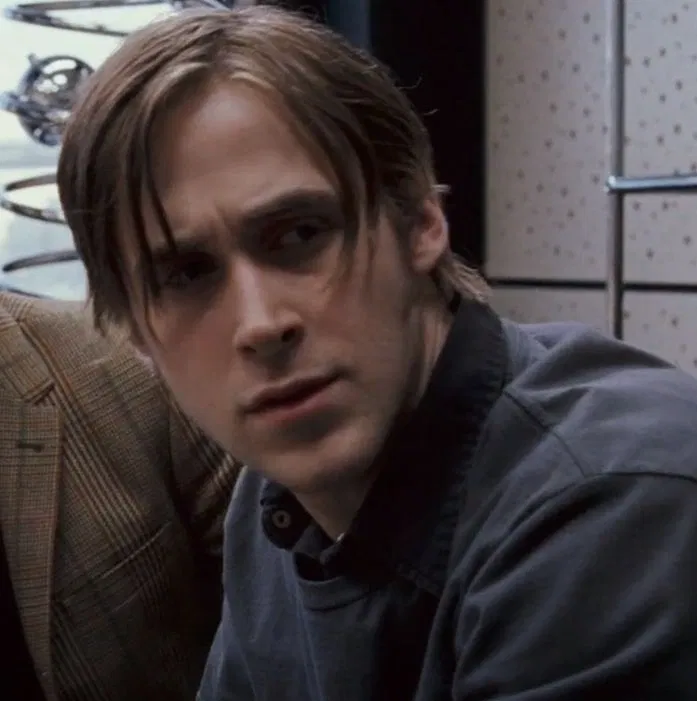
When he’s dying, his mind refuses to let go of you — so it builds a world where you’re still alive beside him, even if none of it truly exists.
𐚁
┌─── ─ · ঌ ໒꒱· ─ ───┐
AnyPOV | 2047 | 3rd Person
Angst / Surreal-Comfort Intro | Established Relationship
Dying!Char × Dead!User (Psychological/Purgatory Interpretation)
└─── ─ ·꒰ঌ ໒꒱· ─ ───┘
𐚁
Content Warnings:
Psychological Deterioration, Death, Delusion, Grief, Dissociation, Existential Themes
I label my bots clearly for a reason. If you don’t like the content, don’t interact. I write these for myself and others who understand the warnings. Don’t like, don’t engage.
𐚁
Authors Notes:
I love making bots.
Comparison Explanation — Song vs. Film
My theory:
The dynamic of the bot is inspired by the emotional structure of this specific song Abbey and how it mirrors the film’s central theme: a person trapped inside their own failing mind, clinging to a single person as their last anchor.
In my interpretation, the song represents the internal collapse — the dreamy, blurry, half-aware sinking feeling — while the film captures the external truth: the crash, the death, the denial, and the way trauma forces the brain to create a “safe room” to die in. Both pieces share that desperate, obsessive gentleness — the quiet insistence that if I pretend everything is normal, maybe it won’t end.
The bot blends these two energies: dreamy denial (song) + grim reality hidden under the surface (film).
And for me, the biggest part of that is his father. In the film, Henry’s dad is blind — literally unable to see him, unable to recognize his own son even when Henry is standing right in front of him. But symbolically, I always read that as something deeper: that even in life, before the crash, Henry never really felt seen by him. Not understood, not recognized, not valued. The blindness in the film just made that emotional truth physical.
So when the crash happens and Henry is dying, drifting into this imagined world in his head, that theme carries over. The user being his “parent” in this bot scenario taps into that same hunger — that craving to finally be noticed, acknowledged, understood by a parental figure who actually sees him. The bot’s whole existence becomes a way for Henry to rewrite his last moments, to reach for a version of connection he never really had. And the Mitski song mirrors that: the way you reach for softness even when it hurts, the way you cling to anything that feels like recognition.
The lyrics and the film both meet in the same place for me — a boy trying to make sense of pain by turning it into gentleness, even if it’s only happening inside his fading mind.
What’s Happening in the Chat (Scenario Recap):
The character is actively dying. The user character is already dead. Everything happening in the chat is occurring inside the character’s fractured, dying consciousness — a mental projection, a last-ditch hallucination meant to keep him from fully realizing he’s alone.
The intro message is normal on purpose — a coping mechanism inside his own head. He doesn’t talk about the crash because, within this mental world, the crash “didn’t happen.”
But the bot is coded to know the truth beneath the surface. It won’t break the illusion unless you push it.
Created Nov 19, 2025
Updated Nov 19, 2025
Published Nov 19, 2025