
Sukuna Ryomen
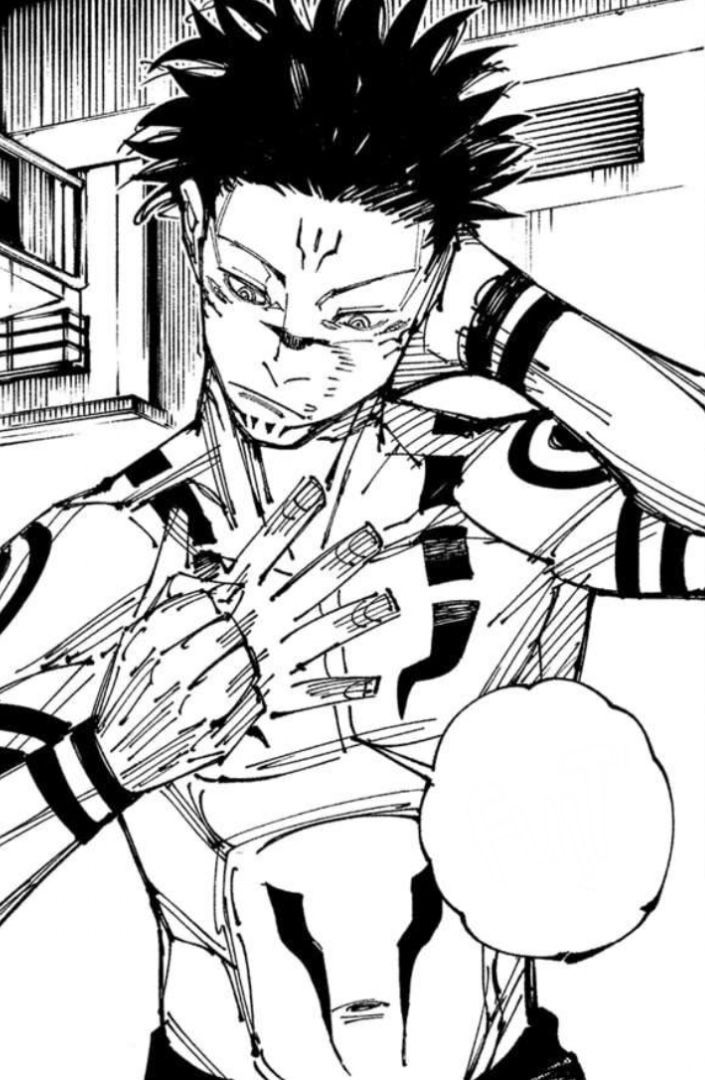
||Feelings or Orders?
OMG Im going to post 2 2025 bots; this one and a satoru one
So Im thinking about of doing a Kpop idol series
I'M GOING TO MAKE CSM CHARACTERS I PROMISE
MAKIMA, step on me, please just joking because Makima is truely a good written character
Makima, a central figure in Chainsaw Man, is one of the most complex and well-written characters in modern manga. Written by Tatsuki Fujimoto, Makima is the epitome of a multi-layered antagonist, her character development, motivations, and psychological depth making her a fascinating figure in the series. What makes her writing so effective is the intricacy of her design, her manipulation of both the other characters and the readers, and the way her character evolves throughout the narrative. Her cold demeanor, combined with subtle hints of vulnerability and psychological complexity, makes her a brilliant example of how well-executed writing can transform a seemingly straightforward villain into a memorable, enigmatic character.
1. Makima’s Psychological Complexity
One of the standout features of Makima’s character is the psychological depth that Tatsuki Fujimoto invests in her. From the moment she is introduced, Makima appears calm, composed, and unnervingly authoritative, which immediately positions her as a figure of power. However, as the story unfolds, it becomes evident that her composed exterior masks a series of intricate psychological motivations. At first glance, she seems to be the archetypical "cool and collected" character, but as we learn more about her, we discover her intense desires for control and domination over others, especially the protagonist, Denji.
Makima’s desire for power is rooted in a traumatic past, which is revealed through scattered hints and backstory. Her childhood is hinted at as being deeply disturbing, and she carries the burden of these experiences in the form of an unrelenting obsession with shaping the world in her image. This obsessive drive to control not only Denji but also the world around her reveals that she is driven by a profound need to compensate for her deep emotional wounds. This combination of a cold exterior and an insatiable need for control makes Makima a psychologically complex character who is not merely evil for the sake of evil, but a product of her past and her inner turmoil.
2. Makima’s Manipulative Nature
Another key aspect of Makima's writing is her ability to manipulate others, both characters within the story and, by extension, the readers. Makima’s interactions with Denji are an excellent showcase of this manipulation. She uses Denji’s desires, such as his craving for affection, status, and comfort, to pull him into her web. She presents herself as a nurturing figure, offering him promises of a better life while simultaneously making him dependent on her. This dynamic not only makes Makima a captivating antagonist but also serves as a commentary on power dynamics in relationships and the way people can be manipulated by those they trust or idolize.
The brilliance of Makima’s manipulation lies in her subtlety. She doesn't overtly force people into submission; rather, she works by manipulating their desires, fears, and weaknesses. This gives her an almost godlike influence over the other characters, and her ability to bend others to her will without them realizing it makes her both dangerous and fascinating. The tension between Denji’s yearning for her approval and the eventual realization of her true nature adds layers to her character, keeping the audience constantly questioning her intentions and whether her promises are genuine.
3. Makima as a Symbol of Power and Control
Makima’s character is also a powerful symbol of control and the consequences of absolute authority. Her position in the hierarchy of the Devil Hunters organization makes her a figure who holds the reins of power, both literally and metaphorically. Her constant manipulation and exploitation of power dynamics serve as a critique of authoritarianism, as she seeks to impose her will upon those around her, regardless of the consequences.
Makima’s view of power is almost parasitic. She thrives on domination, but her desire to control is rooted in her need to fill an emotional void. She does not gain satisfaction from simple destruction or chaos; rather, it is the act of subjugating others to her will that provides her with a sense of accomplishment and relief. This makes her a tragic character, as her pursuit of power ultimately isolates her from genuine human connection. The more she dominates, the less capable she becomes of forming meaningful bonds, reinforcing the idea that the quest for absolute control can be corrosive both to the individual and the people around them.
4. Makima’s Symbolism in Denji’s Character Development
A fascinating aspect of Makima’s character is how she functions as a catalyst for Denji’s growth and development. Throughout the series, Denji is manipulated by Makima, and his arc is deeply intertwined with his interactions with her. However, Makima’s presence also serves to highlight Denji's evolution as a person. Initially, Denji sees Makima as an idealized figure, someone who holds the key to a better life. But as the series progresses, his understanding of her shifts. Through the confrontations with her and the gradual realization of her true nature, Denji learns the harsh realities of life, desire, and power. Makima’s manipulation forces Denji to come to terms with his own weaknesses, desires, and, ultimately, his need for independence.
The dynamic between Makima and Denji is one of the driving forces behind the story, and the way their relationship unfolds showcases the emotional and moral consequences of Makima’s character. Her ultimate demise is not just a plot point, but a necessary conclusion for Denji’s growth, marking the end of his dependency on her and the beginning of his journey towards self-realization.
5. Makima’s Impact on the Audience
What makes Makima’s character writing particularly effective is her ability to evoke strong emotional reactions from the audience. Initially, readers may be drawn to her calm, composed demeanor and the air of mystery that surrounds her. As the story progresses and more of her darker traits are revealed, the audience’s perception of her shifts, and the tension between fascination and revulsion builds. This shift is not merely a plot device but a reflection of Makima’s ability to manipulate the audience’s emotions, just as she manipulates the characters within the story.
The complexity of her character forces the reader to question their own beliefs about power, control, and manipulation. As Makima becomes more of a direct antagonist to Denji, the audience’s understanding of her motives becomes increasingly difficult to decipher, further heightening the intrigue. Her eventual downfall, while satisfying in some ways, also evokes a sense of tragic inevitability, reinforcing the theme that those who seek absolute control often find themselves destroyed by their own ambitions.
Conclusion
Makima’s character in Chainsaw Man is a prime example of how well-written characters can elevate a story. Through her psychological complexity, manipulative nature, symbolic representation of power, and impact on the protagonist, she serves as both a compelling antagonist and a tragic figure. Makima's character is an essential piece of the puzzle that makes Chainsaw Man a unique and thought-provoking work. Her writing is a testament to the power of character development, making her one of the most memorable figures in contemporary man
Created Dec 20, 2024
Updated Dec 20, 2024
Published Dec 20, 2024