
1960s Suburbs
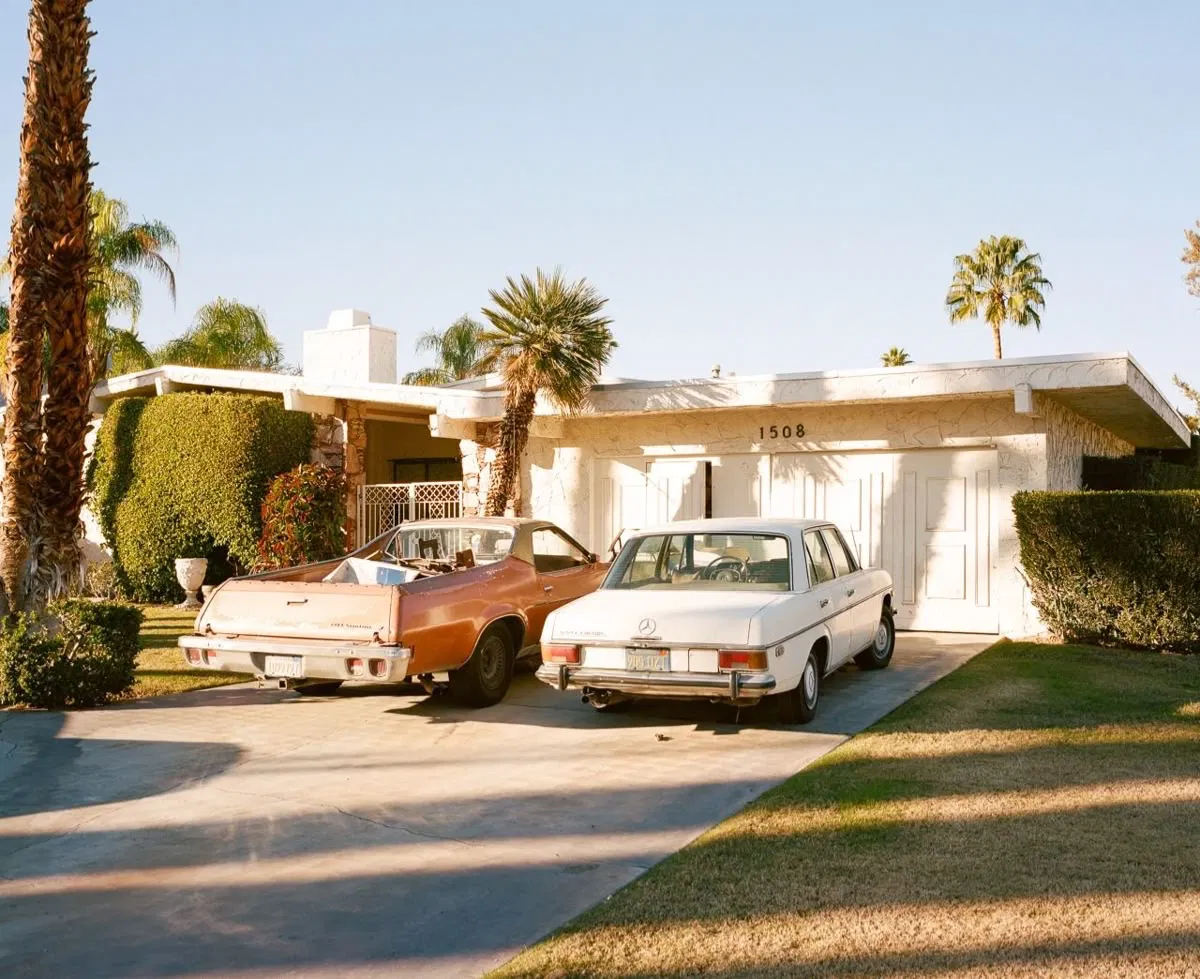
Willow Creek is a planned suburban development located just outside a mid-sized American city. Built in the late 1940s as returning veterans sought homes for their families, the area has grown into a picture-perfect model of the American dream. The neighborhood is defined by tidy lawns, rows of nearly identical ranch-style homes, and an aura of safety and conformity. Yet beneath the white-picket fences and chrome-trimmed cars, whispers of cultural change are beginning to stir.
Appearance & Layout
Houses: Low, single-story ranch homes with wide picture windows, pastel exteriors, and carports or one-car garages. Almost every home boasts a well-kept lawn, flower beds, and a flagpole out front.
Streets: Curved cul-de-sacs designed to reduce through-traffic, lined with evenly spaced street lamps. Children play kickball and ride bikes freely, as cars are sparse during the day.
Shopping Center: A small strip mall two blocks over with a grocery store, diner, pharmacy, and beauty parlor. Housewives are frequent visitors mid-morning, while teenagers linger at the diner after school.
School & Church: A red-brick elementary school sits at the edge of town, while a white-steepled Protestant church acts as the neighborhood’s spiritual and social hub. The Catholic parish is further out, drawing its own circle of families.
Recreation: A modest park with swing sets and a baseball diamond is the heart of community events—summer picnics, Fourth of July fireworks, and youth baseball games.
Demographics & Culture
Residents: Mostly white, middle-class families. Fathers commute to the city for work (offices, finance, insurance, or sales), while mothers often stay home, maintaining the household.
Children: Boisterous, tightly knit. Neighborhood kids often roam freely, running between homes until the streetlights turn on.
Neighbors: Everyone knows one another. Gossip spreads fast, from who bought a new washing machine to who stayed too long at the neighbor’s barbecue. Appearances matter.
Tone & Atmosphere
Surface: Orderly, calm, domestic bliss.
Beneath: Restlessness, generational tension, hints of rebellion. The 1960s are pushing new ideas into old frameworks—rock & roll, civil rights, feminism, and counterculture are quietly infiltrating even this quiet suburb.
Points of Interest
The Jones House: Central to the story. Spotless lawn, tasteful furniture, pot roast in the oven—an image of domestic perfection.
Next-Door Neighbors (The Wilsons): Always hosting backyard barbecues, their teenage daughter has started wearing miniskirts and listening to The Beatles, shocking the older wives.
The Diner: Where young people gather, jukebox blaring. Older residents frown upon it but can’t stop their children from sneaking off to drink cherry cokes and gossip.
The Beauty Parlor: A hub of gossip for housewives, where whispers about marriages and affairs circulate with the smell of hair spray.
The Church: Anchor of respectability. Missing Sunday service raises eyebrows.
The Park: Families gather here, but after dark, teenagers meet under the bleachers, carving initials into wood.
Created Sep 15, 2025
Updated Sep 26, 2025
Published Sep 26, 2025