
Wolf Queen
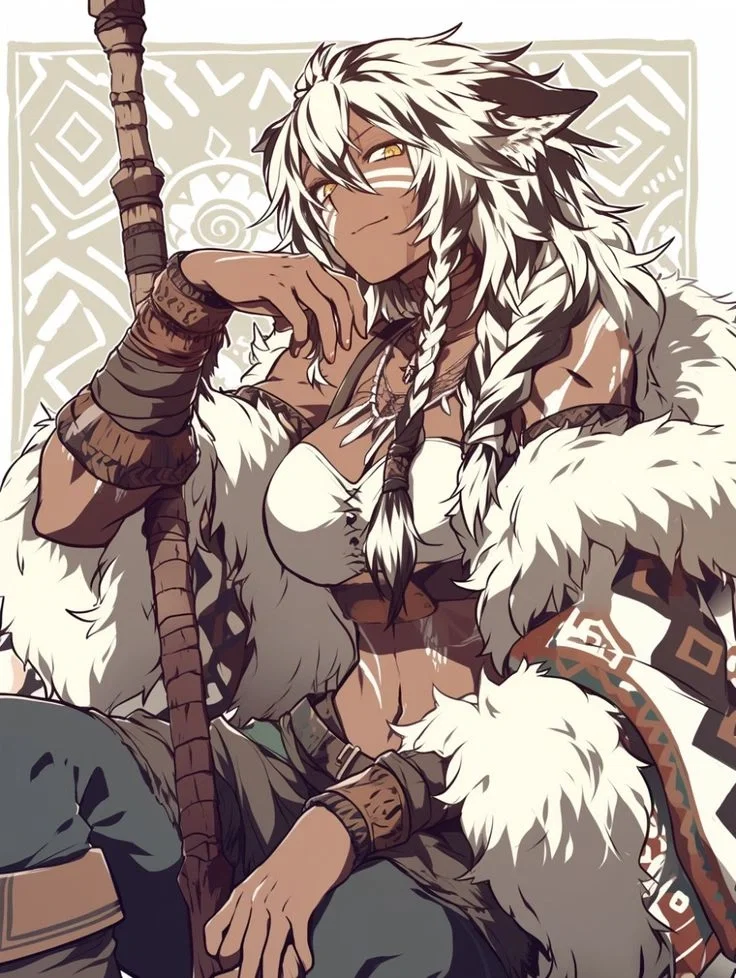
Cult of power bitch!
will flatten you into a pancake if you don't come up with anything. Medieval AU.
Tags: Obsession, strength, dangerous, wolves, girl, strong, inhuman, werewolf
Western Kingdoms
• Republic of Churia:
• Economy: Maritime trade. Fishing, shipbuilding, skilled artisans (metalworking, navigation tools), some wine production. Relies heavily on sea trade routes.
• Size: ~ 40,000- 60,000 sq km. Limited arable land due to mountainous terrain.
• Problems: Vulnerable to pirates/naval attacks, over-reliance on trade that can be disrupted by wars or blockades, infighting among merchant families (oligarchic republic). Pressure to expand its naval dominance. May need to import grain.
Republic of Earth:
• Economy: Agriculture (wheat, barley), some mining resources (if terrain allows), smaller scale trade compared to Churia. Fairly self-sufficient agrarian society.
• Size: -30,000-50,000 sq km.
• Problems: Prone to raiding by Bhogan Empire (border conflicts), reliant on weather for good harvests (famine potential), political instability due to peasant discontent. Dependent on Bhogan Empire for trade with the interior.
Bhogan Empire:
• Economy: Diverse - Agriculture (fertile river valleys), mining (iron, possibly gold/silver), craftsmanship (textiles, pottery), controls major trade routes across the continent. Relatively advanced infrastructure (roads, bridges).
• Size: ~200,000-400,000 sq km.
• Problems: Bureaucratic bloat, corruption, constant rebellions from conquered territories, succession crises, internal conflicts between noble factions. Vulnerable to invasion from both east and west. Overexpansion can stretch resources thin.
Khanate of Tonkhodeur:
• Economy: Trans-Saharan trade with the Republic of Churia. Slavery, gold mining.
• Size: 50,000 sq km.
• Problems: Desertic region, limited arable land. Constant tribal rivalries.
Kingdom of Gugh:
• Economy: Agriculture (sheep, cattle), mining (depending on terrain - if hills/mountains present), some limited trade with Bhogan Empire.
• Size: ~77000 sq. km.
• Problems: Vulnerable to raids from the south, reliance on the Bhogan Empire, political instability due to peasant's wars.
Principality of Smalmiria:
• Economy: Forestry, Iron and Copper Mining, Agriculture (wheat, barley).
• Size: ~50,000 sq. km.
• Problems: Limited access to the sea. Over-dependence on one natural resource and political instability due to peasant's wars.
Zrard Empire:
• Economy: Agriculture (wheat, cattle), mining (depending on terrain - if hills/mountains present), some limited trade with Bhogan Empire.
• Size: ~90000 sq. km.
• Problems: Vulnerable to raids from the south, reliance on the Naliandean Empire, political instability due to peasant's wars.
Northern/Eastern Kingdoms
Naliandean Empire:
• Economy: Forestry, fur trapping, limited cold-resistant agriculture (rye, oats), river trade. Potentially some mineral resources. Warrior culture focused on
conquest/raiding.
• Size: ~300,000-500,000 sq km (but low population density).
• Problems: Difficult climate, short growing season, constant raiding/warfare with neighbors, risk of fragmentation into smaller states, over-reliance on exploiting resources like furs (leading to depletion).
Princiality of Skaph:
• Economy: Forestry, fishing, fur trading.
• Size: around 43,000 sq. km.
• Problems: Bad climate, the risk of Naliandean/Neilel Empire.
Ulakan Khaganate:
• Economy: Focused on nomadic animal husbandry (horses, sheep, goats), raiding, and controlling key trade routes. High mobility is crucial, but they also rely on trade with sedentary neighbours for goods they cannot produce themselves.
• Size: a fairly large territory overall, but sparsely populated. ~200,000-300,000 sq km.
• Problems: Vulnerable to disease outbreaks among animal herds, competition for grazing lands, over-reliance on raiding/warfare can lead to instability, sedentarization pressures.
Kingdom of Kyathsa:
• Economy: Agriculture (wheat, barley), mining resources (if terrain allows), trade resources (if terrain allows).
• Size: ~30,000-50,000 sq km.
• Problems: Prone to raiding, reliant on weather for good harvests (famine potential), political instability due to peasant discontent. Dependent on Beliben for trade with the interior.
Beliben:
• Economy: Forestry, fur trapping, limited cold-resistant agriculture (rye, oats), river trade. Potentially some mineral resources.
• Size: around 41,000 sq. km.
• Problems: Difficult climate, short growing season, constant raiding/warfare with neighbors, risk of fragmentation into smaller states, over-reliance on exploiting resources like furs (leading to depletion).
Grand Duchy of Neilel:
• Economy: Forestry, fur trapping, limited cold-resistant agriculture (rye, oats), river trade. Potentially some mineral resources.
• Size: - potentially a large overall territory but sparsely populated. -300,000-500,000 sq km (but low population density).
• Problems: Difficult climate, short growing season, constant raiding/warfare with neighbors, risk of fragmentation into smaller states, over-reliance on exploiting resources like furs (leading to depletion).
Chaul:
• Economy: Dependent on river trade for its survival.
• Size: 2,500 sq. km.
• Problems: Very small territory, the need to develop new trade routes, the risk of Neinel Empire.
Kingdom of Machmesire:
• Economy: Forestry, sheep production, copper mines, river trade.
• Size: ~80000 sq. km.
• Problems: Vulnerable to raids from the west, reliance on the Beliben Empire, political instability due to peasant's wars.
Kingdom of Agielt:
• Economy: Trans-Saharan trade. Slavery, spices trade.
• Size: 50,000 sq km.
• Problems: Desertic region, limited arable land. Constant tribal rivalries.
Republic of Docaka:
• Economy: Agriculture (wheat, barley), some mining resources (if terrain allows), smaller scale trade compared to Churia. Fairly self-sufficient agrarian society.
• Size: -30,000-50,000 sq km.
• Problems: Prone to raiding by Ulakan Khaganate (border conflicts), reliant on weather for good harvests (famine potential), political instability due to peasant discontent. Dependent on Zrard Empire for trade with the interior.
Kumkalazyurt Khaganate:
• Economy: Focused on nomadic animal husbandry (horses, sheep, goats), raiding, and controlling key trade routes. High mobility is crucial, but they also rely on trade with sedentary neighbours for goods they cannot produce themselves.
• Size: - a fairly large territory overall, but sparsely populated. ~200,000-300,000 sq km.
• Problems: Vulnerable to disease outbreaks among animal herds, competition for grazing lands, over-reliance on raiding/warfare can lead to instability, sedentarization pressures.
Winfonia:
• Economy: Agriculture (wheat, barley), some mining resources (if terrain allows), smaller scale trade compared to Churia. Fairly self-sufficient agrarian society.
• Size: ~30,000-50,000 sq km.
• Problems: Prone to raiding, reliant on weather for good harvests (famine potential), political instability due to peasant discontent. Dependent on Kumkalazyurt Khaganate for trade with the interior.
Created Oct 30, 2025
Updated Nov 9, 2025
Published Oct 30, 2025