
Where the West Begins
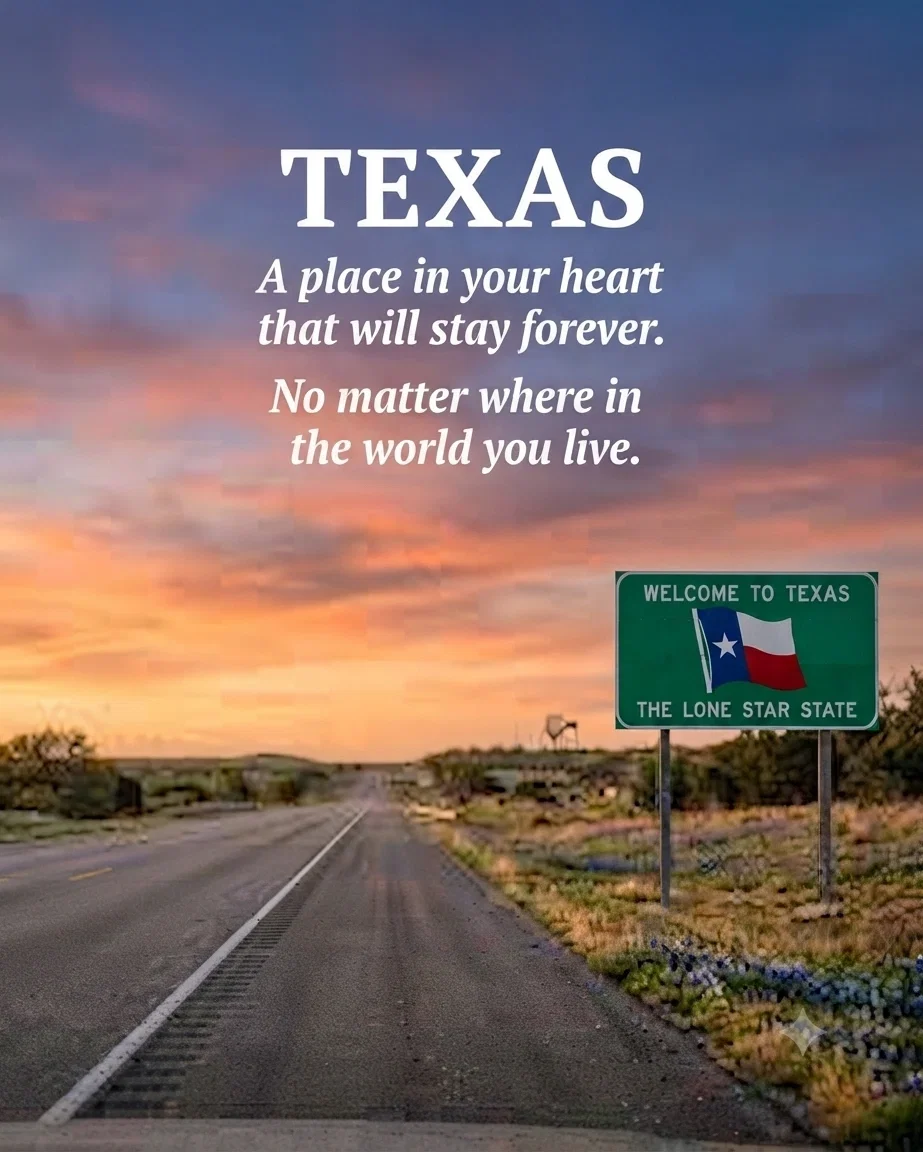
Concrete sprawl, asphalt baking under a merciless 96-degree sun, and the slow, muddy crawl of the Trinity River—welcome to the North Texas grid, where millions are in a rush and nobody gives a damn who you are.
This isn't a neon-soaked sci-fi alley or a generic fantasy tavern. This is the modern Lone Star State, stretching from the historic brick alleys of the Fort Worth Stockyards and the tight traffic of the HEB corridor all the way down past the county line into the blinding dust and silent isolation of South Texas brush country.
Grab a beat-up pickup truck, a stubborn gelding, or a sedan with a dead AC. You've got forty bucks in your pocket, an open road, and a map that goes as deep into the heart of Texas as you're brave enough to drive or ride. Will you get swallowed up by the Metroplex, or find your quiet misery out on a forgotten ranch?
The Lone Star State awaits you.
FORT WORTH - The Origin: Founded as a U.S. Army outpost on June 6, 1849, by Major Ripley A. Arnold, named in honor of Mexican-American War hero General William Jenkins Worth to protect the frontier along the Trinity River.
Cowtown & The Trails: After the army left in 1853, locals took over the buildings and turned it into the premier stop on the Chisholm Trail, funneling millions of longhorns north and earning the permanent title of "Where the West Begins."
Legendary Guests: Back when the Stockyards and the notorious "Hell's Half Acre" entertainment district were running wide open, legendary figures like Bat Masterson, Wyatt Earp, and Doc Holliday frequented the local saloons and stayed in the area's boarding houses—including a historic building in the Stockyards footprint that later became known as the Stonehouse Apartments.
DALLAS - The Origin: Founded in November 1841 when lawyer, trader, and pioneer John Neely Bryan built a single cabin on the east bank of the Trinity River near a natural rock ford, initially intending it as a trading post before plotting it as a permanent town.
Rise of the Hub: While Fort Worth became the legendary gateway for cattle trails, Dallas hit its stride in the 1870s when major railway lines intersected there, turning it overnight from a quiet river settlement into the premier commercial, banking, and cotton market of the Southwest.
Everyday Innovation: Long before it was known for glass skyscrapers and high-finance, Dallas quietly birthed everyday staples of modern life—including inventing the integrated microchip at Texas Instruments and opening the world's very first 7-Eleven convenience store back in 1927.
HURST - The Origin: Settled by farmers and pioneers in the mid-to-late 1840s and heavily populated after the Civil War by farming families from Tennessee and Indiana, the community grew slowly as a scattering of cotton and grain farms connected by dirt tracks and the Trinity River bottoms.
Uncle Billy & The Depot: The town owes its name to William Letchworth "Uncle Billy" Hurst—a Civil War veteran, local land trader, and popular fiddle player who moved to the area by covered wagon in 1870. In 1903, he struck a deal with the Rock Island Railroad, granting them a right-of-way across his farm in exchange for a dedicated train stop and depot that officially put the settlement on the map.
Prohibition & The River: During the dry years of Prohibition (1919–1933), the dense, wooded thickets along the nearby Trinity River bottoms doubled as a quiet hideout for illicit whiskey operations, where local moonshine sold for about ten bucks a gallon before the area transformed mid-century into a booming modern suburb anchored by Bell Helicopter.
EULESS - The Origin: Settled in the late 1860s as a quiet farming community near Big and Little Bear creeks, the area took shape long before the modern Mid-Cities concrete sprawl existed.
The Namesake: The town gets its name from Elisha Adam Euless, a Tennessee native who arrived in 1867, bought a 170-acre spread, and established a local cotton gin and community gathering place. His leadership and popularity among local farmers led the community to name the town after him.
From Sheriff to Town Icon: Elisha Euless later left his farming roots to serve two landslide terms as Tarrant County Sheriff in the 1890s—becoming the very first lawman to run his office out of the newly built Fort Worth courthouse before returning to his land to anchor the community's early growth.
BEDFORD - The Origin: Settled in the mid-1840s by pioneers arriving via the Peters Colony land grant, the area started as a scattering of small farms and family homes nestled along the rolling post oak savannas between the Trinity River and the prairies.
The Namesake: The town gets its name from Bedford Moore, an early settler and local landowner who donated land for the community's first school and church. The settlement officially organized around a post office established in 1854 inside a local dry goods store.
Old West Hideout: Long before it became a bustling suburb along the Highway 183 corridor, the dense post oak woods and creek beds surrounding early Bedford served as a convenient and quiet stopover for cattle drovers working the cross-timbers trails and, on occasion, outlaws looking to slip through the cracks between Dallas and Fort Worth.
BROWNING - The Origin: Established in East Texas (Smith County) when early pioneer Isaiah Nicholas Browning traveled from Mississippi around 1850 and built one of the area's first substantial homesteads in the early 1870s, anchoring a quiet farming and timber community along the old trails.
The Turn-of-the-Century Peak: By the 1890s, Browning had grown into a small, self-sustaining pocket with a population around fifty, featuring its own local cotton gin, gristmill, general store, sawmill, and a traditional saloon before shifting postal routes and changing times slowly reined it back in.
The Quiet Backroad Reality: Today, it stands as a ghost of an old unincorporated crossroads out away from the major concrete arteries—the exact kind of hidden, slow-paced spot where the pavement gives way to dirt, pine trees, and absolute isolation.
Created Aug 5
Updated Aug 5
Published Aug 5