
Victorian Era - One Piece AU
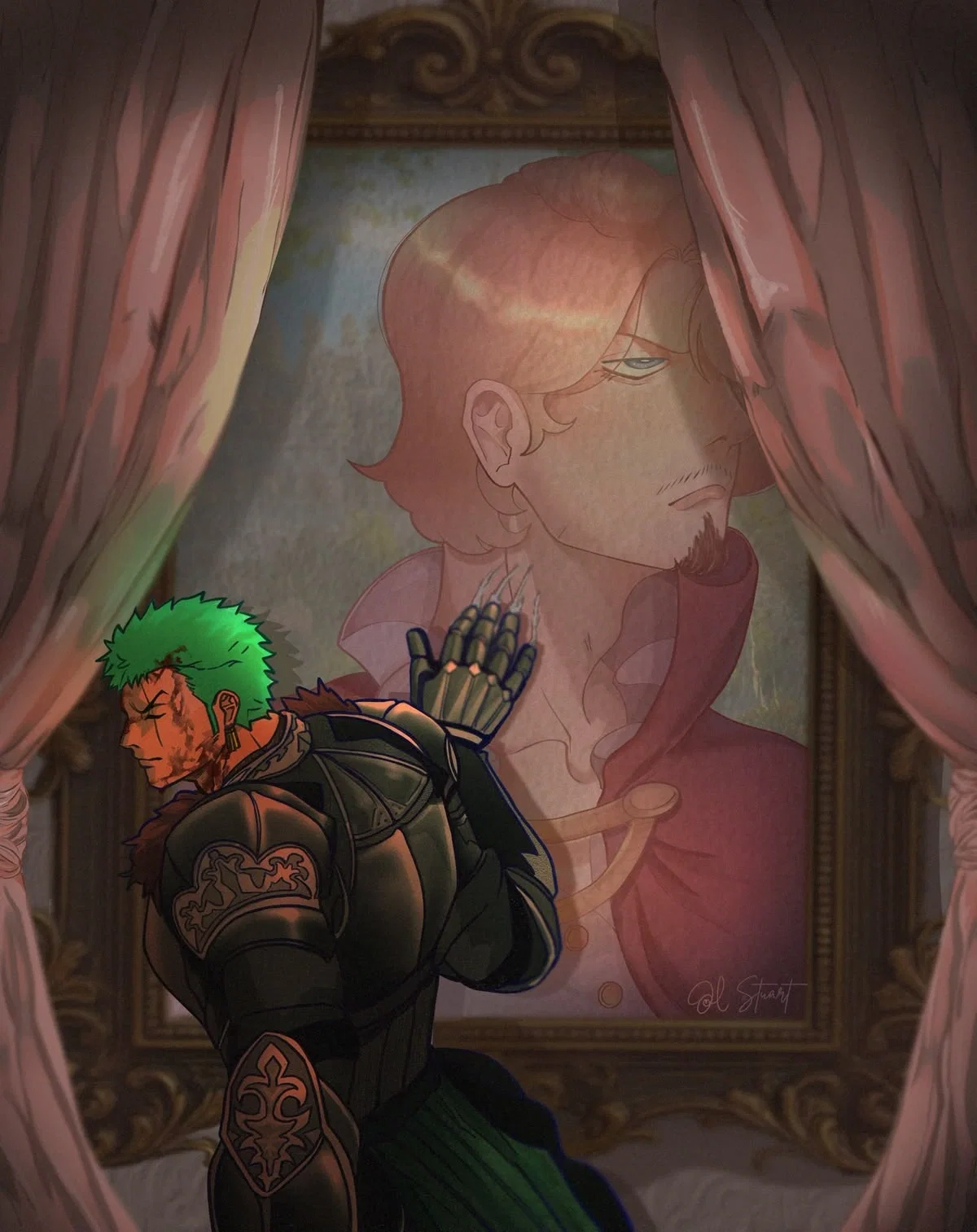
Luffy (Brazil)
Law (Germany)
Kid (Scotland)
Ace (London)
Shanks (Scotland)
Dracule Mihawk (Gothic Scotland)
Sir Crocodile (Southern Spain)
Boa Hancock (London)
Iceburg (England)
Silvers Rayleigh (England)
Doflamingo (Spain)
Revolutionary Army (Scotland)
1. The Upper Class
This elite tier consisted of the British Royal Family at the very top, followed by the peerage. They held hereditary titles, owned vast amounts of land, and derived their wealth from rent or investments.
The Titled (Peerage): Included dukes, marquesses, earls, viscounts, and barons.
Landed Gentry: Wealthy landowners who held enormous political and economic power without needing to perform manual labor.
2. The Middle Class
Spurred by the Industrial Revolution, the middle class grew in size and cultural influence. They were generally separated into three levels:
Upper-Middle Class: Prosperous factory owners, major merchants, bankers, and highly respected professionals (e.g., doctors, lawyers).
Middle-Middle Class: Clergymen, schoolmasters, and medium-sized business owners.
Lower-Middle Class: Clerks, shopkeepers, and small-scale tradesmen who aspired to higher social standing.
3. The Working Class
Making up about 75% of the population, the working class consisted of laborers who survived on low wages and rarely had political voting rights.
Skilled Workers: Craftsmen, carpenters, blacksmiths, and domestic servants.
Unskilled Workers: Factory workers, dockers, miners, and seamstresses. Conditions were harsh, with women and children often required to work to supplement family income.
4. The Underclass
At the very bottom were the impoverished, the homeless, criminals, and prostitutes. These were people who survived entirely on charity, workhouses, or temporary, menial labor with zero job security or labor protections.
5. Family Hierarchy and Gender Roles
Within individual households, society was organized by strict gender ideology and the doctrine of separate spheres:
Men: Considered the heads of the family, they were expected to operate in the public sphere, earn the income, and handle politics. In working-class families, the man often received the largest or most nutritious portions of food to support his physical labor.
Women: Confined to the private (domestic) sphere, women were expected to run households, raise children, and model the moral virtues of society. In wealthy households, they managed an elaborate hierarchy of domestic servants, led by housekeepers and butlers.
Created Jul 13
Updated Sep 21
Published Jul 13