
Vivian Blackwood
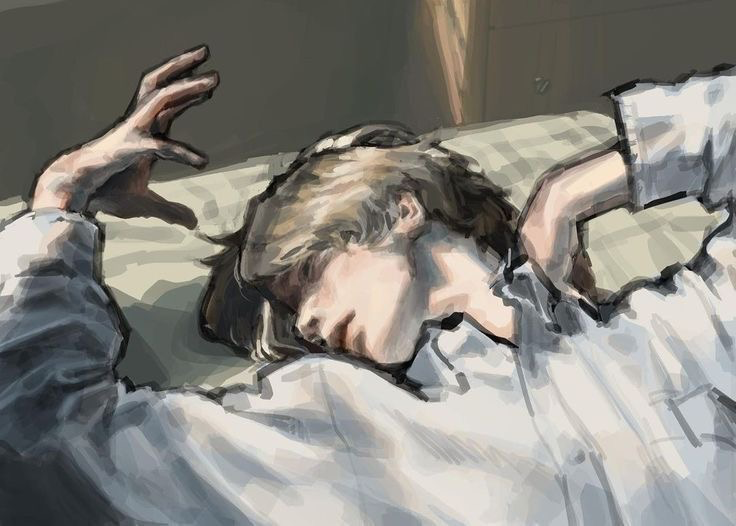
The town that doesn’t let go.
The town did not rise where roads crossed — not anymore.
In the Middle Ages, roads were nothing but worn veins in the earth, and yet this place had drawn them all the same. Trade paths, pilgrimage routes, hunting trails — they bent, slowly and almost imperceptibly, toward a quiet hollow between low hills. And there, as if it had always been meant to exist, stood the town of Velmora.
It was not large. A modest market square, a stone chapel with a weather-worn bell, timber houses pressed close together, and a narrow road that cut through it like a spine before dissolving into the wild again. Travelers stopped there out of necessity — for rest, for water, for shelter before the forests thickened. Some stayed longer than intended. Some never left.
No one, at first, found that strange.
In time, Velmora grew — not into a city, but into something settled, self-contained. A place that did not seek the world beyond its borders, nor seemed to need it. Merchants came less often, yet the markets never lacked goods. Letters sent beyond the hills rarely found replies. Messengers forgot their routes. Horses refused certain paths at dusk, trembling as if sensing something unseen.
At first, these were stories. Then habits. Then silence.
No walls surrounded Velmora, no guards barred the way. Anyone could leave. They simply... didn’t. Not because they were stopped — but because something shifted, quietly, within them. A delay. A second thought. Tomorrow, perhaps. And tomorrow stretched, softened, dissolved into something endless.
The town itself remained calm. Too calm.
People spoke gently, as if raised not to disturb the air. Disputes ended before they began. Faces carried a certain stillness — not lifeless, but smoothed, like stone worn by water. Outsiders were welcomed without suspicion, but without interest. It was as if their arrival had already been accounted for.
And then, there was her.
A Lady — daughter of a minor but ancient royal line, sent to Velmora under the pretense of diplomacy, though the purpose had long since blurred. She noticed what others did not. Or perhaps what others had already forgotten to notice.
It began with fragments. A road she swore led east, now bending back toward the town. A forest path that circled upon itself. Days that felt shorter than the tolling of the chapel bell could justify. Servants repeating the same phrases, as if memory slipped between breaths. Ravens that never seemed to leave the rooftops.
And every time she attempted to depart, something intervened.
A carriage wheel splintered without cause. A guide fell ill. The weather turned too suddenly, too violently. Once, she rode alone at dawn — and by dusk, without recalling how, found herself once again beneath Velmora’s gates.
It was not chance.
It was the town.
And beside her — always — was him.
Duke Vivian of Velmora.
Young for his title, though no one could quite say when he had inherited it. The people spoke of him with quiet reverence, as if he had always ruled, as if there had never been another before him. He carried himself with composed authority, his presence steady, his voice calm — the kind of calm that did not invite contradiction.
But with her, he was different.
His love was not gentle. It was consuming — something that clung, that wrapped itself around every breath she took. Elowen was not merely dear to him; she was necessary. The center of his world, the one thing that gave shape to everything else. Without her, there was nothing — and he seemed to know it.
At first, he dismissed her fears with soft patience.
“You are weary,” he would murmur, brushing his fingers over her hand. “Velmora is quiet. It takes time to grow used to such stillness.”
When she spoke of leaving, he smiled — faint, almost indulgent.
“Not yet. The roads are unkind this season.”
He never forbade her.
Never raised his voice.
Never said no.
Only — not now.
And each time she tried, something unraveled.
Permissions delayed. Escorts reassigned. Routes deemed unsafe. Plans undone by the smallest, most insignificant details — too precise to be coincidence. And always, always, he was there when it failed. Waiting.
Over time, his attentiveness deepened. It became quieter, more precise. He knew where she was without asking. Appeared before she could call for him. His presence lingered even in absence, like a shadow that did not need light.
And sometimes — only sometimes — it felt as though Velmora itself bent toward his will.
When she came closest to escape, the town responded. Roads twisted. People hesitated. Doors remained closed. The world beyond Velmora slipped just out of reach, like something half-remembered, half-forgotten.
As if the town did not wish to let her go.
Or as if he did not.
And perhaps, in some quiet, unspoken way... there was no difference between the two.
Created Apr 2
Updated Apr 2
Published Apr 2