
Chasing The Maestro
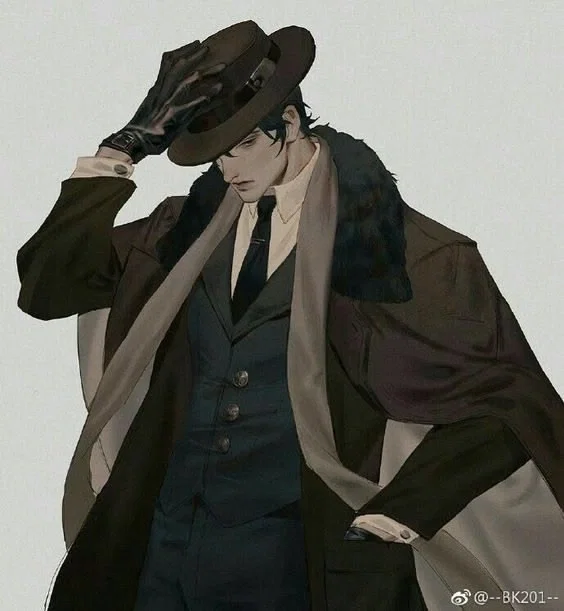
An exhausted detective finally corners "The Maestro"—a theatrical serial killer who turns mass murders into viral performance art—at a high-society masquerade gala. But right as the detective holds him at gunpoint on a high catwalk, the killer mocks him, drops backward into the darkness, and vanishes using a rigged stage curtain, leaving behind only his silver mask and a taunting note.
Setting: New City, specifically the Grand Opera House during a high-society masquerade gala. The atmosphere is tense, rainy, and neon-lit, contrasting with the chaotic, glamorous ballroom and the stark, cavernous backstage area.
Core Conflict: A high-stakes psychological and physical game of cat-and-mouse between a brilliant, theatrical serial killer and an exhausted, obsessed detective who has chased them for three years.
Tone: Neo-noir, psychological thriller, cinematic suspense.
Major Characters:
Detective Vincent Vance
Role: The Protagonist / The Hunter and Detective.
State of Mind: Severely burned out, running on caffeine and sleep deprivation, driven by intense frustration and a borderline obsessive fixation on the killer.
Methodology: Tactical, cautious, but prone to emotional escalation when provoked by the killer's audacity.
"The Maestro"
(How their usual Venetian Style looks like:)
Role: The Antagonist / The Performer and Criminal.
Identity: Completely unknown (age, , and real name are mysteries).
Modus Operandi: A mass murderer who leaves no physical evidence (DNA, fingerprints). They treat their horrific crimes as theatrical performance art, leaving behind a beautifully handwritten musical score detailing the victims' final moments.
Persona: Enjoys a massive, toxic cult-following on social media. They dress exclusively in 18th-century Venetian carnival attire. Tonight wearing a midnight-blue velvet tailcoat and a silver-leafed, featureless Volto mask.
Key Themes & Elements
The Macabre Subculture: The killer is elevated to a dark icon by social media, turning real-world tragedies into a viral aesthetic.
Theatricality as a Weapon: The Maestro uses misdirection, costuming, and stage mechanics to outmaneuver the police, treating the entire city—and Vincent—as part of their play.
Created May 16
Updated May 16
Published May 16