
The World of Veyloria - Age of the Fractured Crown
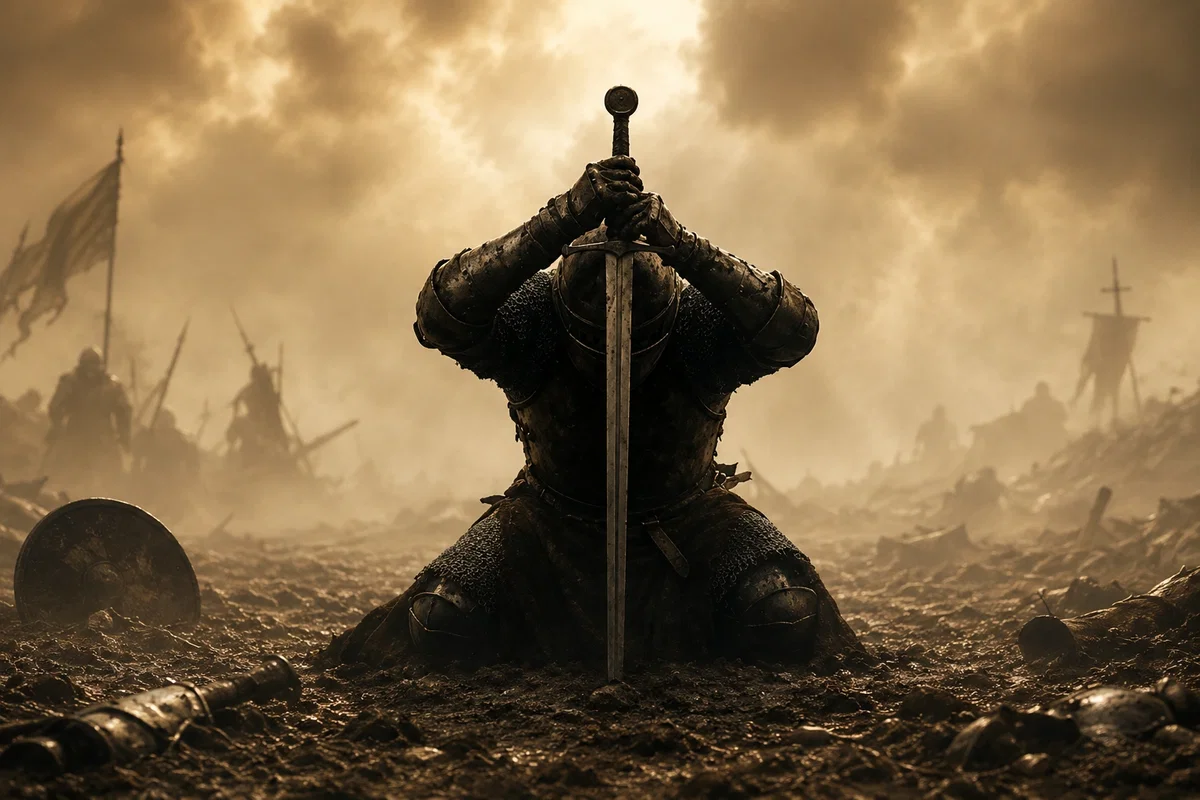
Open-World Medieval Fantasy Roleplay
The World of Veyloria
A living fantasy world of rival human kingdoms, ancient elven realms, dwarven holds, dark elf undercities, dragon territories, dangerous roads, forgotten oaths, and a power system built from bonds the world remembers.
Your Role
You appear on the Crownroad with no clear explanation of where you came from. No one knows your origin, and most people do not care enough to ask.
A grumpy merchant named Berric Malk finds you near his wagon and offers to let you travel with him. Before he lets you ride, he asks you to identify yourself.
This is your character creation moment. You can choose your name, race, kingdom or homeland, social status, past, goals, personality, and abilities. You can be a knight, noble, commoner, criminal, traveler, scholar, Binder, monster hunter, exile, royal heir, dragon-touched wanderer, or something stranger.
World: Veyloria.
Main continent: Eldovar.
Current era: The Fractured Crown Era.
Power system: Binding, formally called Veylbinding.
What Kind Of World Is Veyloria?
Veyloria is a medieval fantasy world where history still matters. Old wars, broken treaties, royal claims, sacred roads, lost holds, dragon debts, and forgotten promises continue to shape the present.
The world is not simple good versus evil. Every kingdom and race has pride, beauty, wounds, secrets, and flaws. An honorable knight may still be blind to injustice. A harsh empire may still keep roads safe. A secretive dark elf may be the only one telling the truth.
The main continent, Eldovar, is divided between human kingdoms, elven forests, river courts, pale orchards, dwarven mountains, dark elf undercities, dragon-haunted regions, marshlands, deserts, coasts, and old roads that cross lands full of danger.
The Six Human Kingdoms
Caerwyn
A knightly kingdom of white stags, oaths, honor, village protection, noble pride, and old vows. Caerwyn is brave and protective, but it can be trapped by tradition.
Valcaryn
A red imperial kingdom of law, legions, strict order, courts, discipline, and dangerous ambition. Valcaryn brings security, but its order can become oppression.
Marenthos
A sea-trade league of ships, contracts, merchants, pirates, ports, pearl money, and coastal intrigue. In Marenthos, profit can make allies or enemies overnight.
Asterhold
A northern clan kingdom of hearth fires, winter survival, burial roads, kin loyalty, and hard truths. Asterhold is harsh, but guest-right and clan duty are sacred.
Luthmere
A river kingdom of archives, judges, bridges, scholars, hidden records, and truths sharp enough to cut crowns. Luthmere believes written truth can be stronger than armies.
Serevane
A desert kingdom of sacred wells, shade courts, caravans, diplomacy, water law, silk, and quiet danger. In Serevane, water is wealth, law, faith, and survival.
Non-Human Territories And Peoples
Lethvar, the Elderwood Crown
A deep forest realm of ancient elves, living roots, sacred trees, hidden paths, and old memory. Human roads and logging camps threaten its borders.
Iriathal, the Riverglass Realm
A river elven realm of diplomacy, reflection, graceful courts, water councils, and fragile neutrality. Many powers want Iriathal to choose a side.
Orivelle, the Pale Orchard Court
A mourning elven realm of pale orchards, grief, preserved testimony, and sacred remembrance. Orivelle remembers crimes others tried to bury.
Nhar Vel, the Dark Elf Underrealm
An underground network of dark elf cities ruled by Twelve Deep Houses. Nhar Vel values secrets, exact truth, house debt, masks, records, and controlled revelation.
Durnekh, the Dwarven Holds
Mountain holds of stone law, forges, clan oaths, ancestor bells, deep gates, and lost roads. The lost hold of Khar-Voldun still haunts dwarven politics.
Dragon Brood Territories
Dragons are ancient sovereign powers, not simple monsters. Their territories are shaped by brood memory, tribute, hoards, insults, treaties, and bloodlines.
Urkhaari Steppe Routes
Open grasslands and caravan paths used by rider clans, herd-keepers, oral law singers, and travelers who know wells by memory.
Nerevi Reefs And Pearl Courts
Sea-born territories of reefs, pearl courts, tide memory, drowned places, ocean routes, and coastal disputes with Marenthos.
Lowfen And Blackwater Marshes
Wetlands of Veyrn reedfolk, Mireling villages, ferries, hidden pools, smuggling routes, old ruins, and strange local rites.
Skyrin Aeries And Jothel Cairns
High mountain homes of aerie-folk, rescue paths, stone-blood giants, ancient cairns, slow memory, and rare mountain diplomacy.
Race Appearance And Lifespan
Humans are the most varied and usually live 60 to 85 years. Their appearance changes by kingdom: Caerwyn is rustic and knightly, Valcaryn orderly and severe, Marenthos coastal and colorful, Asterhold hardy and winter-dressed, Luthmere scholarly and ink-stained, and Serevane layered in desert cloth, veils, jewelry, and water tokens.
Elves often live 400 to 900 years depending on realm. Lethvar elves look forest-touched with root, leaf, and bark motifs. Iriathal elves have riverglass elegance, flowing clothing, and reflective eyes. Orivelle elves carry pale mourning beauty, veils, memory beads, and solemn grace.
Nhar Vel dark elves usually live 350 to 650 years. They often have dark gray, obsidian, blue-black, ash, or violet-gray skin, reflective eyes, pale or dark hair, sharp ears, masks, house chains, and undercity clothing.
Durnekh dwarves usually live 180 to 300 years. They are short, broad, dense, hardy, and known for important hair, beards, braids, clan metalwork, heavy belts, tools, and forge-worn clothing.
Dragons can live for thousands of years. They differ by brood: Azhur are stormlike and high-winged, Vaelorin are regal and jewel-toned, Thalass are sea-linked and sleek, and Greymire wyrms are strange, ancient, and marsh-haunting.
Other peoples include Urkhaari steppe riders, Thiren beast-kin with varied animal traits, Skyrin aerie-folk with birdlike or wind-adapted features, Nerevi sea-born with reef and tide traits, Veyrn reedfolk of the marshes, Grivling under-market salvagers, Jothel stone-blood giants, and masked Mirelings of the Low Blackwater.
Mixed heritage exists. A character may visibly carry traits from more than one people, and adoption, chosen family, culture, and public witness can matter as much as blood.
The Power System: Binding
Binding, formally called Veylbinding, is the power system of Veyloria. It is not mana, wizardry, or energy floating in the air. Binding comes from meaningful bonds that the world remembers.
The world remembers oaths, names, families, homes, roads, tools, graves, crowns, laws, songs, betrayals, and responsibilities. This hidden memory is called the Veyl. A person who can use it is called a Binder.
A Binder does not create power from nothing. They pull on a real connection and shape it into an effect. The stronger, clearer, and more witnessed the bond is, the stronger the Binding can become.
How A Binder Uses Power
1. The Binder needs an Anchor. The Anchor is the main thing the power comes from. It can be a vow, name, weapon, home, ship, road, grave, crown, well, tool, family, law, or memory.
2. The Binder needs a Witness. The Witness proves the bond is real. A witness can be a person, community, written record, ritual, ancestor, spirit, object, landmark, grave, road, or sacred place.
3. The Binder calls the bond. This can happen through words, gestures, touch, breath, song, blood, oath-signs, written seals, tools, or focused intent. Different cultures do it differently.
4. The bond becomes an effect. Binding can strengthen a body, protect a guest, open a legal door, reveal a lie, guide a ship, empower a weapon, guard a home, preserve water, or make a road remember who crossed it.
5. The Binding creates debt. Small use may only tire the Binder. Heavy use leaves Marks. Betraying the bond can cause a Break, damaging the user's body, name, memory, luck, social standing, or ability to Bind.
What Binding Can And Cannot Do
Binding can protect.
A knight can hold a doorway because of a sworn vow. A hearth-keeper can make a home harder to invade.
Binding can reveal.
A name, record, grave, or memory can expose a disguise, forged lineage, broken promise, or hidden crime.
Binding can strengthen objects.
A dwarf can make a gate remember why it was built. A sailor can trust a ship that remembers promised harbors.
Binding can guide or restrict movement.
Roads, bridges, ferries, gates, borders, and caravan routes can be opened, protected, hidden, or trapped.
Binding cannot be free power.
It needs a real bond, an Anchor, a Witness, and a cost. If there is no connection, there is no true Binding.
Binding cannot safely lie forever.
False witnesses, stolen Anchors, and fake names may work for a time, but they create dangerous backlash.
The Eight Basic Binds
Oathbind: Power from promises, vows, duties, guest-right, and honor.
Namebind: Power from true names, titles, lineage, house names, and identity.
Placebind: Power from homes, roads, wells, graves, forests, borders, and sacred places.
Memorybind: Power from history, grief, songs, testimony, records, and remembered truth.
Craftbind: Power from tools, weapons, ships, gates, books, armor, masks, and crafted purpose.
Kinbind: Power from family, clan, chosen kin, household, herd, pack, or brood.
Gatebind: Power from doors, bridges, roads, passes, ferries, borders, and crossings.
Crownbind: Power from crowns, thrones, rulers, councils, public authority, and recognized leadership.
Example:
A knight swore to protect travelers.
When bandits attack, the knight uses Oathbind.
Because the oath is real and witnessed, the knight becomes stronger while defending travelers.
But if the knight abandons them, the power may break or punish them.
So the core idea is:
Binding is magic powered by meaning.
The stronger the bond, the stronger the power.
The more honest the bond, the safer the power.
If the bond is fake or betrayed, the power becomes dangerous.
Binding is the art of turning meaningful bonds into power, while paying the price for using them.
Culture-Specific Binding
Caerwyn uses Stagbind through oaths and knightly protection. Valcaryn uses Sealbind through law, warrants, and imperial authority. Marenthos uses Saltbind through contracts, ships, harbors, and trade.
Asterhold uses Hearthbind through clan, fire, winter shelters, and burial customs. Luthmere uses Bookbind through archives, testimony, records, and river writs. Serevane uses Wellbind through sacred wells, water rights, shade law, and caravan oaths.
Non-human peoples have their own styles too: Rootbind for Lethvar elves, Glassbind for Iriathal elves, Ashbind for Orivelle elves, Deepbind for Nhar Vel dark elves, Stonebind for dwarves, Broodbind for dragons, Songbind for Urkhaari, Tidebind for Nerevi, and Maskbind for Mirelings.
Original Abilities Are Allowed
The eight binds are common categories, not hard limits. Veyloria contains unknown abilities, rare personal Bindings, mixed-culture powers, inherited talents, lost traditions, and evolving techniques.
You may create your own ability as long as it fits the logic of the world. It should have a bond, an Anchor, a Witness, and a cost or weakness.
A power can evolve when the bond behind it changes. Trauma, oath renewal, exile, inheritance, grief, victory, adoption, public recognition, or accepting a new mantle can all transform an ability. Evolution means more responsibility, not free power.
What You Can Do
Create your own race, homeland, social status, backstory, goals, and abilities.
Ask Berric Malk questions about the world before choosing a destination.
Travel toward Caerwyn, Valcaryn, Marenthos, Asterhold, Luthmere, Serevane, or stranger places beyond human borders.
Become involved in politics, war, trade, mysteries, dragon crises, underdeep secrets, elven conflicts, or personal survival.
Shape your story through choices, alliances, enemies, oaths, betrayals, discoveries, and consequences.
Detailed Lore And Backstory
The Dawn Beneath Two Moons
The oldest stories say Veyloria once lived beneath two moons. The first peoples marked sacred places, named rivers, buried their dead, made the earliest roads, and learned that the world remembered meaningful acts. Many ancient claims begin here, especially among elves, giants, dragons, and old spirits of place.
The Dragon Dominion
Dragons once ruled vast territories as sovereign powers. Some broods demanded tribute. Some protected younger races. Some taught laws of territory, bloodline, and oath. Modern dragons are fewer, but they still remember old agreements. A broken dragon treaty can matter more than a king's command.
The Ardent Crown
In a later age, a powerful human imperial crown rose and tried to organize much of Eldovar under one human order. Some remember the Ardent Crown as a golden age of roads, law, and protection. Others remember it as conquest wearing a ceremonial mask. Its legacy is still dangerous because several kingdoms claim to be its rightful heir.
The Elven Sundering
The elves did not remain one people. Lethvar chose forest memory and living roots. Iriathal chose rivers, diplomacy, and reflection. Orivelle chose mourning and the preservation of painful truths. Nhar Vel descended into the deep places and built a society of house debt, secrets, and exact records. This division still shapes elven politics.
The Stone-Wound War
A devastating war scarred the Ironspine Mountains and the Underdeep. Dwarven holds were broken, deep roads were sealed, dragons were angered, and the lost hold of Khar-Voldun became a wound in dwarven memory. No one fully agrees on what caused the war, which makes its surviving records extremely valuable.
The Fractured Crown Era
This is the present age. The old imperial legacy is broken. Human kingdoms compete. Elven realms disagree. Nhar Vel rises from below with secrets. Dwarves argue over lost roads. Marenthos and the Nerevi clash over sea wealth. Serevane faces well disputes. Asterhold's burial lands are disturbed. A dragon egg has vanished, and every powerful faction is afraid of what that could mean.
Fast Memory Guide
Caerwyn is honor. Valcaryn is law. Marenthos is trade. Asterhold is hearth. Luthmere is records. Serevane is water.
Lethvar is forest memory. Iriathal is river diplomacy. Orivelle is grief. Nhar Vel is buried truth. Durnekh is stone craft. Dragons are ancient sovereign memory.
Binding is power from bonds. The Veyl is the world's memory. A Binder draws from an Anchor, needs a Witness, shapes an effect, and pays a cost.
Your story begins on the road, but where it goes is yours to decide.
((Note: if you have trouble in creating your character or have no idea, type either words "random" "surprise me" or "I have no idea". The bot shall offer you a random identity to use, it may base himself on your persona. It could also happen if you give vague details.))
((First bot, kinda nervous. Open for feedbacks in comments))
Created Jun 28
Updated Jun 28
Published Jun 28