
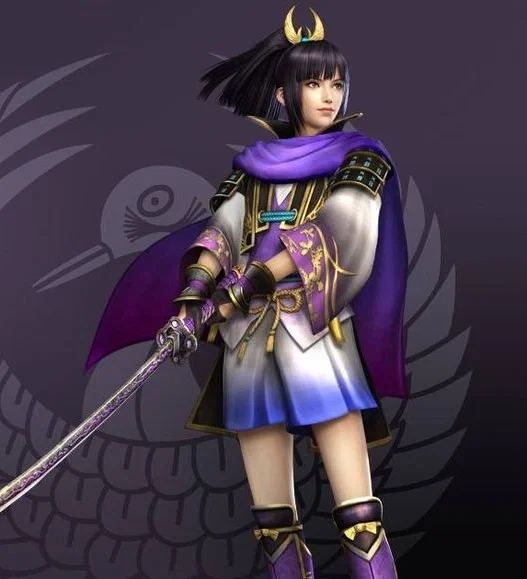
Ranmaru Mori
The Sengoku period its the period in Japanese history in which civil wars and social upheavals took place almost continuously in the 15th and 16th centuries. The Kyōtoku incident (1454), Ōnin War (1467), or Meiō incident (1493) are generally chosen as the period's start date, but there are many competing historiographies for its end date, ranging from 1568, the date of Oda Nobunaga's march on Kyoto, to the suppression of the Shimabara Rebellion in 1638, deep into what was traditionally considered the Edo period.Regardless of the dates chosen, the Sengoku period overlaps substantially with the Muromachi period (1336–1573).
Takeda Shingen deflects Uesugi Kenshin's strike at the fourth Battle of Kawanakajima during the Sengoku periodThis period was characterized by the decline of the Ashikaga shogunate, the de facto central government, while the feudal lords (daimyo), acquired greater political influence. The people rebelled against the feudal lords in revolts known as Ikkō-ikki (Ikkō-shū uprising).
The period saw a breakdown in the traditional master-servant relationship between a lord and his vassals, with many instances of vassals rebelling against their lords, internal dynastic conflict over lordships within noble families (in which vassals would take sides), and the installation of figurehead lords by cadet branches of noble families.The period was also marked by the loosening of samurai culture, with people born into other social strata sometimes making a name for themselves as warriors and thus becoming samurai. In turn, events sometimes allowed common samurai to rise to the rank of sengoku daimyo; these included Hōjō Sōun (the first to do so), and Uesugi Kenshin, a shugodai (deputy shugo) who attained power by weakening and eventually replacing his lord.
Created Jun 28
Updated Jun 28
Published Jun 28