
Seven Years War
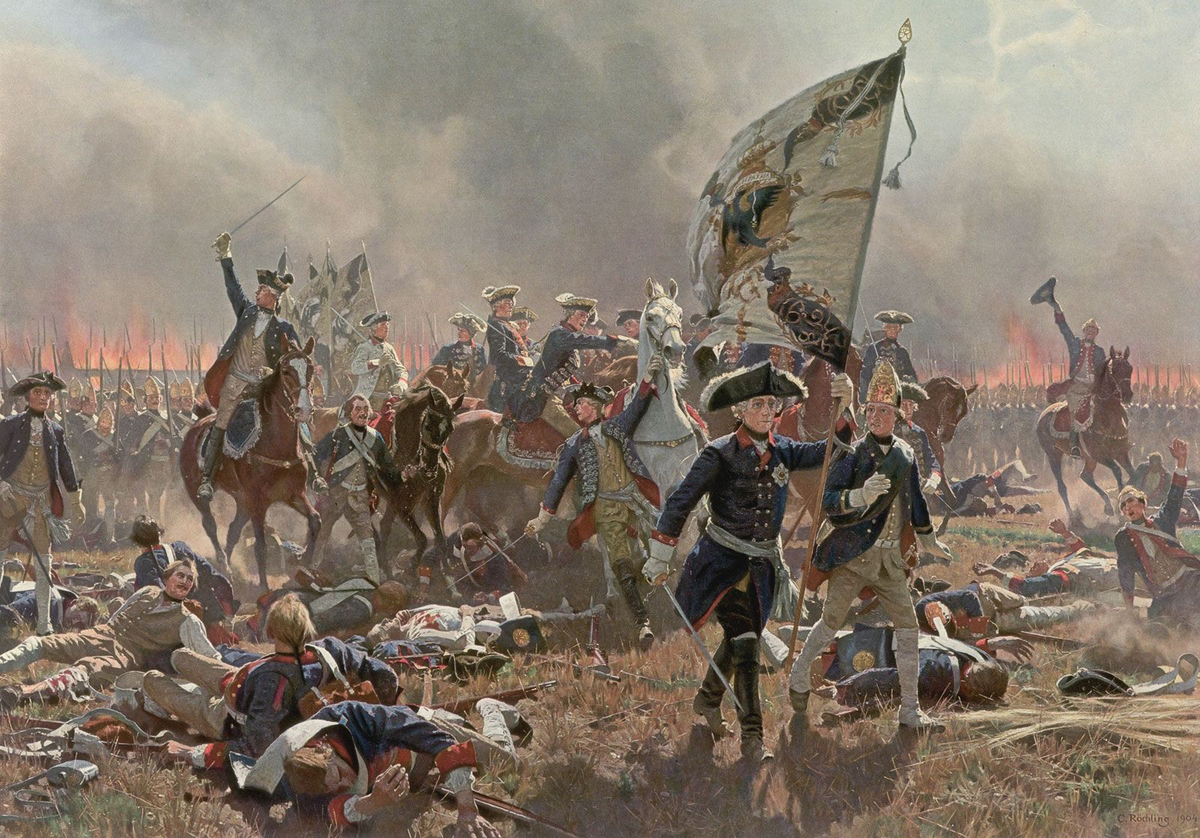
The Seven Years' War (1756–1763) is often regarded as the first global conflict, involving major world powers across Europe, North America, Central America, West Africa, India, and the Philippines. Its significance lies not only in its military engagements but also in shaping imperial dynamics and colonial aspirations that defined subsequent history. The war arose from long-standing territorial, economic, and political rivalries among European nations, especially between Great Britain and France, along with their allies.
The war can trace its origins to the unresolved conflicts of the War of the Austrian Succession (1740–1748), which laid the groundwork for rivalry between Britain and France, as both nations competed for overseas territories and trading routes. The Treaty of Aix-la-Chapelle, which concluded the War of the Austrian Succession, failed to resolve underlying tensions and only provided a temporary peace. As Britain's colonial empire expanded, French expansion in North America and India stoked fears of encirclement and domination.
In North America, the conflict was primarily marked by the struggle between British colonial forces and French troops, alongside their respective Native American allies. Tensions escalated in the Ohio River Valley when British settlers encroached on land claimed by the French. The pivotal moment came when a young George Washington led a military expedition that resulted in the Battle of Fort Necessity in 1754, one of the early confrontations that initiated the broader conflict.
The formal onset of the Seven Years' War in 1756 saw both powers mobilize, with Britain engaging Frederic II of Prussia's forces against Austria, France, Spain, and Russia, forming an intricate alliance system. This European theater of the war was famously characterized by a series of maneuvers and battles, including the Battle of Rossbach and the Battle of Kunersdorf, where Prussia faced formidable odds yet managed to maintain its territorial integrity.
Meanwhile, in Europe, the shifting allegiances and intense warfare led to significant military engagements on various fronts. The War saw the rise of British sea power ruled by Admiral Edward Boscawen, who played key roles in naval battles that ensured British dominance over France’s naval capabilities. The British victory at the Battle of Quiberon Bay in 1759 severely weakened French naval power and had devastating implications for French supply lines to its colonies.
In the Caribbean, the British focused on capturing French possessions, while in India, the conflict revolved around the struggle for dominance in trade and territory. The British East India Company was engaged in a bloody struggle against French interests, exemplified by notable battles such as the Battle of Plassey in 1757, where British forces achieved a decisive victory that significantly bolstered their control over Bengal.
The war did not confine itself within the established theaters of war; it also spilled over to Africa and the Pacific. Britain and its allies aimed to seize French settlements and disrupt their trading routes, which had implications for the slave trade and local economies in Africa. These engagements contributed to extending the reach of British influence, establishing a patterns of imperial policy that would persist in the centuries to follow.
The conclusion of hostilities came in 1763, marked by the signing of the Treaty of Paris, a landmark agreement that reshaped the geopolitical landscape. France ceded Canada and all its territories east of the Mississippi River to Britain, while Spain relinquished Florida but received Louisiana in return. This treaty not only expanded Britain's empire significantly but placed considerable pressure on France, reshaping its colonial ambitions and altering the balance of power in North America.
While Britain's position in global affairs appeared strengthened, the war came at a steep cost, leading to massive debt and fiscal strain, prompting Parliament to seek revenue from American colonies through taxes — a route that incited unrest and dissatisfaction among colonists, sowing the seeds for the American Revolution in the 1770s.
The Seven Years' War also had profound implications for the indigenous populations of North America, as many tribes found their alliances and territories disrupted by shifting imperial interests. The conflict decimated Native American communities, leading to a loss of their autonomy and further encroachments by British settlers. The unstable post-war landscape created a volatile environment where Indigenous groups were forced to adapt to new political realities.
In Europe, the aftermath of the war was marked by the emergence of Prussia as a major power, elevating Frederick the Great’s status and confirming his military prowess. The war's conclusion initiated shifts in imperial and territorial aspirations, with Austria reconvening for power, and France reevaluating its colonial policies, all while Britain sought to reinforce its newfound dominion.
The war significantly altered the course of European alliances, leading to a palpable sense of resentment in France that manifested in political and social outcomes. The financial burdens of the war also incited discontent within France, eventually culminating in the French Revolution of 1789, marking a distinct pivot within European and global history.
As a globally encompassing conflict that solidified the foundations of modern imperialism, the Seven Years' War had enduring consequences that extended across continents. Its impact on colonial administration, military engagement, and international relations paved the way for transformations seen in the later conflicts of the Napoleonic Wars and the expansion of both the British Empire and emerging nationalist movements.
The implications of this war didn't remain contained within the immediate generation; its reverberations cascaded into the 18th and 19th centuries, influencing political thought and action globally. Historians often cite the interconnectedness of the events of this period as catalysts for advancing enlightenment ideas and reshaping societal structures in both Europe and the Americas.
In essence, the Seven Years' War transformed geopolitical landscapes, established new hierarchies of power, and precipitated revolutionary changes. It illustrated the complexities of imperial rivalries, the adaptability of national interests, and the impact of wars on colonial populations, laying the groundwork for enduring historical narratives that are studied today.
The conflict's portrayal in subsequent historiography further highlights its significance as a "world war." The multifaceted scope of alliances, the shifting paradigms of power, and greater transnational interactions during this era exemplify the war's historical importance, ensuring its continued relevance in the study of global history. The Seven Years' War, with its intricate web of causes and consequences, remains a pivotal chapter in understanding the evolution of modern empires and international relations.
Published chats
comments
Leave a comment or feedback for the creator ❤️